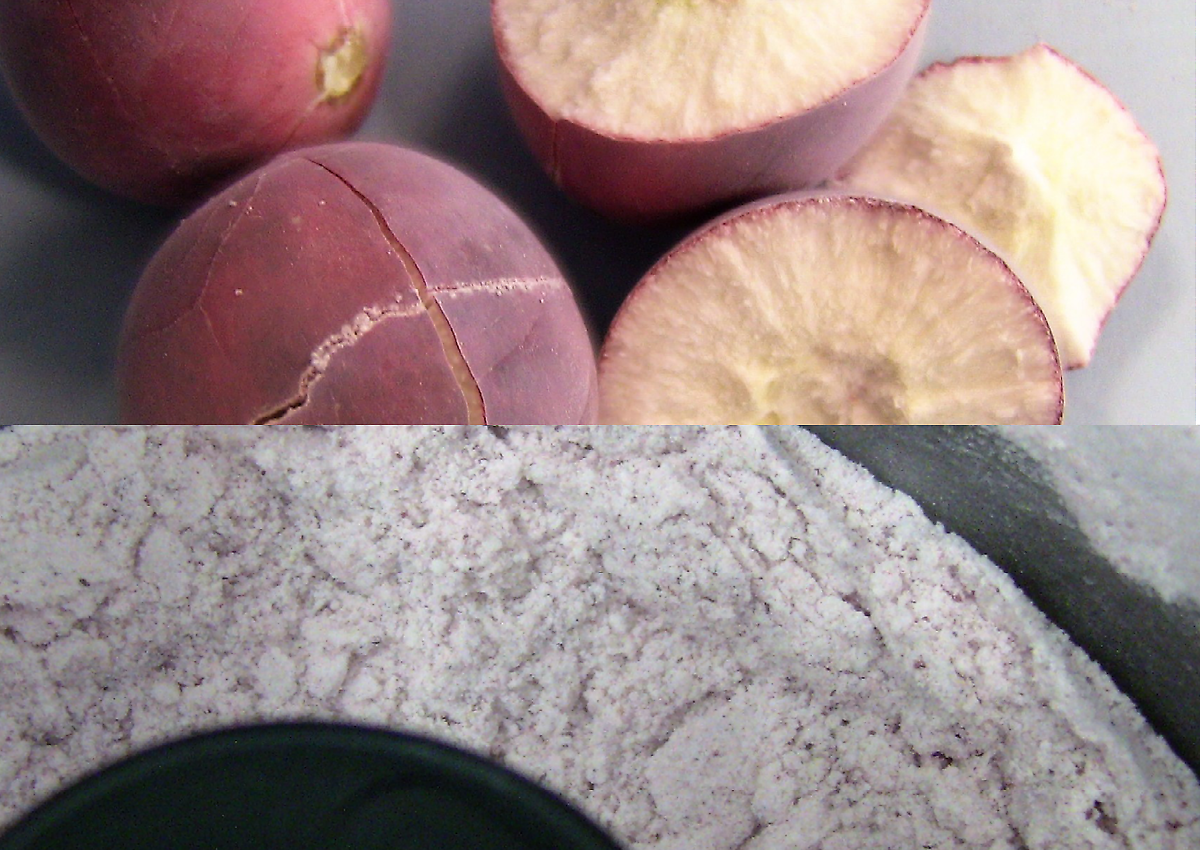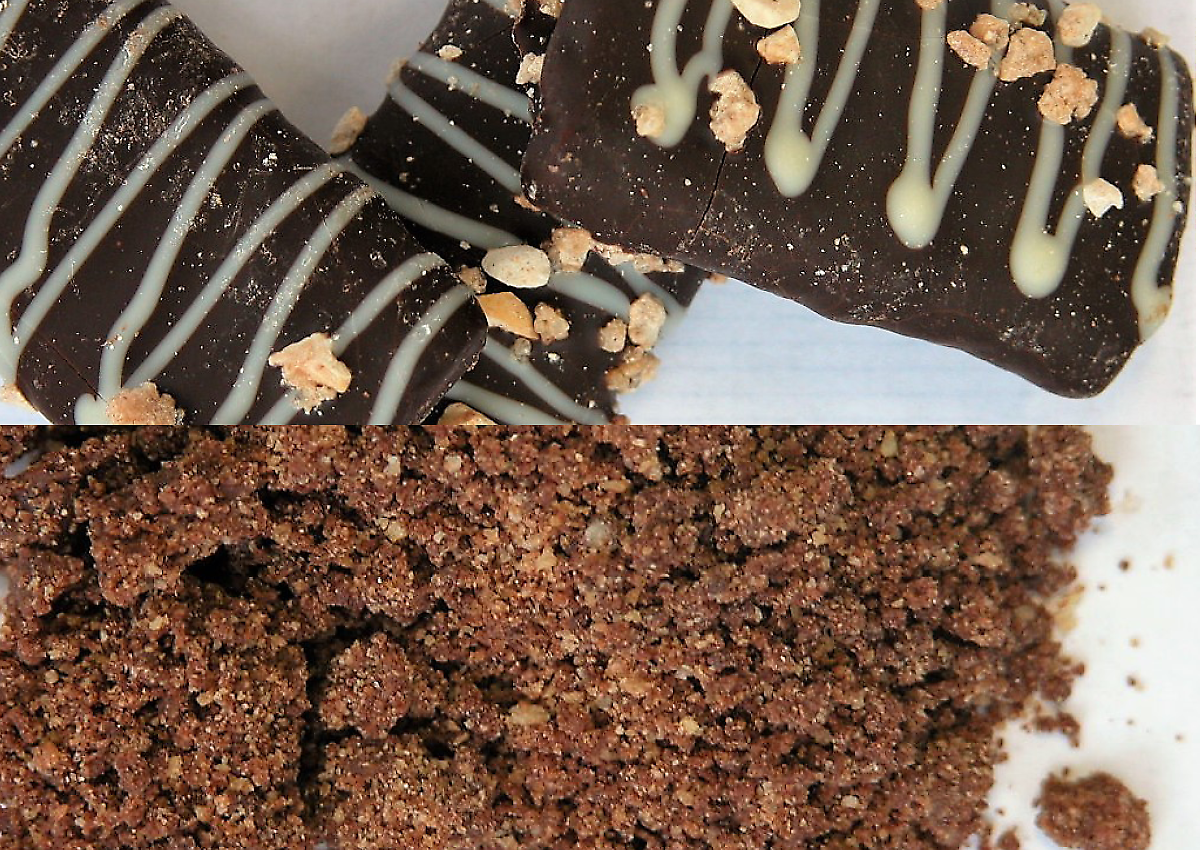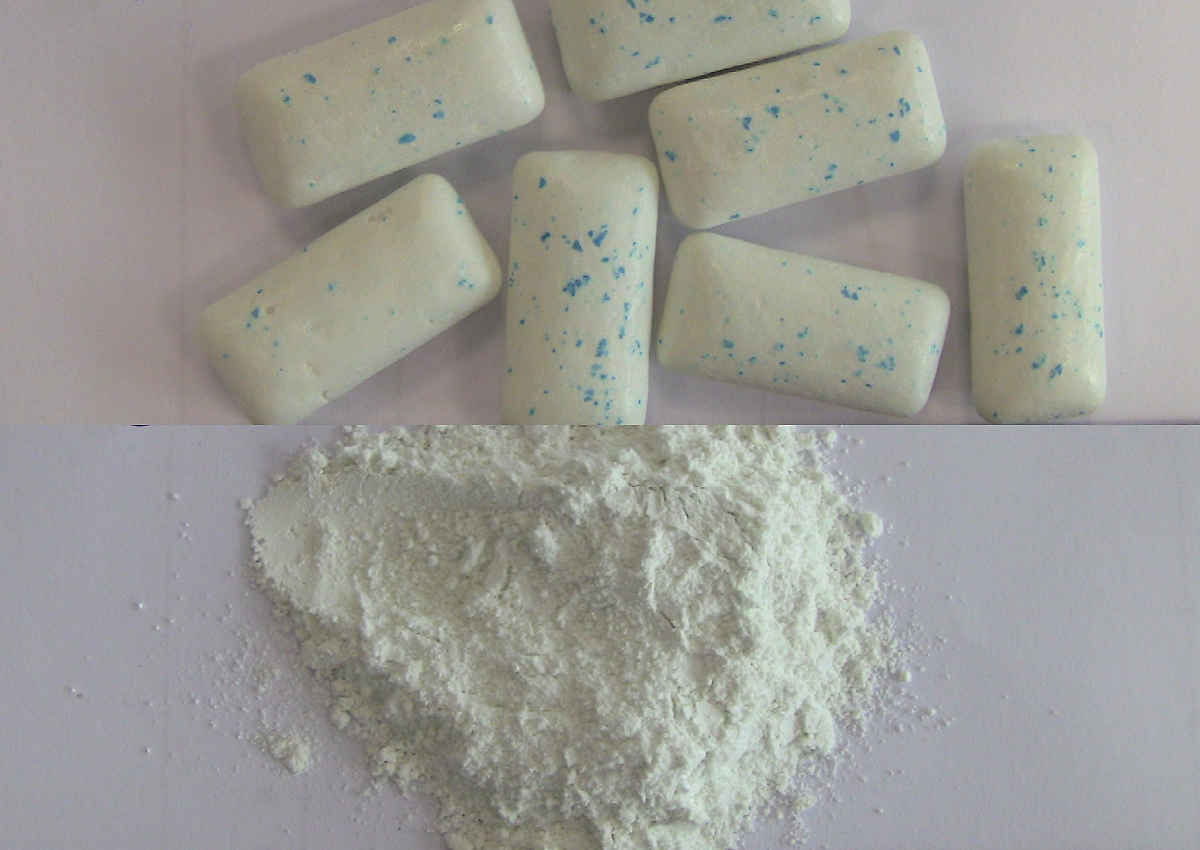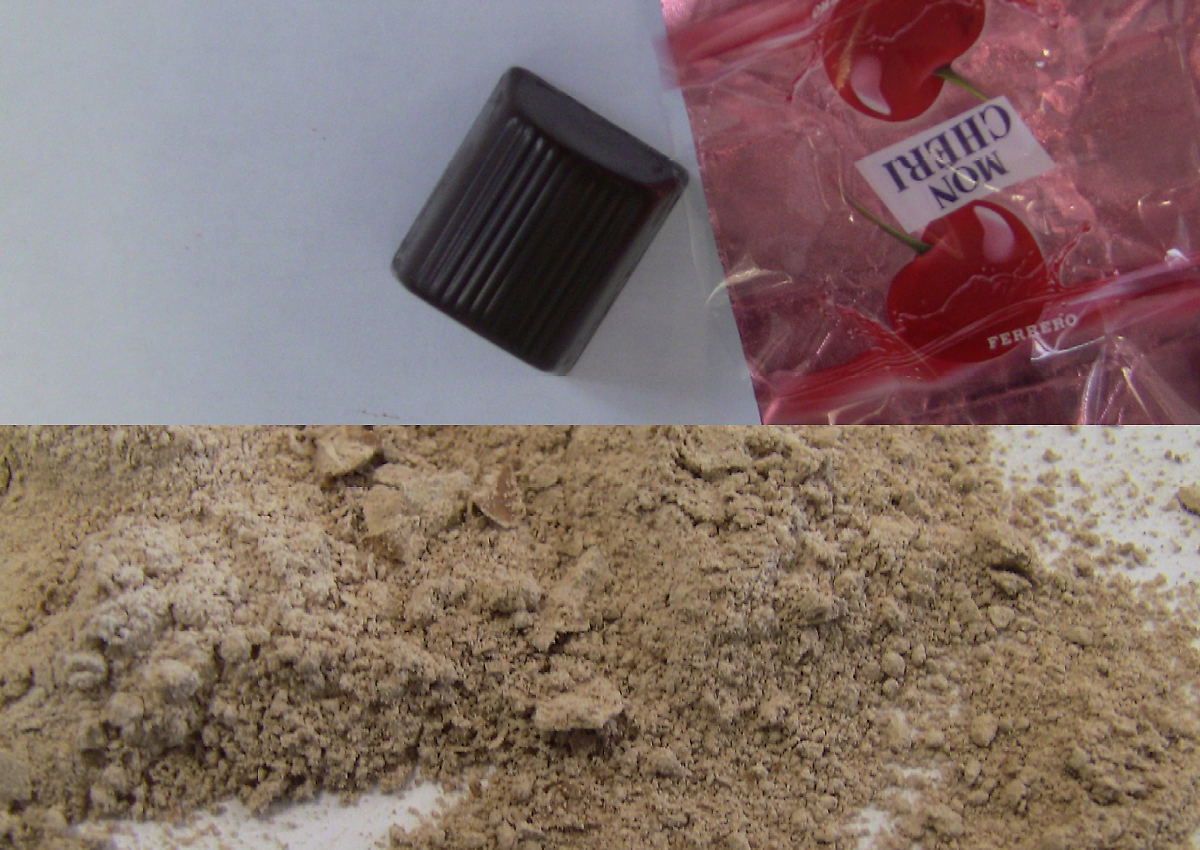
Food testing laboratories require representative, homogenized, and pulverized samples for meaningful and reproducible analysis results. The standard deviation of any subsequent analysis can be minimized by particle size reduction and homogenization of the analytical sample.
The most suitable mills for sample preparation of food are knife mills, rotor mills, cutting mills and ball mills. When searching for adequate grinding tools, one should keep in mind that the sample properties to be determined must not be altered in any way during the process. Fatty or moist samples need different processes than, for example, grainy, very tough or fibrous materials. Large initial feed sizes or large sample volumes require other techniques than those samples with small initial feed sizes and batch sizes.
A special case are samples which are sticky or have volatile ingredients because they need cryogenic treatment or at least cooling during grinding.
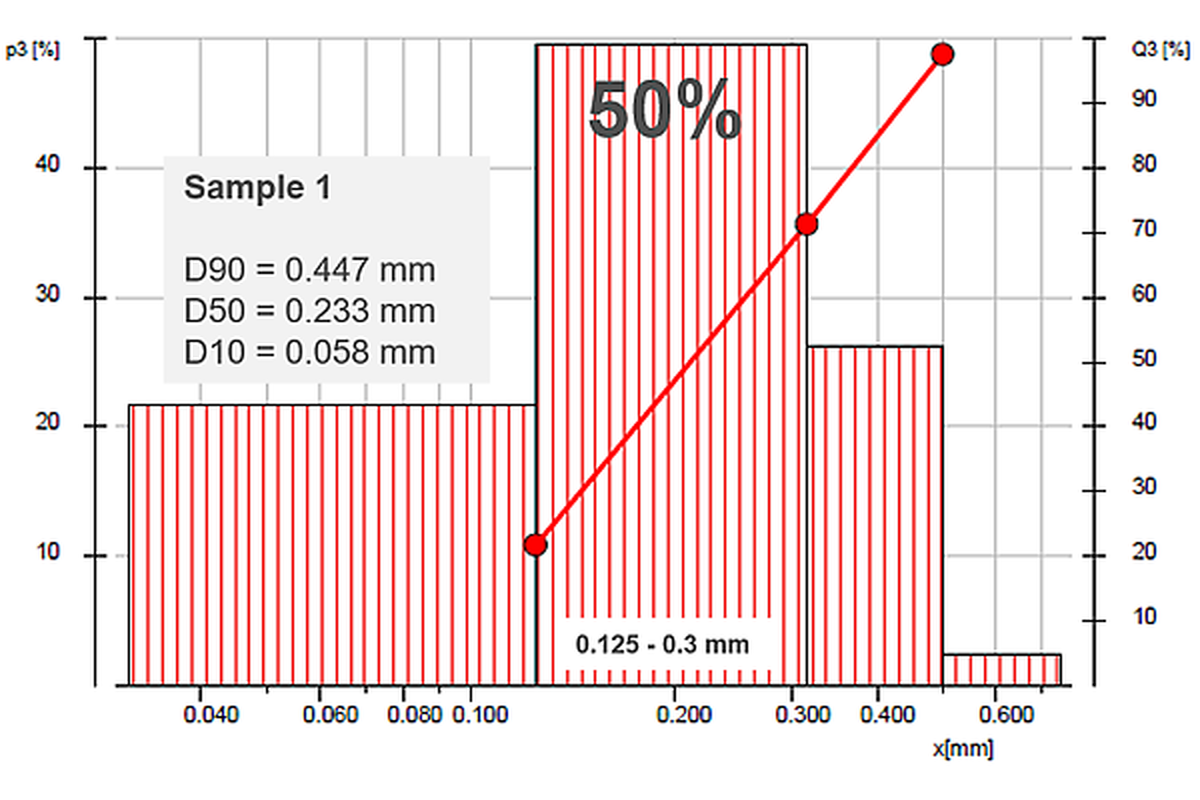
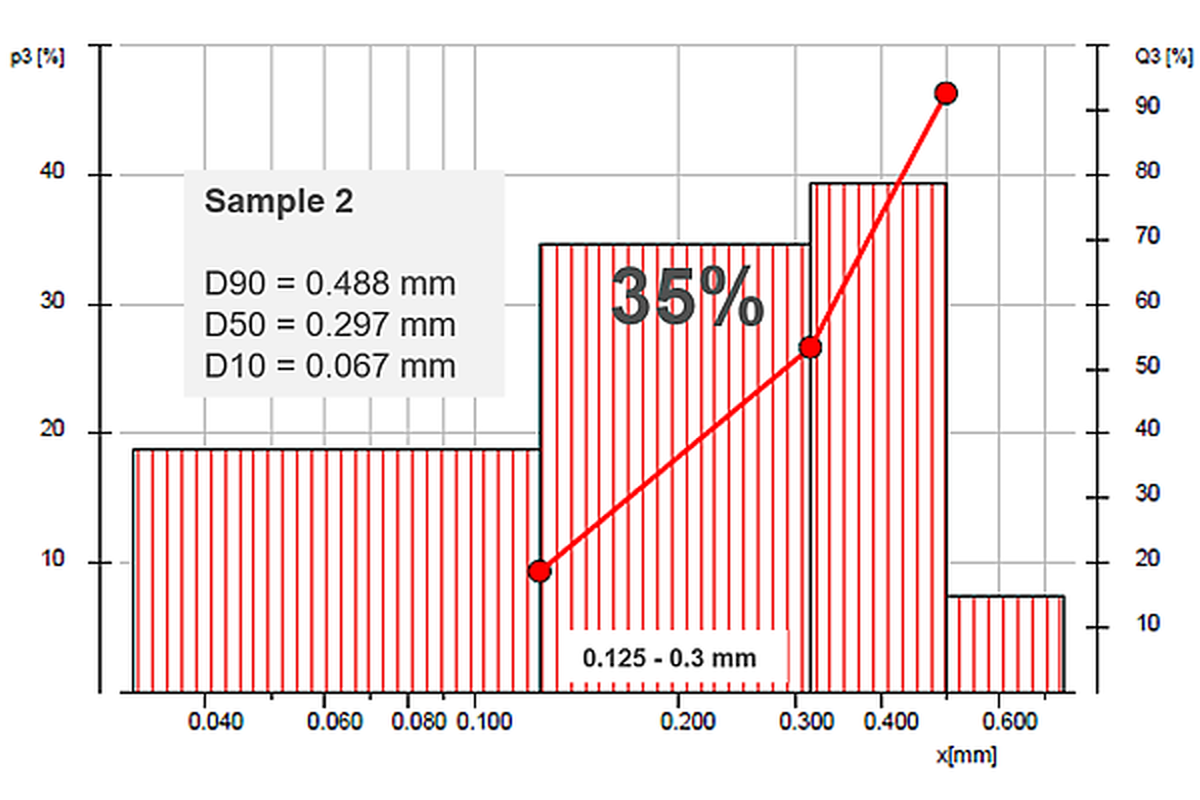
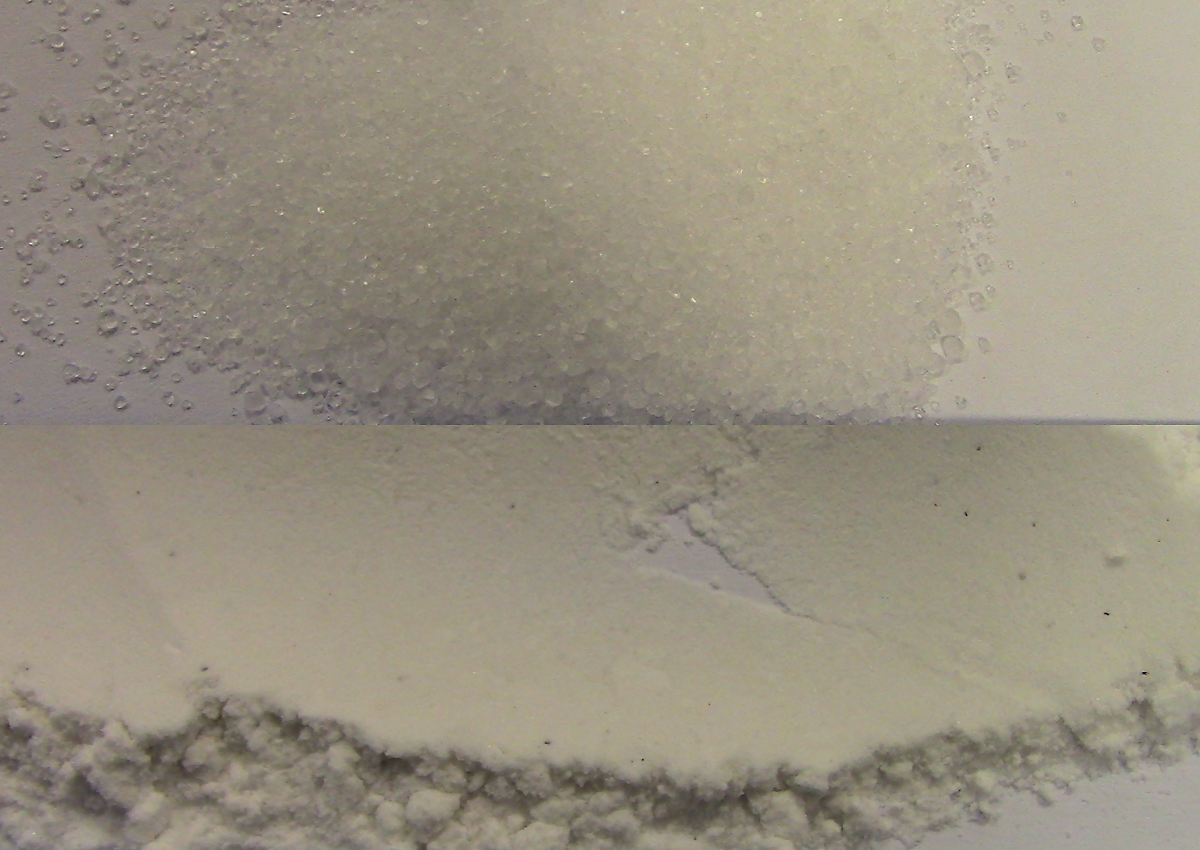
The pulverization of free-flowing, grainy or crystalline (non-oily) samples, such as corn or sugar, is usually straightforward. A wide range of mills is suitable, including different rotor mills. Crystalline samples like sugar can be ground to less than 0.05 mm with the Ultra Centrifugal Mill ZM 300 using a ring sieve with 0.08 mm aperture size. Grinding in ultra centrifugal mills is very effective: as a rule of thumb, 80% of the pulverized sample is smaller than half the aperture size of the sieve. The use of a cyclone helps to discharge the sample from the grinding chamber, cools the sample and allows for processing up to 4.5 l sample per batch.
Materials like corn or spices are typically ground to particle sizes around 500 µm or even 250 µm using a ZM 300 or a Rotor Beater Mill SR 300. When grinding an unknown sample, it is advisable to start with a sieve with medium aperture size. When the sample does not block the sieve, the size may be further reduced. This procedure applies to all rotor mills. The SR 300 is also beneficial for larger sample quantities up to 30 l if a cyclone is attached. Another benefit of the SR 300 is the large feed size of up to 25 mm.
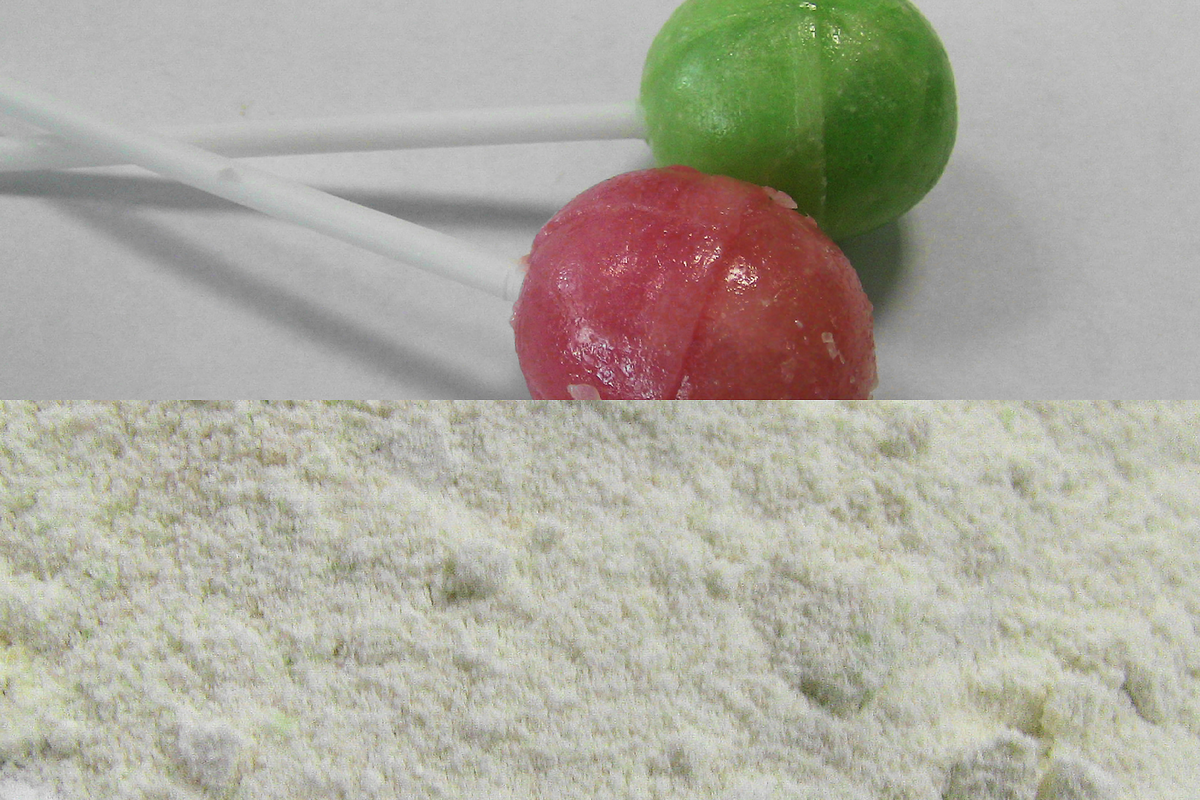
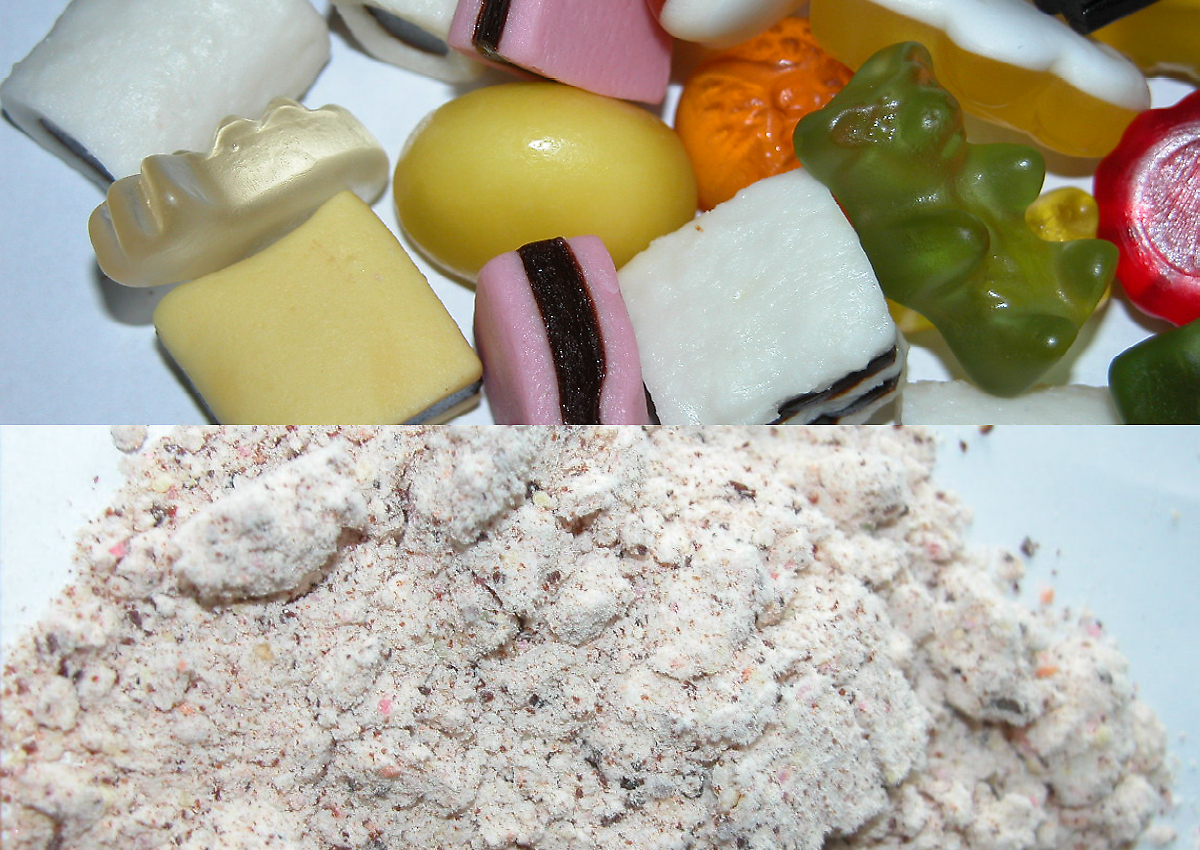
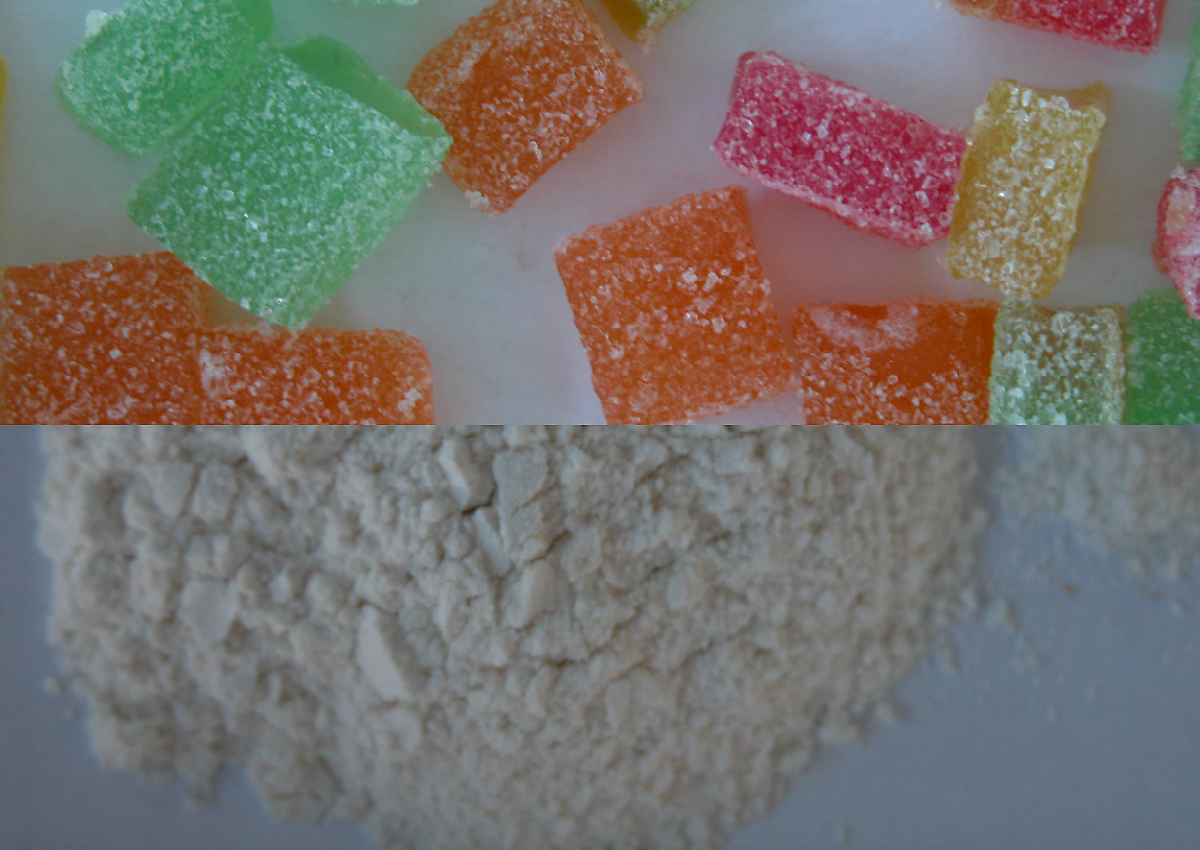
Confectionery occurs in very different textures: it can be hard, sticky, greasy, or moist. A typical homogenization process of hard candy with high sugar and starch syrup content is done in the Knife Mill GRINDOMIX GM 200: 100 g of hard candy is first roughly ground for a few seconds at 2000 rpm in reverse mode with the blunt side of the knife to protect the sharp side and reduce wear. This is followed by interval grinding in forward mode for another 15 seconds at 4000 rpm. Further size reduction below 0.5 mm is achieved by grinding for 6 to 12 seconds at 6000 rpm. This step-by-step procedure prevents the sample from sticking to the knife as is often the case in household mixers.
Nasze zaangażowanie w doskonalenie kontroli jakości odzwierciedla się w zaufaniu producentów, którzy liczą na Verder Scientific w celu zapewnienia integralności ich produktów - od owoców, przez nabiał, kawę, mięso, aż po przetworzoną żywność.
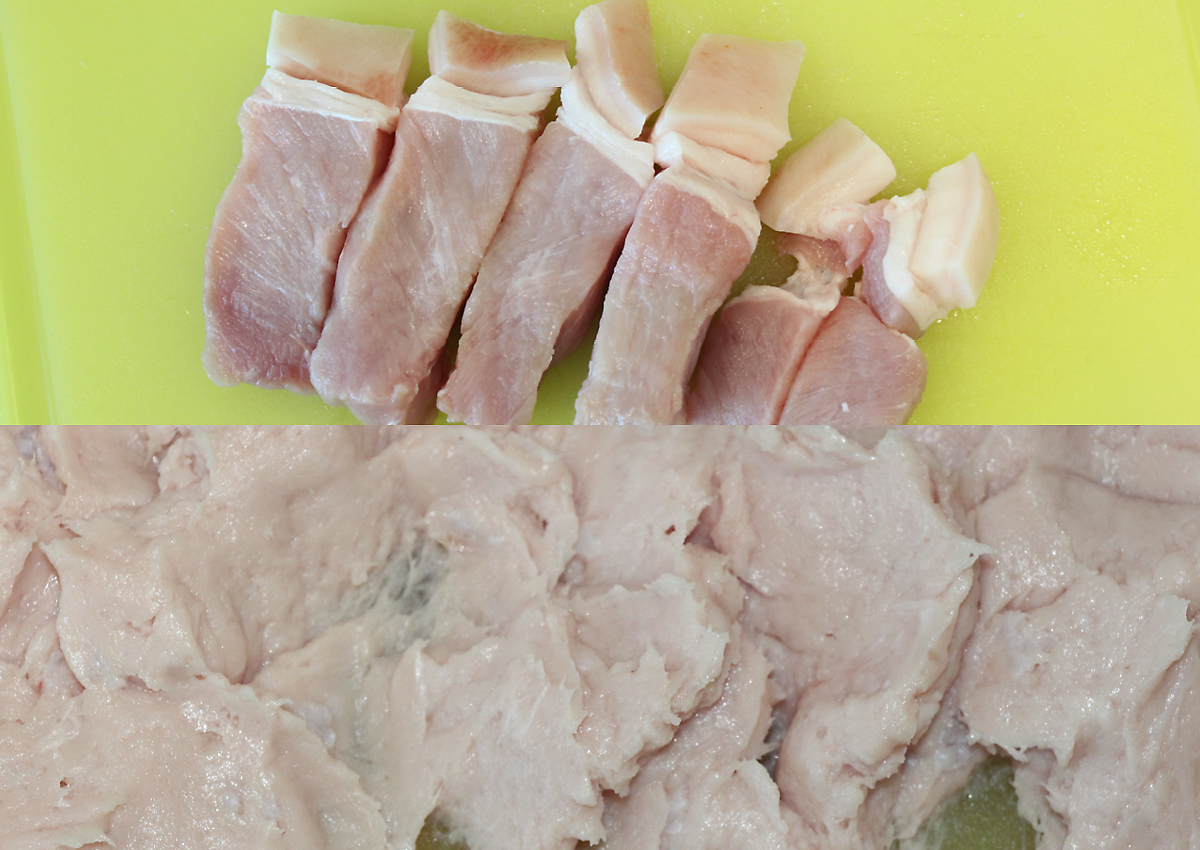
Tough sample materials like fatty, streaky bacon pose a challenge to the homogenization process prior to analysis. If larger parts of the rind or skin remain uncut, the sample is not homogeneous, and the analysis may yield false results. Knife mills have proven to be best suited for thoroughly homogenizing meat samples. A strong motor to make use of the full cutting capacity of the blades is beneficial. Serrated blade knifes are ideally suited for homogenizing tough meat samples in a very short time, due to an additional tearing effect which facilitates size reduction of the meat fibers. Short grinding times ensure low heat build-up. To obtain a completely homogenized sample (at room-temperature), the grinding process may require two or three steps.
250 g of pork shoulder is processed in a GRINDOMIX GM 200 with interval mode at 3000 rpm for 30 s, using a serrated blade knife. The first step is followed by two cycles of 30 s, each at 7000 rpm. Thorough homogenization of the sample is achieved after another 30 s at 10,000 rpm. The sample would bounce too much if the maximum speed was selected right from the start. Nonetheless, full speed is required at some point to achieve optimum results. It is also important to use a standard lid during the first step, as other lid types might put too much pressure on the sample. For the fine-grinding-step, a volume-reduction lid is beneficial to fully homogenize the sample. The material sticking to the grinding container wall above the blades needs to be removed from time to time and returned to the grinding process.
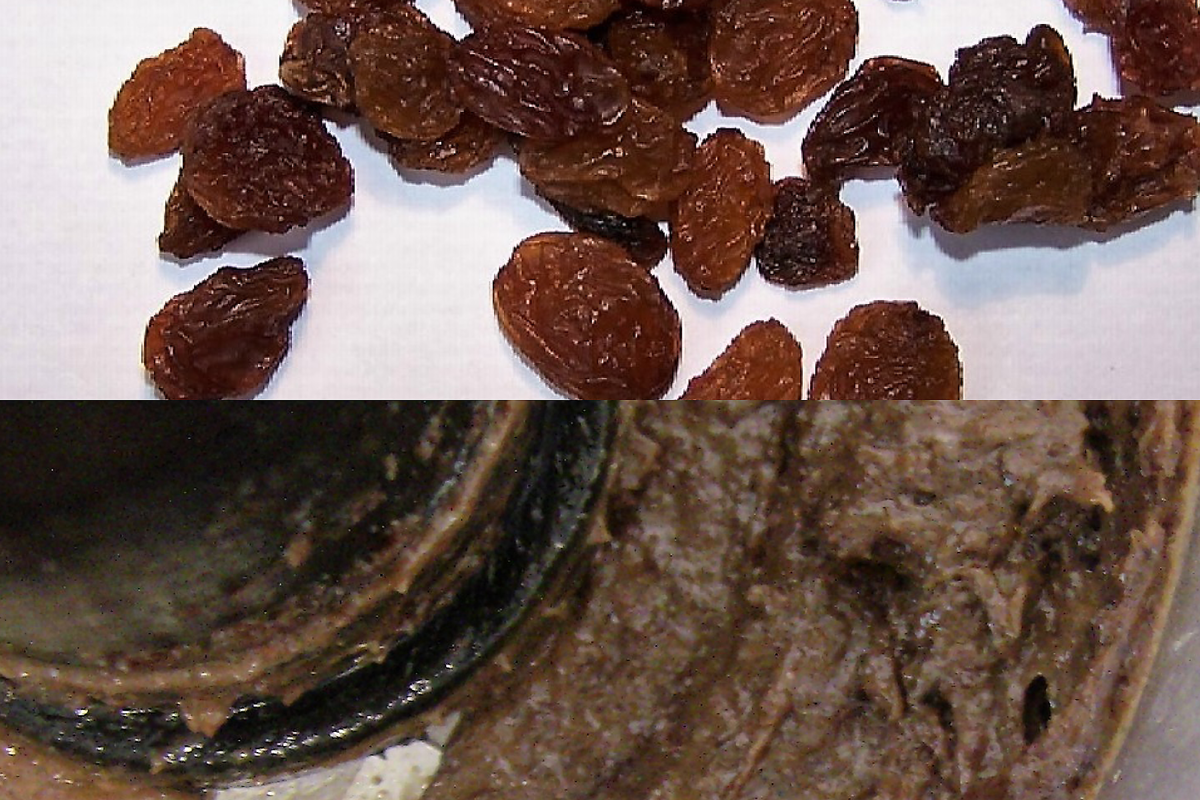
Cheese samples can also be tricky as they are fatty and sticky. 130 g sample were homogenized to < 0.5 mm in 2 x 10 s grinding steps at 10,000 rpm using the GM 200. It was important to employ the volume reduction lid 0.25 l to force the sample towards the blades. Between the grinding steps, the sample can be mixed manually with a spoon to loosen sticky parts. Samples like raisins are even more sticky than cheese, but 200 g can be homogenized in a similar way as described for the cheese sample within about 20 s.
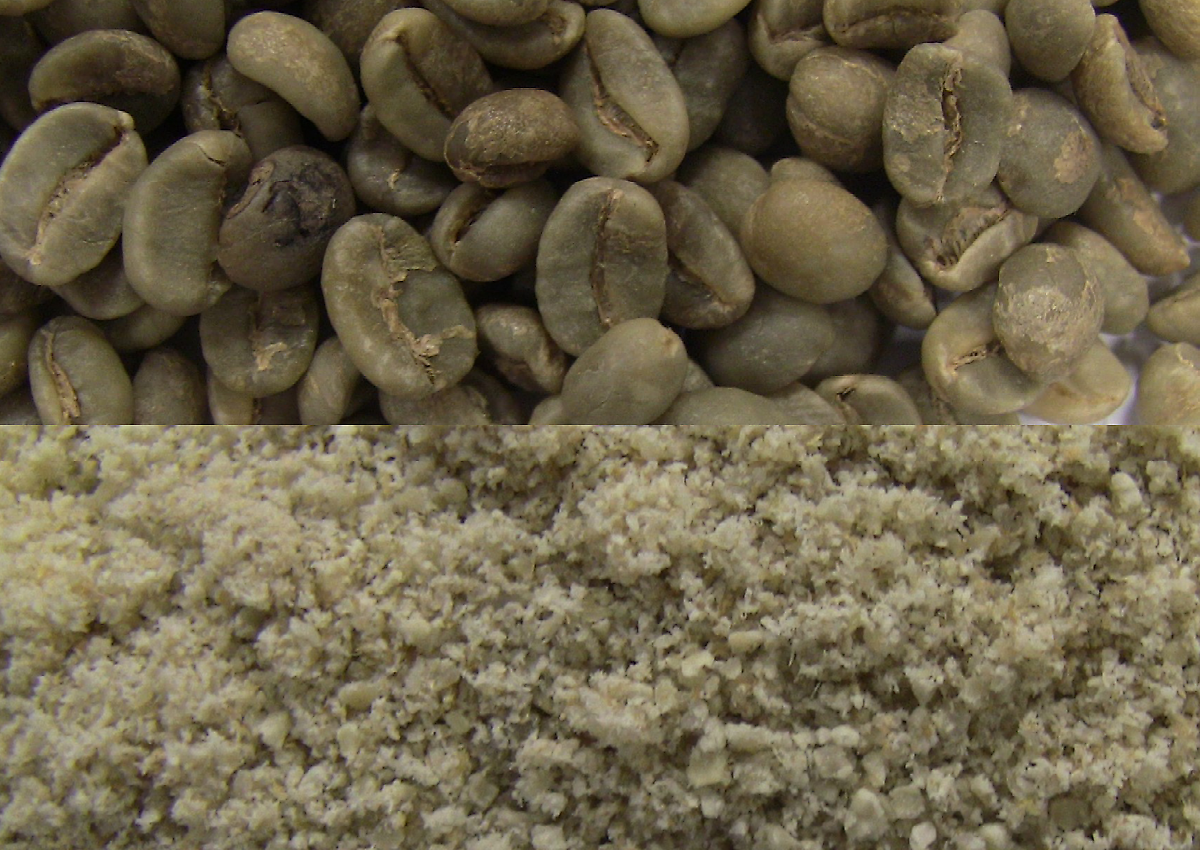
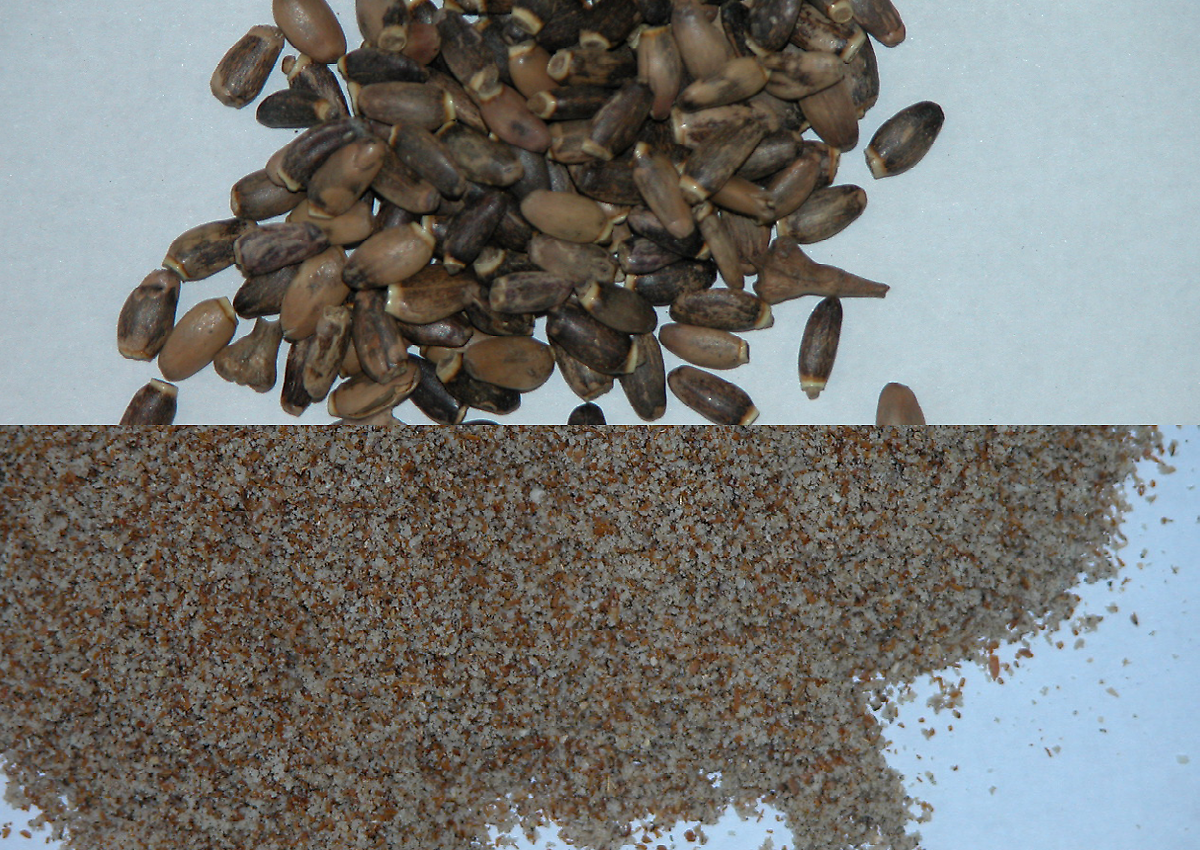
Free flowing samples like seeds or coffee, which are oily, can be processed in a knife mill, but usually a rotor mill like the ZM 300 is used to pulverize such samples. Distance sieves (or a distance rotor if the SR 300 is employed) help to minimize shearing effects and also fat release from the sample, which would cause agglomeration and blocking of the sieve. An aperture size of 0.5 mm or larger should be used for the same reasons. Reducing the speed can have a beneficial effect and lead to less warming and consequently to less fat release.
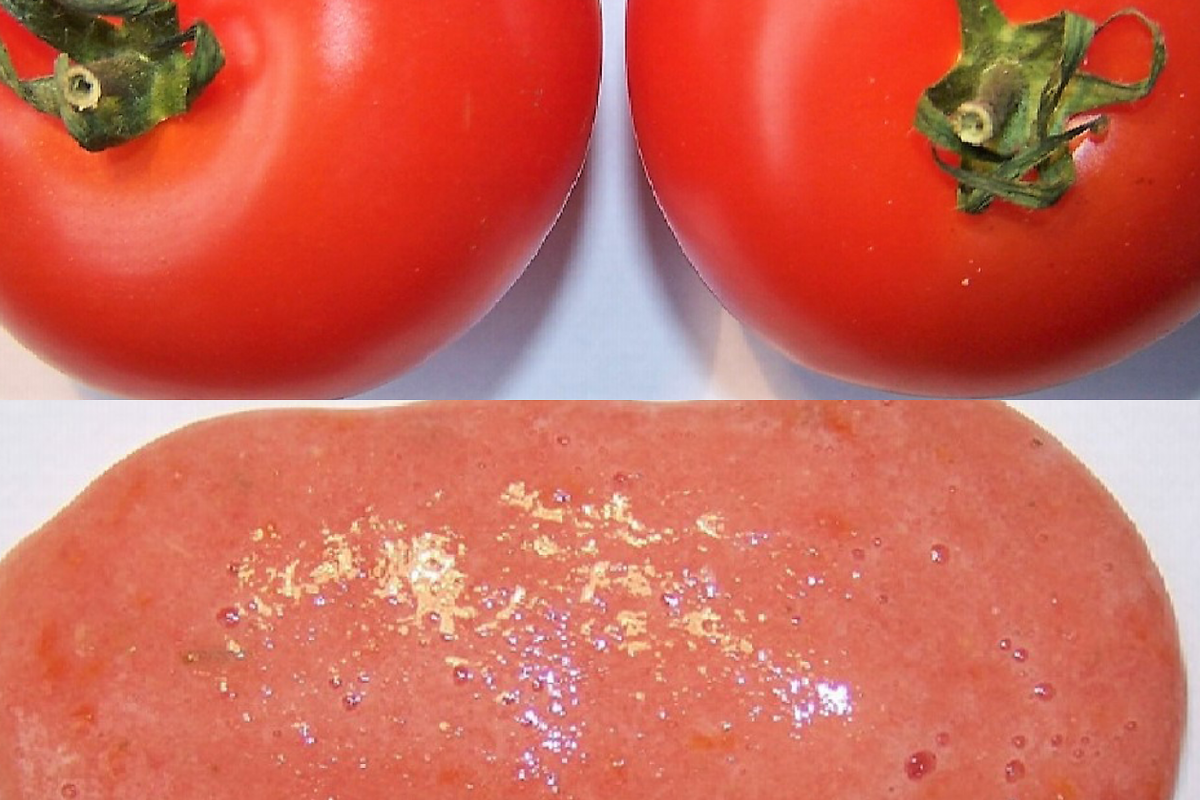
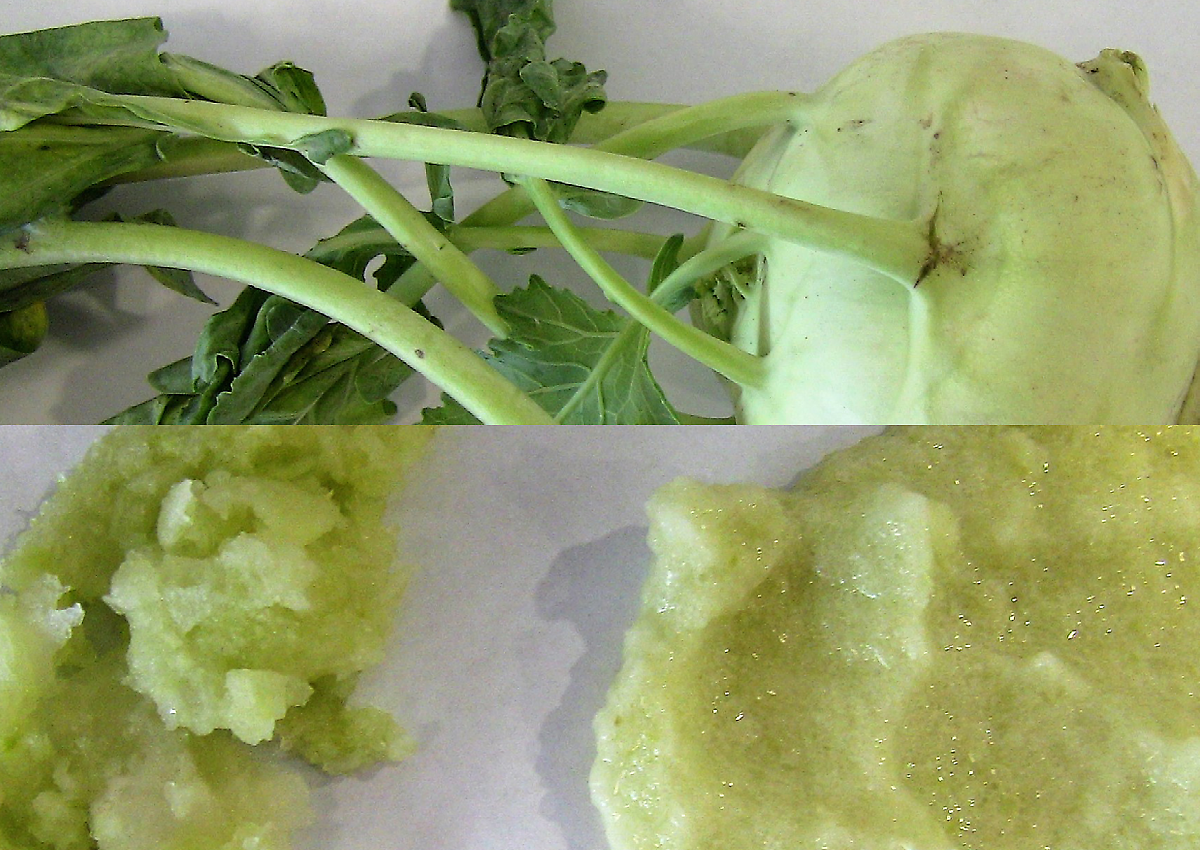
Vegetables often contain moisture (like stem cabbage) or even consist predominantly of water (like tomatoes). Processed products like noodle soup also contain a lot of water and are prepared similar to tomatoes. In the latter cases, complete homogenization is facilitated by the high water content, as sample pieces are too wet to stick on the walls of the grinding container in a GRINDOMIX GM 200 or GM 300 where they no longer come into contact with the rotating knifes. For example, 180 g tomatoes are homogenized in the GM 200 for 10 s, first at 4000 rpm, then 8000 rpm. The gravity lid with overflow channels reduces the volume of the grinding chamber, preventing the sample from spilling out. For larger sample portions up to 4.5 L the GM 300 is the perfect choice.
Samples like stem cabbage have a lower water content. The sample pieces tend to stick on the wall of the grinding container, thus evading contact with the knife blades. A few sample pieces may remain in the mostly homogeneous sample, even if maximum speed is used. Employing the gravity lid with overflow channels helps to improve the grinding effect, but full homogenization is often achieved by adding a bit of water to the sample. 280 g stem cabbage was cut manually in four pieces. Grinding was performed in two steps. It is recommended to use a low speed of 2000 rpm for the first 10 seconds. For fine grinding at 5000 rpm, 50 ml water was added to achieve a good homogeneity after 20 seconds. The gravity lid with overflow channels was used to ensure thorough homogenization. The interval mode during the fine grinding step improves mixing of the sample and thus increases grinding efficiency.
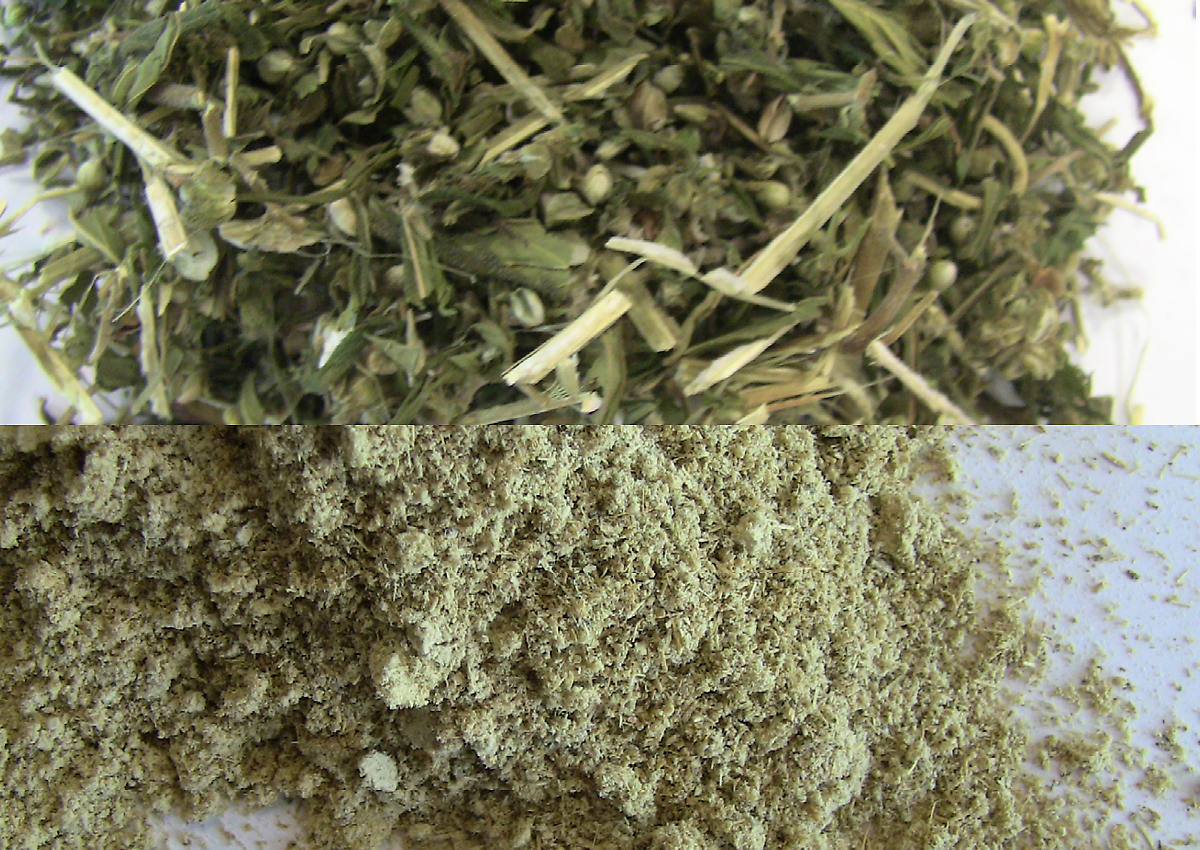
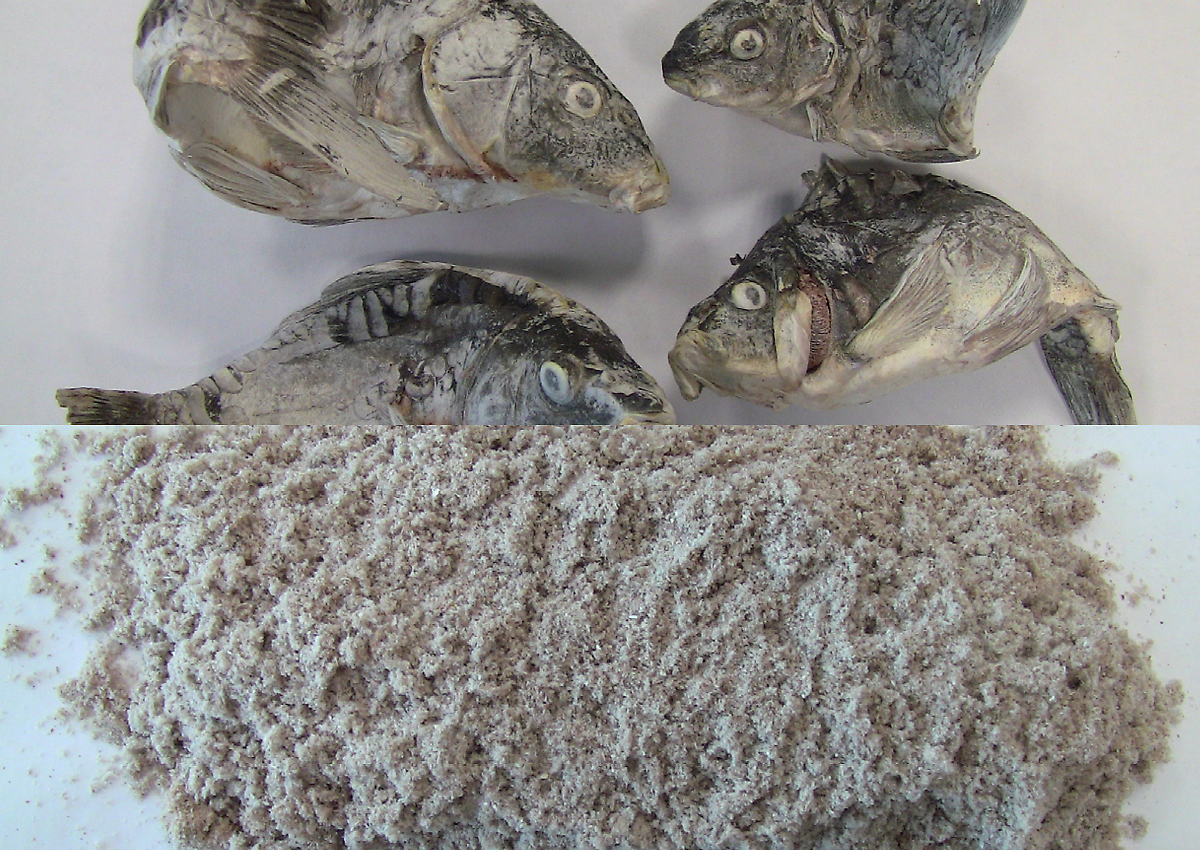
For fibrous samples such as dried herbs or other plant materials - but also freeze-dried fish, for example, - cutting effects are best suited to homogenize the samples. Usually, large sample amounts are required to ensure representative sample preparation, as fibrous materials tend to be light, voluminous materials and can be very heterogeneous. Sometimes manual pre-cutting is necessary to obtain a suitable sample size for feeding the cutting mill and avoid formation of nests and clusters which tend to remain in the hopper and are therefore not efficiently homogenized.
The Cutting Mill SM 100 is suitable for basic preliminary grinding, where the plant samples are effectively cut with a parallel section rotor. Usually, a fineness down to 4 to 6 mm can be easily achieved in a cutting mill. For obtaining particles < 1 mm, the use of a cyclone is recommended, for example in the SM 300. The Ultra Centrifugal Mill ZM 300 produces even finer particles but has the drawback of accepting smaller sample pieces. Thus, if large fibrous samples need to be homogenized to less than 0.5 mm, the combination of pre-cutting in a cutting mill followed by fine grinding in a ZM 300 is the best choice. A standard ring sieve rather than a distance sieve should be used in the ZM 300 as fibrous samples require shearing forces. Another solution might be a rotor mill like the SR 300 which accepts larger initial feed sizes and is capable to pulverize fibrous samples down to < 0.5 mm using the standard rotor which generates sufficient shearing forces.
A cyclone helps to improve the discharge of light sample materials from the grinding chamber. It also cools the sample to minimize loss of volatile ingredients such as terpenes. If volatile ingredients should be preserved, it is recommended not to use too fine bottom sieves – as this causes warming and thus loss of volatiles. Depending on the sample properties, the pulverized materials tends to remain fibrous, as long fibers may pass the bottom sieves of the cutting and rotor mills lengthwise. If this needs to be avoided, ball mills like the MM 400 or the PM 100 are a better choice.
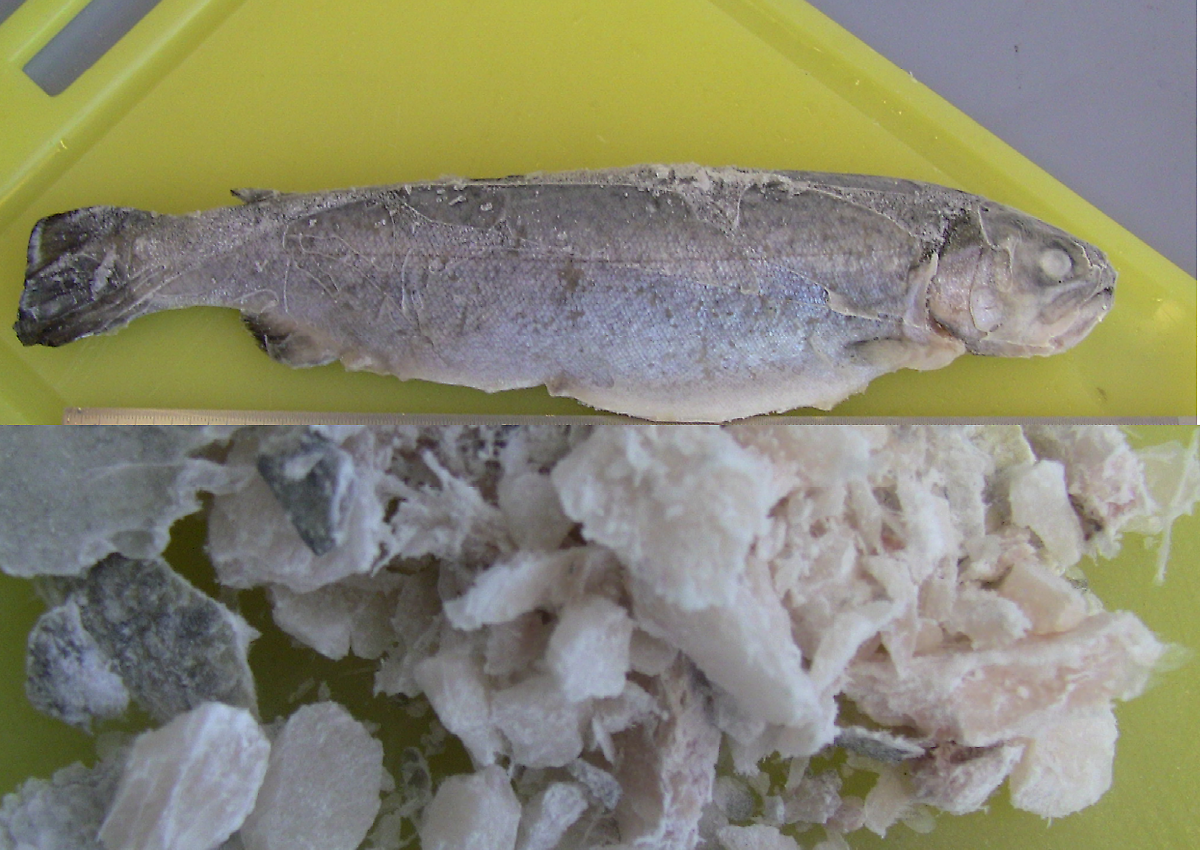
The feed size is the original particle size of the sample. For choosing a suitable mill, it makes a great difference whether large samples, like a whole fish, or small particles, such as grain kernels, are to be homogenized. The homogenization of a complete fish is a challenge; scales, skin and bones are fairly resistant to size reduction so that the sample still contains larger pieces after grinding in most mills (e. g. fresh fish in a knife mill). A high fat content makes the process more difficult, as fatty particles stick together to form large lumps which block the mill and keep the sample inhomogeneous. Freeze-drying the fish and grinding it in the Cutting Mill SM 300 help to solve the problem. 125 g (4 fishes, pre-cut once) of carp or turbot were pulverized in the SM 300 at a speed of 3,000 min-1, using a V-rotor which also cuts the scarp and fish bones. The cyclone was employed to cool the sample. After 2 min of grinding with a 0.75 mm bottom sieve, a particle size of 0.75 mm is obtained without significant heat-built-up.
Another example for large sample pieces is cocoa cake. 1 kg with sample pieces of up to 80 mm can be easily homogenized to a fineness < 10 mm in the Cutting Mill SM 300 using a 10 mm bottom sieve and the parallel section rotor at 1,500 rpm for 1 min.
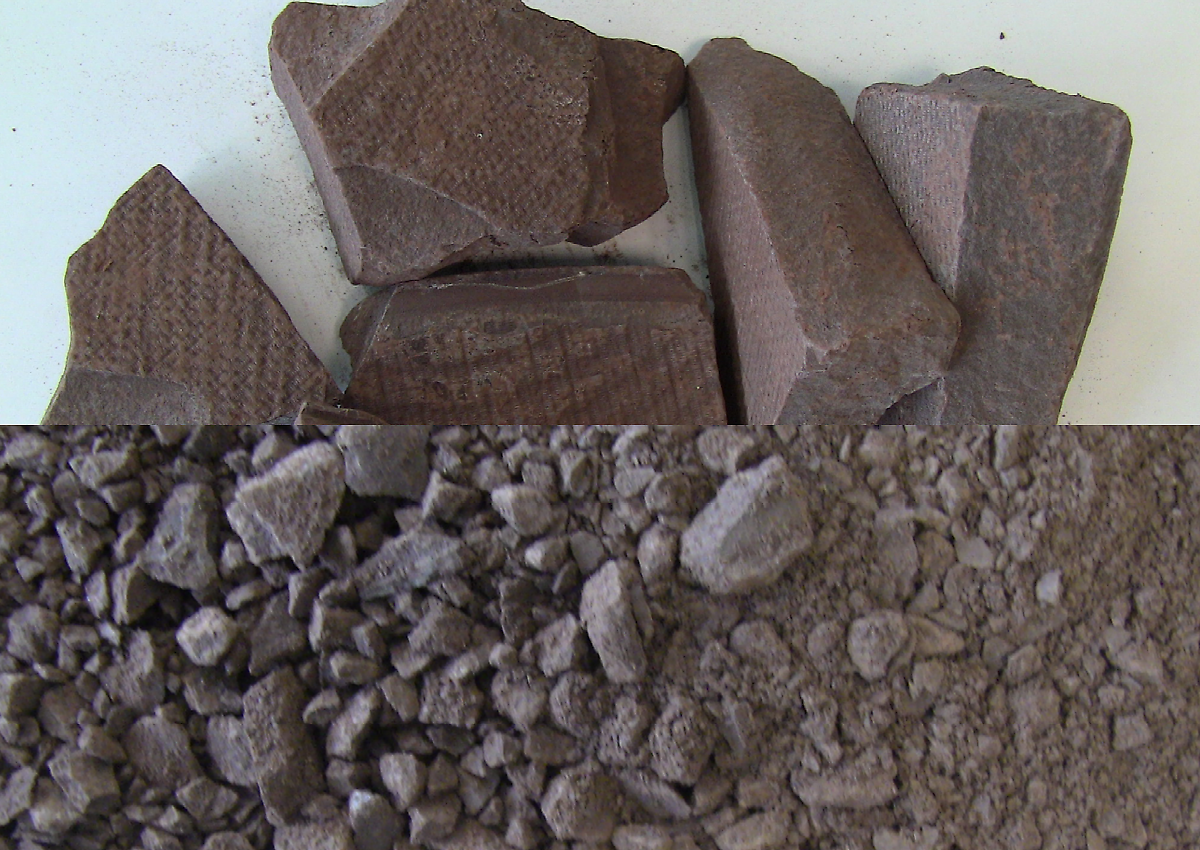
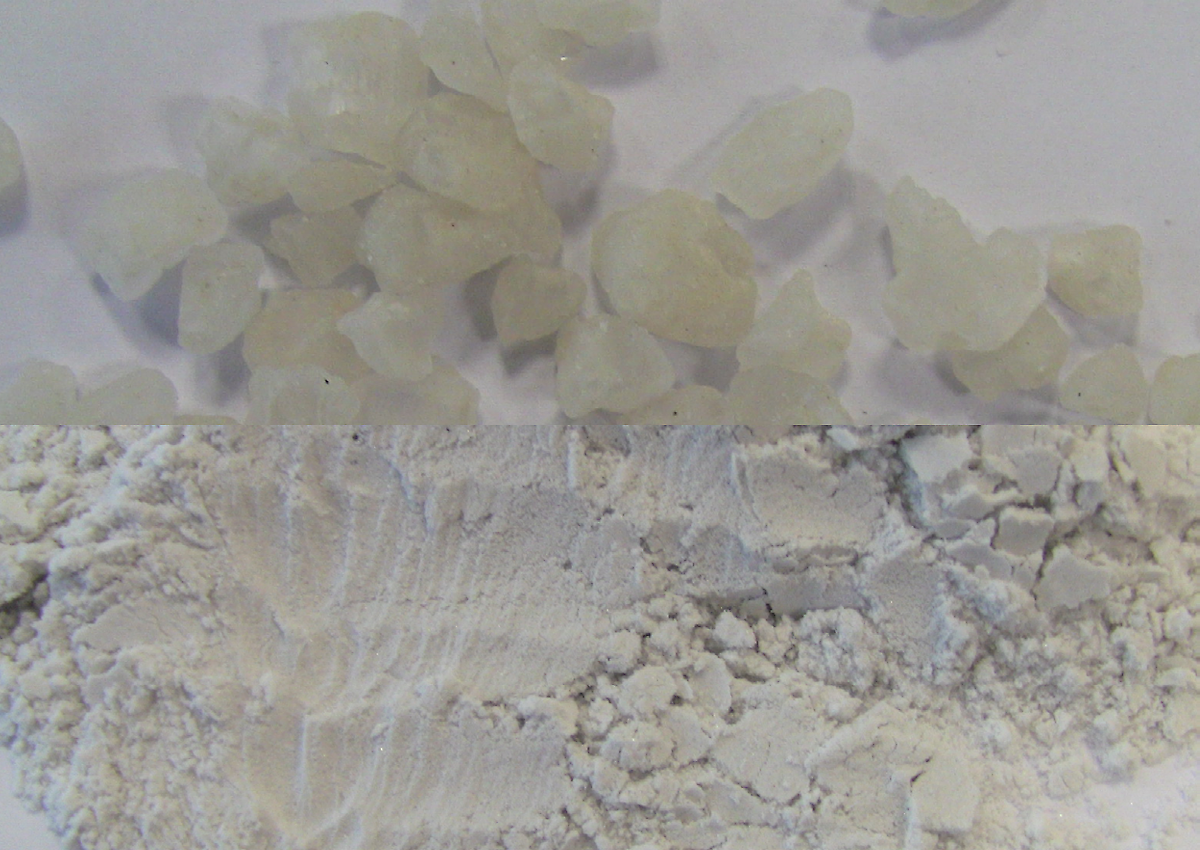
Rock salt not only consists of sodium chloride but may also contain other minerals and silicates. To analyze the composition of salt, the sample needs to be sufficiently homogenized, considering that larger lumps of rock salt are usually very inhomogeneous. The element concentrations in salt are typically very low so that quantities in the kilogram range are required for sample preparation. In principle, a cutting mill can cope with large quantities and sample pieces, but wear would have a much greater impact than in a rotor beater mill, as the cutting bars of the cutting mill are not designed to process large amounts of abrasive materials. With a rotor beater mill, charges of several kilograms can be pulverized easily. A distance rotor is recommended to reduce frictional heat. Thanks to a 5-L collecting vessel, 5 kg of sample with a feed size up to 25 mm is pulverized in one run at a speed of 10,000 rpm in the SR 300. The complete sample is reduced to a final fineness of <200 µm.
For some analyses, large sample amounts are required to detect traces of analytes or to find clusters, e.g. of mycotoxins or GMO. Mycotoxins are produced by fungi, which form clusters in a sample. Open systems with an inlet and outlet, like rotor mills, accept large feed quantities of bulk material and are therefore ideally suited for sample preparation prior to mycotoxin or GMO analysis.
The first step is the preliminary size reduction of a representative amount of, for example, 2 kg per ton of nuts with the Cutting Mill SM 100 to a particle size of 3 mm. The sample is then divided into representative sub-samples with the help of the Rotary Tube Divider PT 100 which provides a very high division accuracy.
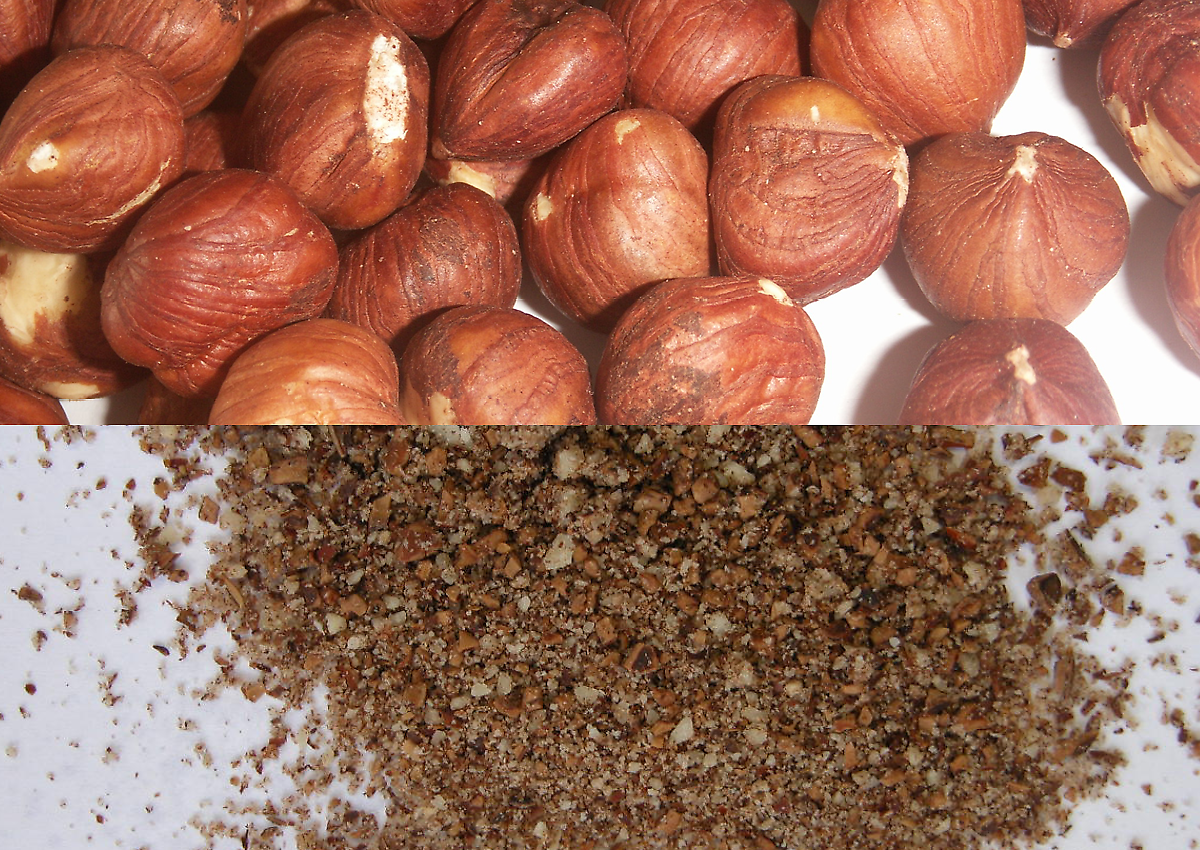
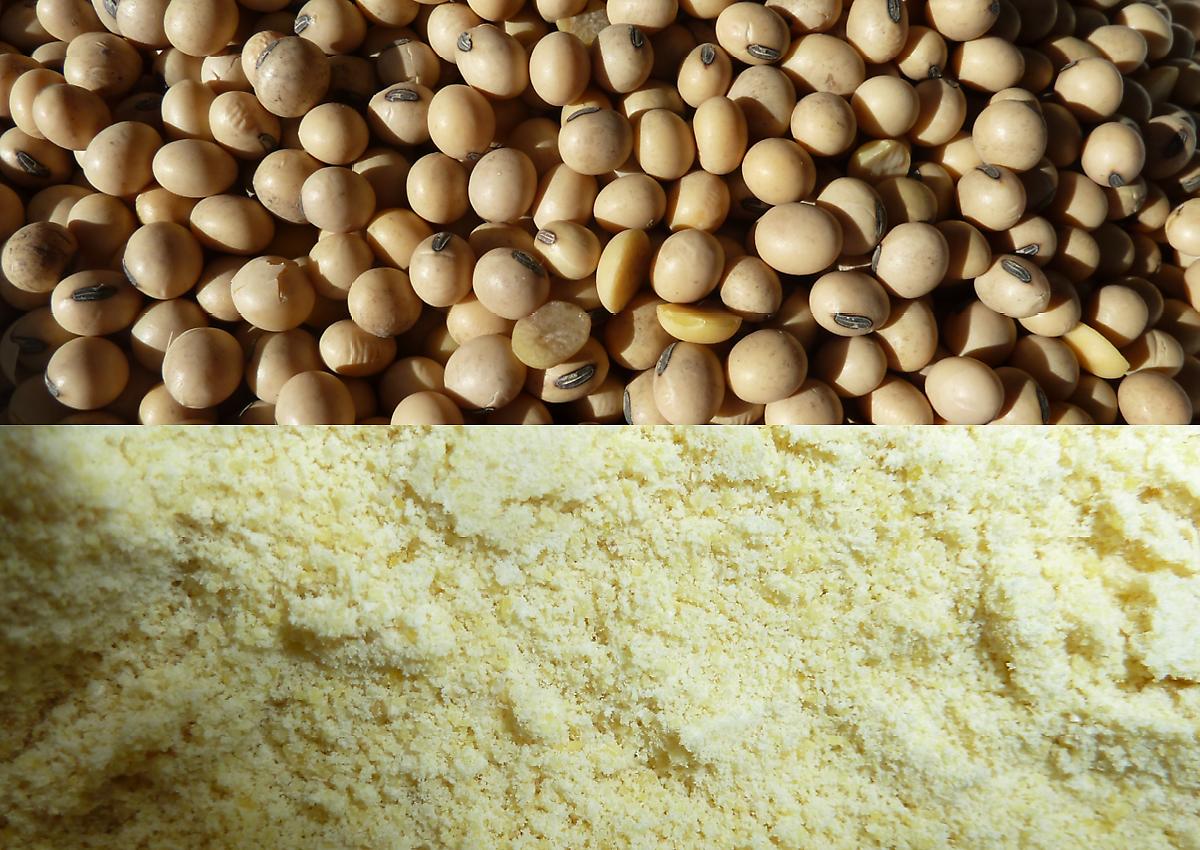
The subsequent fine size reduction is ideally carried out in the Ultra Centrifugal Mill ZM 300. For the processing of hazelnuts, the use of distance sieves is recommendable which have been specially developed for grinding temperature-sensitive, brittle materials. As mycotoxins are lipophilic, the grinding process should be as gentle as possible to avoid the release of fat from the sample. A cyclone helps to quickly discharge the sample from the grinding chamber and provides cooling by generating an air stream. A fineness of 300 µm is sufficient for the subsequent extraction of the mycotoxins from the sample. In the same way, soy beans can be processed.
If a sample is already fairly homogeneous or if the subsequent analysis deals with PCR, only small sample volumes are required. For this type of application, ball mills are often the ideal choice.
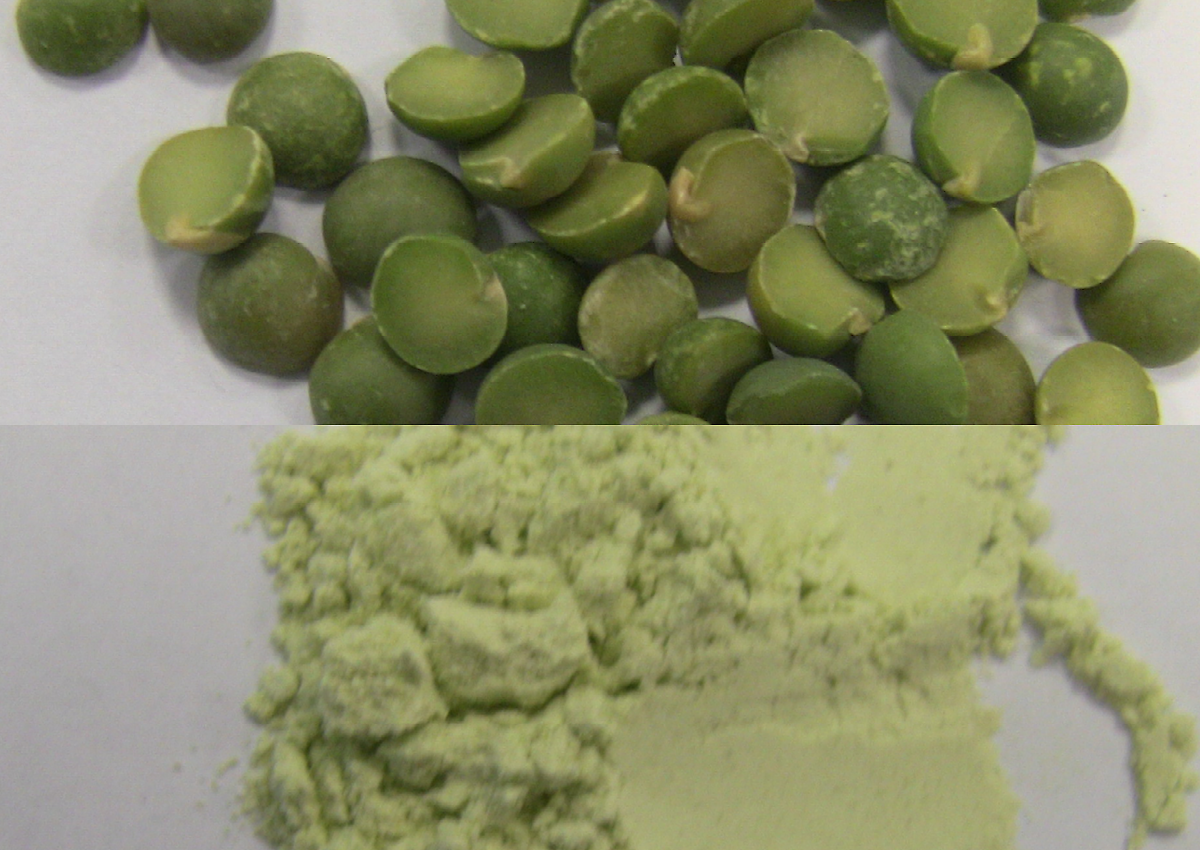
An allrounder like the Mixer Mill MM 400 features two grinding stations and accepts sample amounts up to 20 ml. It pulverizes, for example, 6.5 g dried peas to a fineness of 0.4 mm in 30 s using a 50 ml stainless steel grinding jar and 1 x 25 mm grinding ball.
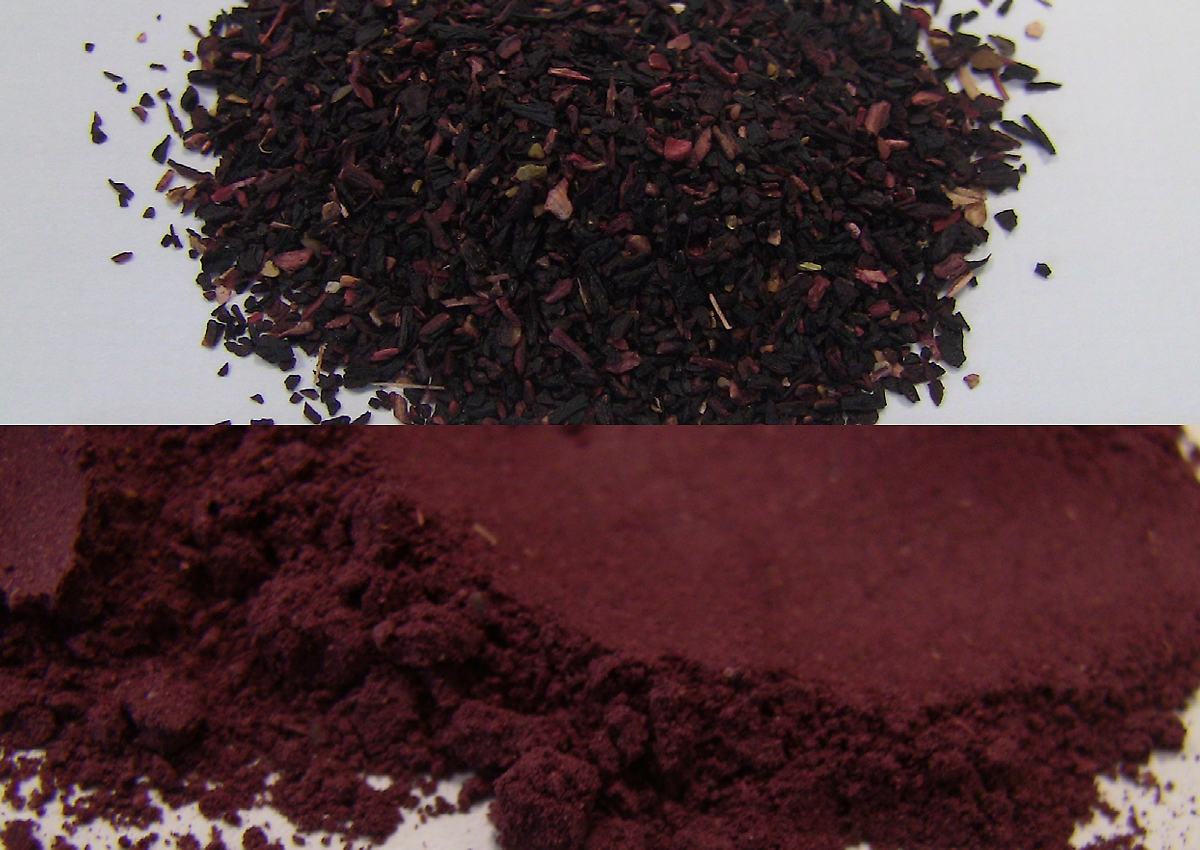
In a similar way, 8 g dried hibiscus is pulverized within 2 min to 100 µm. In 50 ml steel jars, usually a 25 ml ball is used. A rule of thumb is: the grinding ball needs to be three times larger than the biggest sample piece for efficient sample crushing. Therefore, a particle size of about 8 mm can only be effectively crushed in the 50 ml jar which leaves enough room for a 25 mm ball. The MM 400 also accommodates adapters, e.g. for single-use vials, to process samples with particle sizes of 3 mm max.
The MM 400 can be equipped with a variety of adapters, accepting, for example, 2 ml single-use vials, 2 ml steel vials or 5 ml steel jars. Thus, homogenization can be done in batches of 8 or 20 samples, which is a benefit for PCR analysis of, e.g., a single grain or pea. Here, 2 x 7 mm to 10 mm grinding balls made of steel or tungsten carbide are added to each tube. Single-use vials have the benefit of preventing cross contamination.
The Mixer Mill MM 500 vario allows for higher sample throughput thanks to 6 grinding stations for grinding jars or adapters. In total, 50 x 2 ml single-use tubes or stainless steel jars or 24 x 5 ml stainless steel jars can be used per batch.
Homogenization of food samples with the
Knife Mill GRINDOMIX GM 200
Homogenization of cannabis in seconds with the GM 200
Product video
Ultra Centrifugal Mill ZM 300
Milling of flower buds with the
Ultra Centrifugal Mill ZM 200
Grinding moist or wet samples is best done with knife mills to avoid blockage and material loss. Cooling sample materials improves breaking behavior and allows for easier pulverization of soft, tough, sticky, and fatty foods. It is also recommended to preserve volatile ingredients such as terpenes. Cryogenic grinding using liquid nitrogen or dry ice is effective, but care must be taken with materials that must not become moist and cooling agents should not be used in closed grinding tools. Cryogenic grinding can be performed in knife mills, rotor mills or balls mills. Usually, a full pulverization of fatty/sticky materials is only possible with cryogenic grinding.
Even chocolate, which turns into paste when processed at room temperature, can be successfully pulverized cryogenically. The sample is mixed with dry ice in a ratio of 1:2; after a few minutes, it is thoroughly cooled and the grinding process starts. The dry ice keeps the sample cool all the time. Care should be taken not to use any plastic accessories when carrying out cryogenic grinding in the knife mills as these could be damaged during the process. Suitable accessories include a grinding container of stainless steel, a full metal knife, and a lid with aperture to allow evaporation of the gaseous carbon dioxide.
Another way is to grind deeply frozen samples coming from a -20°C fridge or from a bath with liquid nitrogen. The direct use of LN2 is not recommended as the knife mills are not designed for temperatures as low as −196°C. It is ok though if only a few drops of the cooling agent fall into the grinding container when the sample is filled in. The full metal knife and the steel container should be used in such cases, also to minimize wear.
Usually, cryogenic grinding is performed indirectly in mixer mills by using LN2 as cooling agent. It is important to fill the jar first with the grinding ball(s) and with the sample and close it tightly before embrittling. Care must be taken that no liquid nitrogen is enclosed in the grinding jars because the evaporation would result in a considerable pressure increase inside the jar. In the MM 400, the MM 500 vario or MM 500 nano, the closed grinding jars, and thus the sample, are embrittled in an LN2 bath for 2–3 min. Suitable grinding jars for cryogenic grinding are made of steel or PTFE; it is not recommended to use jars made of different materials. This is important, because two different materials may react differently to an extreme temperature of −196°C which may lead to damages of the jar. Steel vials of 2 mL or 5 mL are also available for cryogenic grinding.
Due to the high-energy input and the resulting frictional heat, the grinding process should not take longer than 2 min to prevent the sample from warming up and to preserve its breaking properties. If longer grinding times are required, these should be interrupted by intermediate cooling of the closed grinding jars.
In the CryoMill or the MM 500 control, the cooling with LN2 is done automatically. Thus, a consistent negative temperature (-196°C CryoMill, down to -100°C MM 500 control) is guaranteed even for long grinding times without the need for intermediate cooling breaks. Moreover, care should be taken that the user comes at no point into contact with liquid nitrogen. For heavy-metal-free grinding, a zirconium oxide grinding jar should be used in the CryoMill. The MM 500 control can also be utilized with zirconium and tungsten carbide jars, as the temperatures are not that low compared to the CryoMill and cooling appears much slower than immersing the jars in an LN2 bath.
Ultra centrifugal mills like the ZM 300 accept larger sample volumes than mixer mills. The sample is directly immersed into a container filled with LN2 before being continuously but slowly fed to the hopper of the mill with a steel spoon. When using dry ice as grinding aid, this is mixed with the sample and the entire mixture is then pulverized. Using a cassette in combination with a cyclone is recommended for cryogenic grinding to ensure that the evaporating cooling agent is completely discharged during the process. For samples smaller than 1 mm, dry ice rather than liquid nitrogen should be used for cooling, as it is much easier to transfer a dry ice-sample mixture to the mill than to fish the sample with a spoon from the LN2 bath. If the sample has a low thermal capacity, dry ice is also preferable as it cools the sample during grinding. In rotor mills, cryogenic pulverization should be carried out at maximum speed.
Cutting mills like the SM 300 are particularly suitable for processing larger feed sizes than ultra centrifugal mills or knife mills. The use of both liquid nitrogen and dry ice are possible. The embrittled sample material is rather hard; therefore, the use of the six-disc rotor is recommended as it works more like a shredder. It is also suitable to pre-cut heterogeneous samples such as frozen chicken parts including bones. The reduced speed of 700 rpm of the SM 300 as well as the motor peak power of 20 kW are beneficial to crush the large frozen sample pieces. Only bottom sieves with apertures >10 mm should be used in order not to warm the sample.
Cryogenic grinding with the
Knife Mill GRINDOMIX GM 200
Cryogenic grinding with the
Knife Mill GRINDOMIX GM 300
Cryogenic grinding with the
Mixer Mill MM 400
Cryogenic grinding with the CryoMill
GrindControl zapewnia wgląd w czasie rzeczywistym w procesy zachodzące wewnątrz naczynia mielącego. Ciśnienie i temperatura są monitorowane w sposób ciągły — co gwarantuje bezpieczną i precyzyjną kontrolę, nawet w przypadku materiałów wrażliwych lub reaktywnych. Umożliwia natychmiastową reakcję na nieoczekiwane wzrosty ciśnienia oraz stałą kontrolę próbek wrażliwych na temperaturę, a także reakcji mechanochemicznych.
GrindControl w skrócie
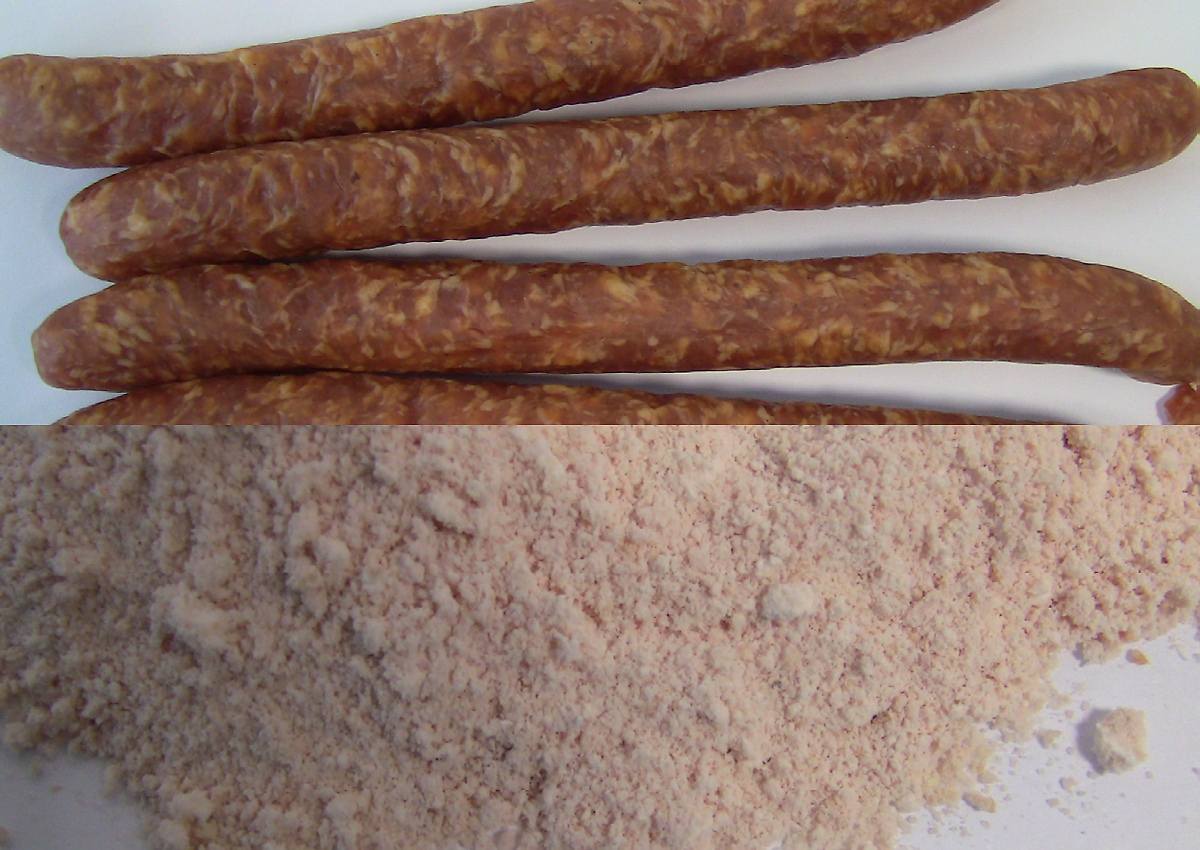
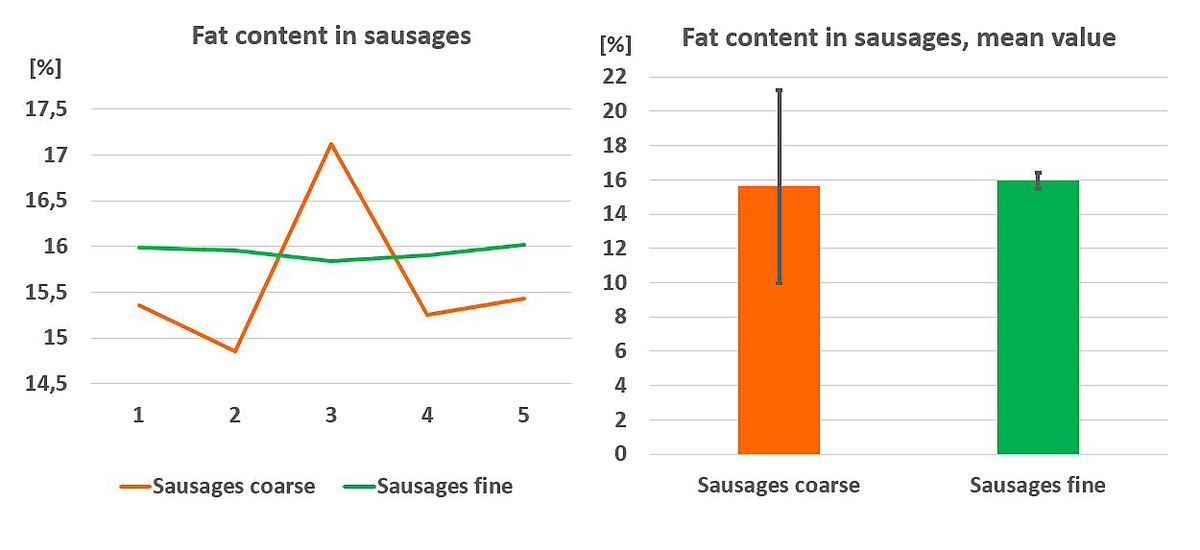
Sample homogenization ensures reproducible results. The standard deviation in roughly ground samples typically shows greater variations than in thoroughly pulverized samples. This can be seen in the following example: A sausage sample with 4-5 mm particles and a homogenized sample with particles <0.5 mm were analyzed for their fat content five times in a row by microwave-induced drying combined with NMR spectroscopy. For each measurement, 4 g sample were dried in 2.5 min and analyzed within 1 min. The fat content of the coarse sausage samples varies more than that of the finer samples. The fat content of the first fraction was measured in a range from 14.85 % to 17.12 % with a standard deviation of 0.88 %. The SD was reduced more than 10-fold to 0.07 % in the homogenized sample, with a fat content ranging from 15.84 % to 16.02 % (relative standard deviation reduced from 5.63 % to 0.45 %).
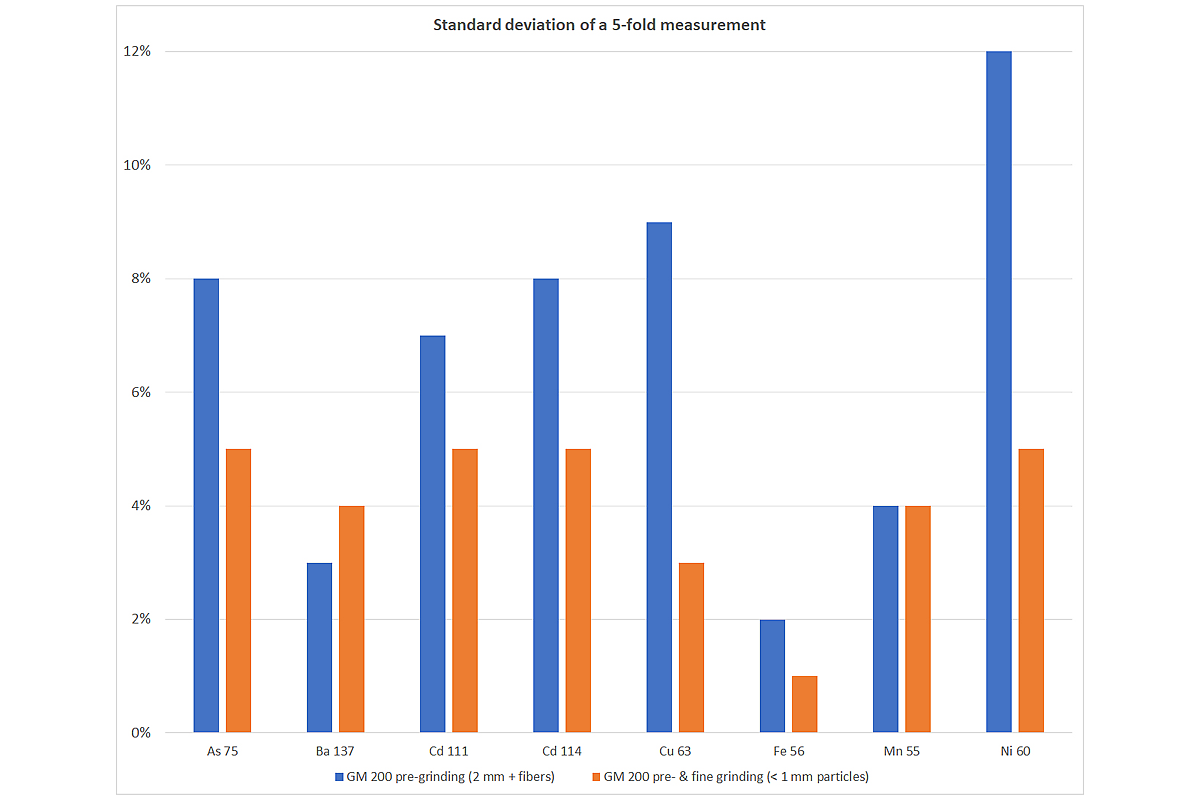
A similar effect is shown for the big four heavy metals. If a tea sample is ground to a particle size of 2 mm (including longer fibers), the standard variation is greater than in more homogeneous samples with particles <1 mm and without fibers. In the finely ground sample, the standard deviation lies between 1% and 5%, in the coarser sample it ranges from 2% to 12%. Thus, the extra time required for homogenization pays off by ensuring reliable and reproducible results.
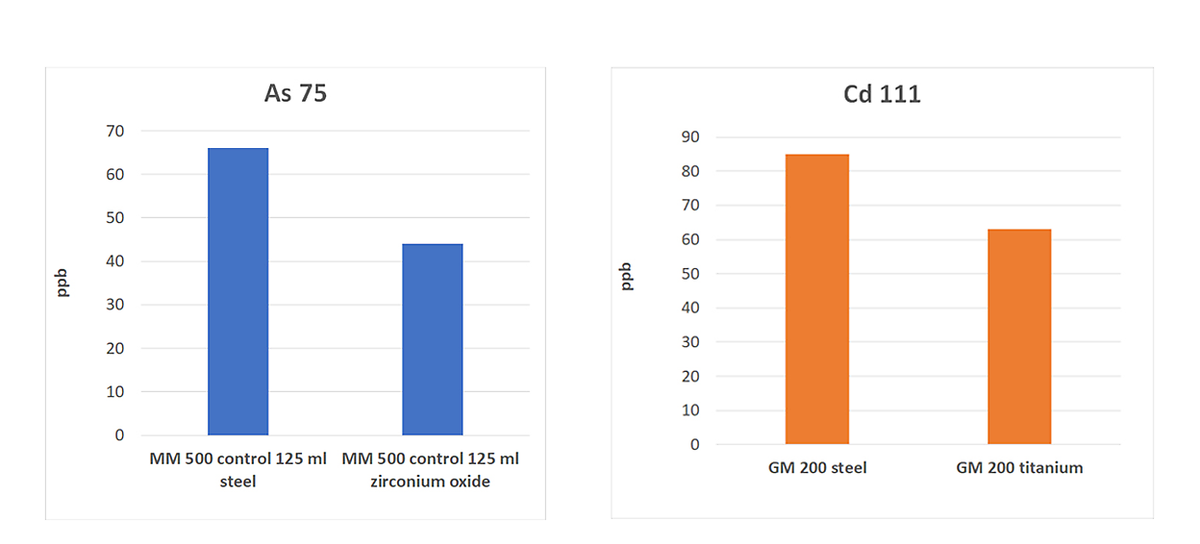
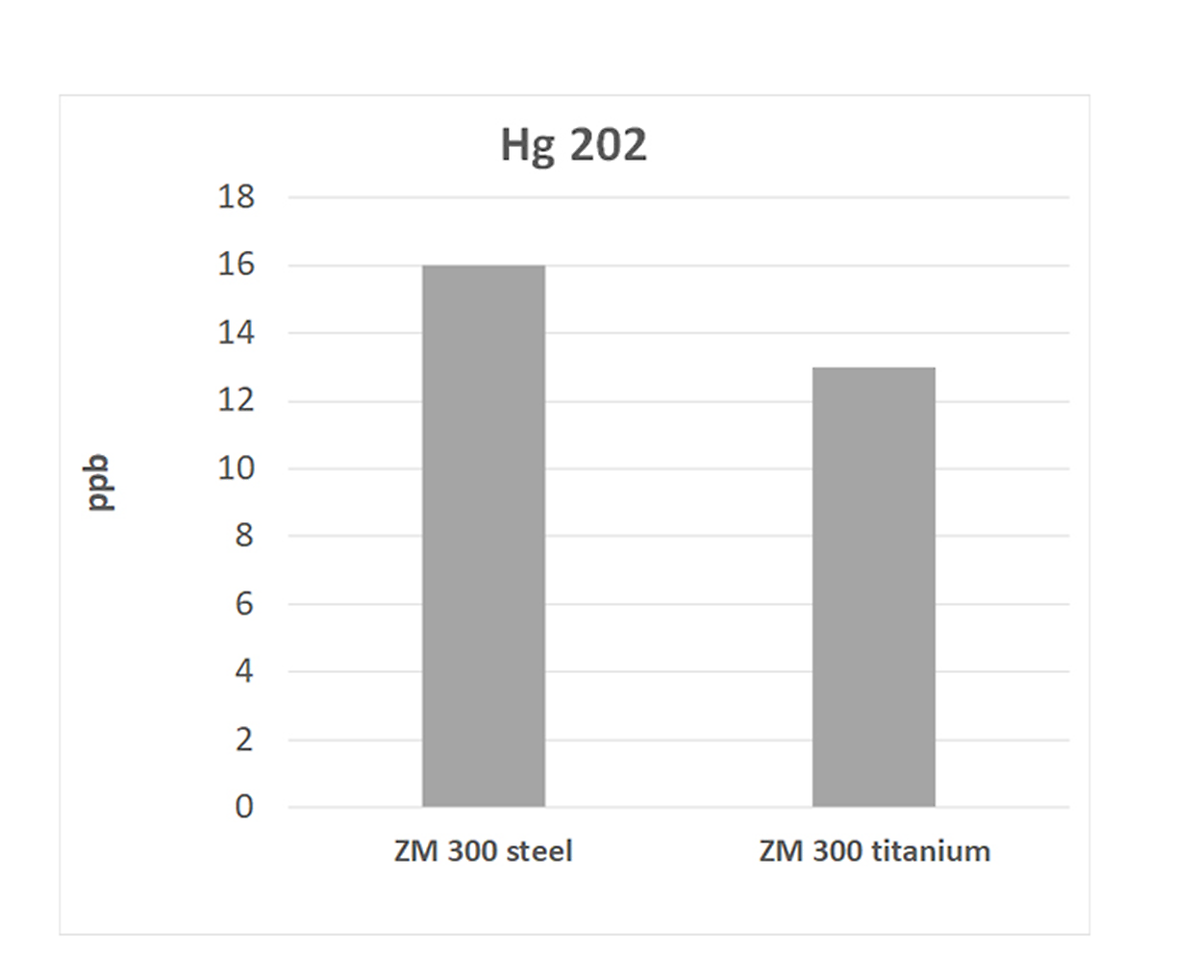
Mechanical size reduction leads to abrasion which may influence the subsequent analysis. When selecting grinding tools for food analysis, the influence of the material of the grinding tools needs to be considered. Grinding tools are available in different materials, depending on the type of mill. Consequently, traces of materials like steel or zirconium oxide may be found in the sample. Some analyses, such as the determination of fat content, are not affected by traces of iron and chromium from steel abrasion. However, if the heavy metal content is the object of investigation, abrasion from steel equipment may lead to falsified results. In this case, using tools made of a neutral material like titanium or zirconium oxide is more advisable.
NIR is a common analytical method for the simultaneous determination of protein content, moisture, fat, and ash. Therefore, it is used whenever high-sample throughput and great flexibility are required. A much-discussed issue is the necessity of sample preparation. What are the advantages of sample preparation before NIR analysis? The penetration depth of NIR radiation is 1 mm maximum, so everything that lies beneath cannot be detected. That is not a problem if the sample is completely homogeneous, but if a sample consists of different layers, like grains or seeds, then only the layers down to 1 mm are analyzed and are consequently overrepresented in the measurement results. This especially falsifies the ash and fiber content, if the sample is not homogenized prior to analysis.
The Cyclone Mill TWISTER is suitable for processing a variety of different non-fatty materials such as wheat which is ideal for NIR analysis requirements. The quick exchange of sample bottles is beneficial for high sample throughput with minimized cleaning effort.
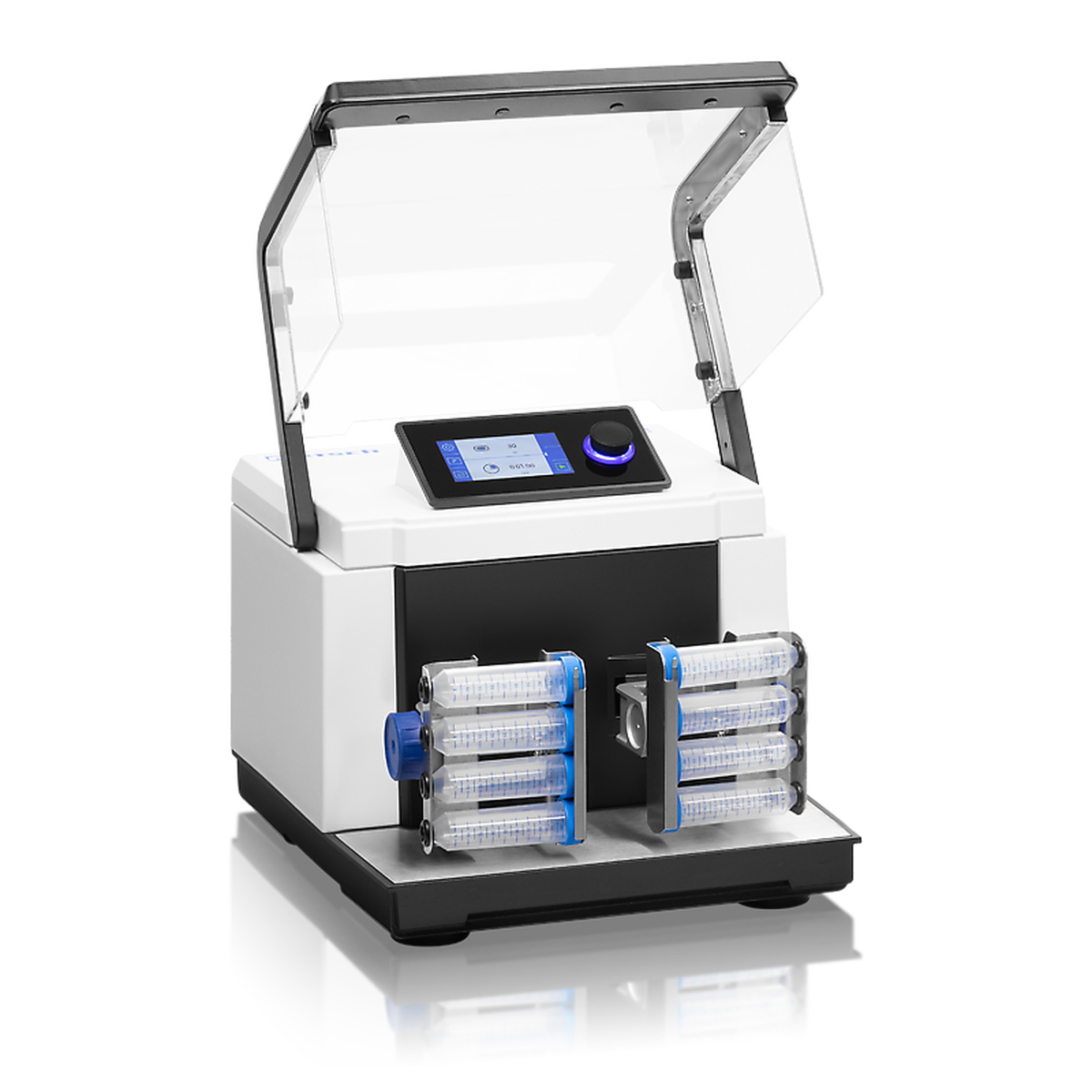
QuEChERS (Quick, Easy, Cheap, Effective, Rugged, and Safe) is a sample preparation method used for the extraction and cleanup of pesticide residues in food and agricultural products to provide a simple, fast, and cost-effective method for the analysis of multiple pesticide residues in fruits and vegetables. The procedure involves sample extraction with an organic solvent, followed by the addition of salts to induce phase separation and cleanup of the extract. The extract is then analyzed by chromatographic techniques such as gas chromatography or liquid chromatography coupled with mass spectrometry. The Mixer Mill MM 400 is suitable to be used in the QECHERS extraction of pesticides. The pulverized sample and Acetonitrile and other additives are placed in 50 ml centrifugal tubes. Eight of them are automatically shaken in the MM 400, which is much more reproducible than doing this manually. After only 3 minutes, the pesticides are extracted.
Sieve analysis is a widely used method to determine the particle size distribution of grainy samples. For the incoming inspection of cereal flakes the fines and dust fractions are particularly important, as these have a negative effect on the mixing and packaging process of muesli. The dust fraction consists of particles <500 microns and prevents tight sealing of the packaging by sticking to the welding seam. Another negative effect occurs during the production of so-called ‘crunchy’ cereals. Crunchies are crisply baked cereal flakes; by adding honey, for example, the ingredients are formed into a compact mass and are then baked. The higher the dust fraction, the crumblier and more finely pored their consistency becomes. Separating the flakes into individual fractions by sieve analysis mitigates these negative effects on the product quality by allowing reliable quality assessment.
Quality control of cereal flakes with sieve shaker AS 200 control. Test sieves: 200 x 50 mm; mesh size: 500 µm - 4 mm; amplitude: 1 mm; time: 5 min
The particle size can have a direct impact on the taste of food and beverages. High-quality chocolate, for example, requires a specific grain size with a uniform particle size distribution.
Another example for the importance of particle size is coffee. Achieving optimal extraction of ingredients from ground coffee is crucial for preparing coffee, with the grind size significantly influencing the extraction rate and time. If the grind size is not properly matched with the brewing duration and temperature, the coffee may become over-extracted, leading to a bitter taste from excessive dissolved components, or under-extracted, resulting in a weak aroma and watery taste. Thus, the balance between grind size, brewing time, and temperature is key to the quality of the coffee. By reliably determining the particle size, a reproducible grind can be achieved for the respective preparation process, resulting in a great-tasting coffee with balanced aromas.
Quality control of coffee powder with air jet sieving machine AS 200 jet.
Test sieves: 200 x 50 mm; mesh size: 0.125 mm / 0.315 mm / 0.5 mm; nozzle speed: 55 rpm; time: 3 min each sieve
Zgodnie z naszą główną ideą, jaką jest UMOŻLIWIENIE POSTĘPU, Verder Scientific jest w stanie wspierać badania i rozwój, kontrolę jakości oraz produkcję na małą skalę w sektorze produktów spożywczych i napojów. W ramach naszej grupy łączymy wiedzę specjalistyczną pięciu uznanych projektantów i producentów sprzętu laboratoryjnego: CARBOLITE, ELTRA, RETSCH, MICROTRAC oraz ERWEKA to liderzy w swoich dziedzinach, obejmujących obróbkę cieplną, analizę elementarną, mielenie i przesiewanie, charakterystykę cząstek oraz testy farmaceutyczne.
Produkty RETSCH są dostępne oraz serwisowane dzięki międzynarodowej sieci naszych spółek córek oraz gruntownie przeszkolonych firm dystrybucyjnych. Nasi pracownicy z przyjemnością pomogą w związku z każdym zapytaniem dotyczącym sprzętu Retsch.
Do homogenizacji próbek żywności najlepiej nadają się młyny laboratoryjne: nożowe, z rotorem, tnące oraz kulowe. Każdy z tych typów ma swoje zalety, które należy dobrać w zależności od charakterystyki próbki. Młyny nożowe i tnące sprawdzają się szczególnie przy dużych, twardych lub włóknistych materiałach, natomiast młyny z rotorem i kulowe umożliwiają efektywne rozdrabnianie próbek twardych, kruchych lub miękkich. W przypadku składników tłustych, wilgotnych lub lotnych kluczowe jest zastosowanie młyna umożliwiającego chłodzenie lub pracę w warunkach kriogenicznych, aby zapobiec zmianom właściwości próbki. Właściwy dobór młyna pozwala ograniczyć różnice w wielkości cząstek, co przekłada się na dokładne i powtarzalne wyniki analiz.
Mielenie kriogeniczne jest zalecane w przypadku miękkich, elastycznych, lepkich lub tłustych produktów spożywczych, a także wtedy, gdy istotne jest zachowanie składników lotnych, takich jak terpeny. Metoda ta jest szczególnie skuteczna dla materiałów takich jak czekolada, która w temperaturze pokojowej może ulegać uplastycznieniu i tworzyć pastę. W procesie kriogenicznym stosuje się ciekły azot lub suchy lód, aby utrzymać niską temperaturę próbki, co umożliwia pełne i efektywne rozdrabnianie nawet trudnych
W metodzie QuEChERS, stosowanej do ekstrakcji pozostałości pestycydów z żywności i produktów rolnych, młyny miksujące są wykorzystywane do rozdrabniania próbki z acetonitrylem i odpowiednimi dodatkami w 50‑ml probówkach wirówkowych. Model MM 400 umożliwia jednoczesne wytrząsanie do ośmiu probówek, zapewniając znacznie lepszą powtarzalność procesu ekstrakcji w porównaniu z wytrząsaniem ręcznym. Już w ciągu 3 minut następuje ekstrakcja pestycydów, a próbka jest gotowa do dalszej analizy metodami chromatograficznymi. Zastosowanie młyna MM 400 w metodzie QuEChERS gwarantuje szybkie, niezawodne i standaryzowane przygotowanie próbek do oznaczania pozostałości pestycydów.