





Retsch solutions for Pharma and Medtech industry
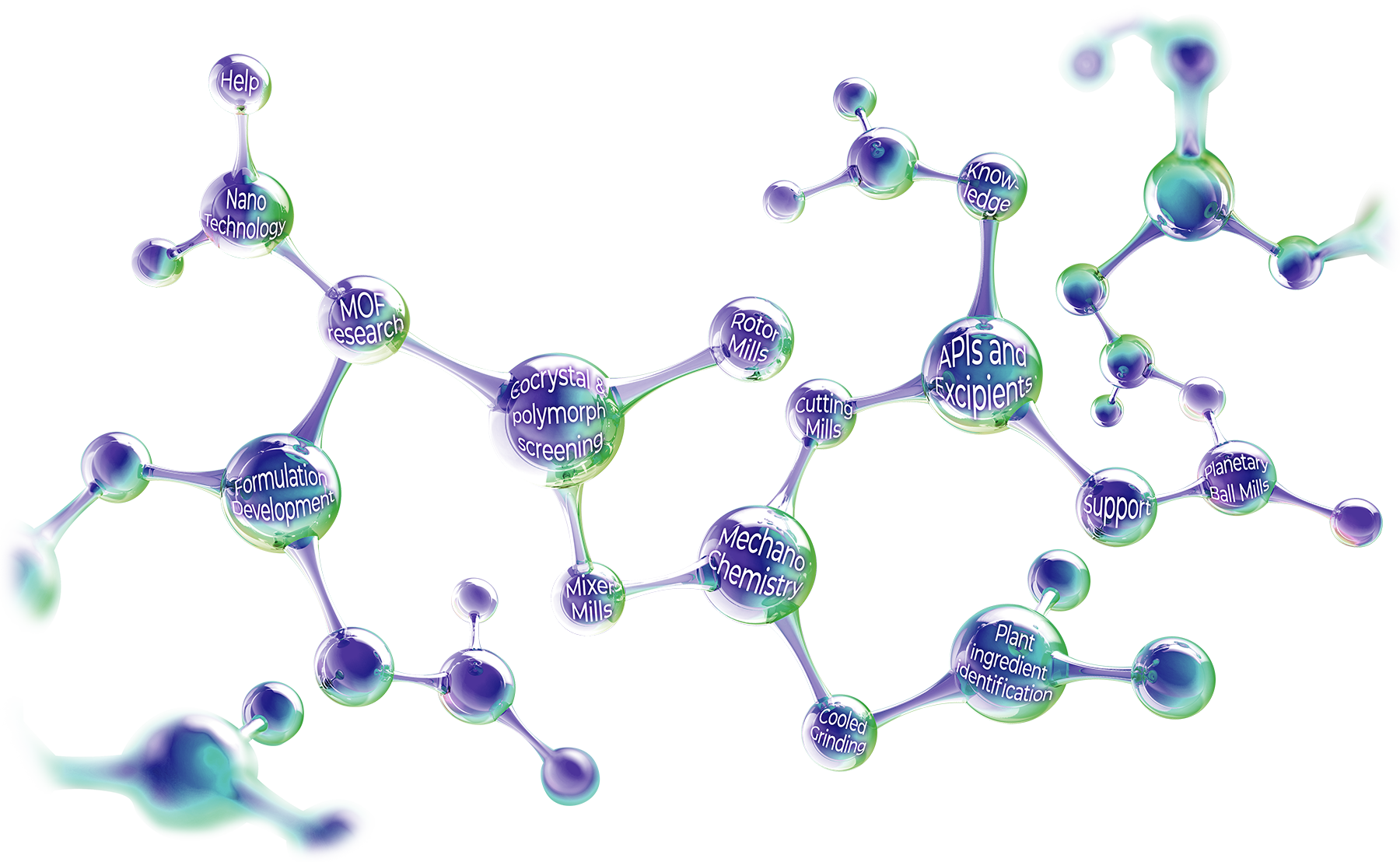
The pharmaceutical industry is a sector that focuses on researching, developing, manufacturing, and marketing drugs or pharmaceuticals. Learn more about the use of Retsch devices by clicking on the icons of each section.
더 흥미로운 장들을 발견하고 우리의 전문 지식을 활용하십시오. Click on the chapters to explore!

Research and Development (R&D)
Research and development involves basic research, drug discovery, preclinical testing, and clinical trials. The research to identify pharmaceutical ingredients in traditional plant medicine for example also belongs to this section. Further interesting approaches come from mechanochemistry, co-crystal and polymorph screening or nanotechnologies.

Quality Control (QC)
Quality control ensures that the manufactured pharmaceutical products meet predefined quality specifications and regulatory standards. QC activities involve rigorous testing of both the raw materials and the finished products. This includes physical, chemical, and microbiological tests to confirm that the product consistently meets the established standards of purity, potency, and safety.

Manufacturing
This involves the large-scale production of drugs that have received regulatory approval. It requires adherence to Good Manufacturing Practices (GMP) to ensure product quality, safety, and efficacy. The use of bones and teeth for implant materials also has to be mentioned here as specific manufacturing application.

Special focus: Tissue homogenisation and cell disruption
Cell disruption is a crucial step, especially for the production of biopharmaceuticals. It involves breaking cells to release biologically active compounds, such as proteins, DNA, RNA, which can be used as therapeutics, vaccines, or in diagnostic applications. Homogenization of tissues like liver is another aspect of this section.
Retsch boosts Research and Development in Pharma Applications
Retsch mills are used to grind active pharmaceutical ingredients (APIs) and excipients to a specific particle size, which is crucial for ensuring consistent drug efficacy and bioavailability. The particle size can significantly affect the dissolution rate, absorption, and distribution of the drug within the body. Excipients, which are inactive substances formulated alongside the active ingredient of a medication, require proper sizing and homogenization to ensure they function correctly within the formulation. Special applications require nanotechnology, cocrystals or mechanosynthesis to find new APIs, both sophisticated approaches where Retsch can assist. In this section, eight different use cases with their best practises are highlighted:
Retsch mills to grind sample material like APIs
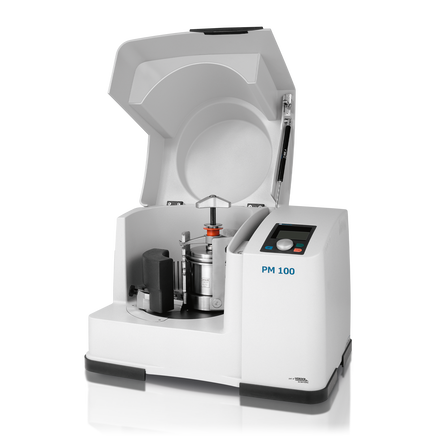
APIs and excipients can be pulverized in different Retsch Mills and Grinders. Depending on the substance, grinding in closed vessels is preferred as in the jars of the Retsch Ball Mills, to avoid dust formation with the highly active substances. 100 ml lactose monohydrate for example can be pulverized in a PM 100 within 1 h at 450 rpm, reducing the D90 value from 100 µm to 5 µm. The grinding was done at wet conditions, which means that the sample were mixed with 90 ml propanol.
Wet grinding is usually performed in jars of zirconium oxide, in this case 250 ml with 150 ml of 2 mm balls made of zirconium oxide. Zirconium oxide is a very abrasion resistant material, which reduces the wear in the fine grinding step which is achieved with the intense friction between the balls. With extended grinding times and smaller grinding balls, much smaller sample particles are obtainable in Retsch Planetary Ball Mill.
Pharmacologically harmless sample materials, such as starch or lactose used as excipients, can be ground in the ZM 300 or the RM 200. For instance, a 100 ml lactose sample with an initial particle size of 400 µm can be pulverized in the RM 200 to particles smaller than 100 µm within 10 minutes. Various grinding tool materials, including hard porcelain or agate, can be utilized. Larger sample quantities can be processed in the ZM 300.
Samples that tend to stick or agglomerate can be ground cryogenically using liquid nitrogen for embrittlement. The use of a cyclone is recommended. For example, 100 g of 3 mm samples were pulverized to particles smaller than 500 µm within 1 minute. Depending on the properties of the samples, the ZM 300 can also achieve a final fineness below 40 µm.
Temperature-controlled grinding to preserve temperature sensitive substances
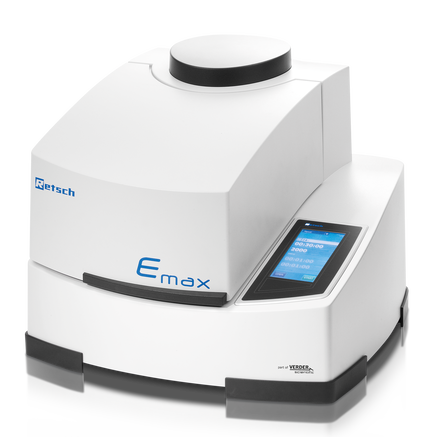
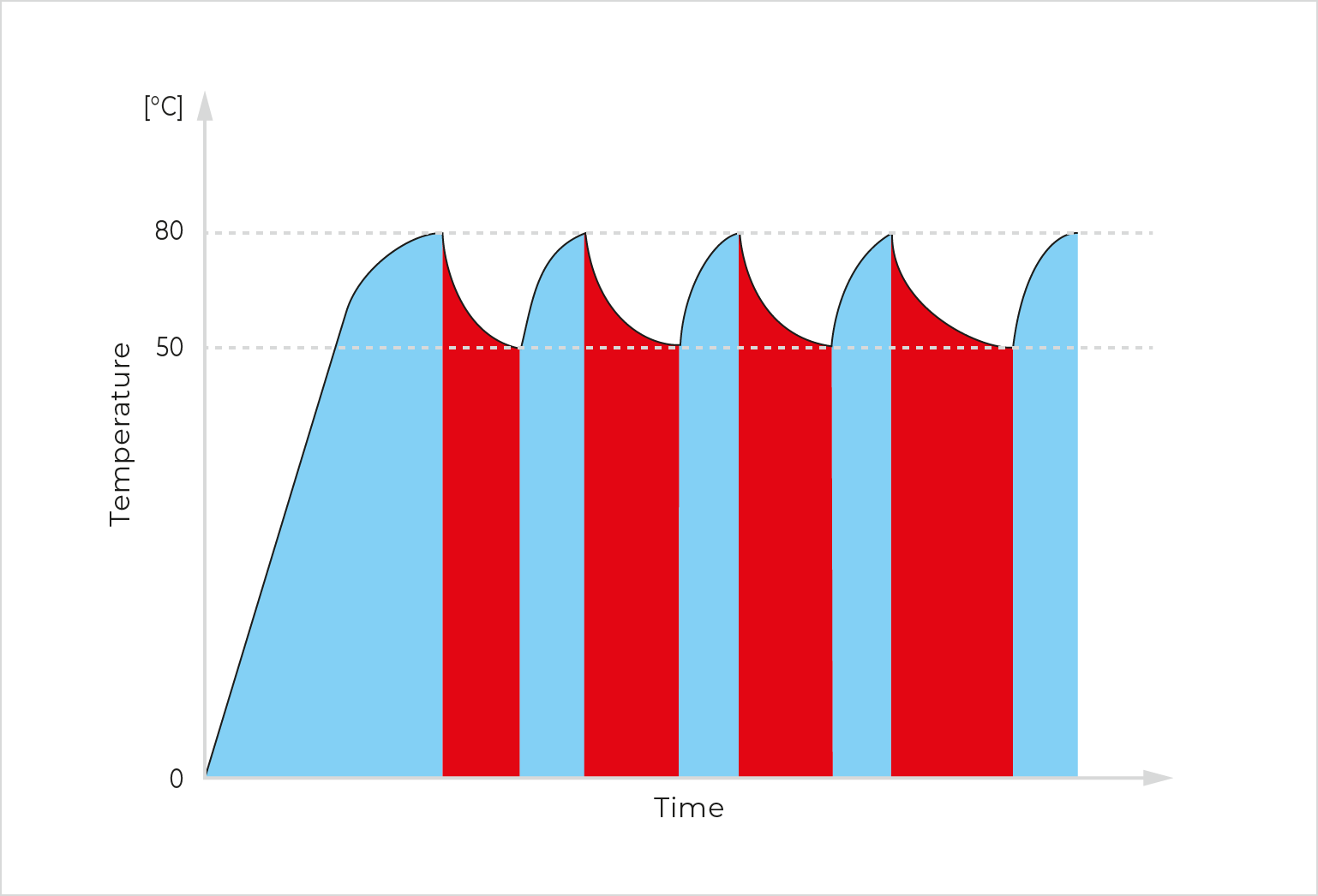
Another example is temperature controlled wet grinding of APIs (or excipients) – here the MM 500 control or the High Energy Ball Mill Emax are beneficial. 15 g of API substance were mixed with 25 ml of Isopropanol and ground in 50 ml zirconium oxide grinding jars with 110 g of 2 mm grinding balls. The grinding process was carried out using an external chiller set to 5 °C for 30 minutes at 2000 rpm. To maintain a specific temperature range, the unique temperature mode of the Emax was utilized. The minimum temperature was set to 40 °C and the maximum to 50 °C, ensuring that grinding occurred only within this range. When the jar reached 50 °C, grinding was paused until it cooled to 40 °C, at which point grinding resumed. This special mode guarantees that the sample does not overheat during milling, with all operations, including the duration of grinding breaks, being automated.
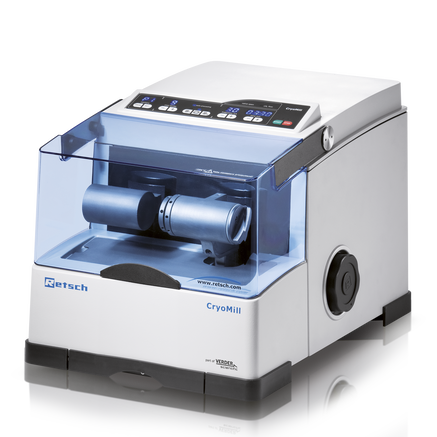
After just 30 minutes of total process time, the original 1 mm sample was milled down to 4 µm particles. Higher fineness can be achieved by pre-grinding to less than 200 µm with 10 mm balls, followed by fine grinding with 0.5 mm balls and extended grinding time. For larger sample amounts, 125 ml grinding jars can be used. Some APIs require cryogenic grinding at -196°C, where approximately 8 g of sample can be placed in a 50 ml jar of the Cryomill. Pulverization to 100-200 µm is typically completed within 20 minutes, including pre-cooling time.
Conclusion: Retsch offers the suitable equipment to pulverize small to medium size sample quantities safely and with preservation of the temperature
Mills used to mix the APIs with the excipients in formulation development
Mixing APIs with excipients is a common topic in pharmaceutical research. Efficient mixing can be achieved using Mixer Mills, which can handle up to 6 x 20 ml samples, or Retsch Planetary Ball Mills, which offer sample volumes of up to 4 x 200 ml. For example, 196 g of starch were mixed with 4 g of pigment to demonstrate mixing efficiency. The mixture, along with 200 grinding balls of 10 mm, was placed in 500 ml grinding jars. After 5 minutes at 200 rpm, a moderate speed that ensures only mixing effects without particle crushing, the mixing was perfect.
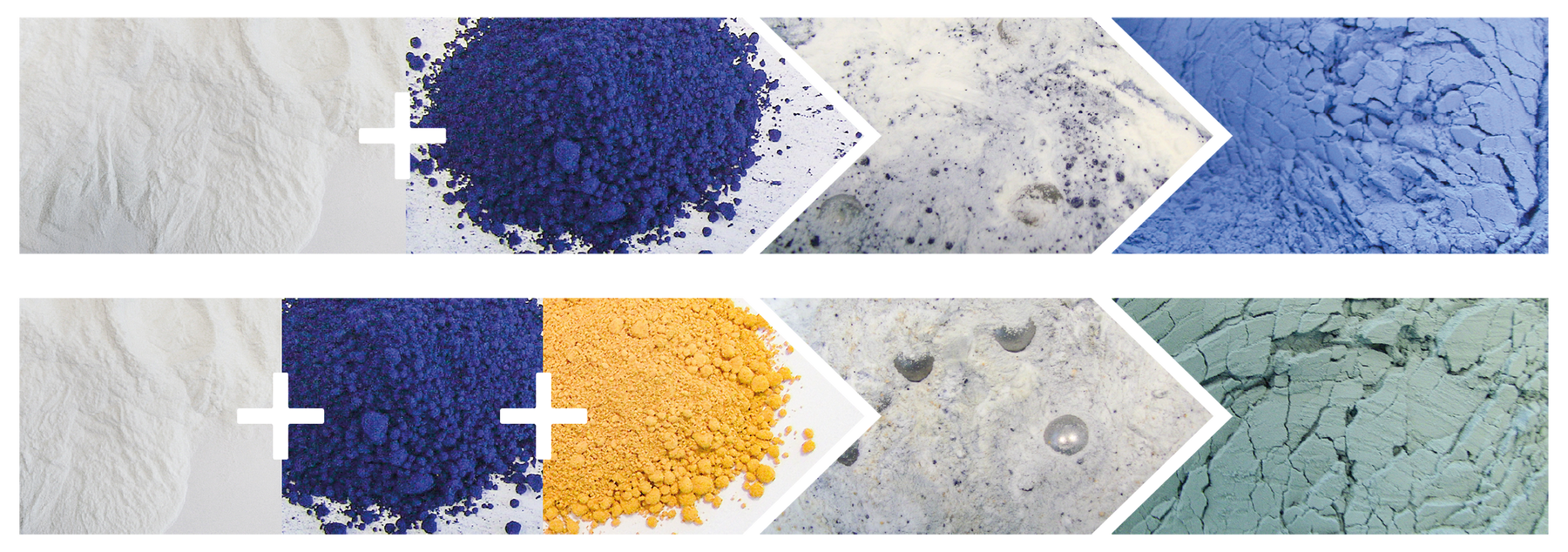
Bottom: Starch, blue & yellow pigment after 5 minutes of milling in the PM 400
Nanotechnology research – benefits from Retsch mills
High-energy ball mills from Retsch, like the Emax, the PM series or the MM 500 nano and control, are used in the development of nano particles. These nano formulations can offer improved drug delivery characteristics and are a growing area of interest in pharmaceutical R&D. TiO2 is used as a model substance here.
PM 300 젖은 및 나노 규모의 밀링
젖은 밀링은 5 μm 이하의 입자 크기를 얻기 위해 사용되며, 작은 입자는 표면에 충전되고 축적되기 때문에 건조 모드에서 추가하는 것이 어렵습니다. 액체 또는 분산제를 추가함으로써 입자는 분리되어 유지됩니다.
나노 규모의 밀링으로 100 nm 이하의 매우 얇은 입자를 생산하려면 젖은 밀링 대신 충격이 필요합니다. 이것은 큰 표면과 많은 밀링 포인트가있는 많은 수의 작은 밀링 볼을 사용하여 달성됩니다. 냄비의 이상적인 채우기 레벨은 60 % 작은 밀링 볼로 구성되어야합니다.
병 채우기, 젖은 밀링 및 샘플 복구에 대한 자세한 내용은 비디오를 참조하십시오.
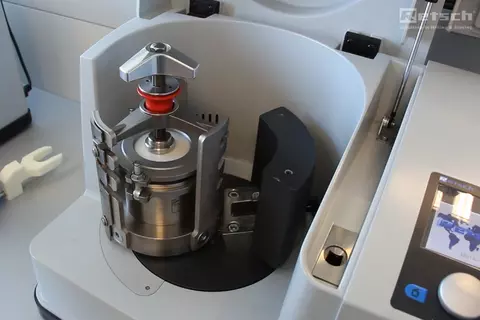
비디오는 행성 볼 밀 PM 100 젖은 밀링을 보여줍니다.
티타늄 이산화물 125 ml 잔
이 그래프는 PM 300 650 rpm 및 800 rpm에서 티타늄 이산화탄소 (TiO2)를 분쇄하는 결과와 청정 처리 시간을 보여줍니다. 800 rpm에서 더 높은 에너지 입력으로 입자 크기가 더 빨리 감소합니다. 그러나 800 rpm에서 증가한 가열 효과도 고려해야합니다.
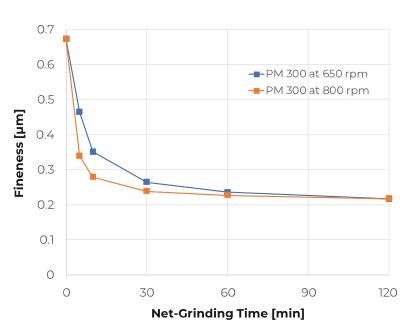
0.1 mm 밀링 볼을 가진 티타늄 이산화물의 순 처리 시간 나트륨 포스파이트 솔루션
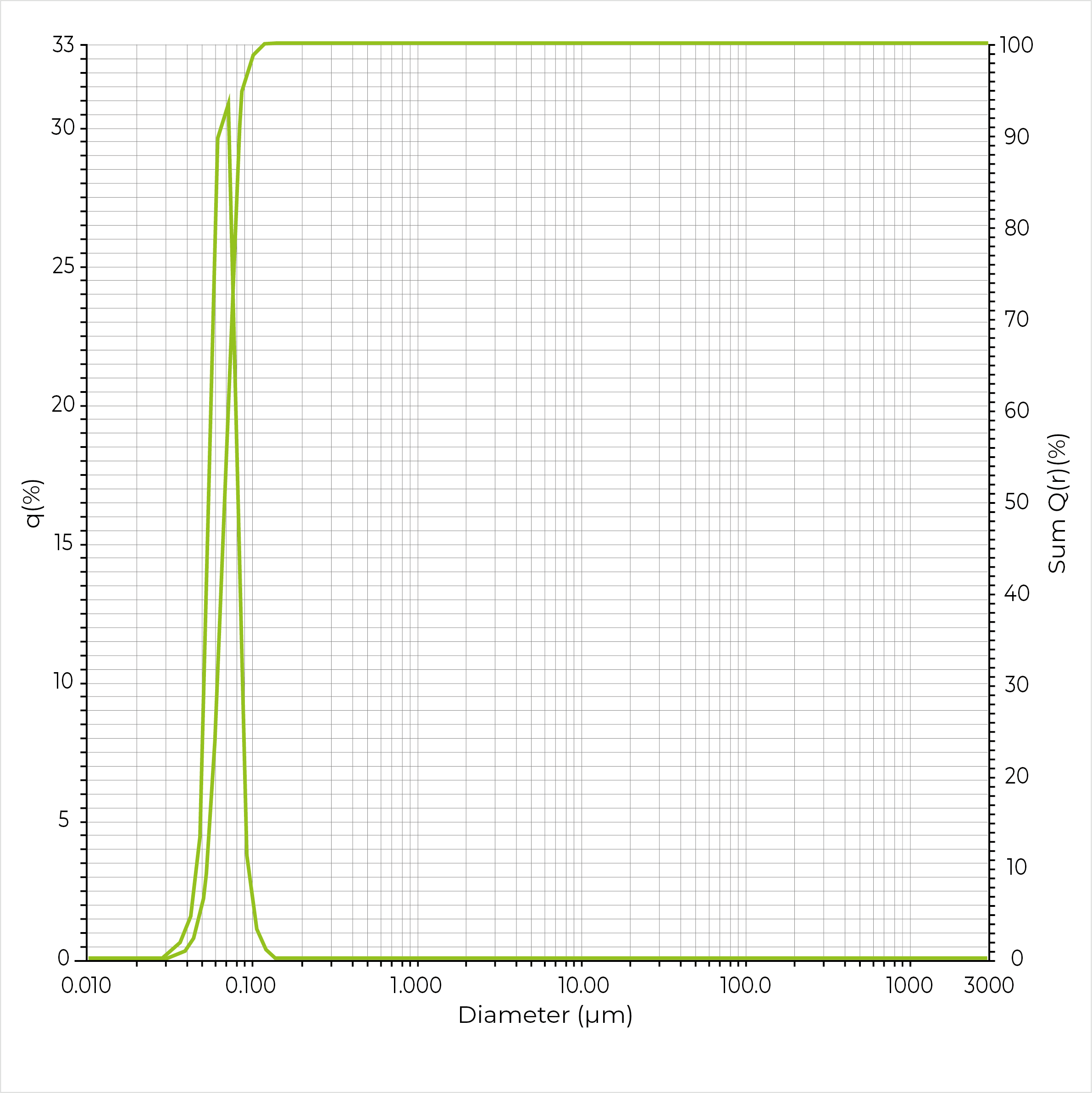
12 g of API (15 µm particles) were mixed with 26 ml of Heptane and 110 g of 0.5 mm zirconium oxide grinding balls. This mixture was placed in a 50 ml zirconium oxide grinding jar. The grinding process was carried out in the High Energy Ball Mill Emax for 2.5 hours at 2000 rpm, resulting in a very narrow particle size distribution with a D90 value of 80 nm.
Nanoparticles smaller than 100 nm can also be produced using the MM 500 nano or MM 500 control. Typically, a grinding time of 2-3 hours at 35 Hz is required in the MM 500 nano, while the MM 500 control requires a longer grinding time at 30 Hz. The MM 500 control offers temperature regulation, allowing the jars to be counter-cooled with 4°C cold water. If the grinding medium does not freeze at zero degrees, wet grinding can also be performed at temperatures as low as -10°C to ensure the preservation of temperature-sensitive APIs.
Conclusion: Temperature-control, Nano-grinding, mixing – Retsch´s ball mills are suitable for all applications.
Milling plants or insects to identify ingredients
Plants often have natural ingredients which are useful in pharma applications, known for decades for their pharmaceutical purposes. Also other materials like insects offer some interesting compounds. The traditional Chinese medicine TCM or other traditional healing methods make use of the natural resources. Research activities aim to unreveal the API compounds in those classical plant or animal samples in order to use them as new drug and pharmaceutical substances. Depending on the initial sample size, the sample amount, the sample quantity and the required final fineness, Retsch Cutting Mills, Rotor Mills or Ball Mills are used predominantly to pulverize such samples.
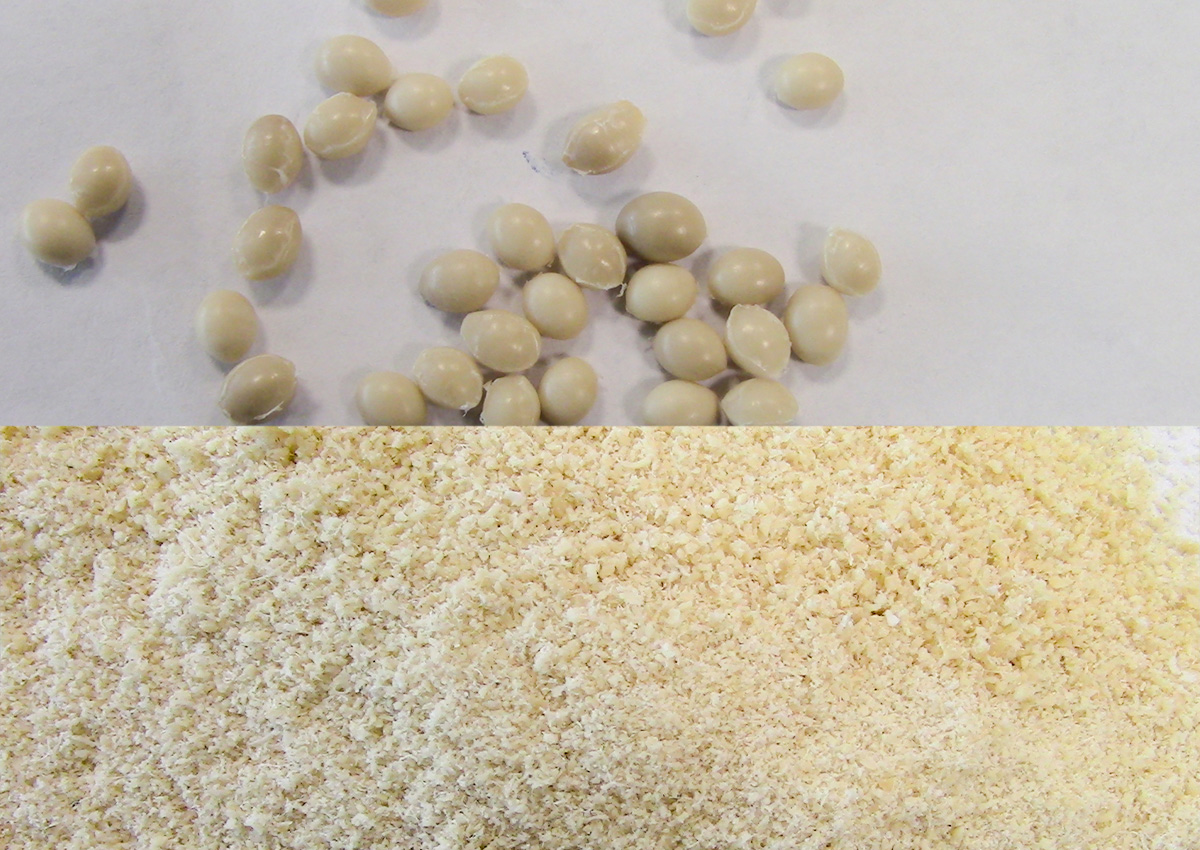
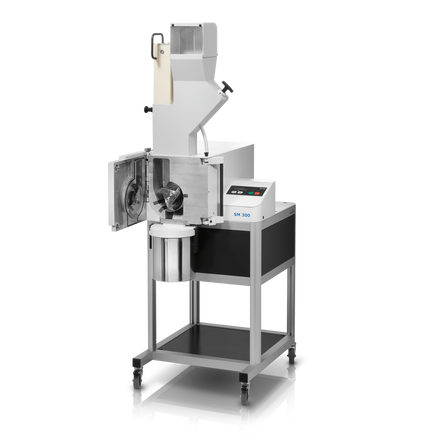
Depending on the sample size and toughness, about 20 s to 3 min are required to grind up to 1 kg dried roots, fruits, stems parts and other plant materials or insects to 1-8 mm samples. Here, ideally SM 100 is used, for more robust samples like nutmeg the SM 300. A cyclone helps in any case to discharge the light samples from the grinding chamber. The ZM 300 accepts feed sizes up to 10 mm, Cutting Mills accept up to 60 mm sample pieces. For really tough materials, the 6-disc rotor instead of the parallel section rotor should be taken. Sometime finer particles than 1 mm are required- here the use of Retsch Ball mills is beneficial.
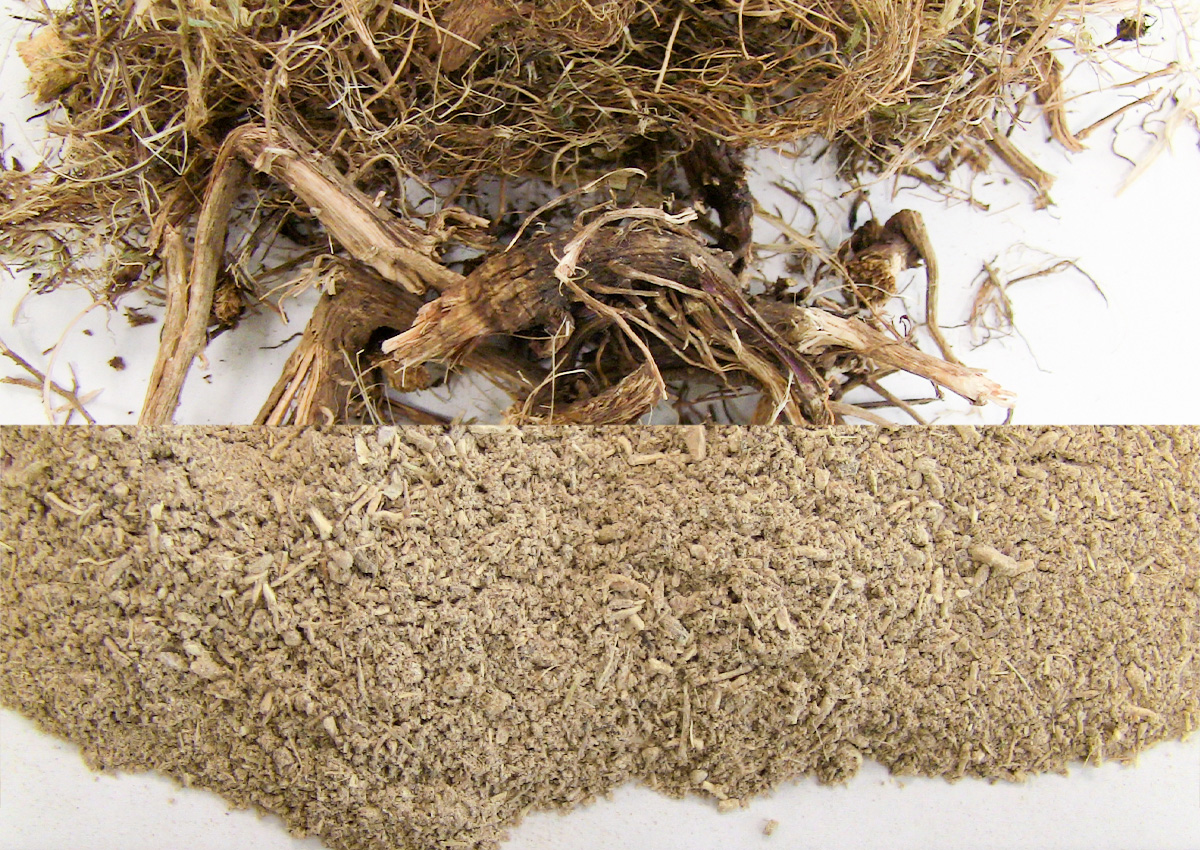
Echinacea pupurea radi, 500 g
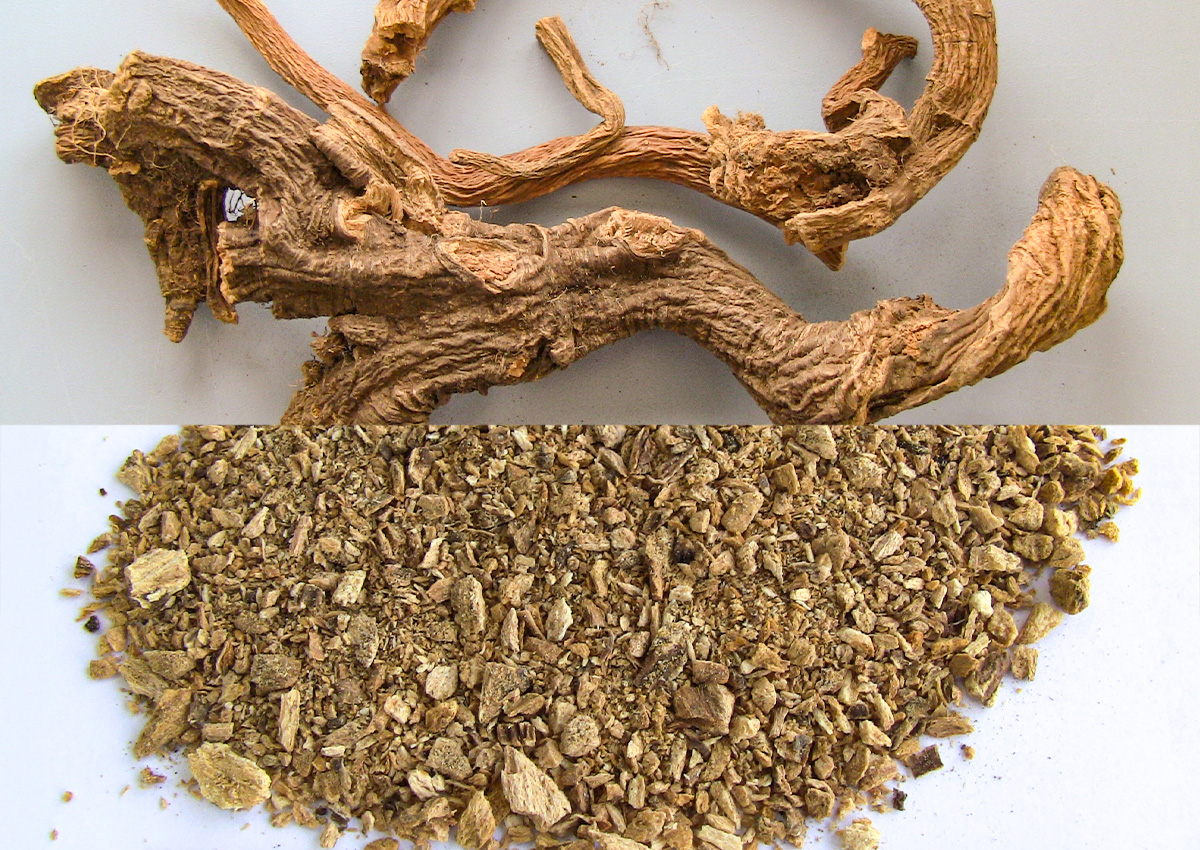
Dried roots, 1 kg
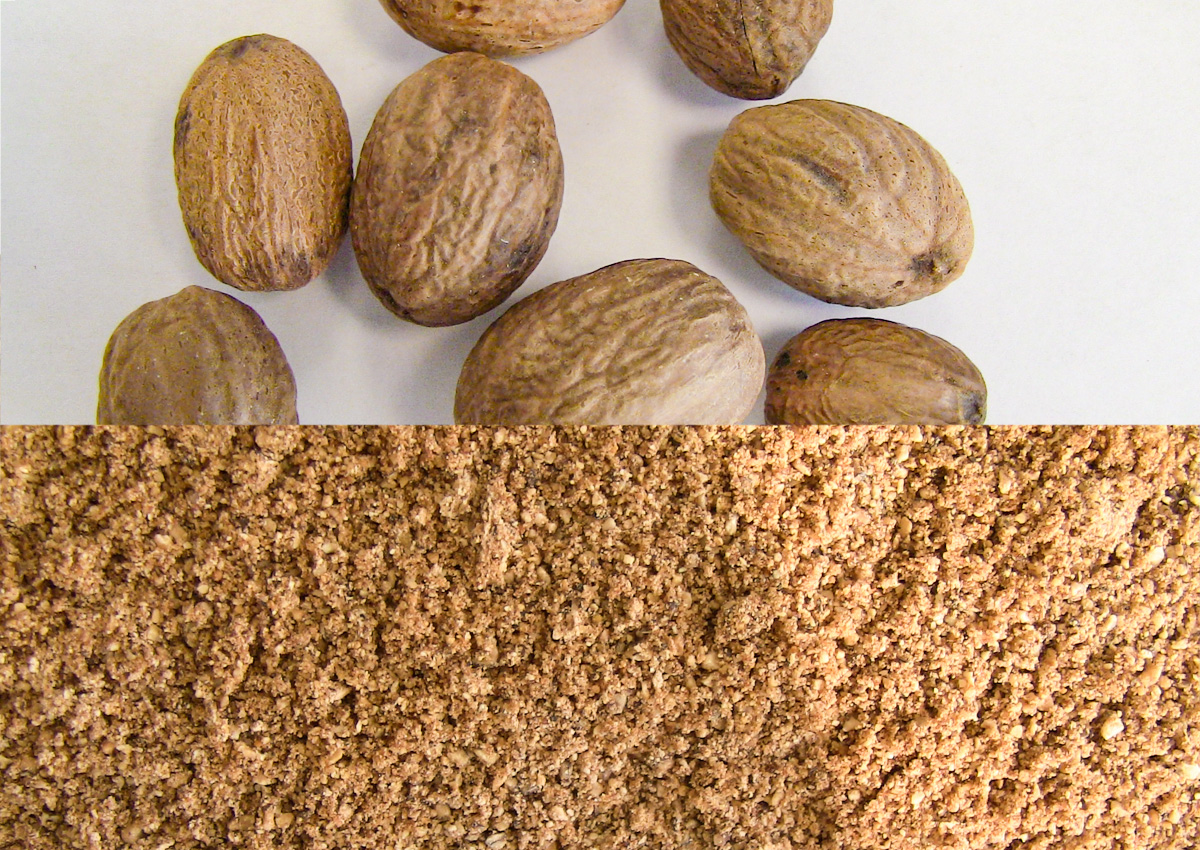
Nutmeg, 100 g
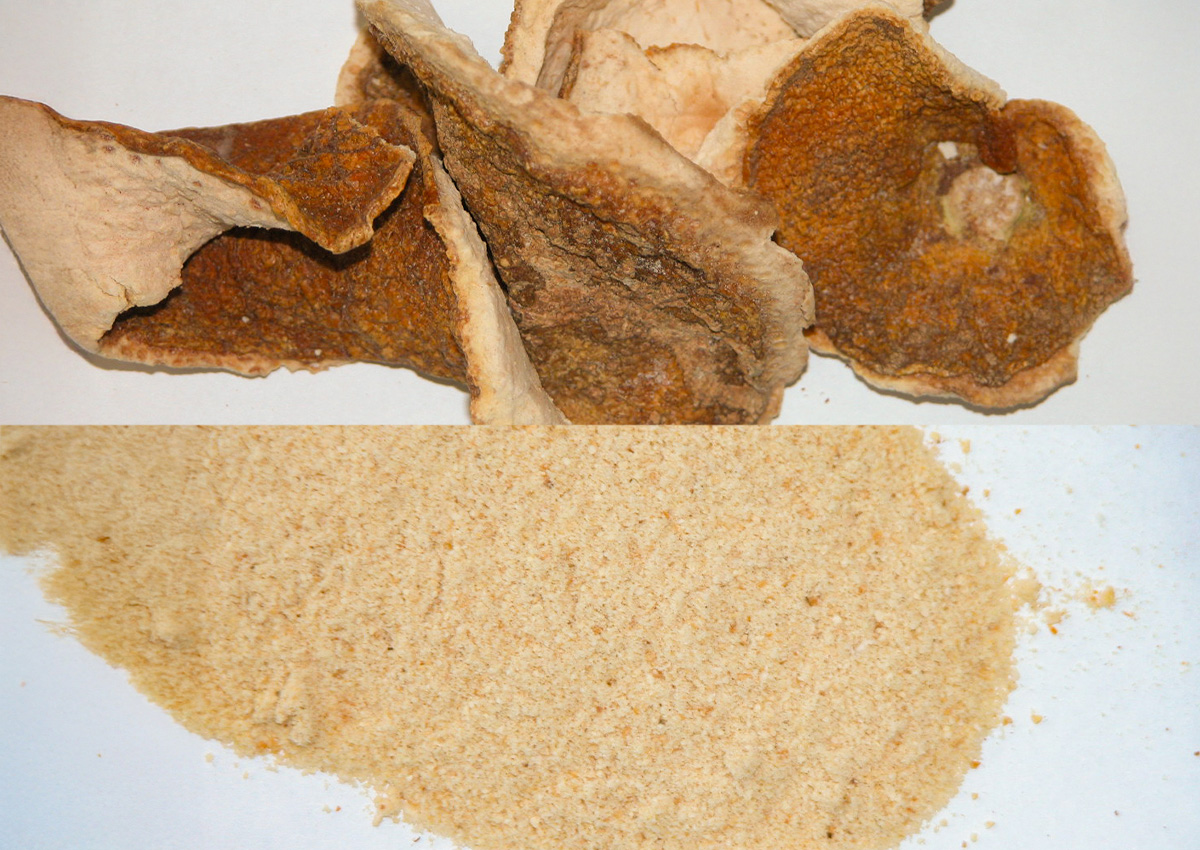
Dried orange peel, 200 g
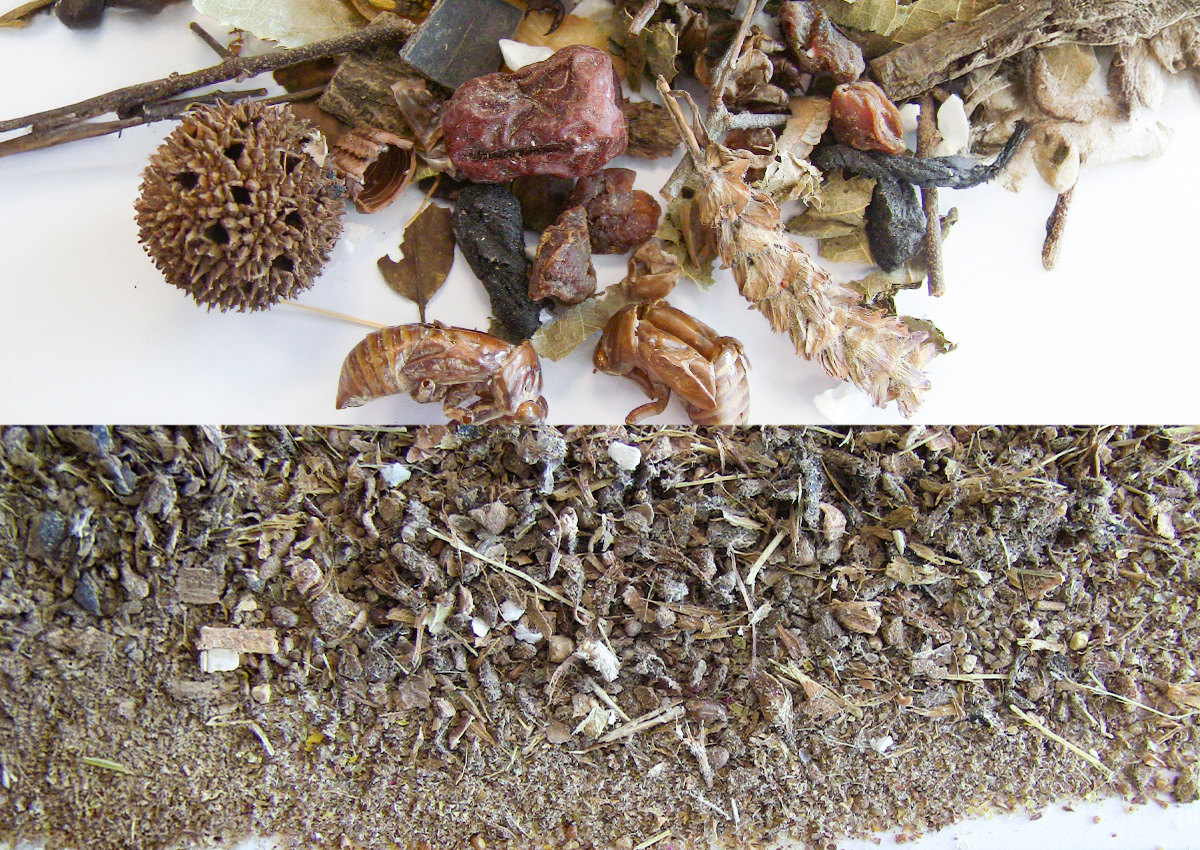
Dried plants and insects, 15 g
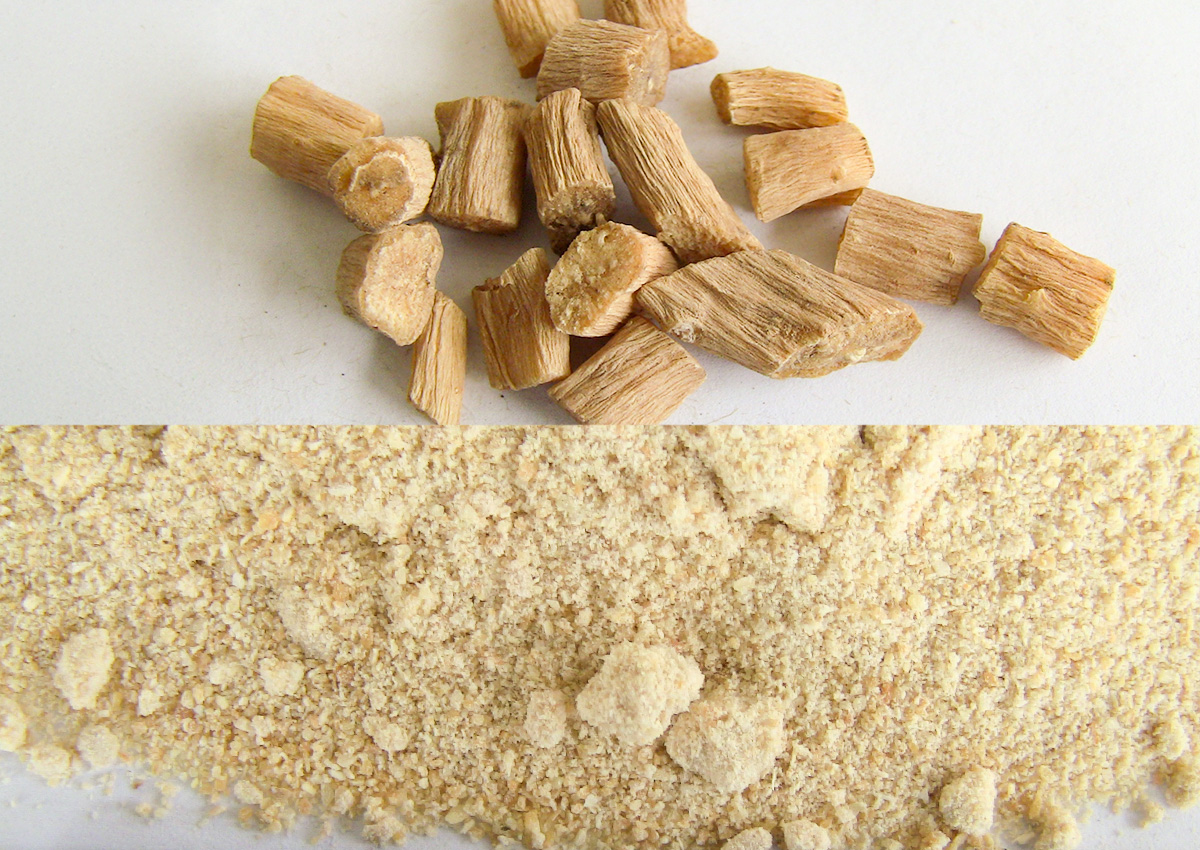
Dried roots, 50 g
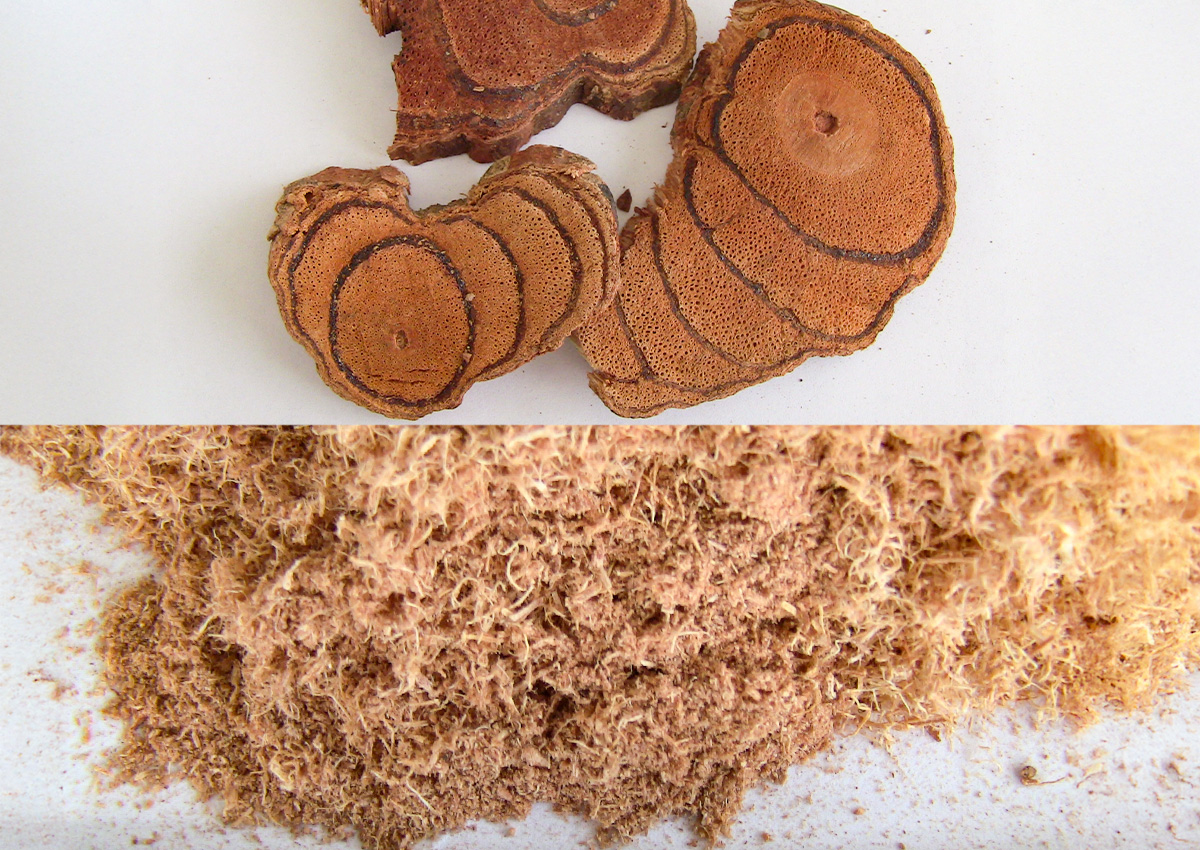
Drieds stem parts, 20 g
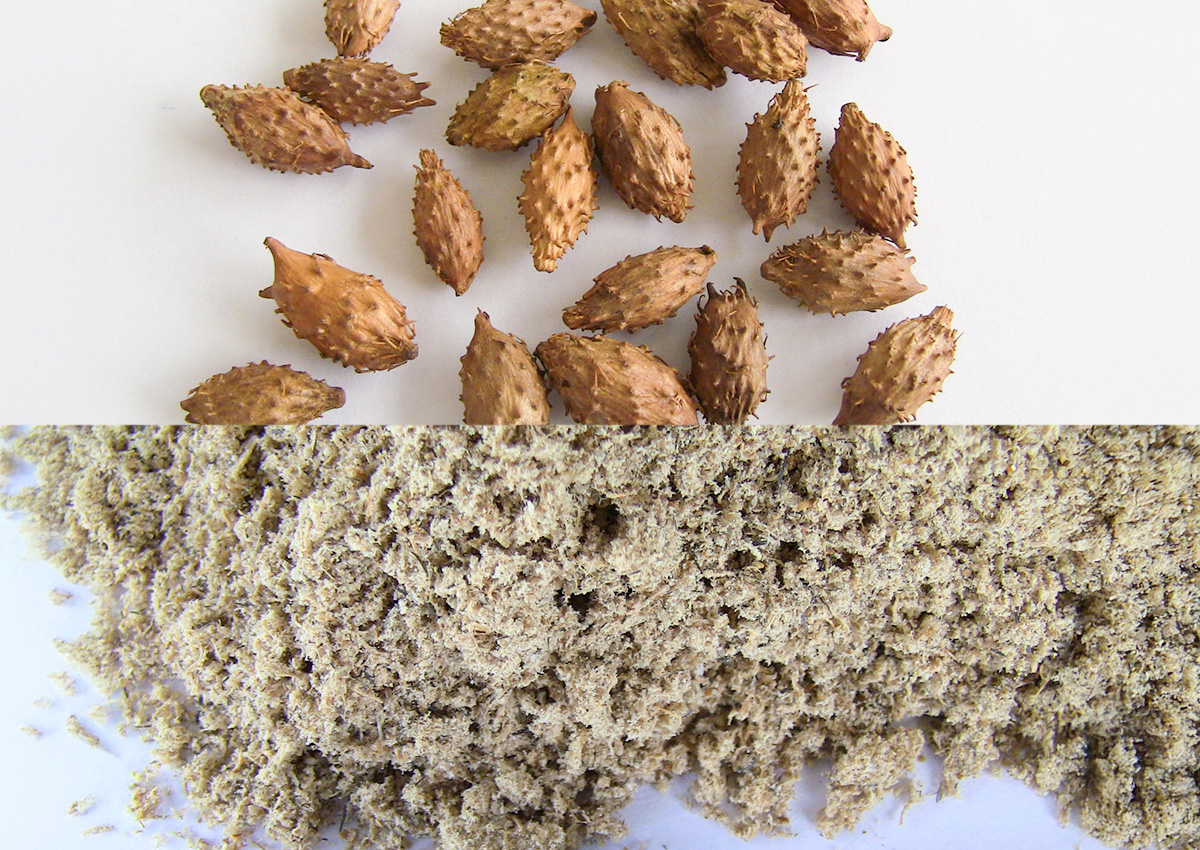
Dried fruit, 30 g
결론: Even tough or larger plant materials can be easily homogenized with Retsch Cutting Mills or Rotor Mills.
Mechanochemistry for new or enhanced APIs
Mechanochemistry, the study of chemical reactions that occur due to mechanical energy, has increasingly become a significant field of research in pharmaceuticals. This method involves inducing chemical reactions through grinding, milling, or shearing solid reactants. Mechanochemical processes offer several advantages over traditional solution-based chemistry, including reduced solvent use, enhanced reaction rates, and the ability to synthesize novel compounds. Mechanochemical reactions can be used for the synthesis of new drug molecules. This method is particularly advantageous for reactions that are difficult or inefficient in liquid solvents, allowing for the exploration of new chemical space and the potential discovery of novel therapeutic compounds. For example, the group of Professor Duncan Browne, UCL School of Pharmacy, worked on the formation of Carbon-Nitrogen bonds, a favourite process for drug discovery and development. They synthesized an intermediate in the synthesis of Vortioxetine, which is a known antidepressant [1].
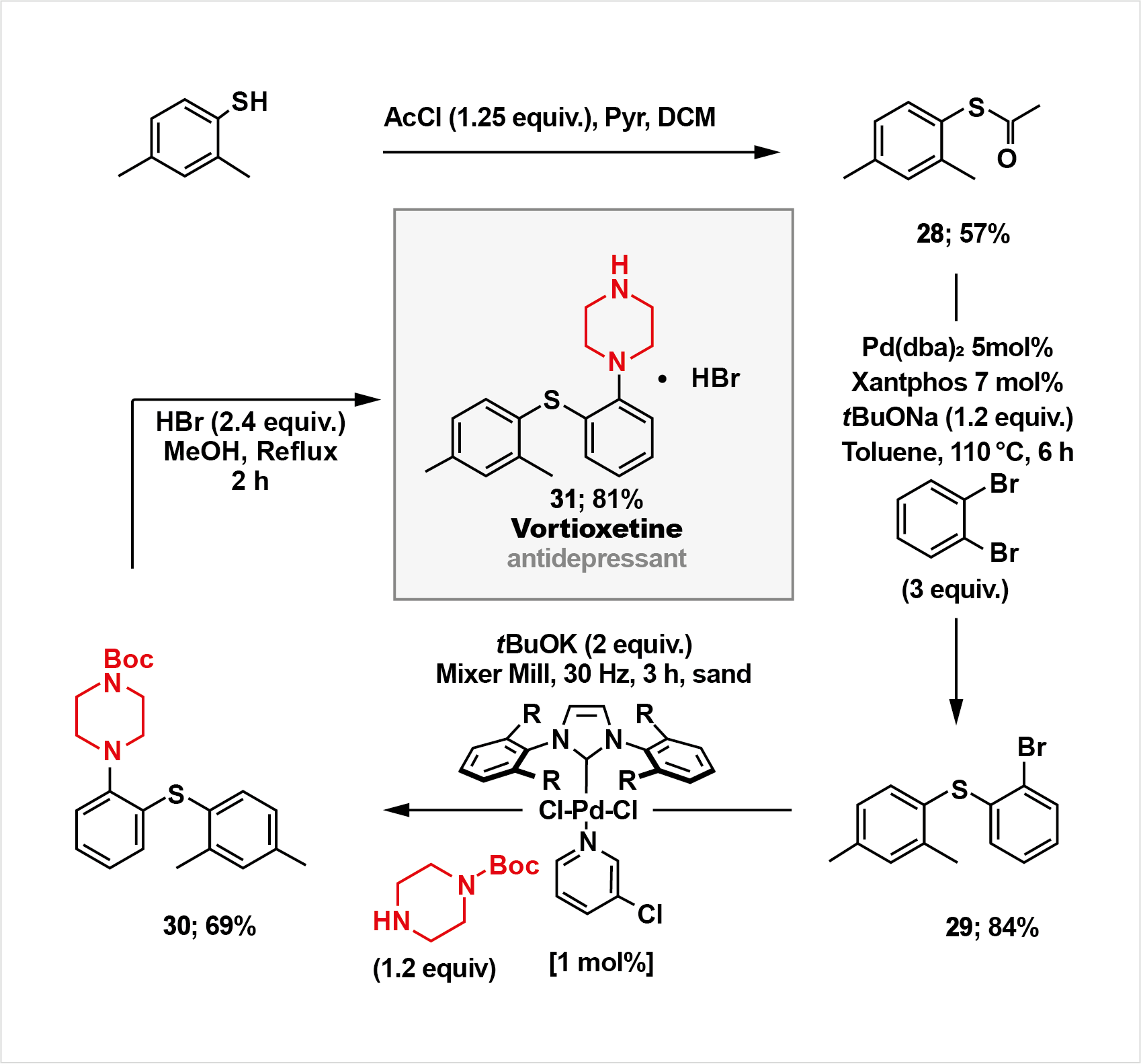
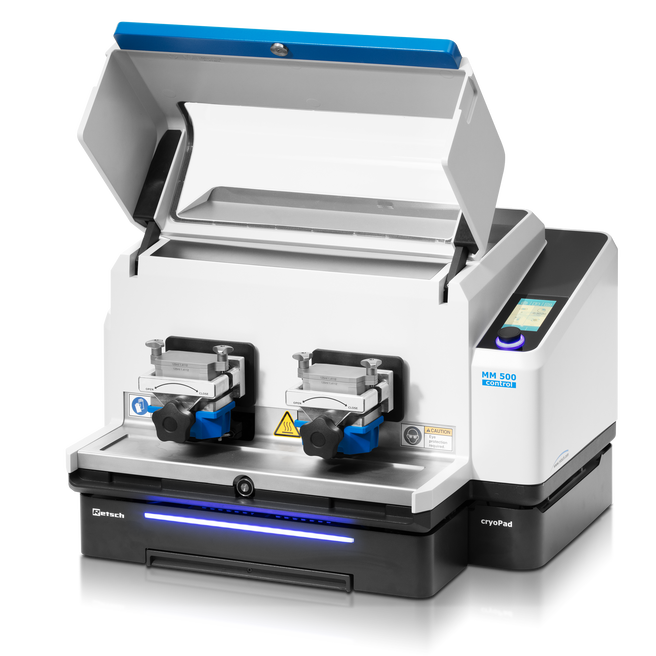
Another publication of the group shows the option to use mechanochemistry in the MM 400 in direct amidation of esters [2], in just 1 h compared to 8 h in EtOH solution at 70°C. In the same paper, the synthesis of 2.4 g of the antidepressant Moclobemide in the MM 400 in just 1 h is demonstrated. Another important aspect are the various findings, that heating can improve the mechanochemical reactions, thus enabling or accelerating the reactions. Using a heat gun or heating jackets are common methods for the MM 400 as shown by the groups of Professor Ito or Professor Browne [3][4][5]. A more commercial version of temperature control and heating options is given by the MM 500 control, which also allows temperatures up to 100 °C.
Co-grinding, cocrystal formation and polymorph screening
- Cocrystals consist of two or more crystalline components, typically an active pharmaceutical ingredient (API) and a coformer, in a definite stoichiometric ratio, held together by non-covalent bonds. Ball mills are used to produce pharmaceutical cocrystals, which can improve drug solubility, stability, and bioavailability without altering the molecular structure of the API.
- Different crystalline forms (polymorphs) of a drug can exhibit significantly different physical and chemical properties, such as solubility and melting point. Polymorph screening can help to identify stable forms of a drug that have desirable characteristics, improving drug formulation and performance.
- Co-grinding often refers to simultaneous grinding of an API and a (amorphous) excipients. Co-grinding can improve the solubility, stability, and bioavailability of drugs by creating fine and uniform particles and improved fluidity. The excipient can be another API, an amino acid or a polymer like cellulose or starch. Excipients as binders help hold the ingredients of a tablet together. Common fillers include lactose, mannitol, and dibasic calcium phosphate. Other excipients act as lubricants, preservatives, colouring or flavoring agents
To find the optimal coformer or excipient for an API and a specific purpose, a screening approach is typically required. Different ratios of the API and the other substance need to be investigated, resulting in numerous combination options. Since substances can be very expensive, the screening is usually performed on a small scale. The special screening adapter for planetary ball mills can significantly aid this process by using disposable vials, such as 1.5 ml GC glass vials. The adapter features 24 positions arranged in an outer ring with 16 positions and an inner ring with 8 positions. The outer ring can hold up to 16 vials, allowing for the screening of up to 64 samples simultaneously with exact same energy input conditions when using the Planetary Ball Mill PM 400. In total, 96 samples can be screened in one batch. First upscaling trial can be done in the adapter capable of keeping 7 x 20 ml glass vials.
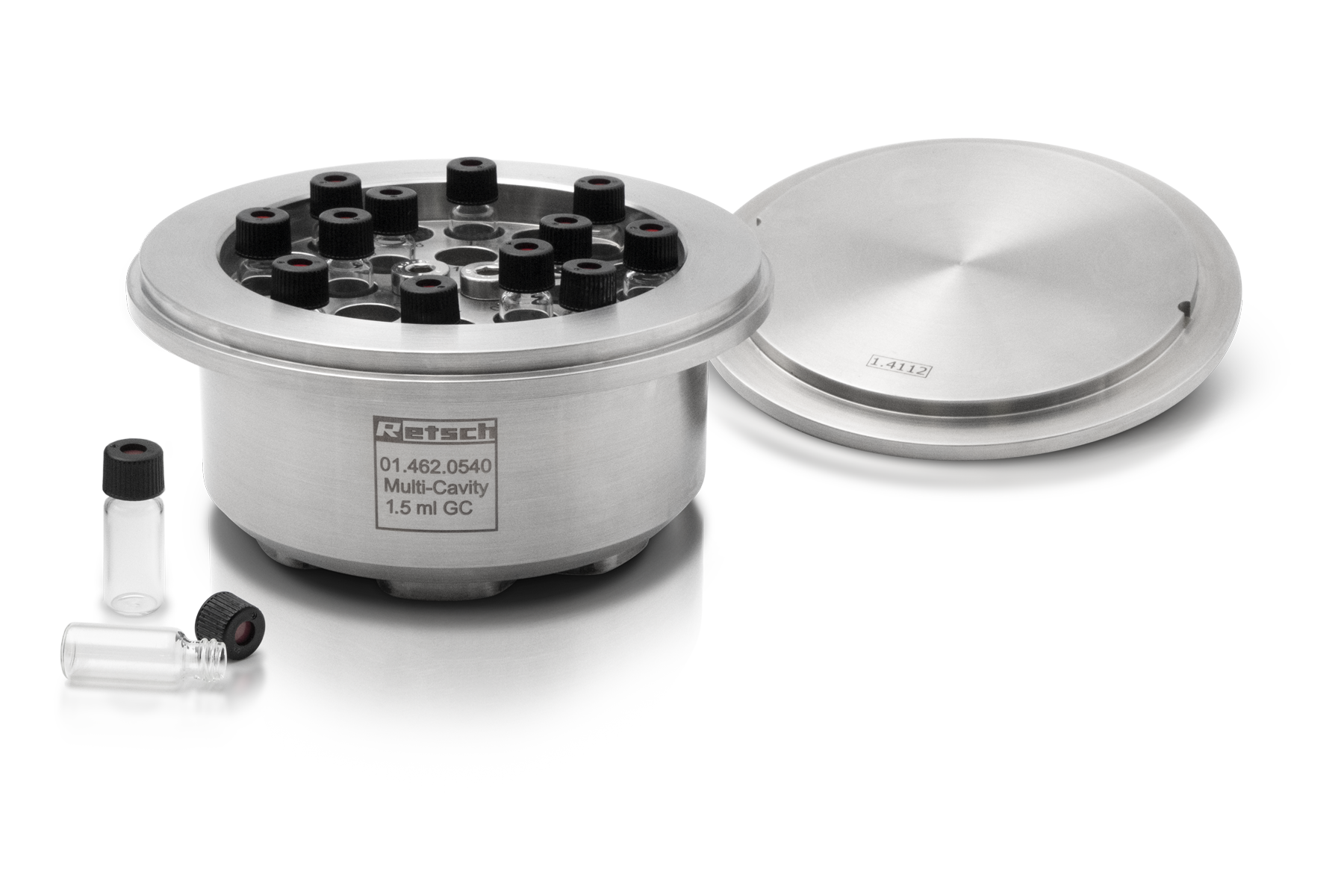
Co-Crystal Screening with the MM 400
Co-crystal screening can be effectively performed in Mixer Mills. In a study [9] using the MM 400, 2 ml steel tubes and the corresponding PTFE adapter were employed to co-crystallize theophylline and benzamide in a 1:1 ratio under the following conditions:
- 60 min milling time
- 30 Hz frequency
- One 6 mm steel ball per tube
- Four experiments without solvent and four with 20 µL ethanol
X-ray powder diffraction patterns of the eight resulting samples (shown in green) align closely with the simulated reference pattern of the target co-crystal. All observed signals correspond to the desired product, with no significant additional signals, indicating successful and reproducible co-crystal formation. The MM 400 with 2 ml steel tubes delivers consistent results, and this compatibility extends to the MM 500 series, which can also accommodate 2 ml steel tubes.
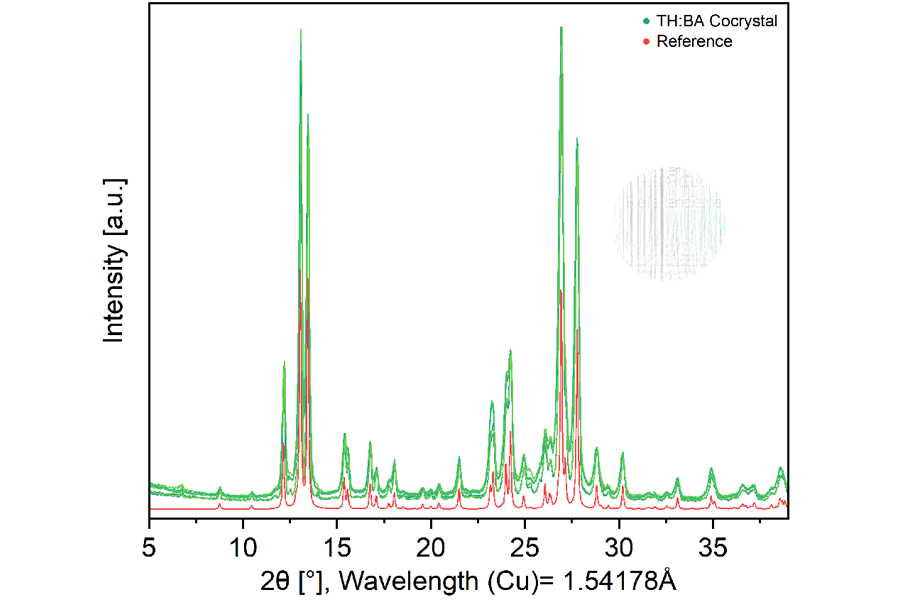
XRD patterns after the co-crystal formation of theophylline and benzamide after 60 min milling time in the MM 400 against a simulated reference. Results presented by experiments of Dominik Al-Sabbagh.[7]
Metal-Organic Frameworks (MOFs) in Drug Delivery
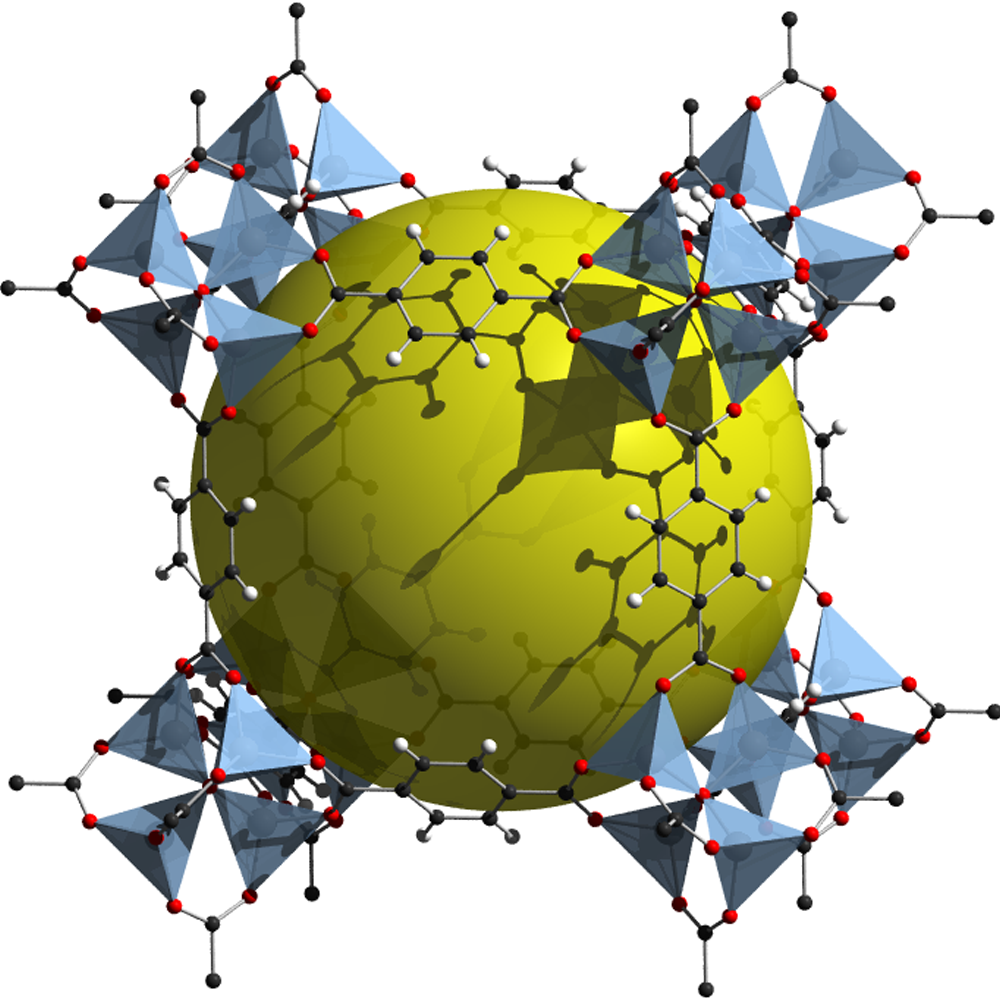
MOFs are coordination networks with organic ligands and metal ion nodes. They have a high surface area and tunable porosity, making them excellent candidates for drug delivery systems. Mechanochemistry is used to synthesize MOFs that can encapsulate drugs, providing controlled release and targeted delivery mechanisms. Here, the use of thermically controlled mills is very useful. If for example the MM 500 control is used with a chiller, the temperature can be lowered so that intermediates of the chemical reactions can be stabilized and thus the yield of those substances is drastically increased. With the right choice of the milling instrument, completely different educts can be obtained!
Functionalizing biomass for pharma applications via mechanochemistry
Mechanochemistry is transforming how functional biomaterials are made, and cationic cellulose is a prime example. Using a solvent-free process, cotton fibers are combined with a catalytic base and a minimal additive, then milled together with the cationic reagent to activate the reaction using the Mixer Mill MM 400. This solid-state approach eliminates water and bulk solvents, dramatically reducing chemical use and waste compared to conventional methods. After milling, a short aging step completes the reaction, delivering highly charged cellulose fibers with exceptional performance. [3]
Optimal reaction conditions: Cotton fibers were milled in a 50 ml stainless steel jar with 3 x 10 mm balls for 5 min at 25 Hz, then EPTMAC was added, and the mixture was milled for additional 30 min. The subsequent aging of the reaction mixture at 50 °C for 24 h, followed by Soxhlet extraction (48 h) and freeze drying, resulted in the isolation of pure cCF material.
Why is this exciting for pharma?
These cationic fibers show strong electrostatic binding to viruses, enabling efficient removal of pathogens from water and process streams—critical for sterile manufacturing and clean water applications. Beyond filtration, the material offers potential in drug delivery, antimicrobial surfaces, and bioprocessing aids. The process achieves outstanding sustainability metrics aligning with green chemistry principles and industry goals. It also allows precise control over charge density for tailored performance.
This innovation demonstrates how mechanochemistry can deliver high-value, eco-friendly solutions for pharmaceutical production—combining safety, efficiency, and sustainability in one breakthrough approach.
Easy Sample Preparation for Quality Control
In quality control laboratories, Retsch mills prepare samples for various analytical techniques, such as High-Performance Liquid Chromatography (HPLC), Spectrophotometry, and Dissolution testing. Proper sample preparation is key to accurate and reliable analysis. The precise and reliable performance of Retsch Mills and Crushers makes them indispensable tools for various QC applications:
Grinding tablets, pills and dragees with Retsch mills – easy and straight forward
Retsch mills are widely used in the pharmaceutical industry for grinding pills, dragees, and tablets to achieve the desired particle size and consistency. These mills ensure that the active pharmaceutical ingredients (APIs) and excipients are uniformly processed, which is crucial for the efficacy and safety of the final product. One of the key advantages of using Retsch mills is their ability to work with different grinding tool materials such as steel for standard applications or zirconium oxide for avoiding metal abrasion – which could disturb the analytics later on (increase heavy metal content).
For instance, the PM 100 planetary ball mill can pulverize 20 x 20 mm pills in a 125 ml jar zirconium oxide with 7x 20 mm balls, zirconium oxide, in 2 min at 450 rpm. The final particle size is about 150 µm. This mill is preferred for larger pills, larger sample volumes and grinding prior to heavy metal analysis, as the jars made of zirconium oxide are available up to 500 ml. The MM 400 is the ideal ball mill to grind small sample portions. For example, 10 x 10 mm pills can be ground easily within 2 min at 30 Hz in a 50 ml jar stainless steel with a 25 mm ball. The final fineness is comparable to that in the PM 100. Jars of zirconium oxide are available up to a size of 35 ml.
In the ZM 300, same pills can be ground much faster in just a few seconds. Usually ring sieves around 0.5 mm or finer are used, as well as the standard 12 teeth rotor. Grinding is performed at about 18000 rpm. Depending on the sample, the final fineness can be in a range less than 10 µm, but usually 200-400 µm are obtained.
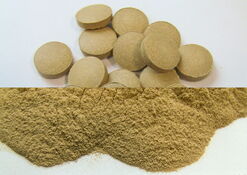
테블리트, 100 g
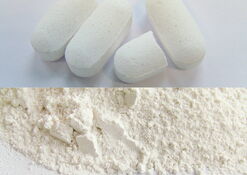
Pills, 200 g
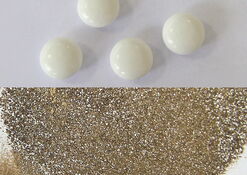
20 Coated tablets
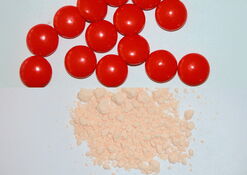
Dragees, 7 g
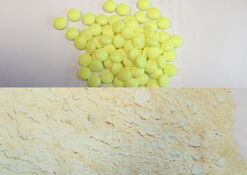
Sticky dragees, 10 g
Mechanochemistry in the Pharmaceutical Industry Sustainable Production of Active Pharmaceutical Ingredients with Maximum Efficiency
Discover how mechanochemical methods can contribute to the production of active pharmaceutical ingredients—with higher atomic efficiency, fewer byproducts, and a significantly reduced environmental footprint.
Mechanochemistry opens up new avenues for more sustainable chemical synthesis: By utilizing mechanical energy, reactions can be carried out in the solid state—often with no solvents at all or only minimal use of solvents. This reduces waste, lowers energy consumption, and simultaneously improves process efficiency.
Vibrating mills such as the MM 500 nano enable precise control of grinding parameters and are particularly suitable for fast, efficient syntheses on a laboratory scale. For more demanding applications requiring higher energies, the planetary ball mill PM 100 offers optimal conditions for carrying out even complex reactions in a targeted manner.
Take a look!
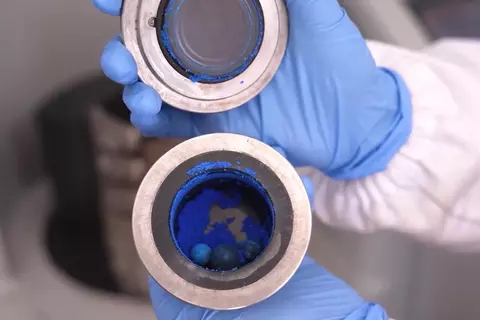
클라라 B. 고메즈, LAQV REQUIMTE
ERWEKA - Pharmaceutical Testing
Erweka는 높은 품질의 태블릿 테스트 장비의 선도적 인 제조 업체이며, 제약에 특별한 초점을 맞추고 있습니다. 65 년 이상의 경험을 통해 Erweka는 대규모 제약 및 생명 과학 회사, 연구 및 테스트 실험실뿐만 아니라 전 세계 대학을위한 혁신적인 솔루션을 개발합니다. Erweka는 우수한 제품 품질, 매력적인 디자인, 사용자 친화적 인 작동 및 신뢰할 수있는 성능을 나타냅니다.
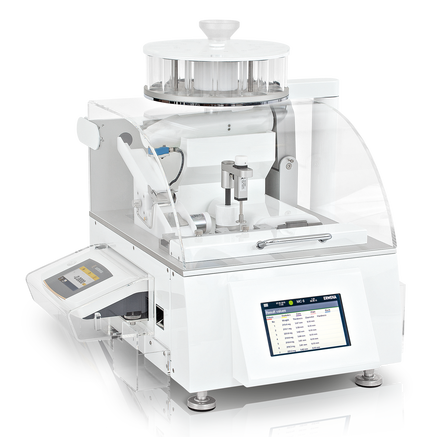
Reproducible Particle size analysis with Retsch sieving machines
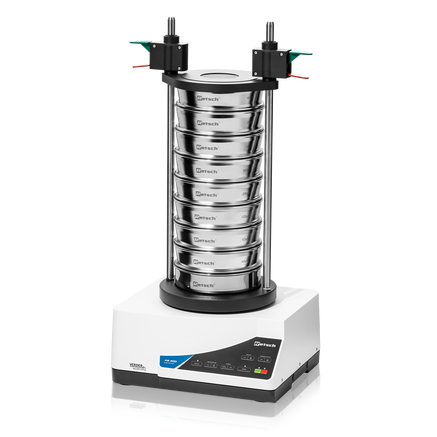
Retsch sieving machines are renowned for their precision and reliability in various industries, including pharmacy. These machines are essential for particle size analysis, ensuring that materials meet the stringent quality standards required in pharmaceutical applications. The AS 200 control and AS 200 jet are two notable models in Retsch's lineup. The AS 200 control is a vibratory sieve shaker that offers precise control over sieving parameters, making it ideal for quality control and research and development in the pharmaceutical industry. It features an electromagnetic drive that ensures consistent sieving results, and its digital controls allow for the storage of up to 99 sieving programs, ensuring reproducibility and compliance with ISO 9001 guidelines.
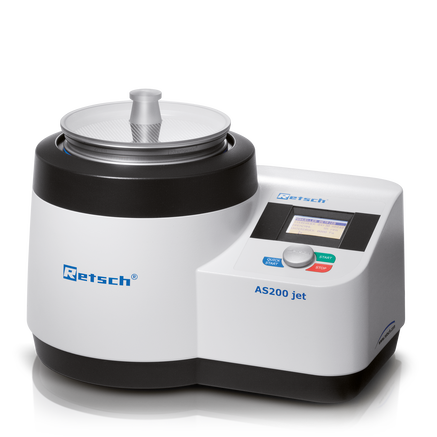
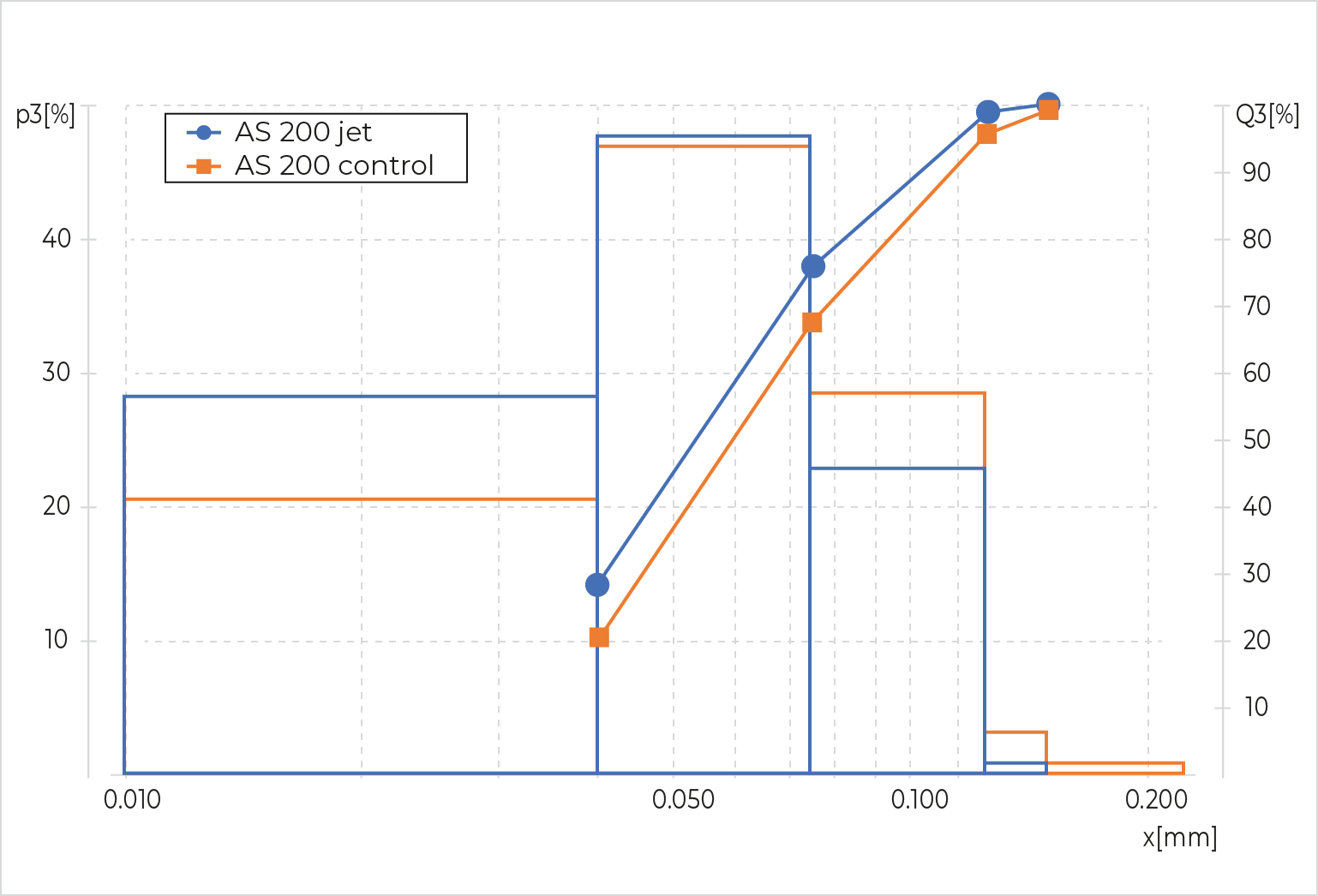
The AS 200 jet is an air jet sieving machine designed for the efficient dispersion and deagglomeration of fine powders. This model is particularly suitable for pharmaceutical materials that require precise particle size distribution. Unlike the vibratory sieving method used by the AS 200 control, the AS 200 jet employs a rotating air jet that disperses and deagglomerates fine powders more effectively. This air jet creates a vacuum that pulls the particles through the sieve, ensuring that even the finest particles are separated efficiently. Thus, the sample may be “finer” when analysed with the air jet sieving machine. This can be seen for example with a fine powder sample. Test sieves with mesh sizes 40, 75, 125 and 150 µm were used. The AS 200 control was operated at an amplitude of 1.2 mm with 10 s interval function, over 5 min. The AS 200 jet was operated in the Swiss Mode with a speed of 55 rpm and a negative pressure of 30 mbar – the total procedure also required 5 min work.
In pharmaceutical applications, these sieving machines are used to ensure the uniformity, stability, and purity of drug formulations. Accurate particle size analysis is crucial for determining the dissolution rate, bioavailability, and overall efficacy of pharmaceutical products.
Redefine sieving of fine particles for Pharmaceutical Applications
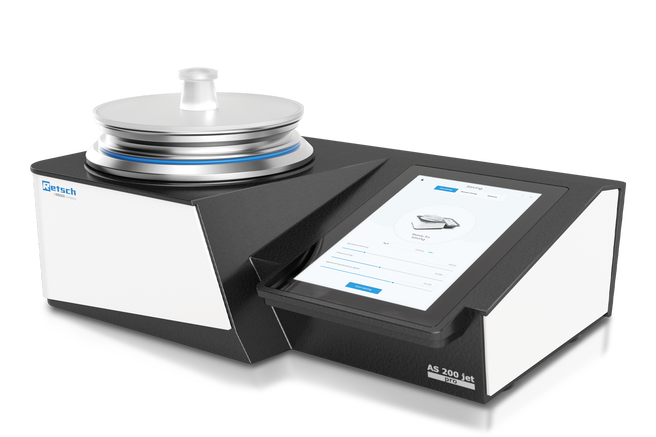
The AS 200 jet pharma is a GMP-conform, all-in-one air jet sieving solution designed to meet the highest standards of pharmaceutical particle analysis. It combines sieving, weighing, and data evaluation in a single compact device, eliminating sample transfer errors and ensuring maximum precision. With intuitive software, guided workflows, and robust hardware, it streamlines routine and complex analyses alike. The internal balance and audit trail features support regulatory compliance and enhance process reliability. Designed for dry sieving and deagglomeration of fine powders, it is ideal for pharmaceutical labs seeking accuracy, efficiency, and traceability.
- All-in-One combining sieving, weighing, and evaluation in one device
- Smart Software & Guided Sieving
- Enhanced Process Reliability via checks and clever assistants
- Flexible & Precise Sieving of fine powders 10 µm – ~4 mm
- GMP conform & Regulatory Readiness
- User management with configurable roles and password protection
- Optional external balance integration and high-performance cyclone
"Even when using the new AS 200 jet pharma for the first time, you immediately notice how well thought-out and user-friendly it is. I am particularly impressed by the guided sieving: the clear step-by-step instructions practically eliminate errors caused by omitted steps.
The integrated, robust balance is a real plus—it makes handling noticeably easier and saves valuable space in the laboratory, as an external balance is no longer necessary. Additional safety features such as the Weighing-Assistant, Backweigh-Tolerance, and trend analysis ensure even greater process reliability in our everyday laboratory work.”
Dr. Michael Ostendorf, Senior Expert Particle Technology/Science Fellow, Bayer AG

결론: Retsch sieving machines are most suitable to assure quality control – whether we are talking about incoming inspection of raw materials, results of R&D trials or production control of substances in manufacturing.
Retsch Benefits for Pharmaceutical Manufacturing and GMP
Steel 316L is widely used in pharmaceutical manufacturing due to its hygienic properties and exceptional resistance to pitting and crevice corrosion. It is a low carbon grade of stainless steel that offers excellent resistance to high temperatures and chemical corrosion. This makes it ideal for applications that require frequent sanitation and low chemical reactivity. Retsch offers some mills in 316L to meet those specific requirements in the pharmaceutical manufacturing.
Pilot-scale grinding of plant materials prior to extraction
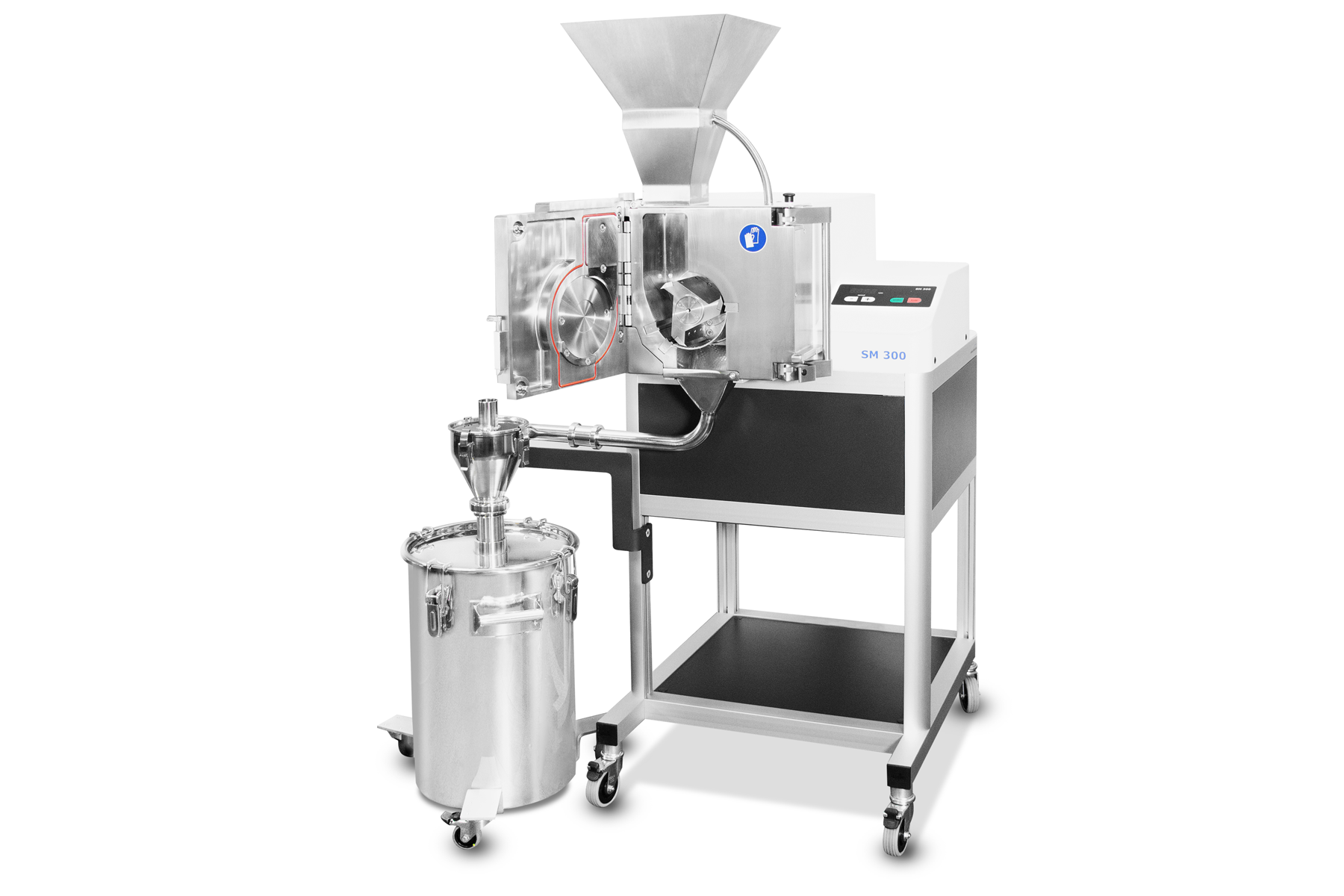
The Cutting Mill SM 300 316L foodGrade version is designed for contamination-free cutting of raw materials for the food and medical industries. All parts in contact with the sample are made of 316L stainless steel or FDA-certified stainless steel, ensuring contamination-free processing. It is equipped with a long-stock hopper for easy feeding of materials like cannabis plant parts or other dried plant materials, herbs and spices. The ground samples can be either used directly in pharmaceutical applications or used for extraction via ethanol or supercritical CO2. The mill's powerful 3 kW drive with high torque and RES technology ensures excellent grinding results, even for tough jobs where other cutting mills fail. The variable speed allows for perfect adaptation to application requirements, and a range of bottom sieves with aperture sizes from 0.25 to 20 mm ensures a defined final fineness.
Co-crystal synthesis on a kilogram scale
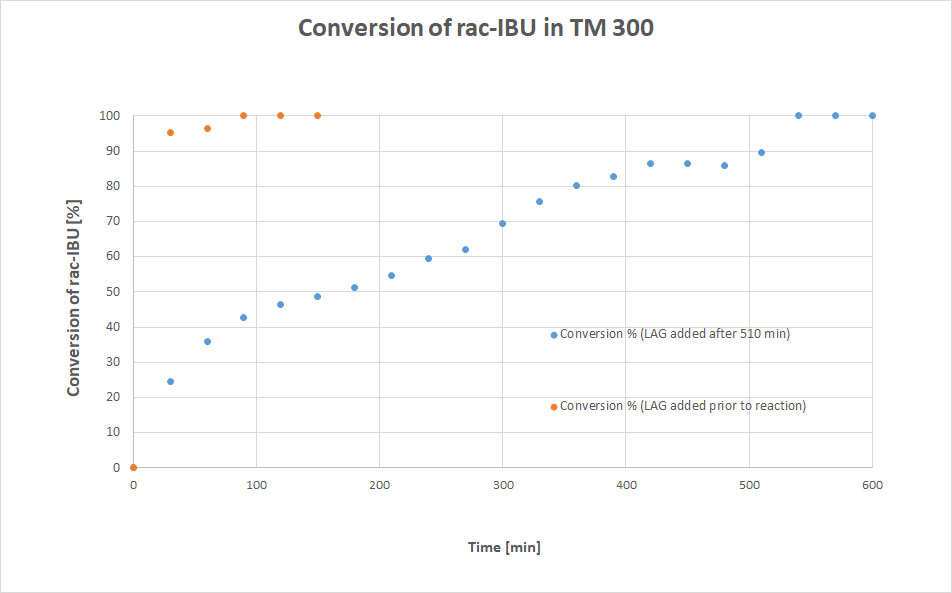
Retsch drum mills, such as the TM 300, are used for the mechanochemical synthesis of pharmaceutical co-crystals in kilogram scale. This method is environmentally friendly and efficient, reducing energy consumption and minimizing environmental impact as hardly any solvents are used. For example, the TM 300 was used to produce 3.2 kg of rac-Ibuprofen:Nicotinamide co-crystals in just 90 minutes with a purity of 99%. [6]
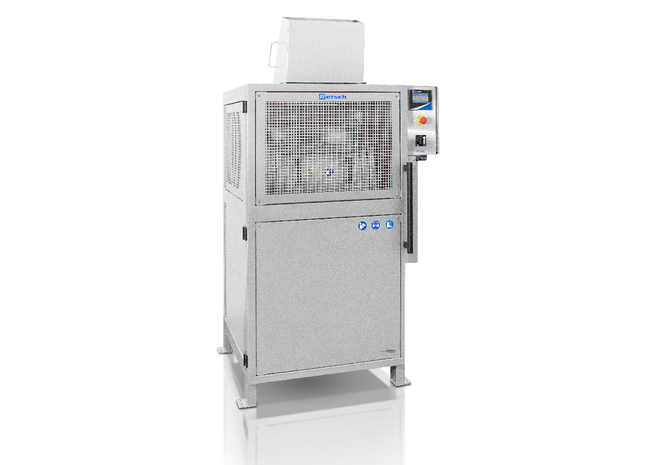
The TM 500 316L is a laboratory ball mill designed to grind large sample volumes up to 35 l. It accepts initial feed sizes of up to 20 mm and can achieve grind sizes down to 15 µm by friction and impact. The TM 500 316L is particularly suitable for applications where the sample must not be contaminated in any way. It features a stainless steel 316L drum and hopper, ensuring contamination-free processing. The mill's variable speed ranges from 10 to 50 rpm, making it adaptable to different application requirements. The TM 500 316L is equipped with an electronic tilt function for easy emptying and programmable grinding breaks to process heat-sensitive sample materials.
측정 시스템 GrindControl GrindControl shows what’s happening inside the grinding jar – in real time
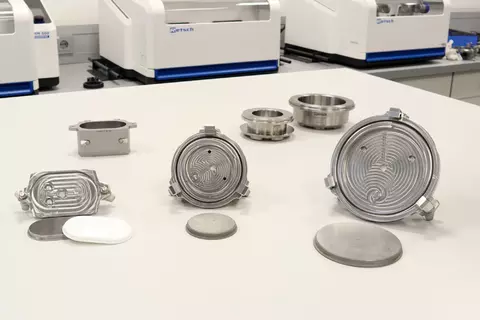
GrindControl provides real-time visibility into processes inside the grinding jar. Pressure and temperature are continuously monitored—ensuring safe, precise control, even with sensitive or reactive materials. Respond promptly to unexpected pressure spikes, and keep a close eye on temperature-sensitive samples and even mechanochemical reactions at all times.
GrindControl at a glance
- Real-time data on pressure & temperature
- Early detection of critical conditions
- Precise process control
- Protection of sensitive materials
- Reproducible results
Production of material suitable for bone implant
Using bones as material for bone implants is a highly effective approach in medical implants. Natural bone materials, such as autografts and allografts, are commonly used due to their excellent biocompatibility and ability to integrate with the patient's existing bone. These materials provide a natural scaffold that promotes bone regeneration and healing. Overall, the use of bones as material for bone implants offers a reliable and effective solution for bone repair and regeneration. The process of preparing bone materials for implants involves grinding and pulverizing the bone to achieve the desired particle size and consistency. Various milling techniques, such as those offered by Retsch mills, are employed to ensure the bone material is processed efficiently and safely.
Especially Cutting Mills are used to pre-grind larger sample quantities if required. Fine grinding steps are carried out in Ultra Centrifugal mill ZM 300 or Ball Mills like MM 400 or the CryoMill. Using first the SM 300 and then the ZM 300, about 800 g bones can be fine ground to less than 200 µm in about 25 min.
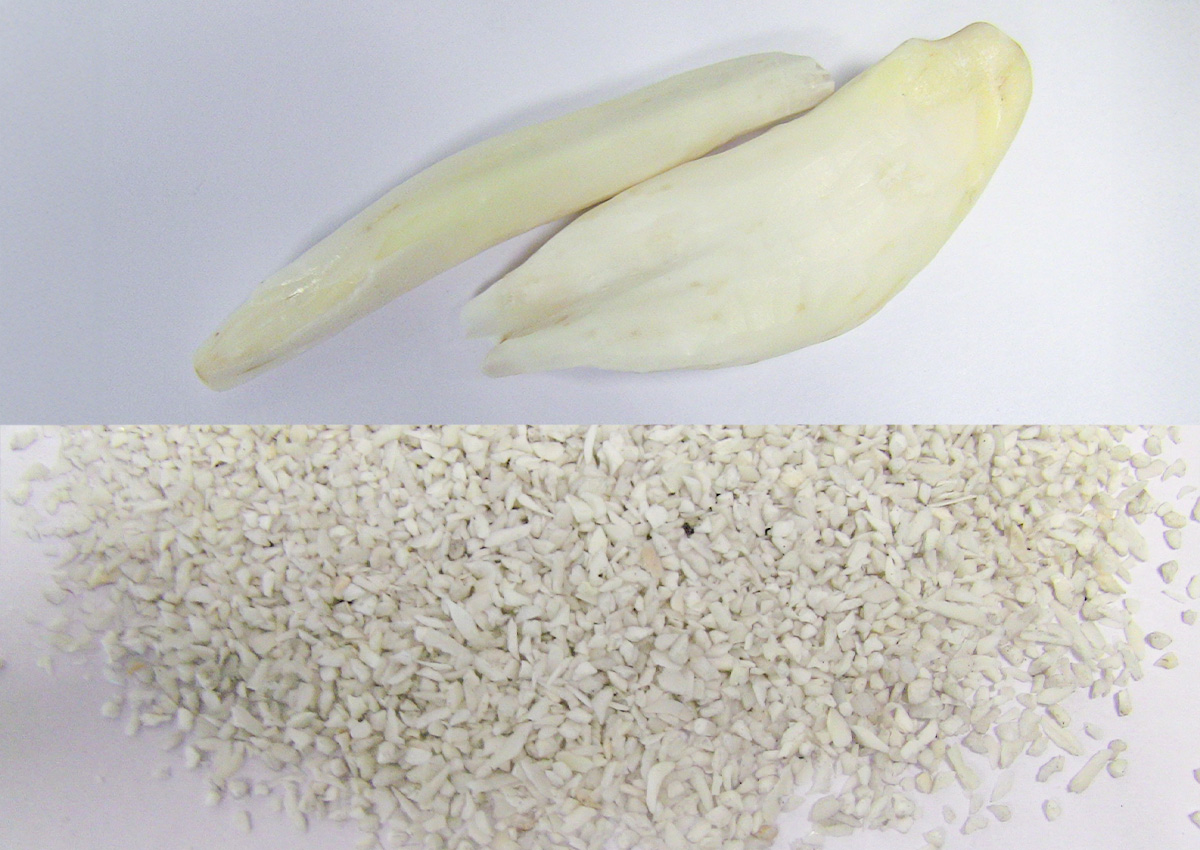
Pig teeth, 100 g
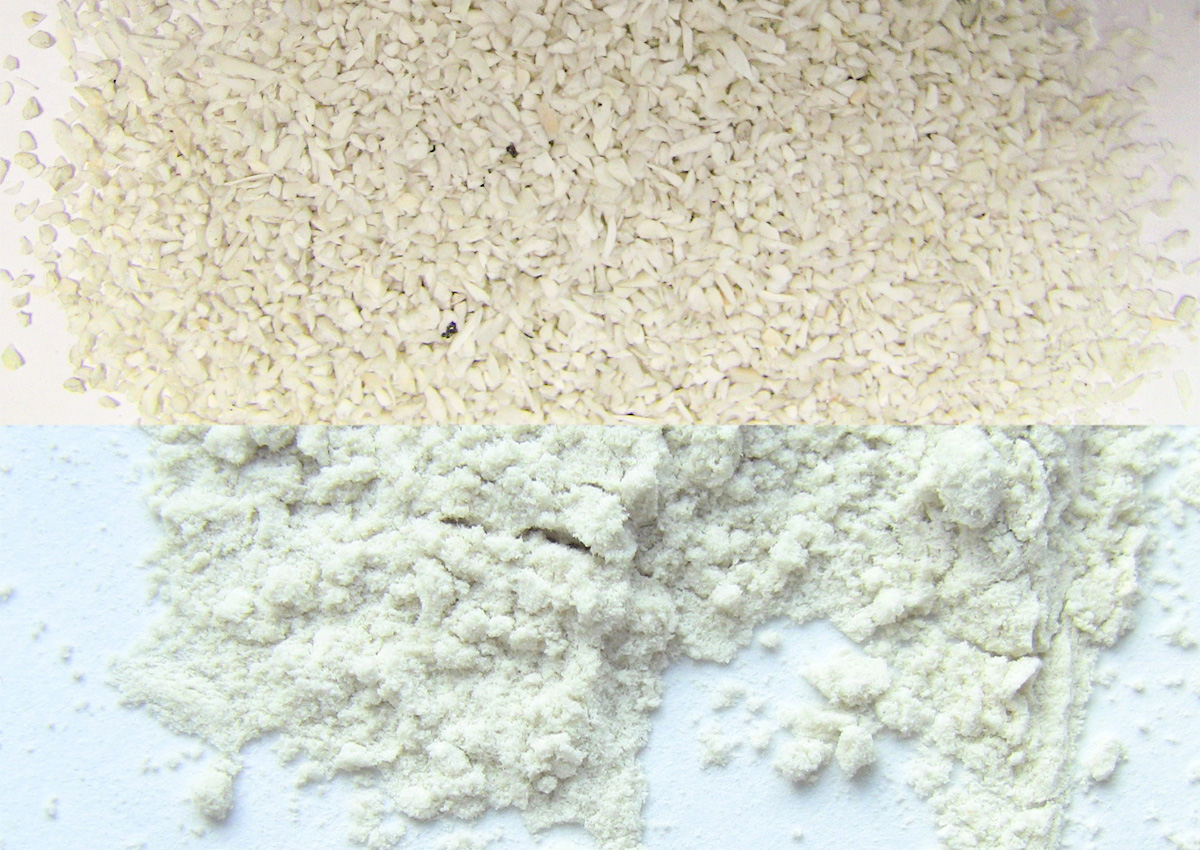
Pig teeth, 6 g
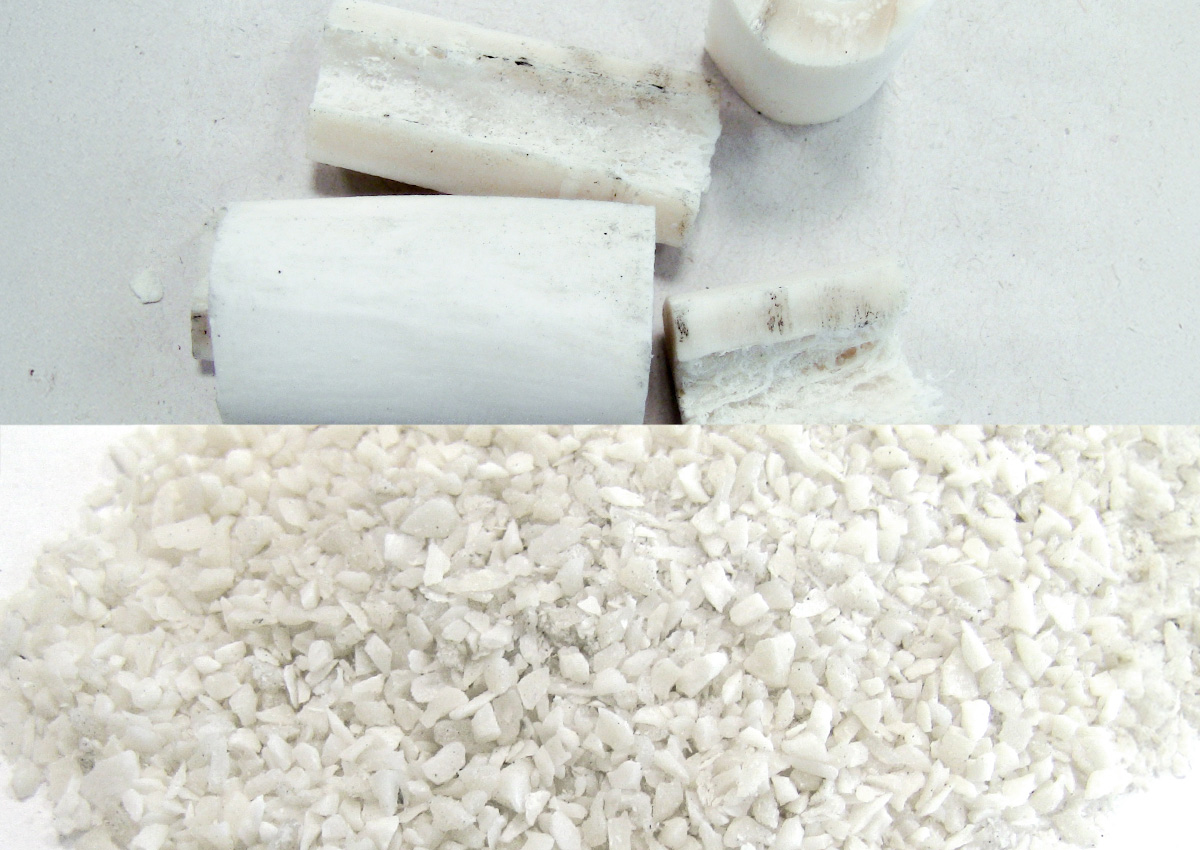
Human bones, 100 g
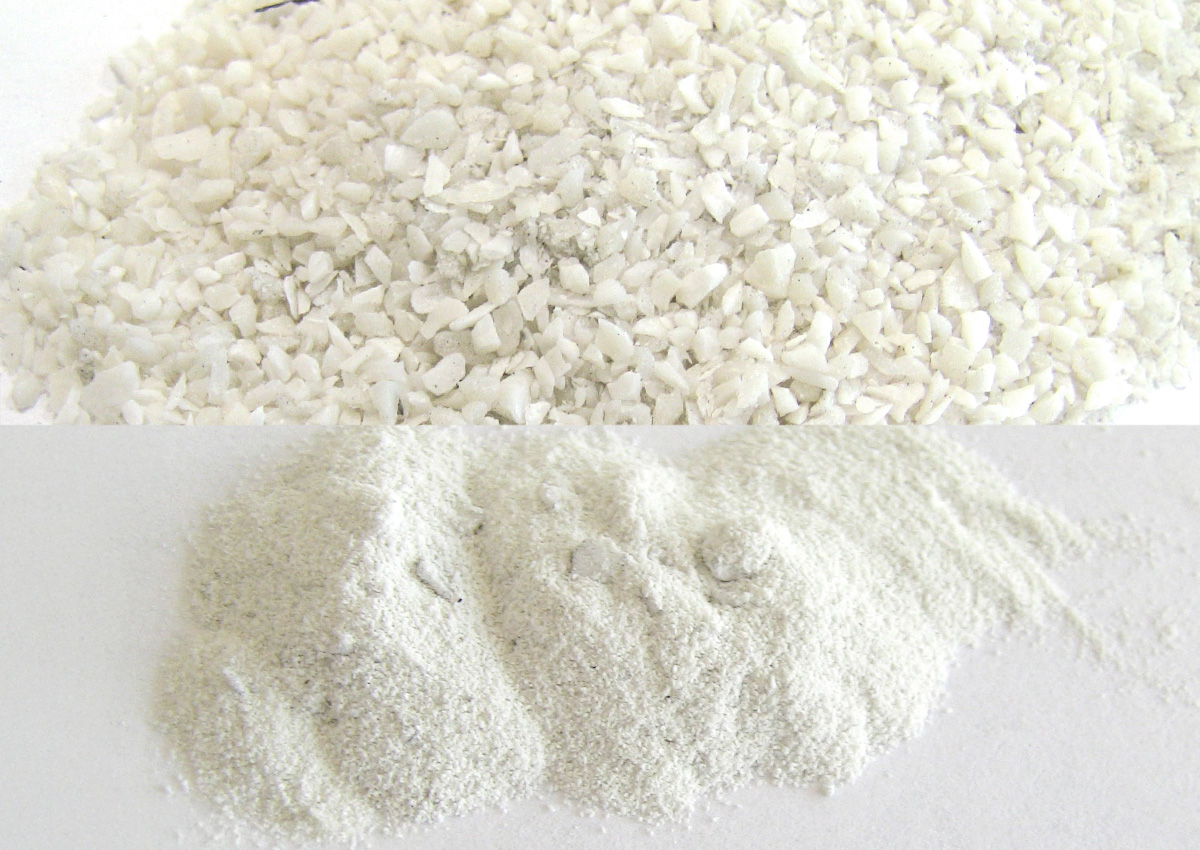
Human bones,800 g
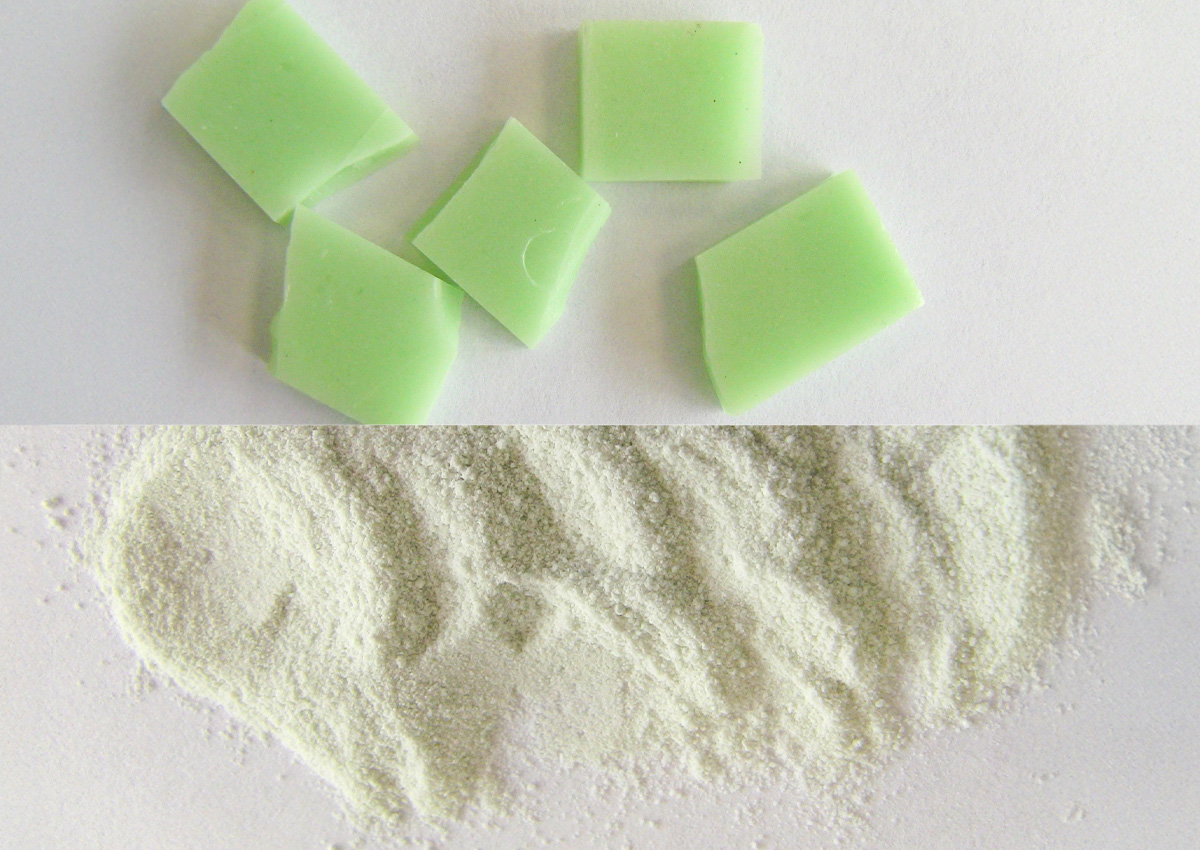
Bone cement, 3 g
Sieve analysis in pharmaceutical production
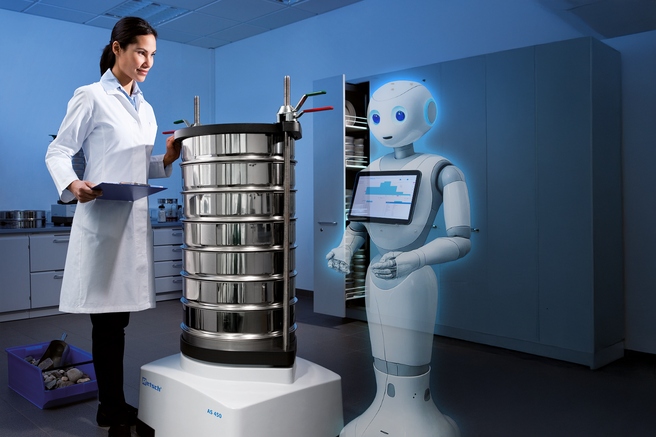
Retsch sieve shakers are essential tools in pharmaceutical production for ensuring precise particle size analysis. The AS 200 control and AS 200 jet models are particularly notable, with the former offering precise control over sieving parameters and the latter being ideal for fine powders due to its air jet dispersion method. These machines help maintain the uniformity, stability, and purity of drug formulations, which are crucial for determining the dissolution rate, bioavailability, and overall efficacy of pharmaceutical products. Additionally, Retsch sieve shakers comply with ISO 9001 guidelines, ensuring reproducibility and high-quality results.
Your digital sieving colleague
Your work deserves efficiency and reliability – EasySieve pro and its variant EasySieve pharma replace our classic EasySieve software – and the functionality has been significantly expanded for you. Control your sieve analyses in a timesaving and error-free manner!
Every day in the laboratory, you are under time pressure. Incorrect sieving wastes valuable working time and delays subsequent processes. EasySieve pro | pharma was developed precisely for your needs: The software facilitates the preparation, execution, and digital evaluation of your particle size analyses and minimizes sources of error – so you can concentrate on the really important tasks.
Special focus cell disruption and tissue homogenisation
DNA, RNA, and proteins play crucial roles in the development of innovative therapies and diagnostics. DNA technology, particularly recombinant DNA, enables the production of therapeutic proteins such as insulin and growth hormones, which are essential for treating various genetic disorders. RNA-based therapeutics, including mRNA vaccines and RNA interference (RNAi) therapies, offer promising approaches for targeting specific genes and treating diseases like cancer and viral infections. Proteins, on the other hand, are used as biopharmaceuticals, including monoclonal antibodies and enzymes, which are vital for treating a wide range of conditions. These biomolecules are integral to advancing personalized medicine. Cell disruption using bead beating is a widely used mechanical method for breaking cells to release their intracellular components like DNA or proteins. This technique involves mixing the cell suspension with beads made of glass and then agitating the mixture to create shearing forces that crack the cell walls. Bead beating is effective for a variety of cell types, including bacteria, yeast, fungi, and algae. It is particularly advantageous because it can process multiple samples simultaneously without the risk of cross-contamination and does not require the addition of chemicals that might interfere with subsequent extraction steps. The process can be performed on a small scale using 2 ml single-use vials or on a larger scale with 50 ml disposable Falcon tubes. For example, the Mill MM 400, equipped with different adapters, can efficiently disrupt cells in both small and large volumes, making it a versatile tool for laboratory applications.
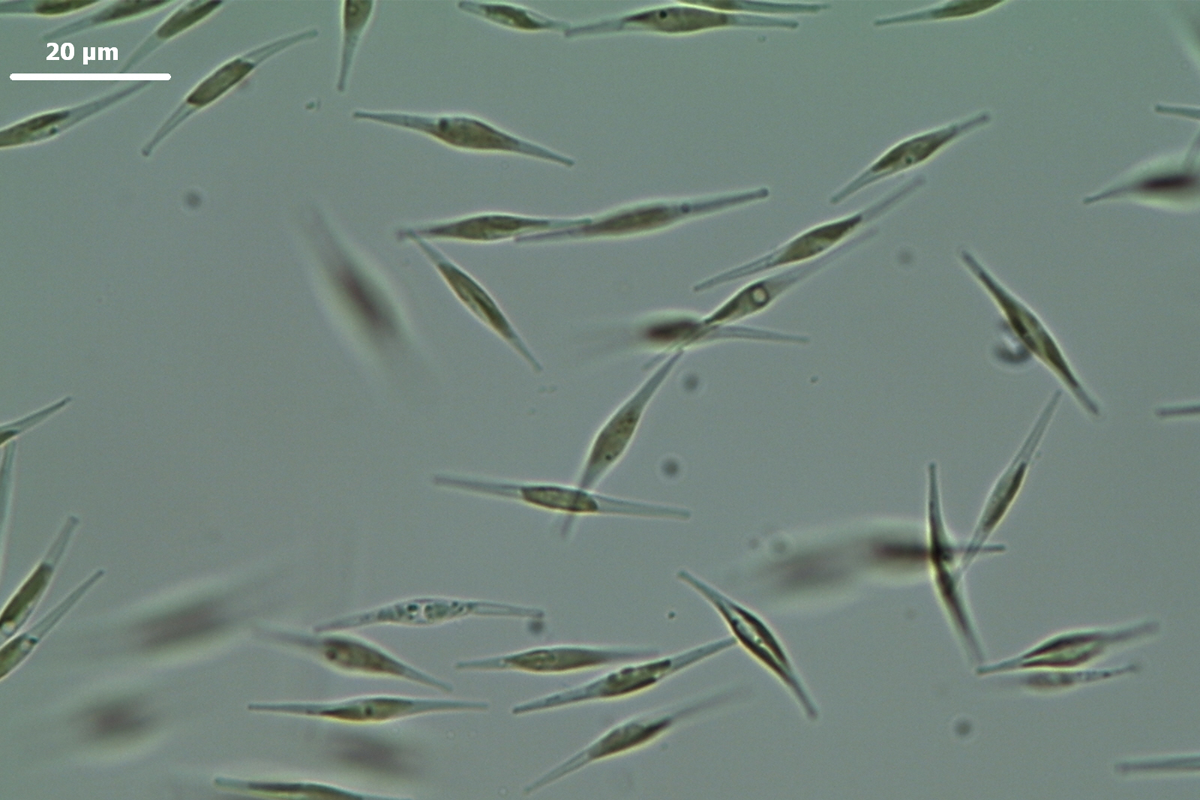
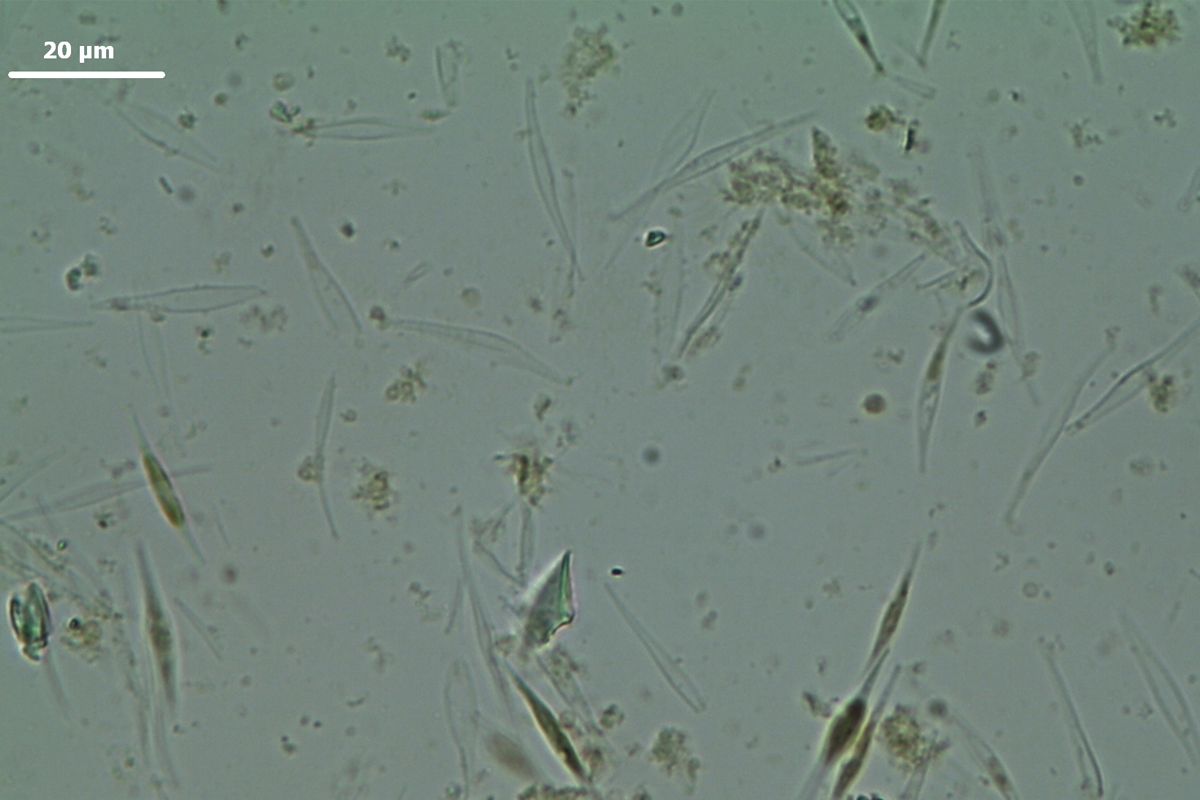
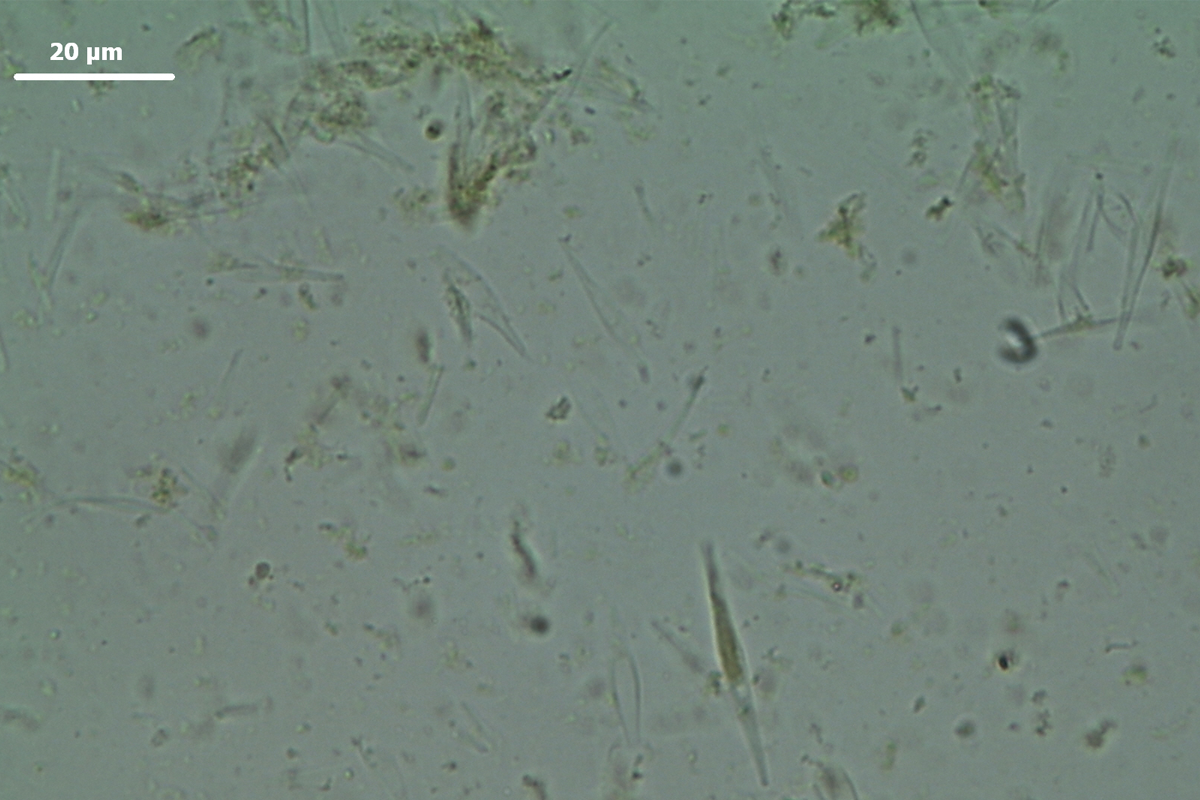
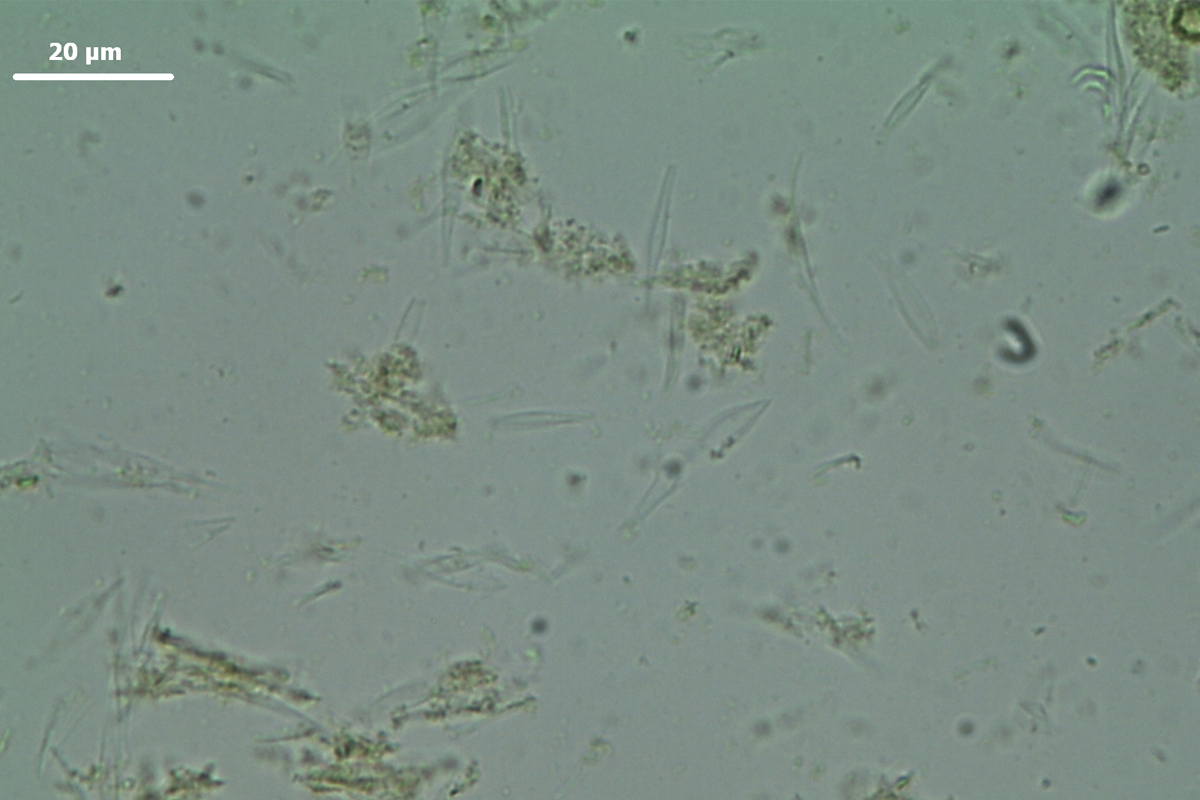
Phaeodactylum tricornutum의 세포 이전 (왼쪽) 및 세포 중단 후 (오른쪽) MM 400 Falcon 튜브 어댑터와 결합.
The CryoMill is an excellent tool for cell disruption using larger grinding balls, especially for samples that are sensitive to heat. By cooling the material in the grinding jar to -196°C with liquid nitrogen, the CryoMill ensures that the integrity of proteins and other cellular components is preserved during the disruption process. With the MM 500 control, up to 2 x 20 ml cell suspension can be processed cryogenically (temperature range from 0 °C to – 100°C) or just in a cooled way, for example at 10°C.
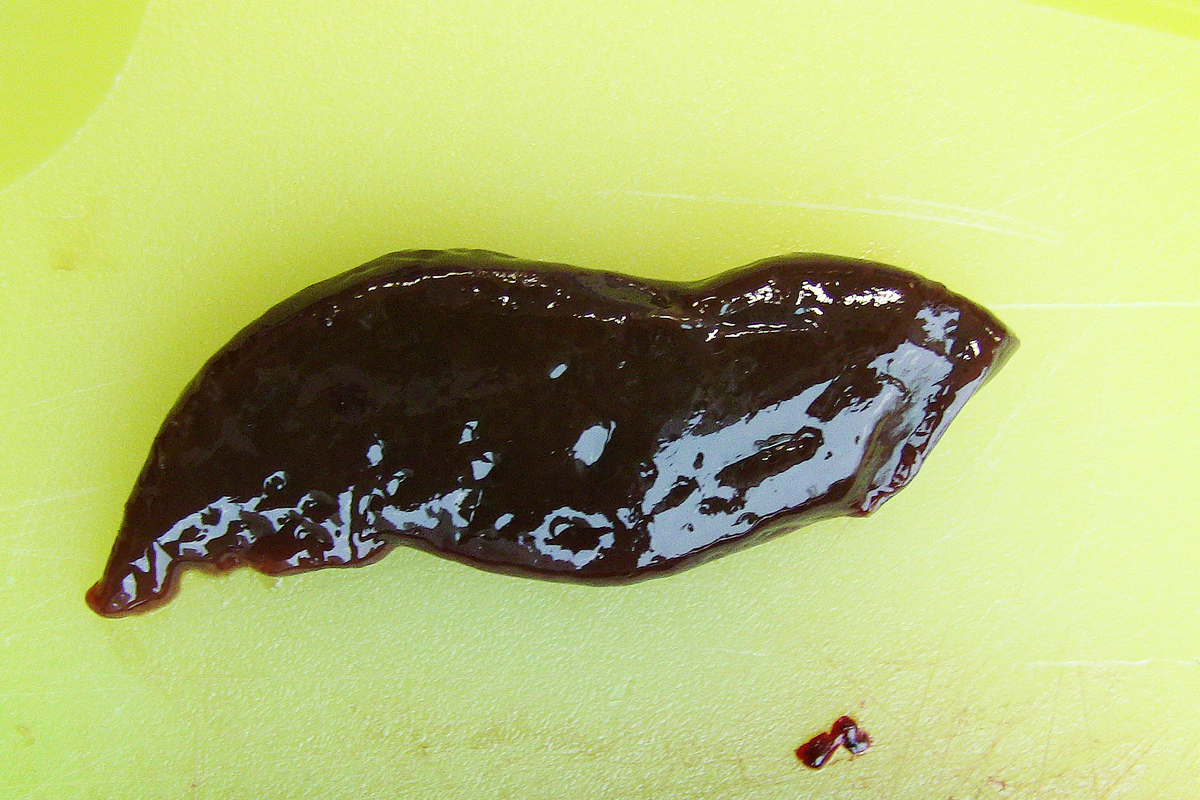
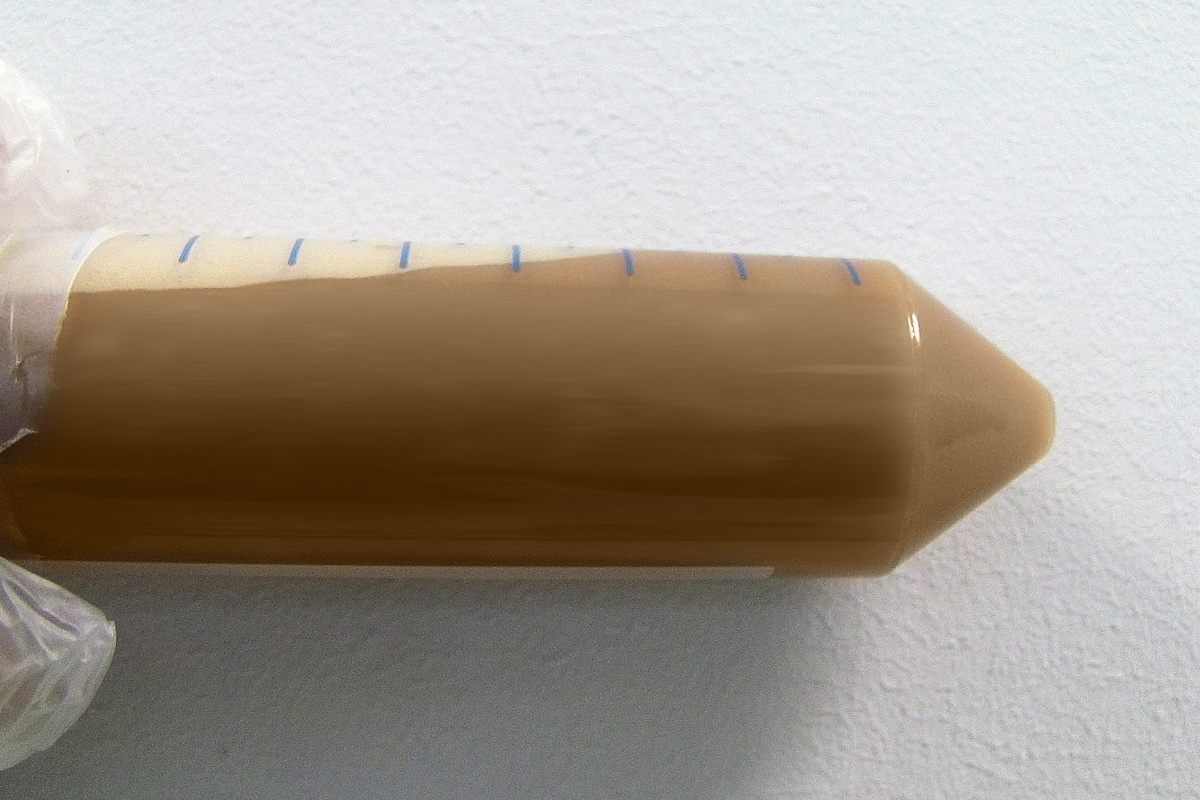
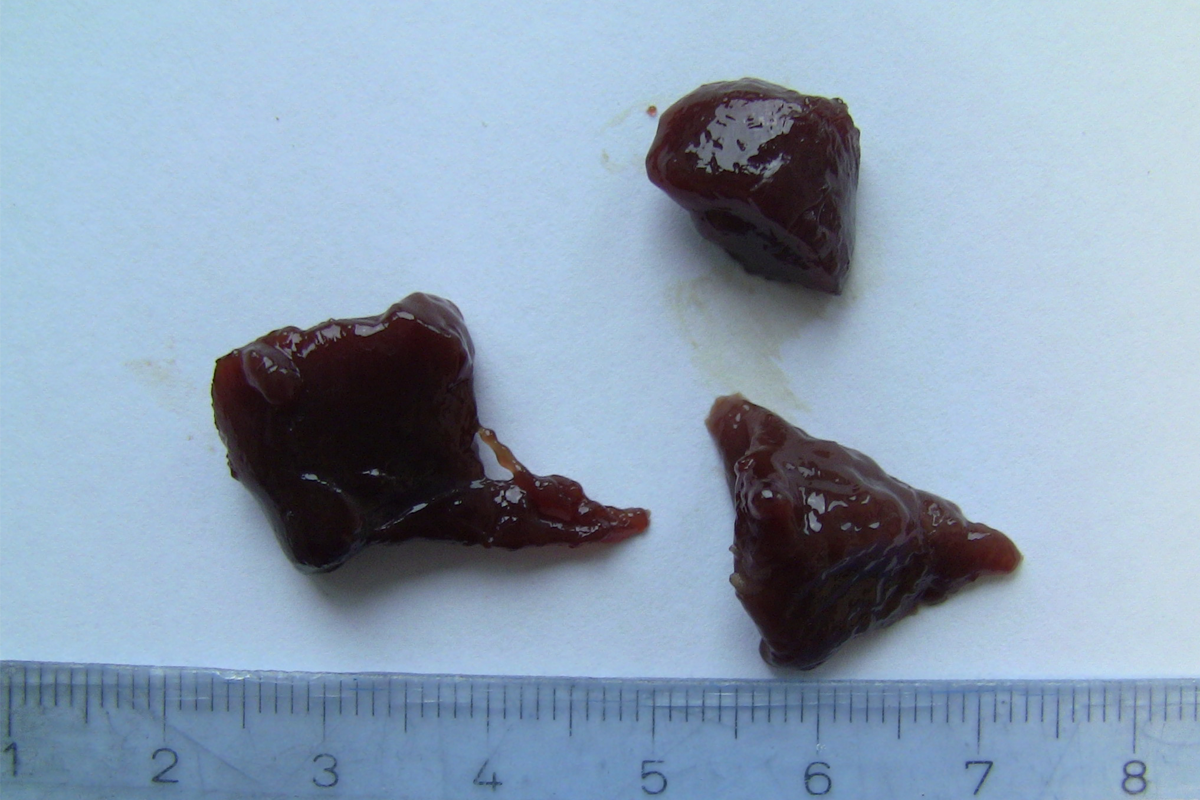
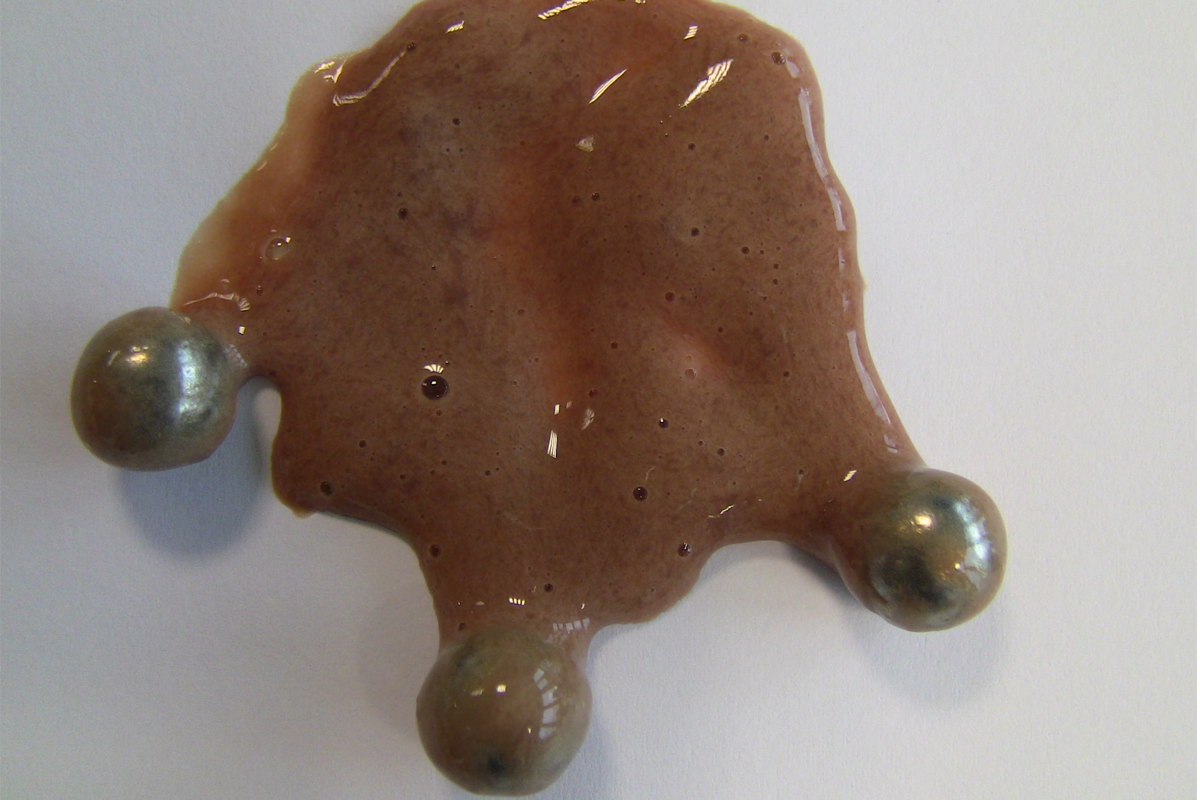
Retsch equipment also offer solution for the homogenisation of tissue samples like liver or skin. Again, such samples can be homogenized in 2 ml or 5 ml Eppendorf tubes or in 50 ml Falcon tubes.
MM 400 homogenization 이전과 후 간 샘플
This section is derived from the following page:
우리의 백서와 기사로 더 많은 통찰력을 얻으십시오.

A driving force in ingredient research
The discovery of new drugs (drug discovery) is a complex process that ranges from basic research to preclinical testing and clinical trials. In each of these phases, you benefit from precise and reproducible sample preparation, which has a significant impact on the success of your research. With Retsch’s customized solutions, you can specifically increase the efficiency and quality of your processes – from the initial sample to the market-ready formulation.
How Cyclone Separators Redefine Efficiency and Cleanliness in the Lab
Cyclone separators deliver substantial benefits when used with mills in laboratory settings. While cutting mills or rotor mills are already frequently operated with a cyclone, also jaw crushers and disc mills benefit greatly from this setup. By using a cyclone, it is even possible to combine two mills directly: for example, a two-stage grinding process with a jaw crusher and a disc mill can be completed in a single step.

Process reliability in Pharmaceutical Research and Production
Precision and efficiency as a competitive advantage In pharmaceutical research and production, precision, reproducibility, and regulatory compliance are crucial to your success. Precise control of particle size has a significant impact on drug distribution, tableting, and quality assurance. With advanced laboratory solutions from Retsch, you can enable your team to confidently master these challenges and maintain the highest level of product quality.
SM 50: Optimized Grinding Process for Smaller Sample Quantities
For the grinding of singular children's toys for analytics of hazardous substances, a feather sample with a low weight or a small batch of herbs, the existing range of cutting mills does not yet offer a satisfactory solution. The lossy sample recovery of larger machines as well as the difficulties of smaller machines to take up large samples or milling power to provide the necessary performance for effective processing define the problems.
참고
[1] Group of Professor Duncan L. Browne, Department of Pharmaceutical and Biological Chemistry, University College London: Robust Buchwald-Hartwig amination enabled by ball-milling; Org. Biolol. Chem. 2019, 17, 1722 DOI: 10.1039/c8ob01781f
[2] Group of Professor Duncan L. Browne, Department of Pharmaceutical and Biological Chemistry, University College London: Direct Amidation of Esters by Ball Milling; Angew. Chem. Int. Ed. 2021, 60, 21868-21874; doi.org/10.1002/anie.202106412
[3] Group of Professor Hajime Ito, Division of Applied Chemistry, Faculty of Engineering, Hokkaido University: Solvent-free zinc-mediated Bechamp reduction using mechanochemistry; DOI: 10.1039/d4mr00138a
[4] Group of Professor Hajime Ito, Division of Applied Chemistry, Faculty of Engineering, Hokkaido University: Solid-state aromatic nucleophilic fluorination: a rapid, practical, and environmentally friendly route to N-heteroaryl fluorides; Green Chem., 2025, 27, 1771; DOI: 10.1039/d4gc06362g
[5] Group of Professor Duncan L. Browne, Department of Pharmaceutical and Biological Chemistry, University College London: Temperature-Controlled Mechanochemistry for the Nickel-Catalyzed Suzuki-Miyaura Coupling of Aryl Sulfomates via Ball Milling and Twin-Screw Extrusion; Angew. Chem. Int. Ed. 2022, 61, e202210508; doi.org/10.1002/anie.202210508
[6] Jan-Hendrik Schöbel, Frederik Winkelmann, Joel Bicker, and Michael Felderhoff; Mechanochemical kilogram-scale synthesis of rac:ibuprofen:nicotinamide co-crystals using a drum mill; RSC Mechanochemistry, 2025, DOI: 10.1039/D4MR00096J
[7] Reaction scheme and performance of the experiments: Dominik Al-Sabbagh, Chemistry Laboratory Technician, Division 6.3 – Structure Analysis, Federal Institute for Materials Research and Testing (BAM), B
무료 상담 문의하기
RETSCH 제품과 서비스는 자회사와 완벽하게 교육된 유통업체의 글로벌 네트워크를 통해 제공됩니다. 당사의 모든 직원들이 고객님의 문의 사항을 기꺼이 도와드리겠습니다.