





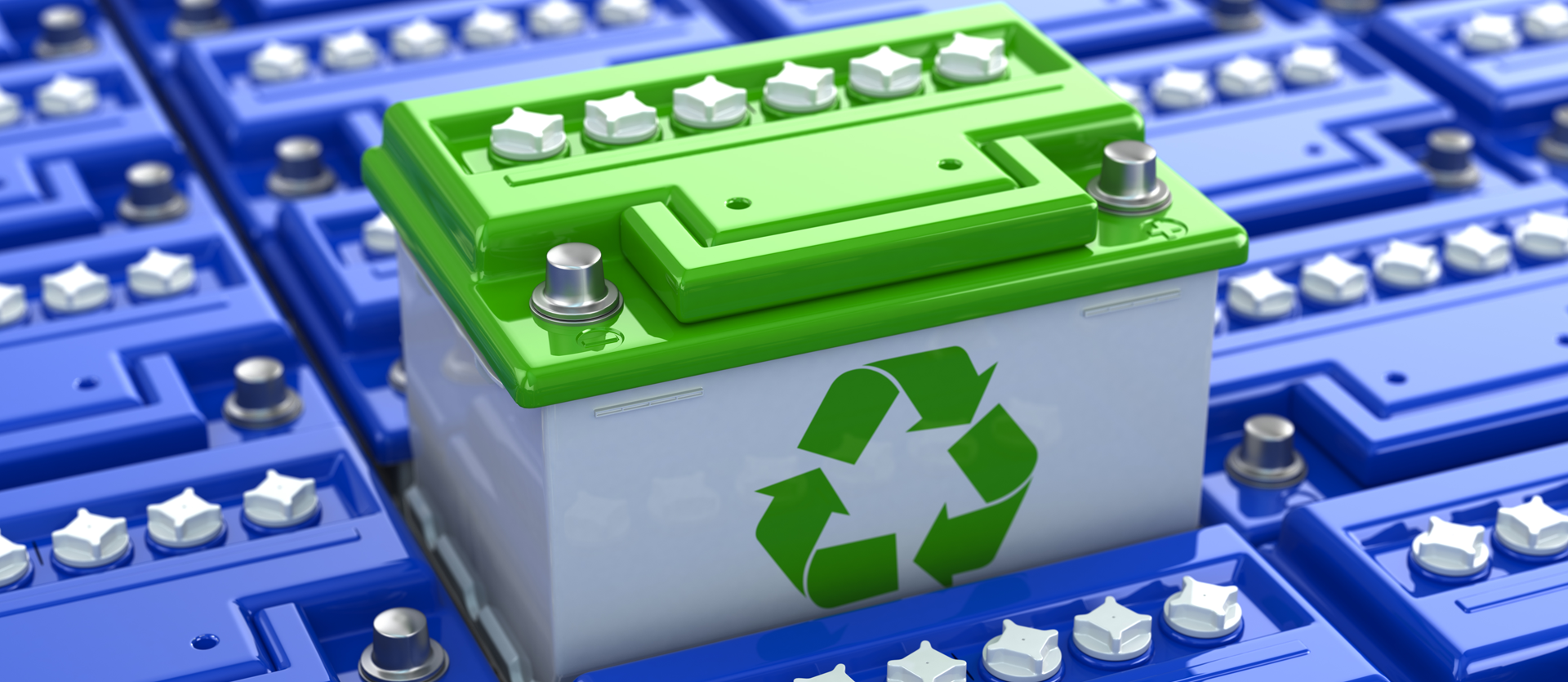
배터리 기술 배터리 연구, 생산, 품질 관리 및 재활용에서 실험실 공장의 역할
초기 연구에서부터 제조, 품질 보증 및 재활용 프로세스에 이르기까지 Retsch 실험실 밀리는 배터리 생산 가치 체인의 모든 단계에서 중요합니다. 볼 밀 배터리 연구 및 개발에 기여하며 새로운 배터리 재료 시스템의 혁신에 중요한 역할을합니다.
Giga 공장, 재활용 시설 및 테스트 실험실은 Retsch 밀을 사용하여 배터리 구성 요소와 배터리 재료를 균형화하여 포괄적인 품질 분석을 준비합니다. Retsch 초기 밀링, 미세 밀링, 샘플 분할 및 시브를 통한 입자 크기 분석을 포함한 다양한 솔루션을 제공합니다.
Unlocking the potential: The role of ball mills in battery technology
This paper provides a comprehensive overview of the general use of ball mills and their application in battery technology. It covers the wide range of ball mill applications throughout the battery manufacturing process, from raw materials to recycling. The benefits of using ball mills are illustrated by ten specific application examples taken from research and quality control. Specific information on the details of the grinding process is provided to give an in-depth understanding of ball mill technology.
Applications for battery technology
Read how RETSCH’s crushers, mills and sieve shakers are used for pulverization and size analysis of basic materials, components and recycling fractions.
배터리 소재의 입자 크기 감소
활성 재료의 입자 크기 및 입자 크기 분포는 용량, 전력 밀도, 속도 능력, 에너지 밀도, 수명주기 안정성 및 안전과 같은 전반적인 배터리 성능을 현저하게 정의합니다. RETSCH 샘플 밀는 니켈, 망간, 코발트, 리튬 함유 재료 또는 그래피트와 같은 원료의 입자 크기 감소 또는 활성 전극 재료의 deagglomeration에 사용됩니다.
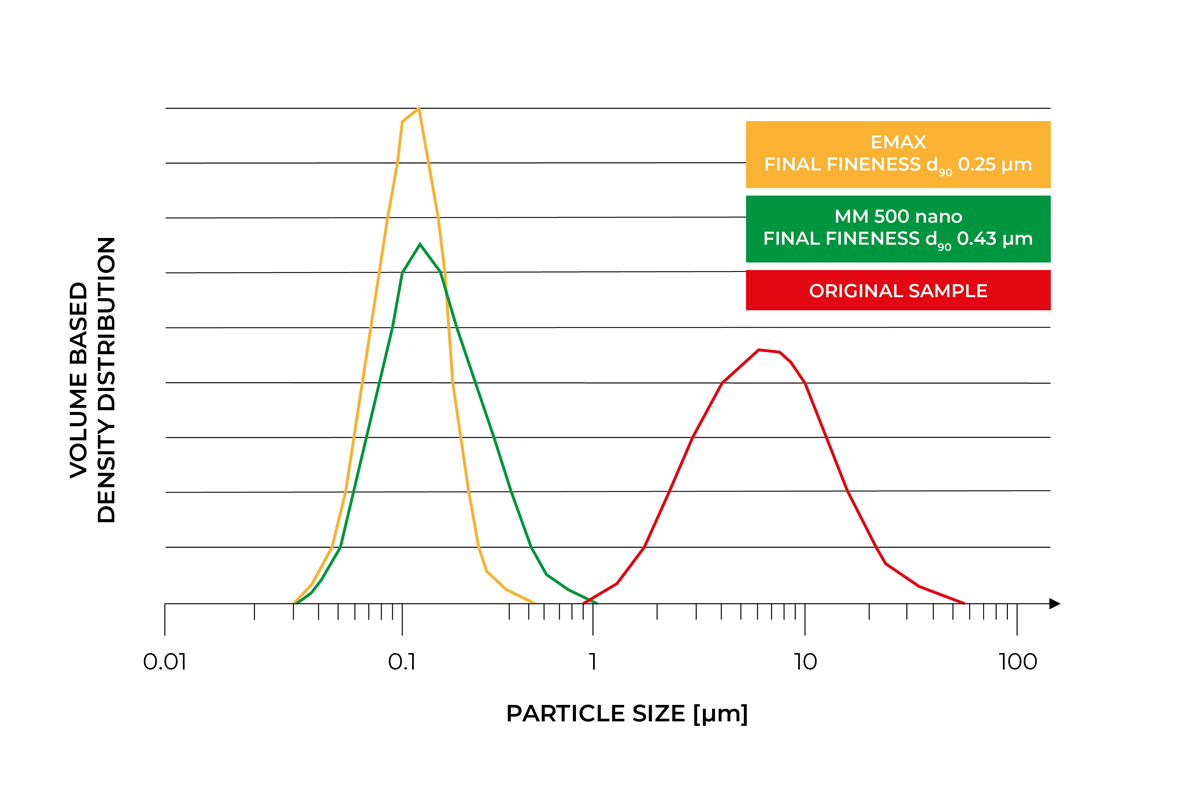
Particle size reduction of silicon
Particle size reduction of LPS under controlled atmosphere and temperature
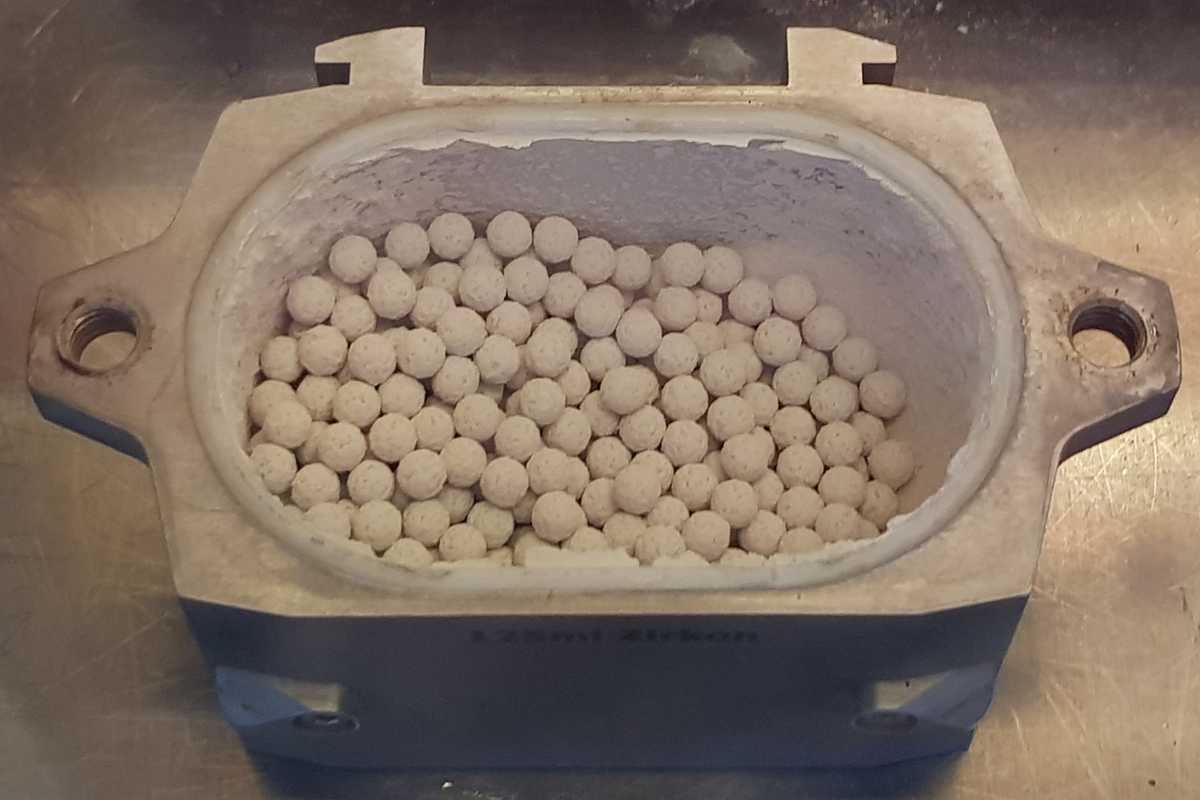
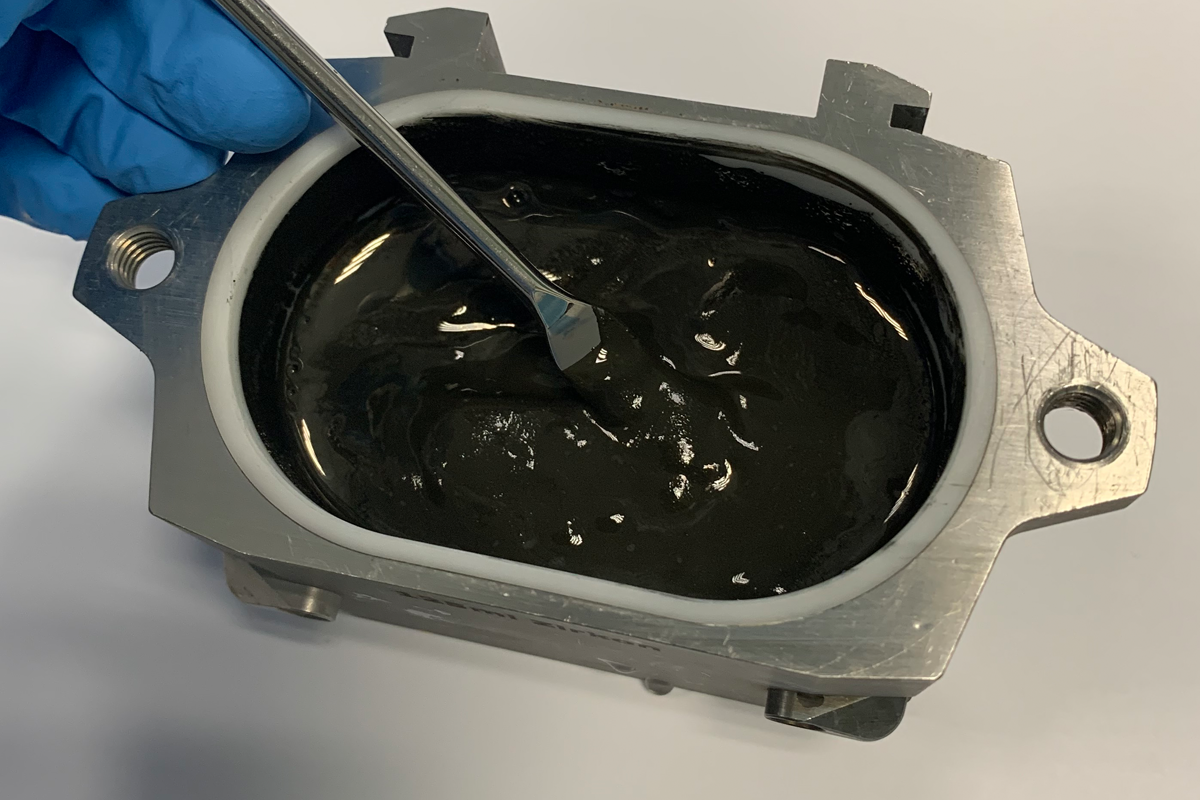
Particle size reduction of graphite through wet grinding
배터리 재료의 혼합 및 코팅
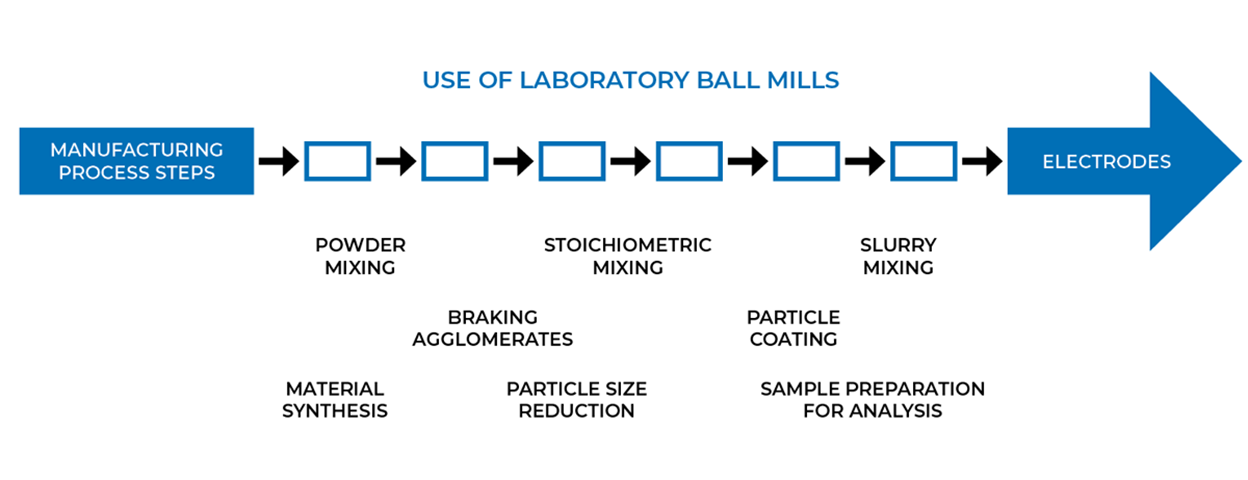
배터리 생산은 혼합 및 코팅 프로세스의 광범위한 범위를 포함합니다. 혼합 및 휘두르기 믹서와 같은 다양한 장비는 일반적으로 혼합에 사용됩니다; 볼 밀 적합 할 수 있습니다, 특히 연구 환경에서. 볼 블렌에서 샘플 재료의 지속적인 이동, 에너지 입력 수준이나 볼의 존재에 관계없이, 우수한 혼합 및 코팅 결과로 이어집니다.
혼합
볼 밀은 대용량의 젖은 혼합 및 건조 혼합 모두에 적합합니다. 건조 혼합 프로세스의 예는 활성 카토드 재료의 생산으로, 건조 재료의 정밀한 스튜히오메트릭 혼합을 필요로합니다. 젖은 혼합 프로세스, 예를 들어, 전극 슬러리 생산, 재료 구성, 혼합 강도, 온도 변동, 점도 변화, 및 슬러리에 화학 물질을 추가하는 순서의 연구를 포함한다.
RETSCH 믹서 밀은 에너지 입력, 시간, 온도와 같은 매개 변수를 완전히 제어합니다.
코팅
볼 밀의 코팅 프로세스는 두 가지 기본 원칙에 의존한다: 두 재료와 기계적 코팅 입자의 동적 혼합을 달성. 이것은 코팅 재료의 입면에 접착을 촉진하는 충격 효과를 생성하여 달성된다.
모두 젖은 및 건조 코팅 방법은 배터리 전극의 성능을 향상시키기 위해 사용된다. 예를 들어, 리튬 이온 배터리에서 실리콘 입자들은 회전 안정성을 향상시키기 위해 폴리머 코팅을받을 수 있다.
RETSCH 볼 밀은 다른 코팅 기술에서 뛰어난 점을 얻을 수 있다.
새로운 배터리 재료의 합성
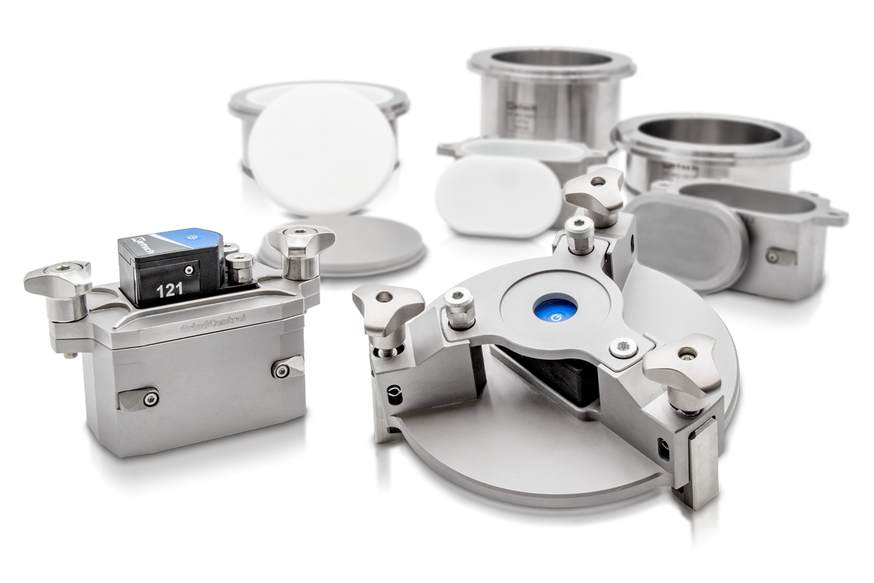
Mechanochemical synthesis has become particularly popular in the field of battery technology, where it is used to produce innovative electrolytes, separators or multiphase composites of high purity or to optimize their microstructure. For example, synthesizing novel solid electrolytes through a solvent-free process or improving their performance and stability. Another application is in environmentally-friendly recycling reactions such as the mechanochemical reduction of cathode material for lithium-ion batteries. All types of ball mills are suitable for mechanical synthesis. The chemicals involved are typically air-sensitive and expensive, so batch processing in small-cavity jars - as available for RETSCH Mixer Mills - is advantageous.
Process control with GrindControl
배터리 재료 개발에서 온도 및 압력 모니터링은 재료 무결성을 유지하는 최적의 조건을 보장하기 위해 중요합니다. 이러한 매개 변수는 재료의 물리적 및 화학적 특성에 영향을 미치고 성능에 직접적인 영향을 미칩니다. 이러한 조건의 정확한 제어는 일관된 결과를 달성하고 생산 프로세스의 성공적인 확장을 가능하게하는 데 필수적입니다. 용기 내의 온도와 압력을 측정하는 특별한 덮개가 제공됩니다.
RAMAN Spectroscopy with Mixer Mills
Mixer Mills는 in-situ RAMAN 스펙트로스코피에 특히 적합하며, 기계화학 반응 역학에 대한 상세한 연구를 가능하게합니다. MM 400 RAMAN 스펙트로미터가 투명 PMMA 밀링 잔의 바닥을 향해 지시하는 두 개의 개방을 갖춘 분리 가능한 바닥 플레이트를 갖추고 있습니다. Mill은 최대 99 시간의 처리 시간을 제공합니다.
Working under inert atmospheres
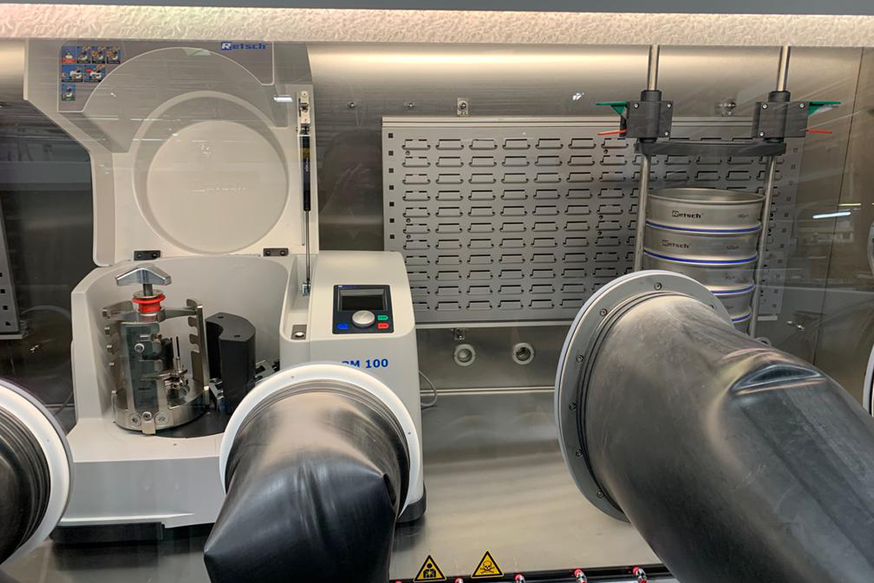
The usual process for handling atmosphere-sensitive materials is to fill and open the jars in the glove box. Aeration lids can also be used to control or change the atmosphere in the closed jar. It is also possible to house a complete planetary ball mill in a glove box.
실험실 규모에서의 배터리 재활용
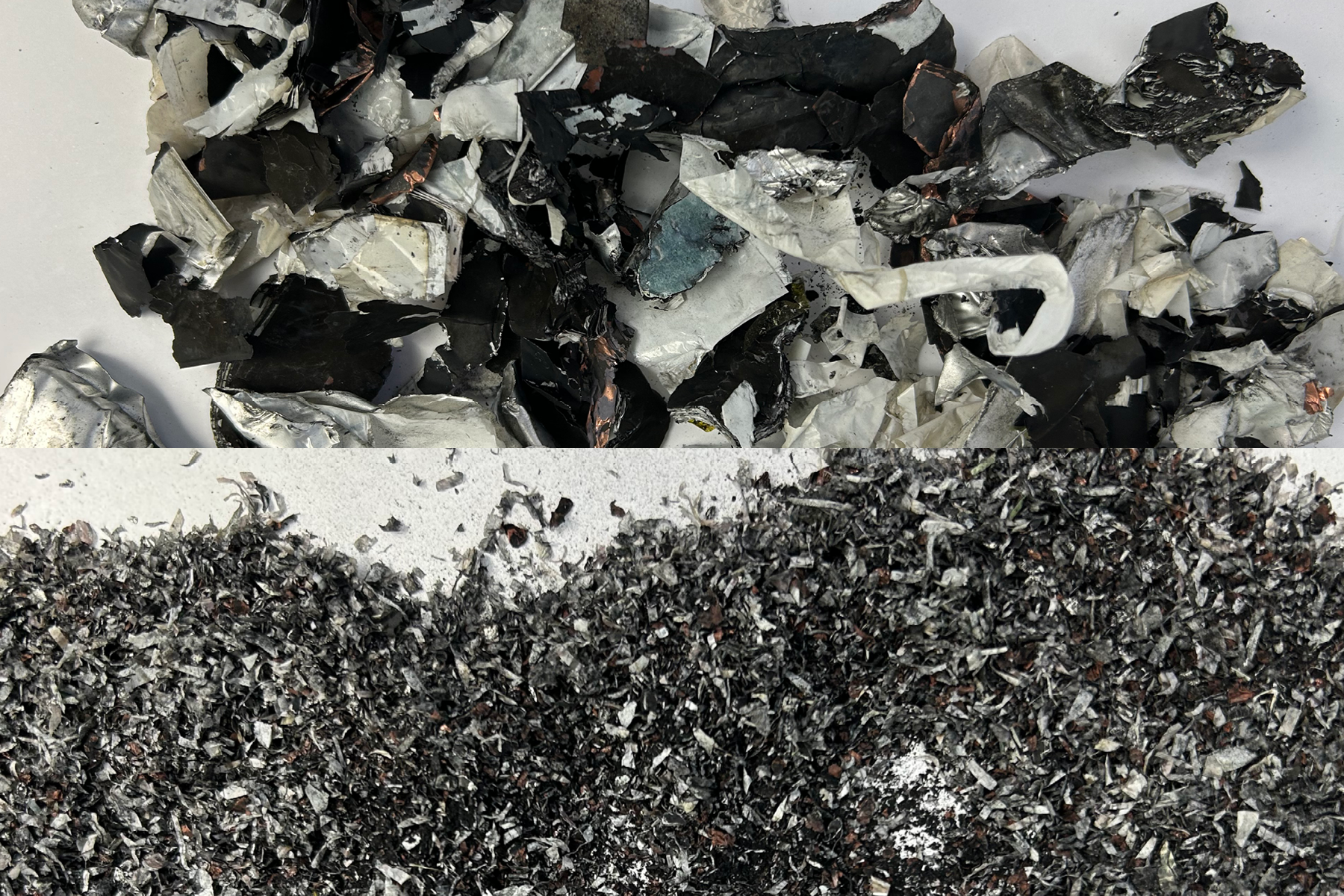
1. Shredding
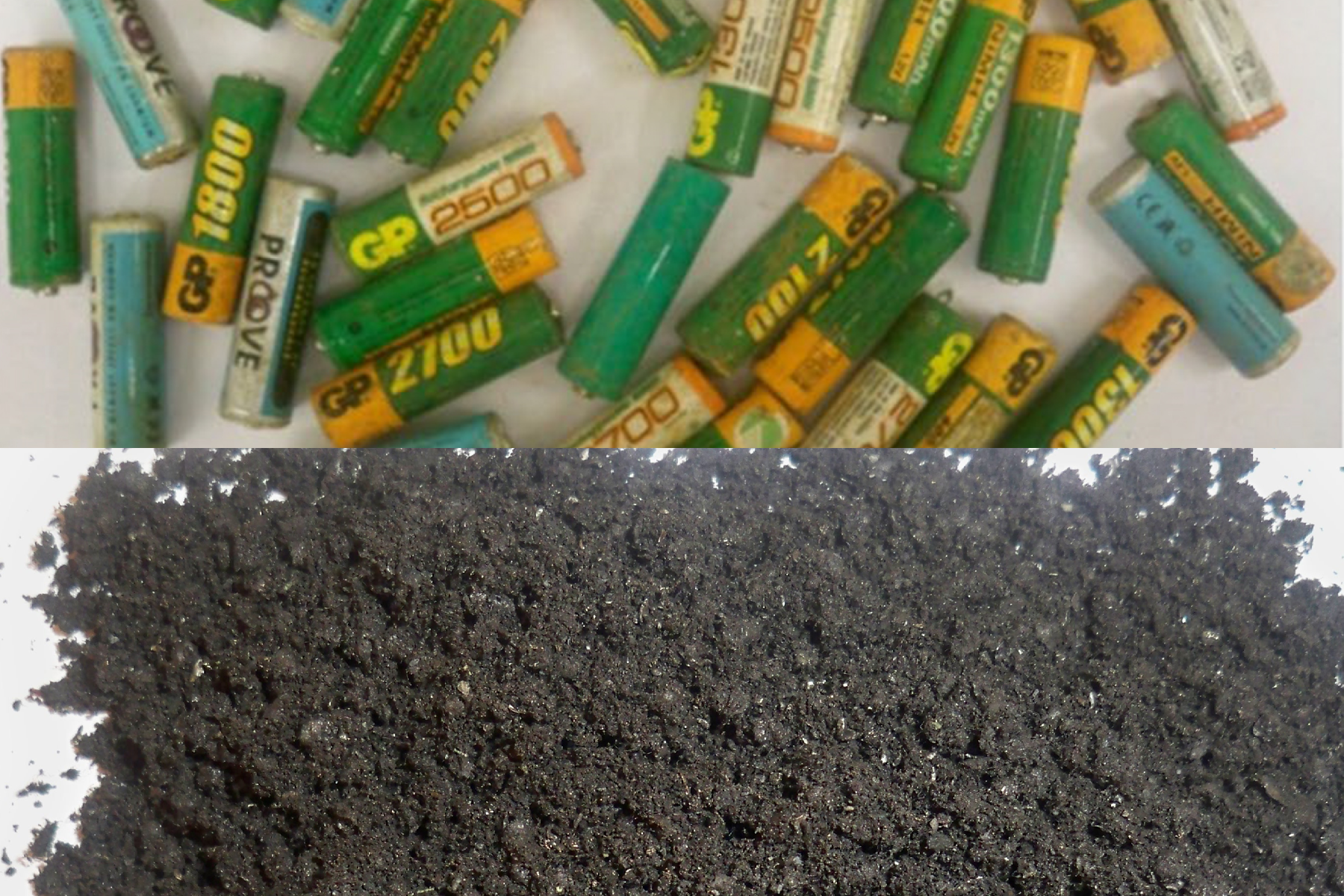
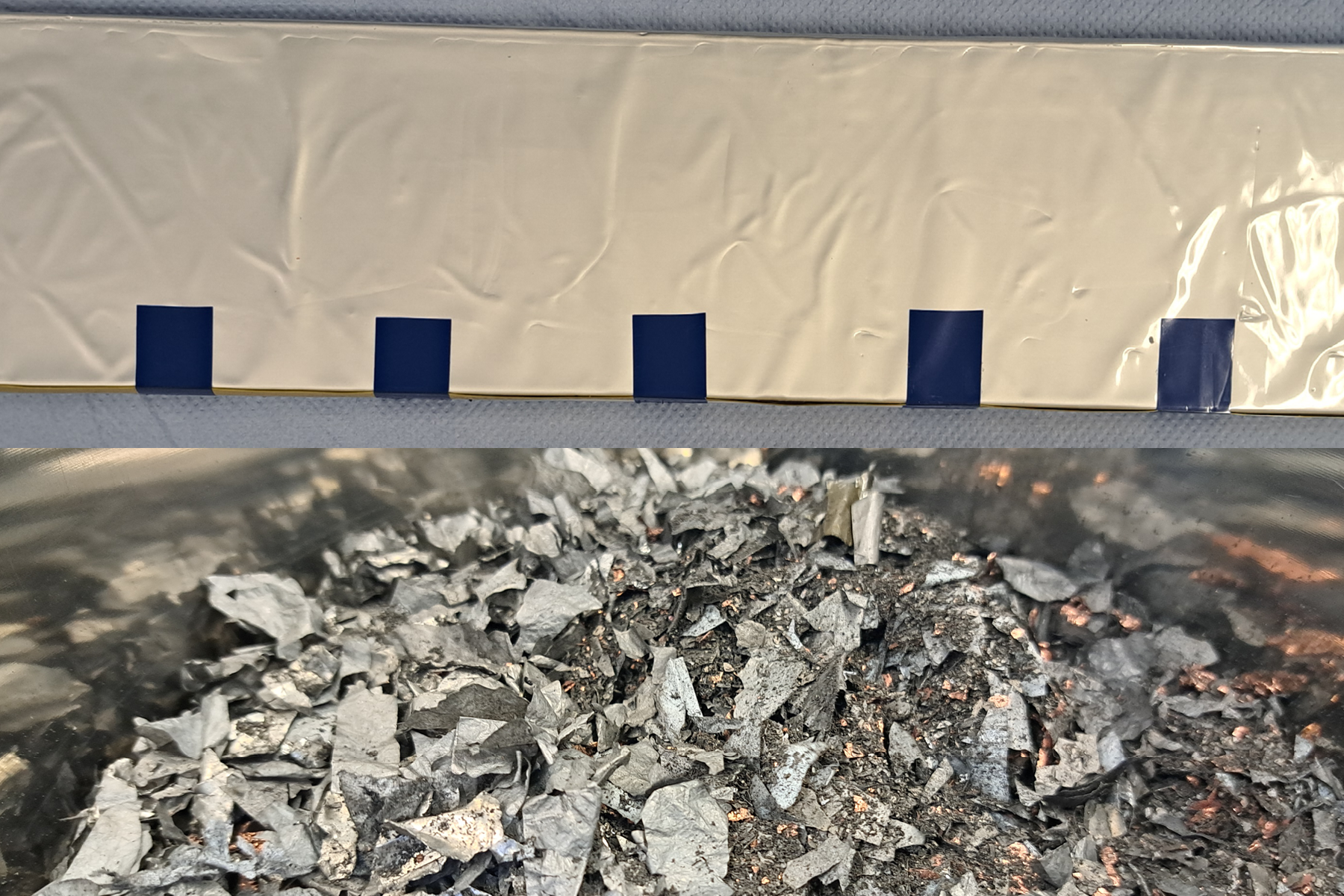
재활용 분야에서 완전한 배터리 또는 분해된 배터리를 분쇄하는 것은 첫 번째 단계입니다.새로운 재활용 경로를 개발하는 연구 과정에서 RETSCH Cutting Mills를 사용하여 소규모 분쇄가 수행됩니다.
Cylindrical cells
Pouch cells
Lightweight or heavy fraction
2. Fractionation with sieving machines
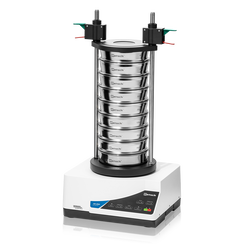
Sieving machines like RETSCH's AS 200 series are suitable for the separation of different material fractions, for example black mass, polymeric and metallic parts.
3. Sample preparation of recycling fractions
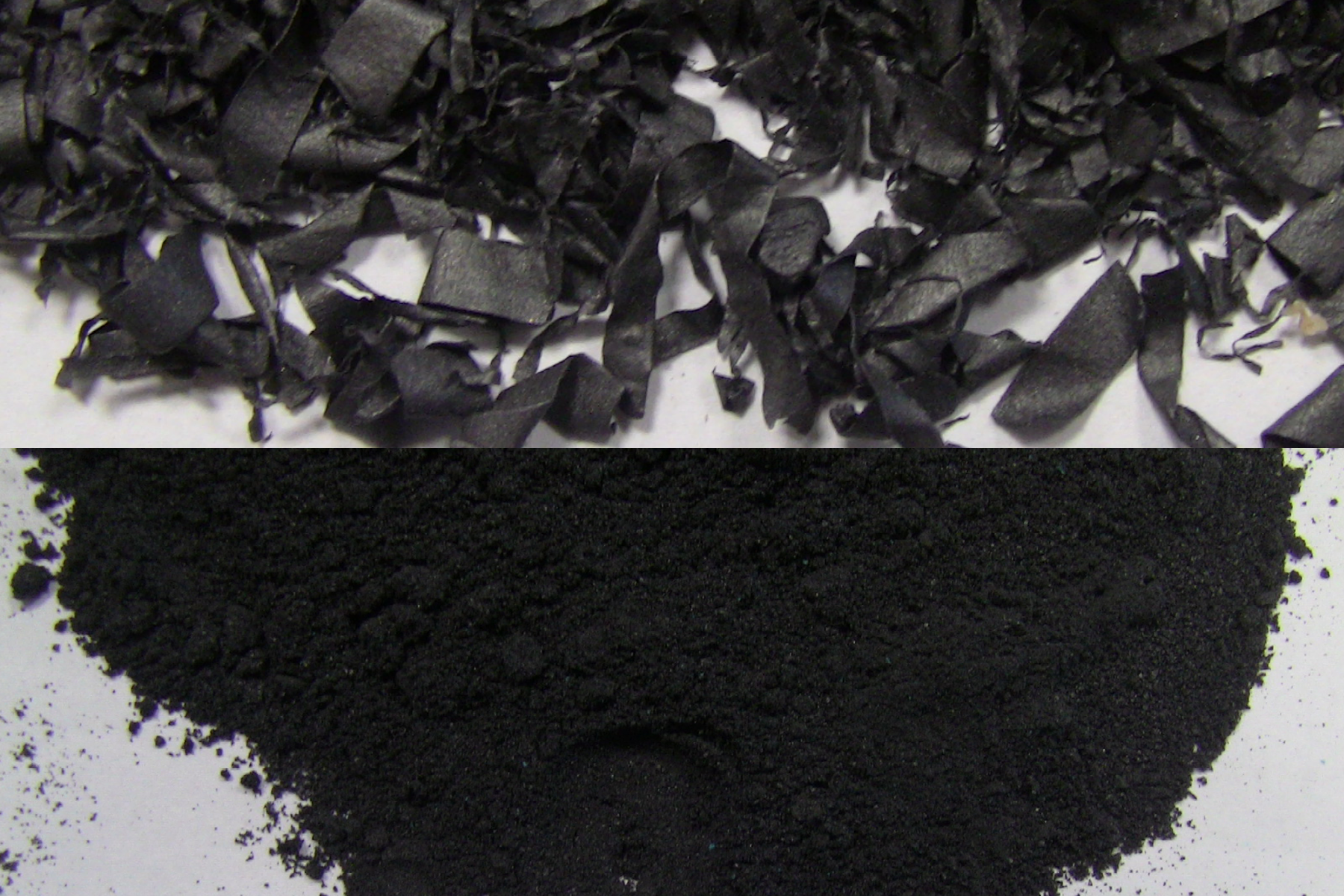
In both research projects and established large-scale recycling operations, analyzing the chemical composition of recycled material fractions is essential. Due to the inhomogeneous nature of these materials, they require mechanical processing and pulverization into fine powders for accurate analysis. Specifically, polymer fractions must be ground to facilitate microwave digestion and ICP-MS analysis, enabling the quantification of residual metals like lithium, cobalt, nickel, and manganese. Moreover, the market value of the black fraction is influenced by its concentration of valuable metals, such as lithium and cobalt. To ensure reliable sample preparation, RETSCH offers a comprehensive selection of mills suited for both pre-crushing and fine grinding tasks.
Housing parts
SM300
60 mm / <4 mm
Polymeric foil
CryoMill
10 mm / <800 µm
Metal foil
MM 500 control
15 mm / <800 µm
Black mass
MM 400
2 mm / <300 µm
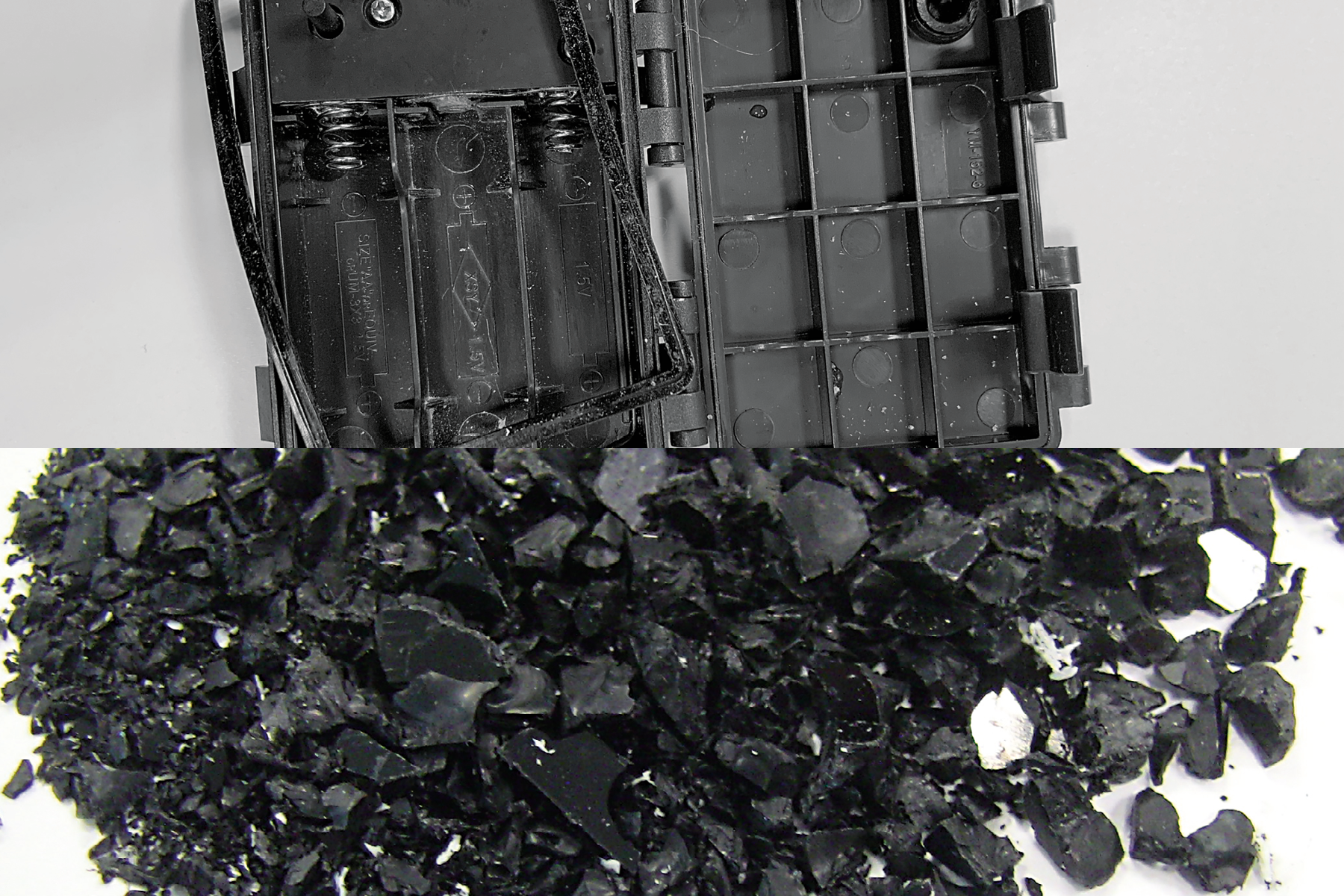
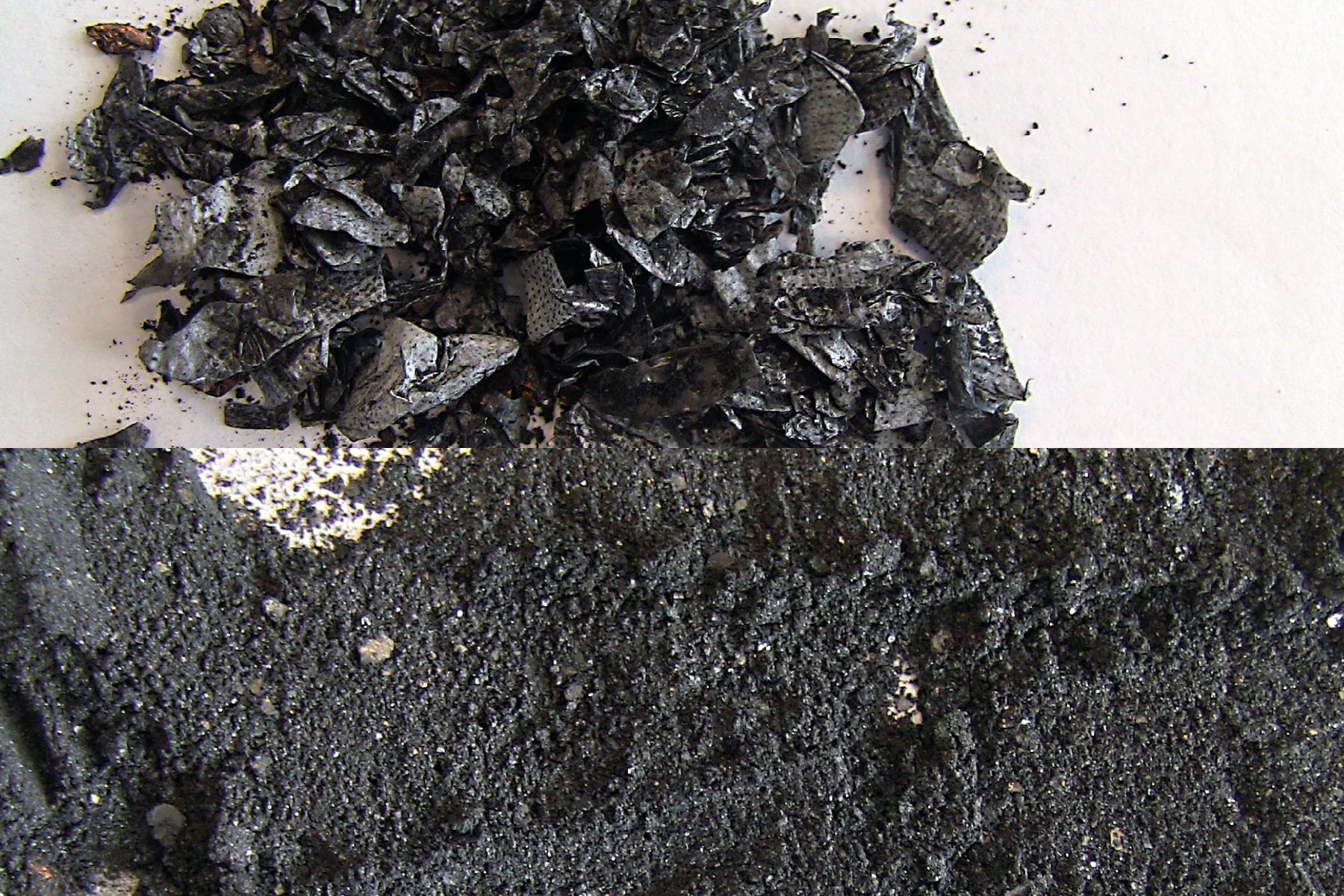
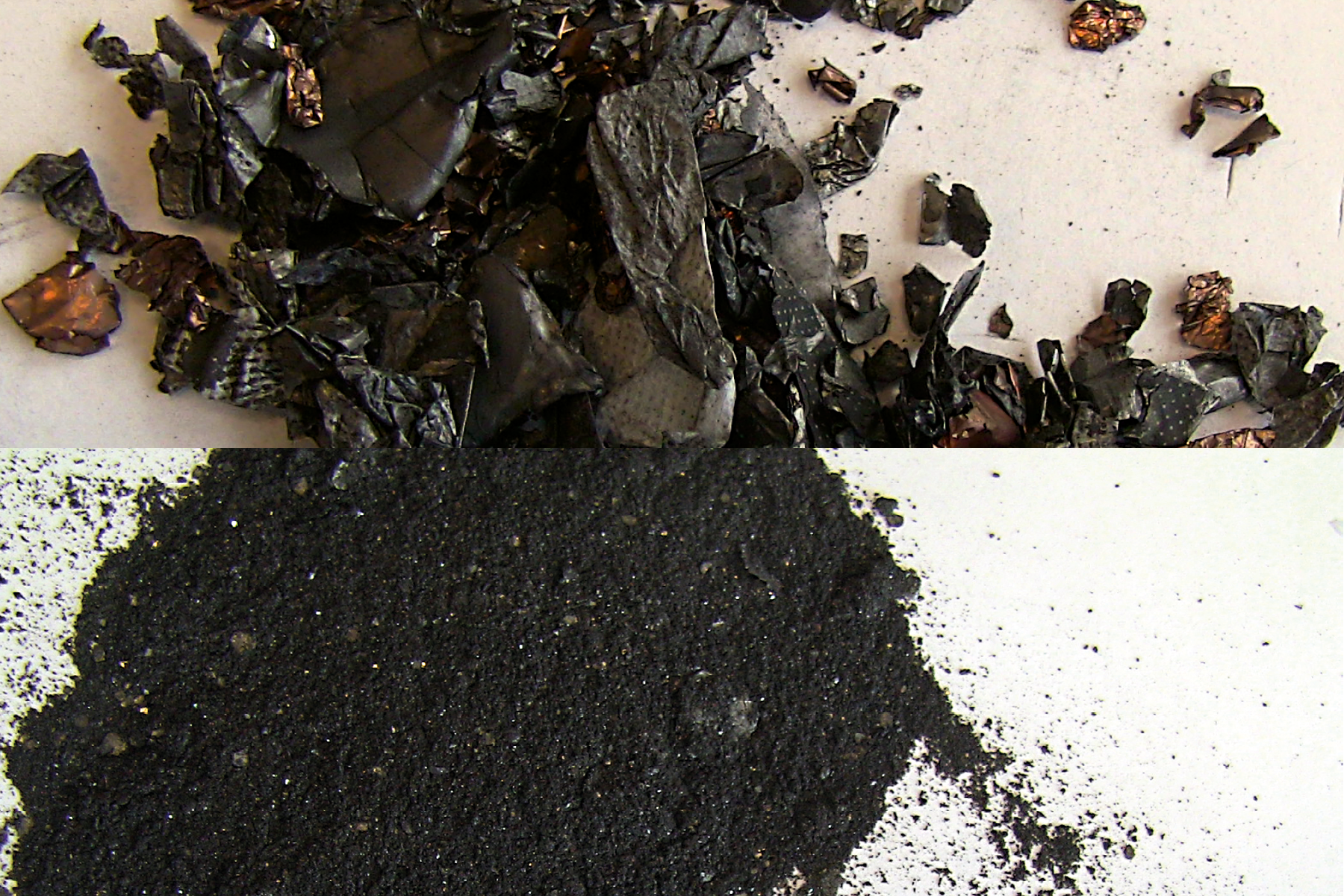
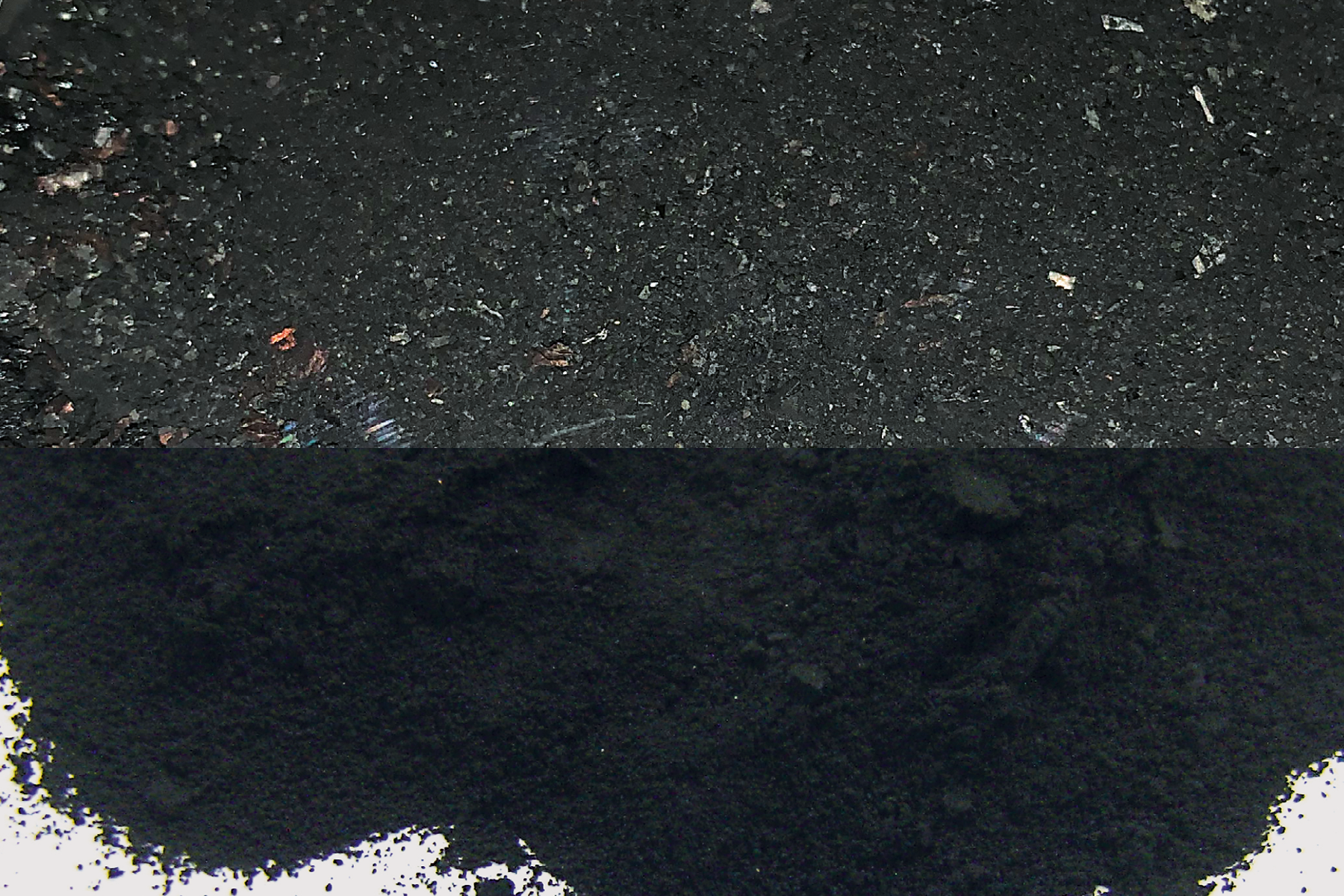
재활용 프로세스의 다양한 재료 분수, 동성화 이전과 후에 순도와 시장 가치를 결정하기 위해 후속 분석.
분석을 위한 배터리의 샘플 준비
일반적으로, 물질의 분석 특성화는 몇 그램에서 밀리그램 사이의 작은 양만 필요합니다. 적절한 샘플 준비가 없으면 분석 결과는 의미가 부족합니다. 신뢰할 수있는 결과를 보장하기 위해서는 샘플이 진정으로 대표적이어야합니다. 즉, 그 구성은 완전한 초기 재료를 반영해야합니다. 이것은 샘플 준비 전에 밀리기와 혼합을 통해 불균형을 제거하기 위해 철저한 기계적 균형화를 필요로합니다. 또한, 샘플 준비 중에 재료에 오염 물질을 도입하지 않는 것이 중요합니다.
X-ray 기술을 위한 샘플 준비
- Laterite 광석 니켈 함량
- ferrures such as iron in silicon raw material
- graphitisation degree
- precious metal residues in the recycled polymer fraction
XRF 스펙트로스코피를 위해, 샘플은 일반적으로 입자 크기 100 μm 이하로 밀어 져야합니다. 사각형 분쇄기와 샘플 분할기는 초기 분쇄에 사용되며, 마지막으로 볼 또는 디스크 밀 미세 밀어 냅니다. 마지막으로, 펠릿은 높은 원소 농도와 평평한 표면을 가진 압축된 샘플을 생산하기 위해 압축됩니다.
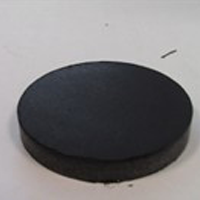
Sample of manganese oxide before and after the milling process in the PM 100. For XRF analysis the sample is pressed into a pellet.
XRD는 샘플의 크리스탈 그레이스 구조를 보존하기 위해 더 부드러운 멜링 방법과 더 작은 입자 크기가 필요합니다. XRD-McCrone Mill은이 목적에 이상적으로 적합합니다.
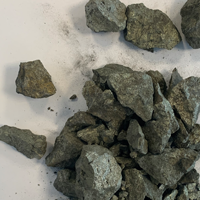
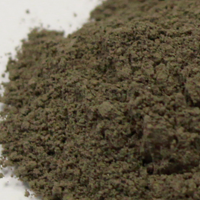
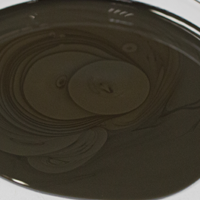
Copper ore sample in its original state (left), pre-crushed in a jar crusher (middle) and prepared with XRD-Mill McCrone for the analysis of molecular structure with X-ray diffraction.
XRF/XRD 샘플 준비에 대한 짧은 비디오와 함께 우리의 인터랙티브 주제 포스터를 확인하십시오.
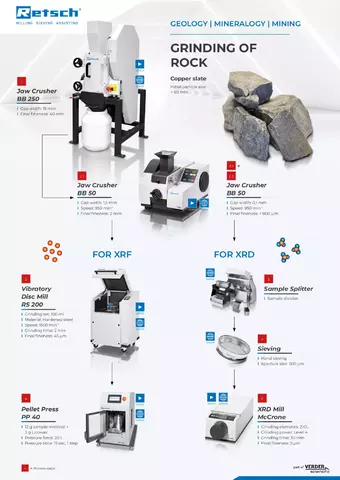
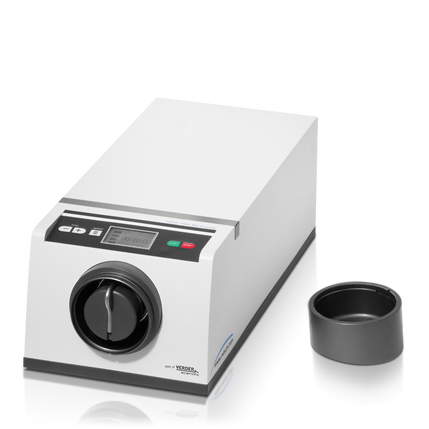
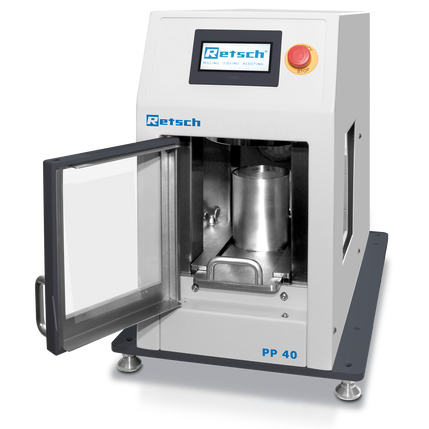
XRF 분석을 위한 샘플 준비 Retsch 제품
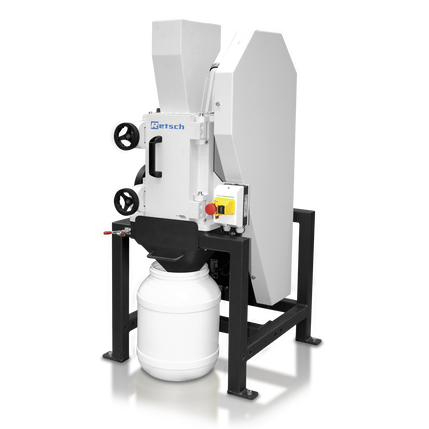
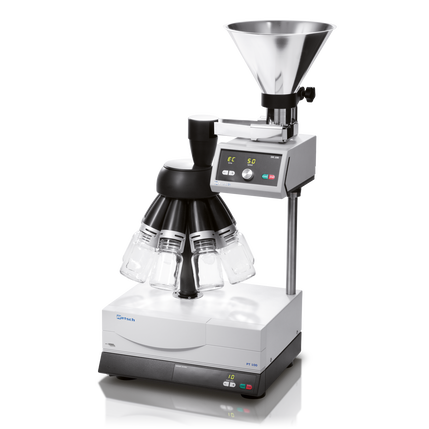

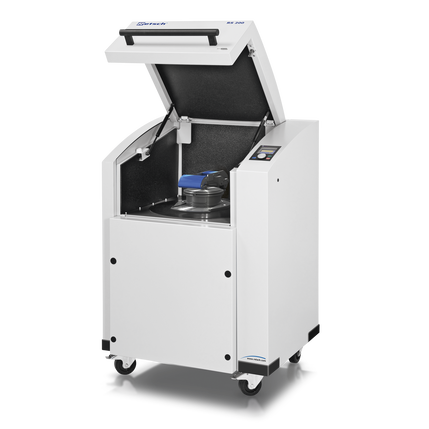
금속 부품으로 배터리 재료의 샘플 준비
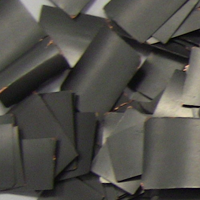
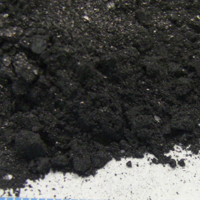
앤도드 및 카도드의 물자 분석은 품질 관리 및 연구의 근본적인 요소입니다. 이러한 주요 구성 요소의 구성, 구조 및 특성을 이해하는 것은 배터리의 성능, 용량 및 수명 최적화에 필수적입니다.
리튬 이온 배터리에서는 전류 수집기 (알루미늄 또는 구리)에 활성 물질 (금속 산화물 또는 탄소 기반 화합물)의 코팅으로 구성되어 있습니다. 금속 구성 요소로 인해 전극 커팅 밀링이 어려워집니다. 미세 밀링을 위해서는 전극 분말과 금속 구성 요소의 유사한 재료 혼합이 선택이 될 수 있습니다.
폴리메르 소재의 샘플 준비
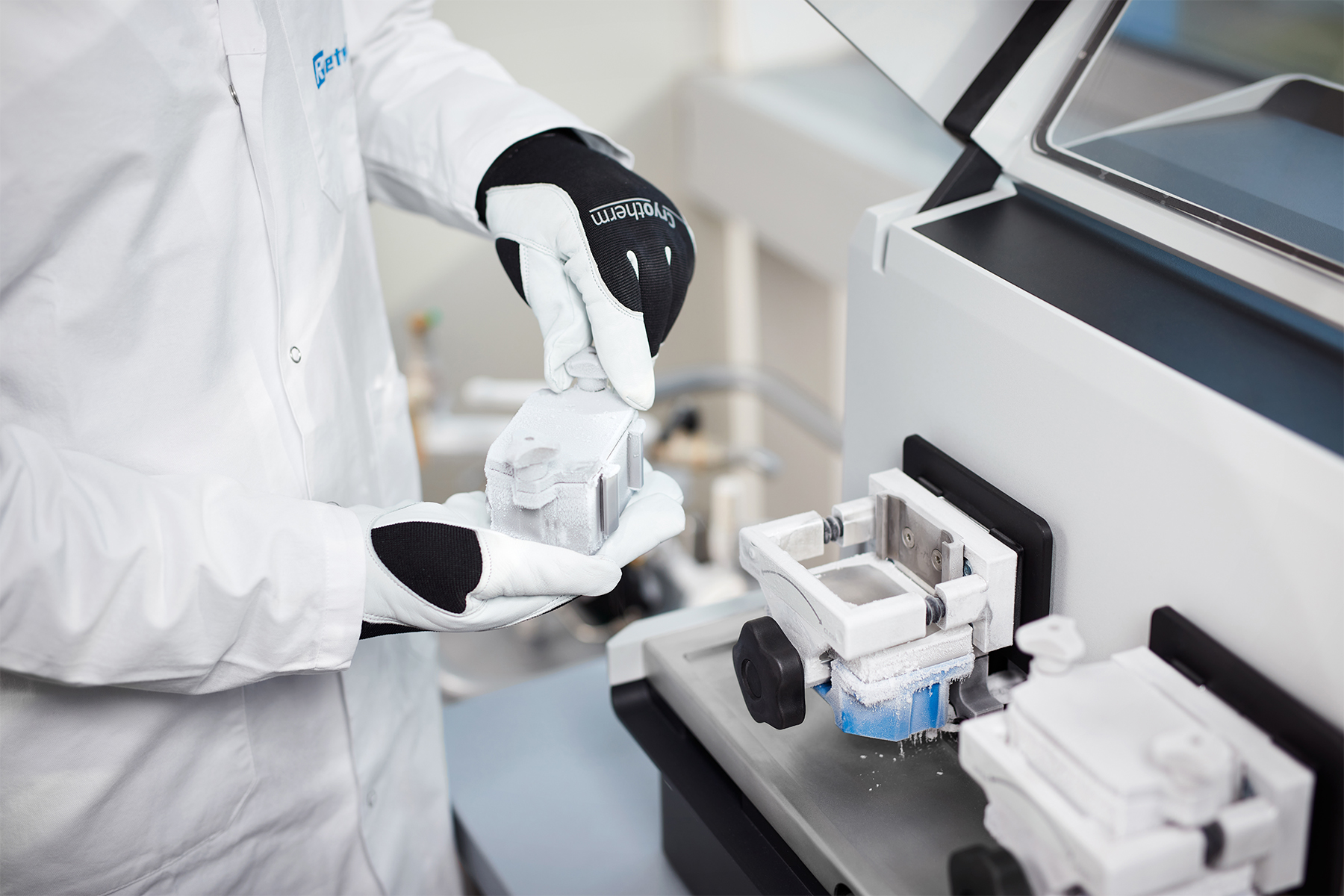
배터리 부품에 사용되는 이 효과적인 밀리어 폴리머는 기계적 및 열 저항에 대한 특정 요구 사항이 있으므로, 그들의 화학적 구성의 분석은 그들의 제한 사항을 이해하고 적절한 구성을 형성하기 위해 필수적입니다. Cutting mills는 대형 폴리머 부품의 초기 밀리기, 일반적으로 펄버화 후에 사용됩니다. 두 경우 모두에서, 효과적인 펄버화를 보장하기 위해 샘플을 액체 질소로 냉각하는 것이 필요할 수 있습니다.
The CryoKit consists CryoMillins and the ball enclosures for laboratory cooling conditions <123 -36 "Opensing"는 엔지니어링 링크의 낮은 내부 링크에서 밀리기, 링크
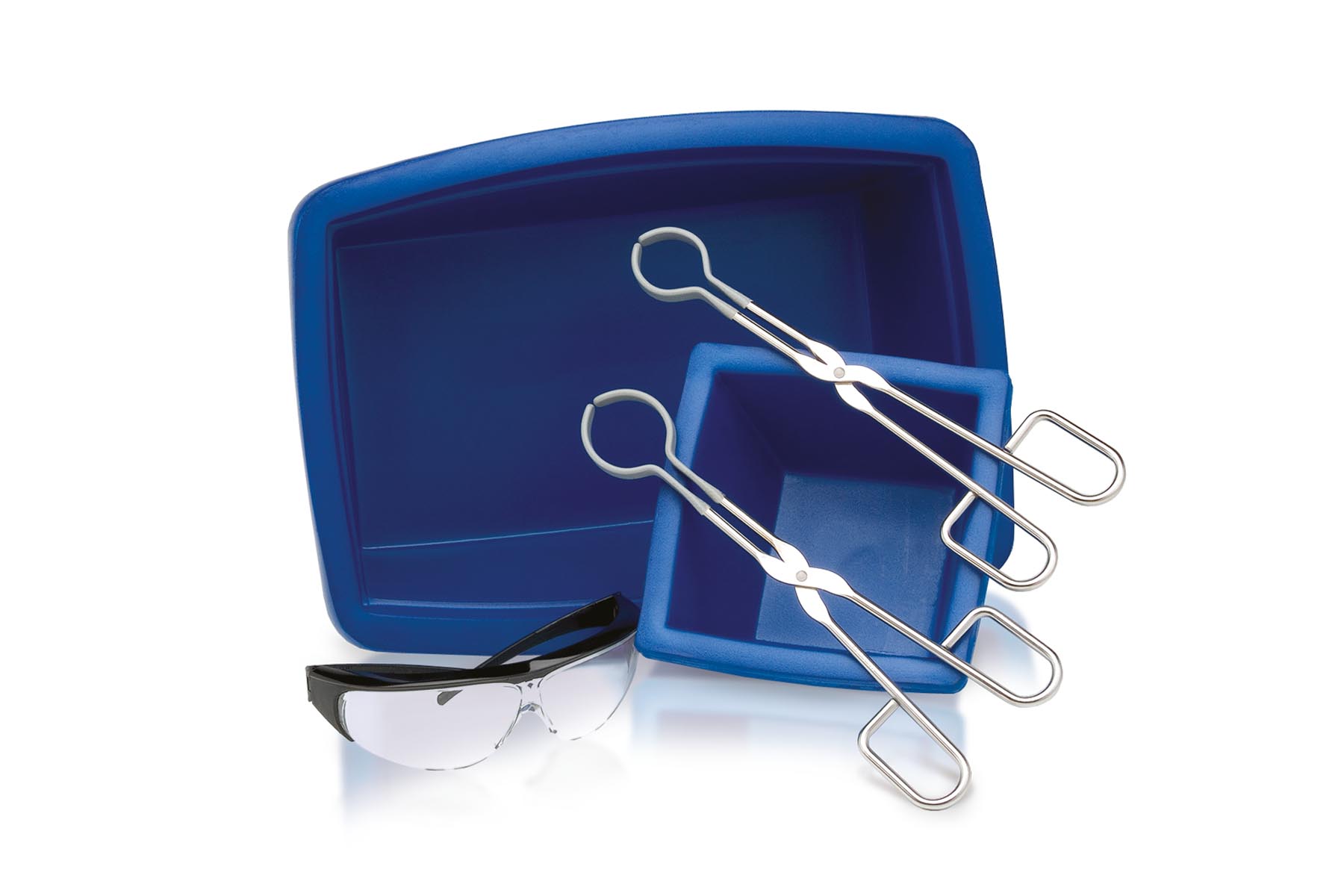
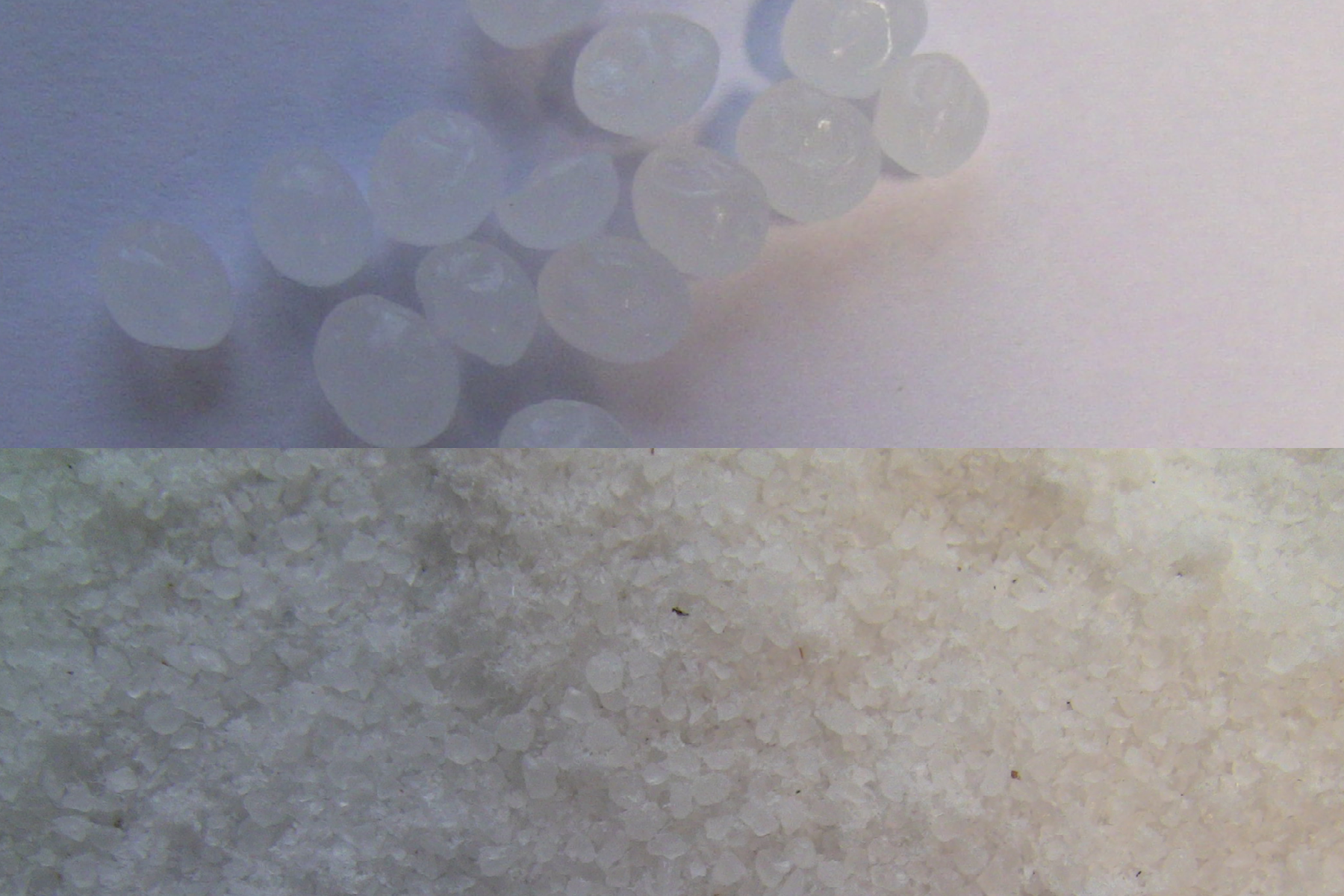
CryoKit
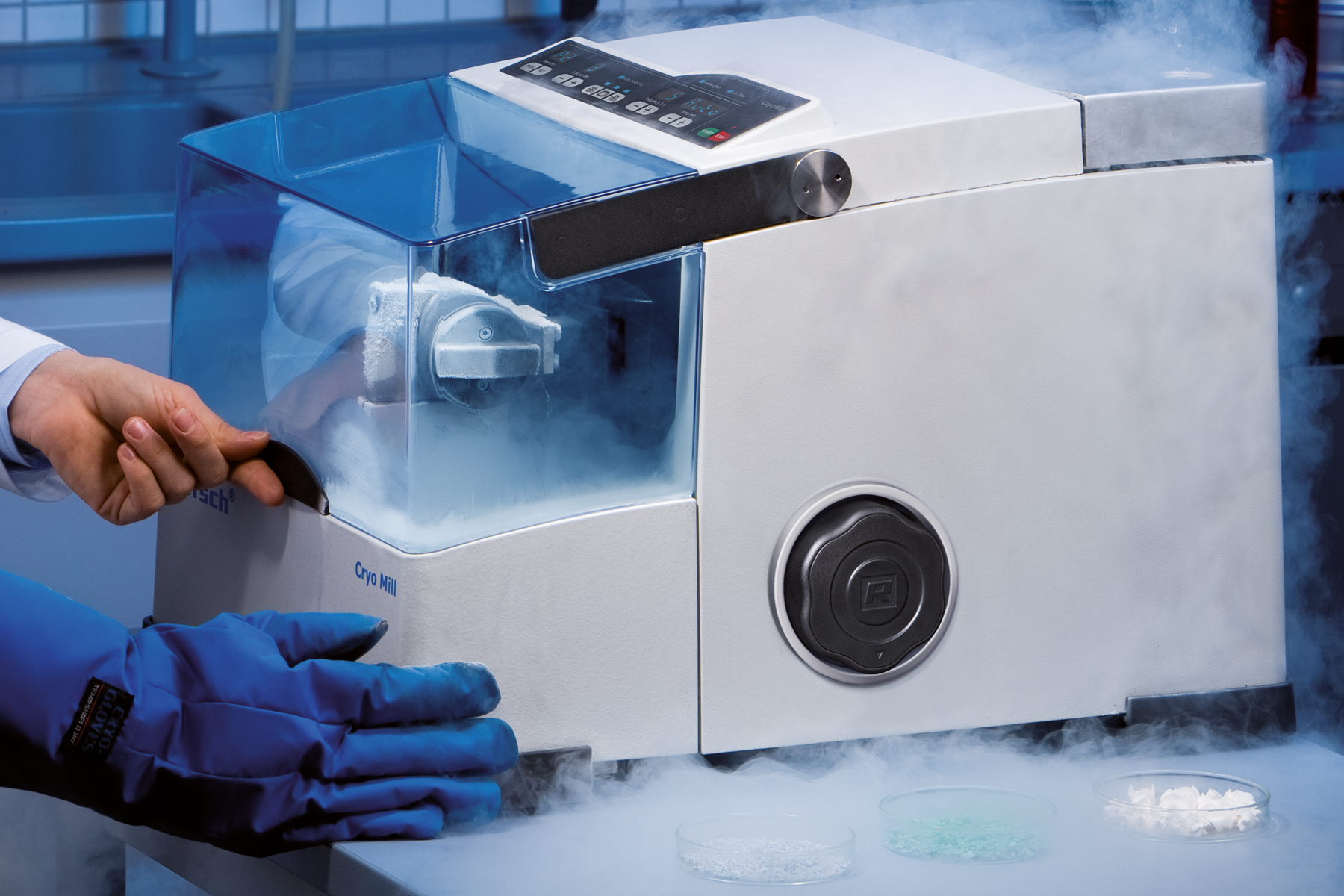
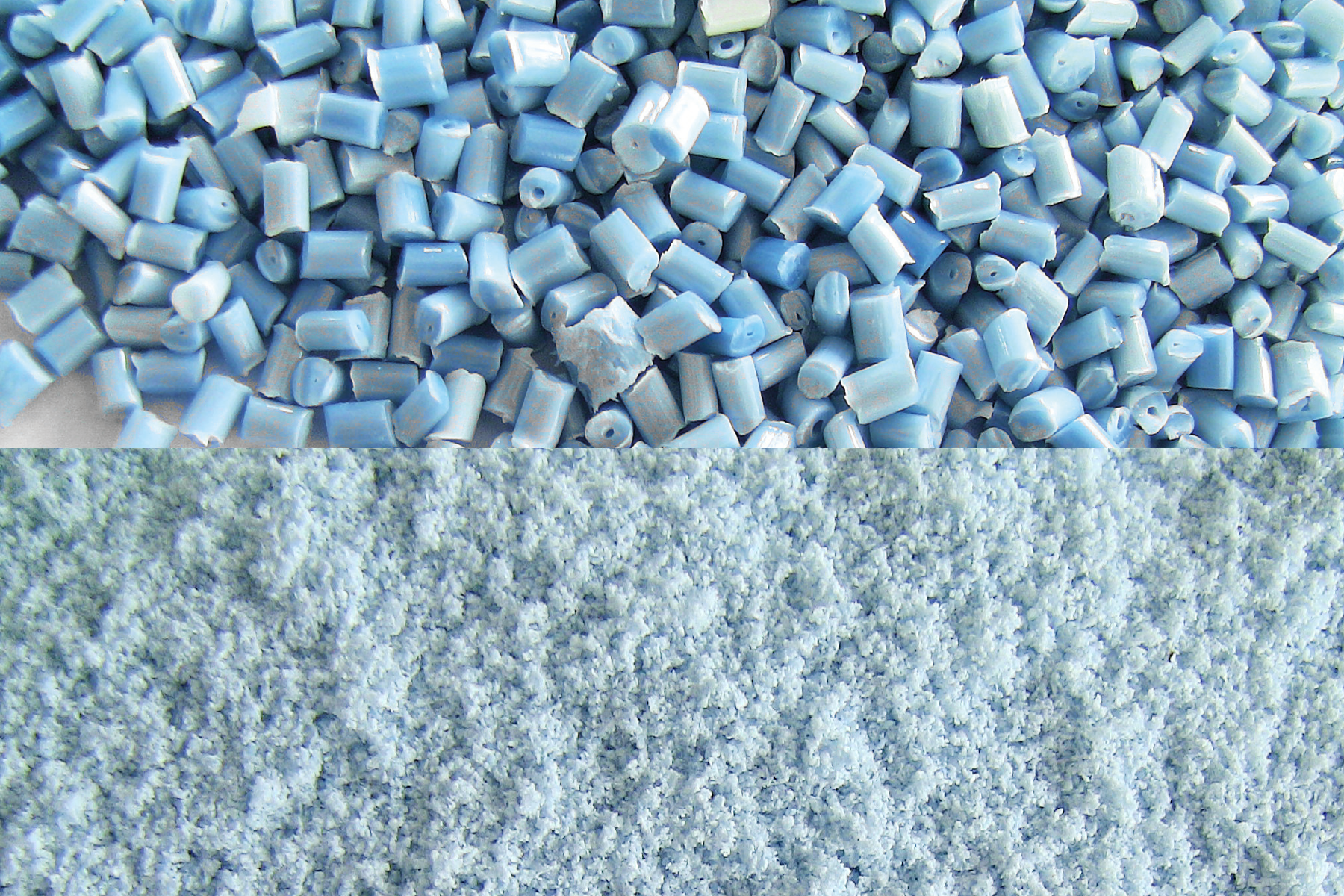
CryoMill
MM 500 control
3. Sample preparation of recycling fractions
In both research projects and established large-scale recycling operations, analyzing the chemical composition of recycled material fractions is essential. Due to the inhomogeneous nature of these materials, they require mechanical processing and pulverization into fine powders for accurate analysis. Specifically, polymer fractions must be ground to facilitate microwave digestion and ICP-MS analysis, enabling the quantification of residual metals like lithium, cobalt, nickel, and manganese. Moreover, the market value of the black fraction is influenced by its concentration of valuable metals, such as lithium and cobalt. To ensure reliable sample preparation, RETSCH offers a comprehensive selection of mills suited for both pre-crushing and fine grinding tasks.
Housing parts
SM300
60 mm / <4 mm
Polymeric foil
CryoMill
10 mm / <800 µm
Metal foil
MM 500 control
15 mm / <800 µm
Black mass
MM 400
2 mm / <300 µm
재활용 프로세스의 다양한 재료 분수, 동성화 이전과 후에 순도와 시장 가치를 결정하기 위해 후속 분석.
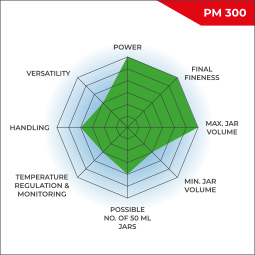
가장 적합한 밀의 선택
RETSCH는 광범위한 포트폴리오를 제공합니다. knife counseling">knife crushers, rotor mills, cutting mills, mortar grinders 및 knife counseling">knife crushers, rotor mills, rotor mills, cutting mills, internal-link "Openses"를 제공합니다.
활성 온도 제어를 가진 실험실 볼 밀
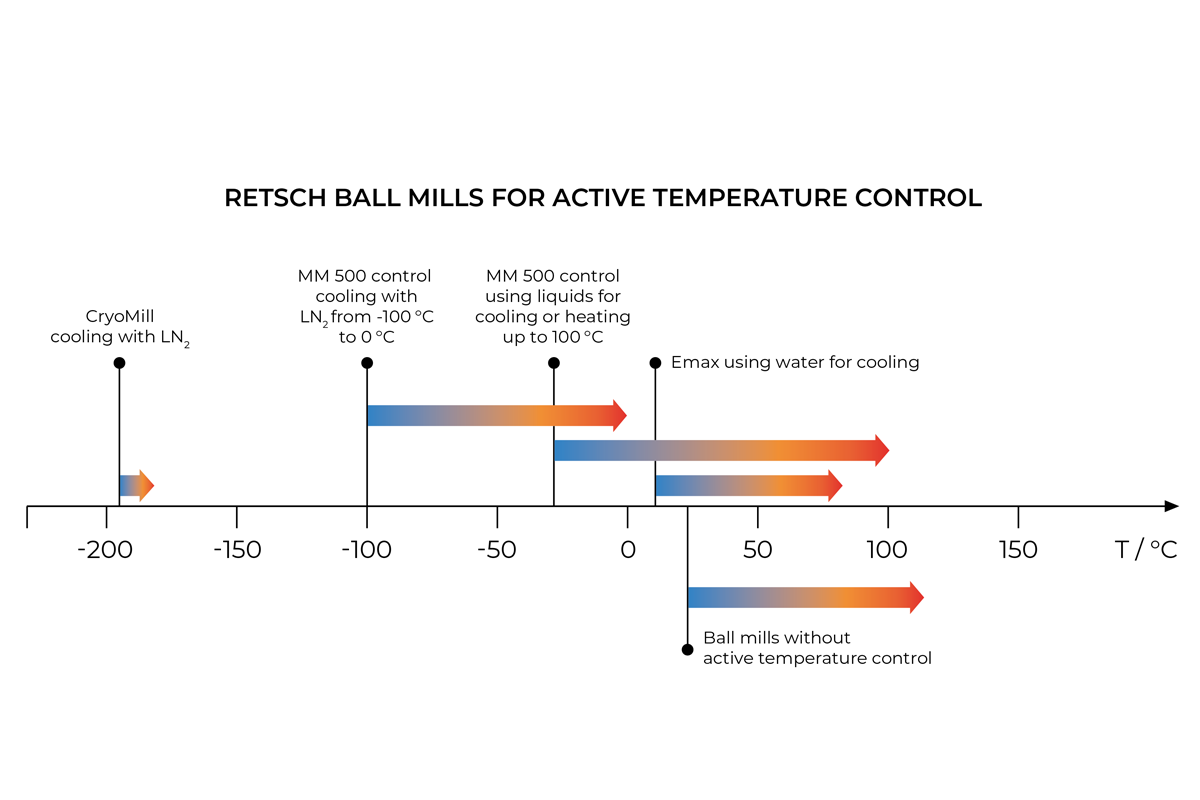
볼 밀 재료 처리는 종종 80 °C를 초과하여 높은 온도를 생성합니다. 온도 민감한 샘플과 함께 작업 할 때 프로세스를 부정적으로 영향을 미칠 수 있습니다. 샘플 재료의 냉각 또는 냉동은 크기 감소를 촉진하고, 축축을 방지하고, 나중에 분석을 위해 샘플의 무결성을 유지하거나 기계 화학 반응을 제어하는 데 필요할 수 있습니다. 온도 증가는 주로 잔 안의 충격과 마찰 효과로 인해 발생하며, 밀의 설계와 열을 분산시키는 능력에 영향을 미칩니다. Retsch 활성 온도 제어 옵션을 갖춘 볼 밀 제공하여 샘플을 깨끗하게 유지하거나 냉동 할 수 있습니다.
EMAX
MM 500 Control
CRYOMILL
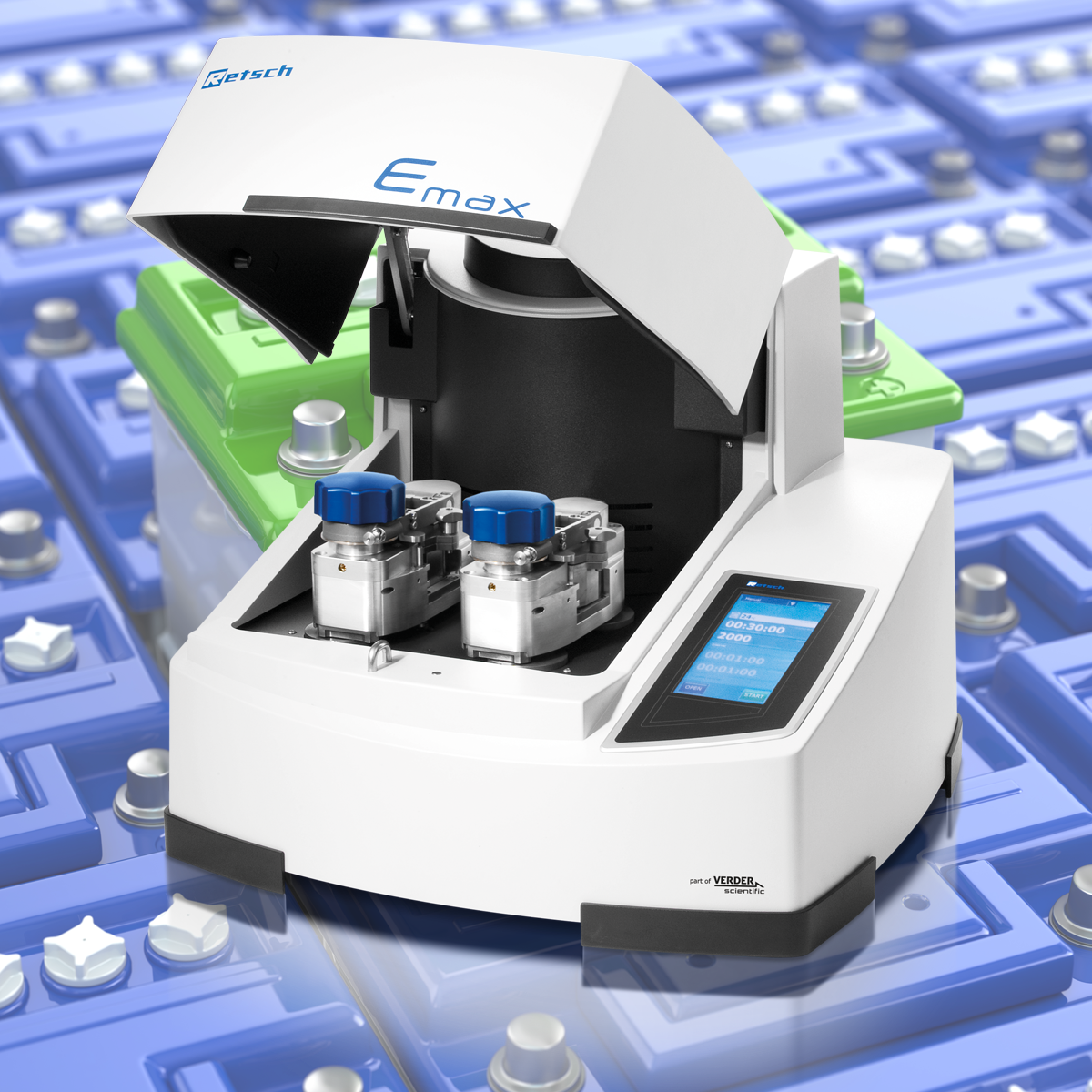
Emax 통합 냉각 시스템을 갖추고 있으며 최대 온도를 설정하는 기능을 제공하며 작동 중에 자동 냉각 중단이 발생합니다.
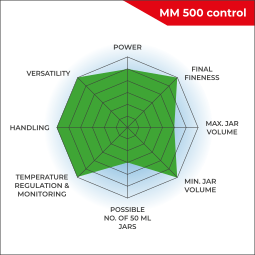
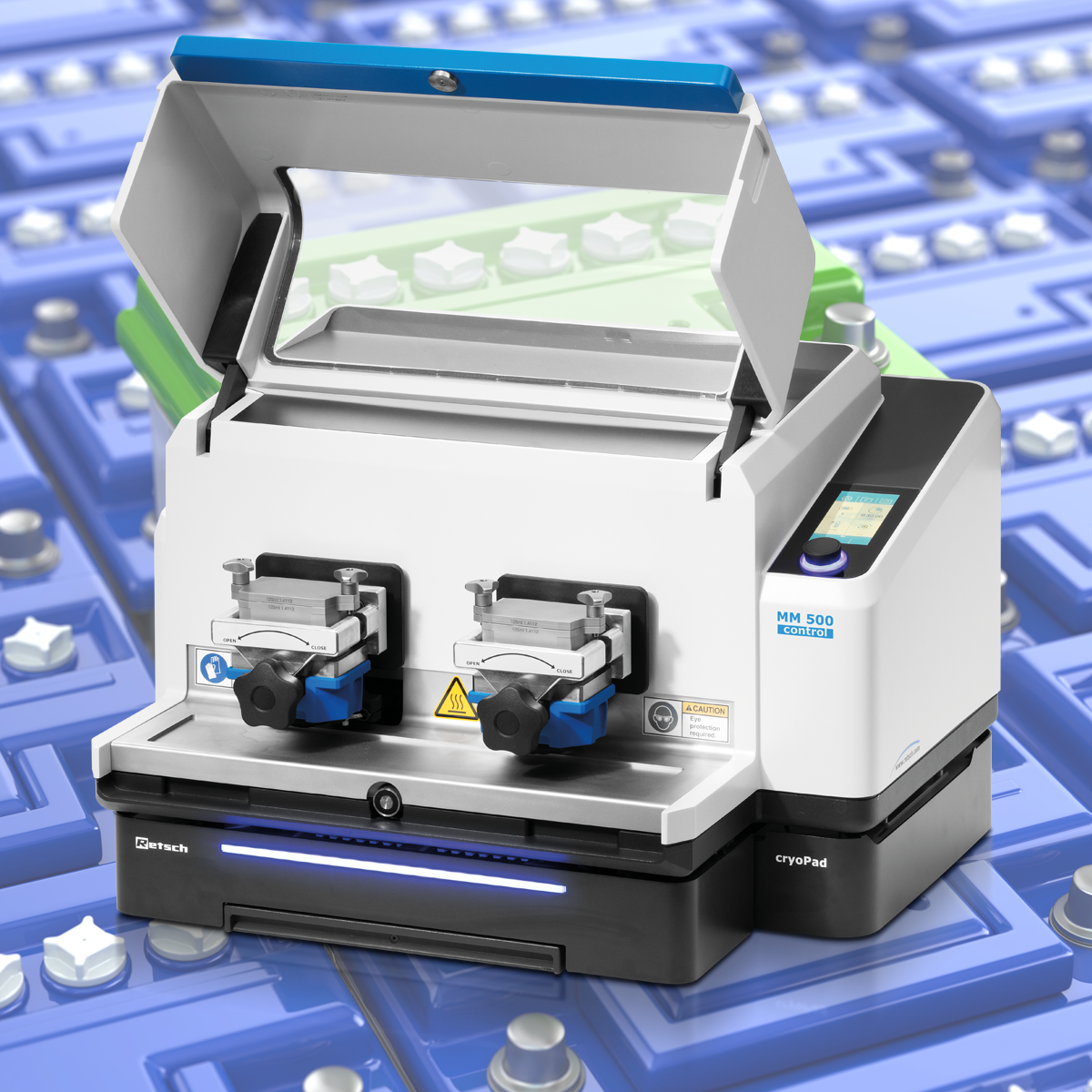
MM 500 control 는 물, 글리콜 또는 액체 질소와 같은 열 유체로 작동하는 동안 잔을 지속적으로 냉각합니다.이 방법으로 - 100 °C의 최소 온도가 달성되고 잔을 따뜻하게 할 수도 있습니다.
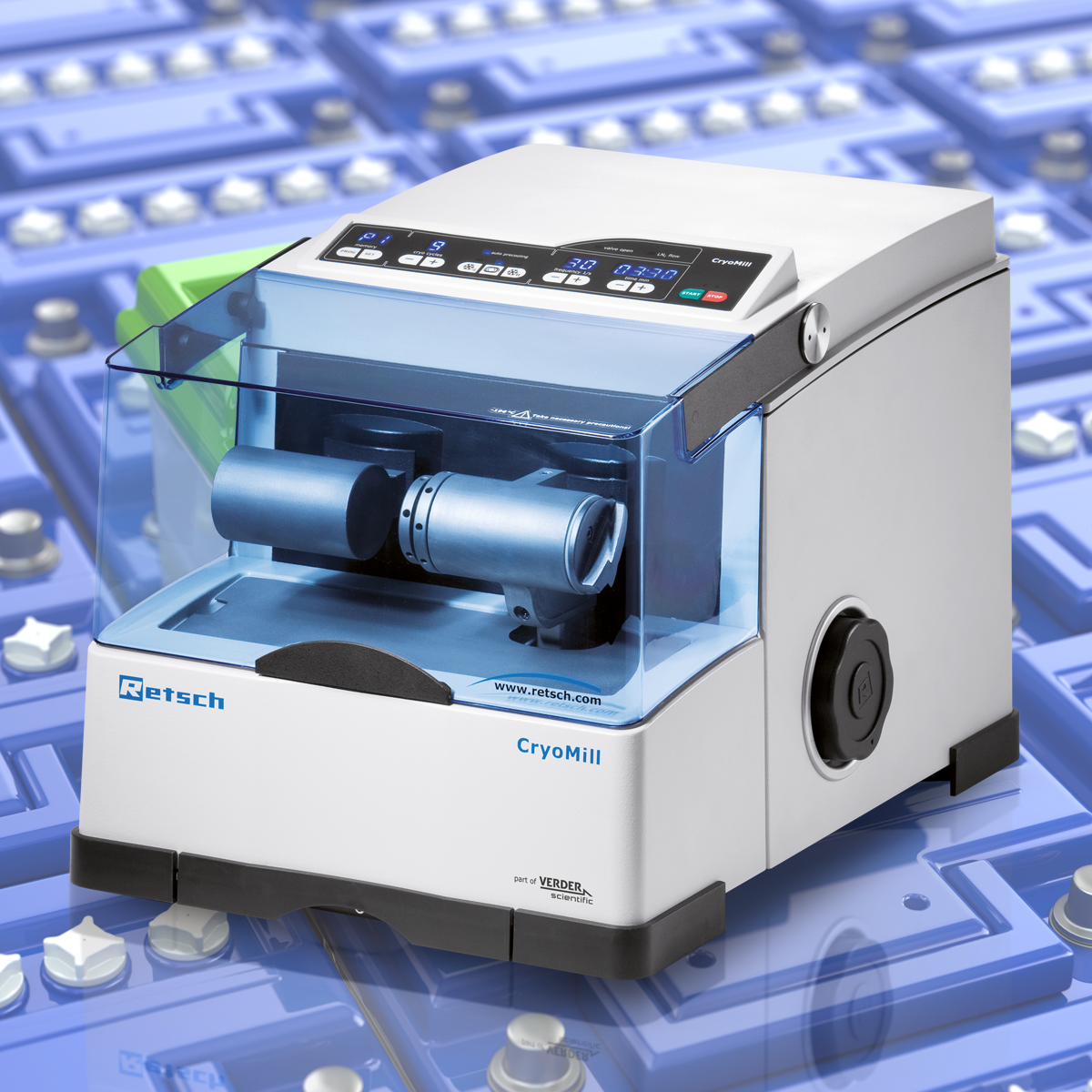
CryoMill 밀링 프로세스 전에 및 동안 액체 질소로 지속적으로 밀링 잔을 냉각하는 통합 냉각 시스템을 특징으로 -196 °C까지 최대 냉각.
VERDER SCIENTIFIC Solutions
True to our guiding principle ENABLING PROGRESS, Verder Scientific can assist you in the development, production and recycling of batteries. Under our umbrella we combine the know-how of five renowned developers and manufacturers of scientific equipment:
CARBOLITE, ELTRA, QATM, RETSCH and MICROTRAC are among the leading specialists in their respective fields of activity which are Heat Treatment, Elemental Analysis, Materialography & Hardness Testing, Milling & Sieving and Particle Characterization.
무료 상담 문의하기
RETSCH 제품과 서비스는 자회사와 완벽하게 교육된 유통업체의 글로벌 네트워크를 통해 제공됩니다. 당사의 모든 직원들이 고객님의 문의 사항을 기꺼이 도와드리겠습니다.

배터리 기술 - FAQ
What is the role of RETSCH laboratory mills in battery research and production?
RETSCH laboratory mills are crucial at every stage of the battery production value chain, from initial research through to manufacturing, quality assurance, and recycling processes. Especially ball mills play a significant role in the innovation of new battery material systems.
Are RETSCH mills suitable for grinding battery materials?
Yes, RETSCH mills are highly suitable for grinding battery materials, especially given the advanced options they offer for working under inert atmospheres, temperature control and cryogenic conditions. They are used for particle size reduction in mechanical synthesis, mixing processes and sample preparation. RETSCH's comprehensive range of mills is also employed in battery recycling through small-scale shredding or sample preparation for analysis. These capabilities make RETSCH mills highly adaptable and effective for the specific requirements of battery material processing.
How are RETSCH mills employed in battery recycling on a lab scale?
For battery recycling, RETSCH offers solutions that include shredding complete or disassembled batteries, fractionation with sieving machines, and sample preparation of recycling fractions for chemical analysis.
How do RETSCH laboratory mills contribute to battery research and materials science?
RETSCH offers laboratory mills and sieving machines designed for the development, analysis, and recycling of battery materials. Our equipment facilitates mechanochemical synthesis, precise particle size reduction, and effective mixing and coating processes. Features like inert atmosphere capability, temperature control options, and process monitoring with GrindControl cater to the specific needs of battery technology research. Additionally, RETSCH provides expert consultation and access to application laboratories, helping researchers select the right tools for their studies.
응용 보고서
Unlocking the potential: The role of ball mills in battery technology
This paper provides a comprehensive overview of the general use of ball mills and their application in battery technology. It covers the wide range of ball mill applications throughout the battery manufacturing process, from raw materials to recycling. The benefits of using ball mills are illustrated by ten specific application examples taken from research and quality control. Specific information on the details of the grinding process is provided to give an in-depth understanding of ball mill technology.
From Graphite Powder to Graphite Power
Graphite plays a vital role as an electrode material in batteries, fuel cells, capacitors, and numerous industrial applications such as lubricants, conductive coatings, and composites. In battery technology, graphite particle size is a key determinant of battery capacity, cycle life, rate capability, and overall performance. Optimizing particle size and distribution is therefore critical for battery design and manufacturing. This joint report combines the expertise of Retsch, Microtrac, and Sugino to provide a comprehensive overview of graphite grinding, dispersion, and particle size analysis - supporting a deeper understanding of the entire process chain from milling and dispersion to analytical evaluation.
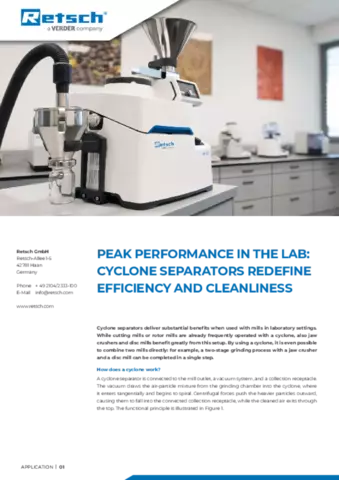
How Cyclone Separators Redefine Efficiency and Cleanliness in the Lab
Cyclone separators deliver substantial benefits when used with mills in laboratory settings. While cutting mills or rotor mills are already frequently operated with a cyclone, also jaw crushers and disc mills benefit greatly from this setup. By using a cyclone, it is even possible to combine two mills directly: for example, a two-stage grinding process with a jaw crusher and a disc mill can be completed in a single step.
Modernes Batterierecycling
Die Rückgewinnung wertvoller Rohstoffe ist in Zeiten steigender Nachfrage und knapper Ressourcen wichtiger denn je. Im Zuge des Ausbaus der Elektromobilität werden künftig große Mengen alter Autobatterien auf eine sinnvolle Verwendung warten. Lesen Sie, wie moderne Aufbereitungsund Analysentechniken dabei helfen können, das Batterierecycling zukunftssicher zu gestalten.
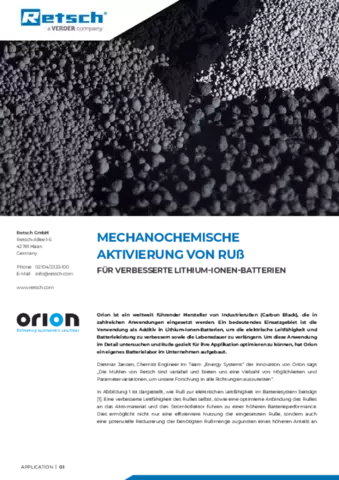
Mechanochemische Aktivierung von Ruß
Orion ist ein weltweit führender Hersteller von Industrierußen (Carbon Black), die in zahlreichen Anwendungen eingesetzt werden. Ein bedeutendes Einsatzgebiet ist die Verwendung als Additiv in Lithium-Ionen-Batterien, um die elektrische Leitfähigkeit und Batterieleistung zu verbessern sowie die Lebensdauer zu verlängern. Um diese Anwendung im Detail untersuchen und Ruße gezielt für ihre Applikation optimieren zu können, hat Orion ein eigenes Batterielabor im Unternehmen aufgebaut.
Customized silicon particle sizes for li-ion batteries
Silicon is gaining increasing importance as an anode material for Li ion batteries. Its exceptionally high specific capacity of about 3,600 mAh/g allows it to store roughly ten times more lithium ions than conventional graphite. This potential makes silicon a key material for anodes or as an additive in carbon–silicon composite anodes. A crucial factor for the performance of Li ion batteries is the particle size of the silicon: it significantly influences the electrochemical behavior, cycle stability, and service life of the anode. For battery applications, silicon particles are therefore specifically adjusted to sizes ranging from a few micrometers down to the sub micrometer and nanometer scale.