





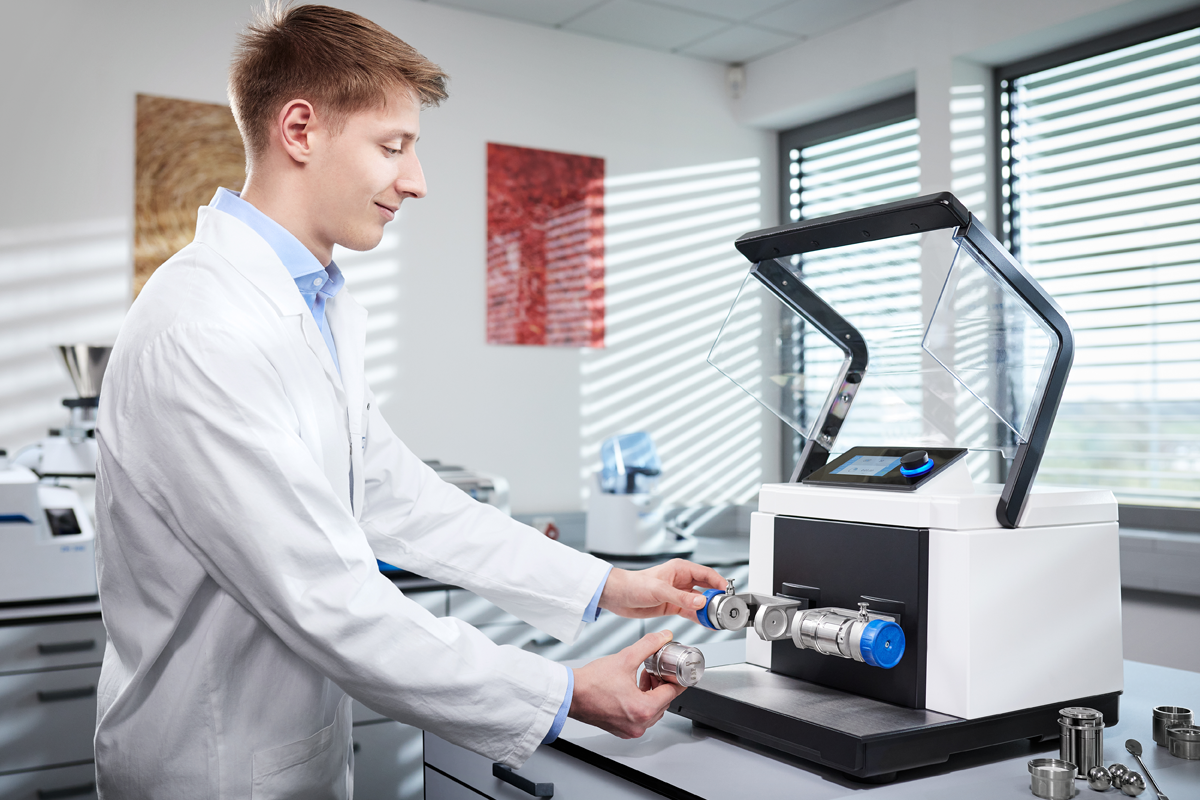
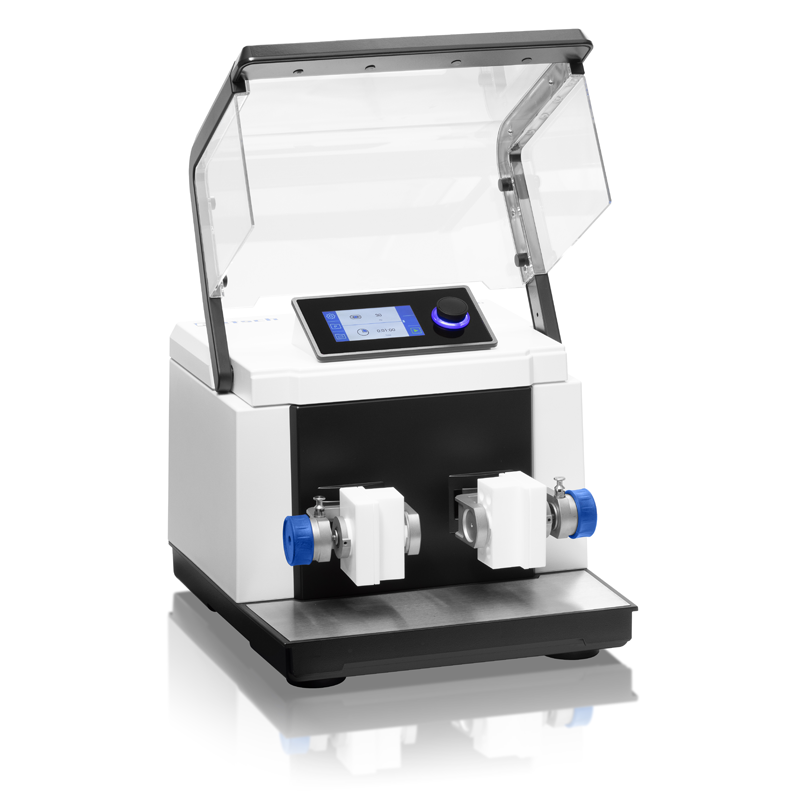

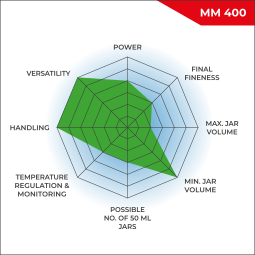
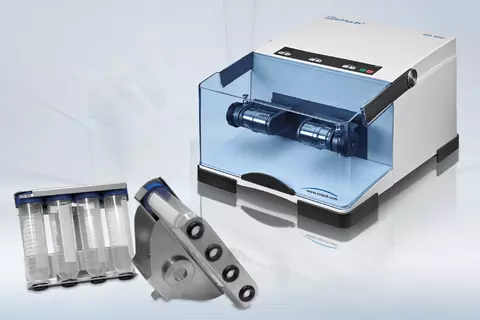
MM 400 Mikserli Öğütücü , 2 x 20 ml'ye kadar küçük hacimlerin kuru, ıslak ve kriyojenik öğütülmesi için tasarlanmış gerçek bir çok amaçlı değirmendir. Tozları ve süspansiyonları saniyeler içinde 30 Hz frekansla karıştırır ve homojenleştirir – rakipsiz derecede hızlı ve kullanımı kolaydır.
Kompakt tezgah üstü ünite, klasik homojenizasyon işlemlerinin yanı sıra DNA/RNA ve protein ekstraksiyonu için biyolojik hücre parçalanması için de uygundur. 99 saate kadar uzun işlem süreleri , MM 400 örneğin mekanokimya alanındaki araştırma uygulamaları için ideal hale getirir.
Bu değirmenin performansı ve esnekliği açısından piyasada eşdeğer bir teknoloji bulunmamaktadır.
Aynı çalışma prensibiyle 35 Hz frekansta çalışan ancak önemli ölçüde daha yüksek performans sağlayan MM 500 nano ve MM MM 500 vario Mikserli Öğütücü modelleri de ilginizi çekebilir. Numunenin soğutulması veya ısıtılması gereken uygulamalar için MM 500 control Karıştırıcı Değirmen mükemmel bir seçimdir. Her RETSCH karıştırıcı değirmeninin belirli bir uygulama odak noktası vardır.
Ürün Videosu
The most versatile all-rounder of ball mills
- Max. speed 30 Hz
- Horizontal oscillation causes strong impact effects for effective sample processing
- Up to 8 mm feed size and 5 µm final fineness
- 2 grinding stations for jars of min 2 ml and max 50 ml, adapter for 10 x 2 ml single use vials and 4 x 50 ml conical centrifugation tubes
- Steel jars can be precooled manually in liquid nitrogen
- Calibrated speed and time, small benchtop model, storable SOPs and cycle programs, 7 different jar materials
Mikserli Öğütücü MM 400 Reviews from our customers
Trusted reviews provided by

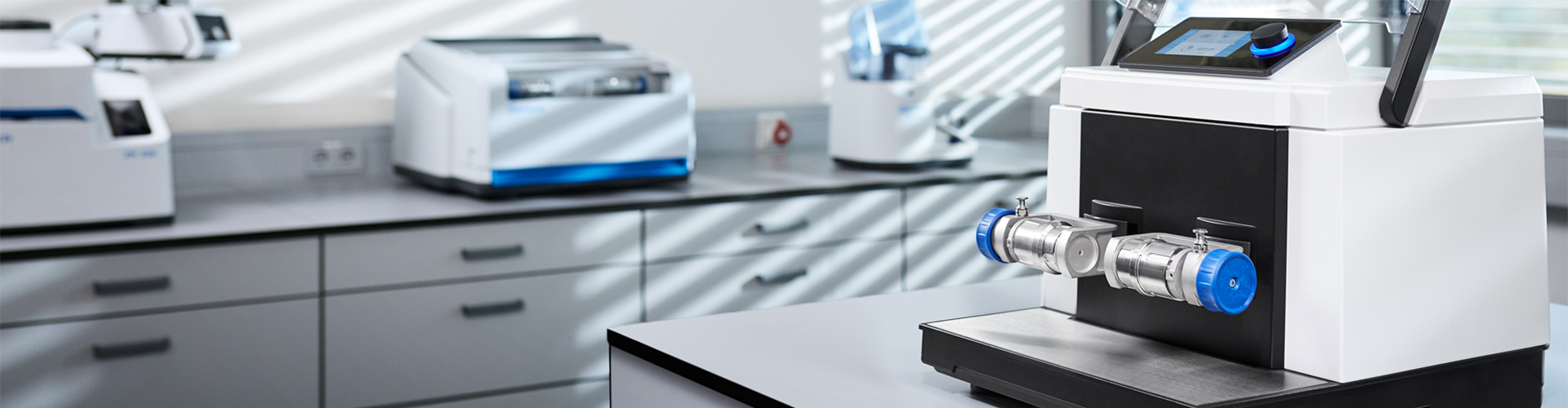
Performans ve Tasarım
- 30 Hz'e kadar darbe ve sürtünme ile güçlü boyut küçültme ve homojenizasyon
- Çalışma başına 20 numuneye kadar 2 öğütme istasyonu ile donatılmıştır
- 12 Standart Çalışma Prosedürü (SOP) ve 6 program döngüsü için hafıza
- Kullanışlı dokunmatik ekran, önemli ölçüde gürültü azaltma
Benzersiz çok yönlülük
- 3 farklı öğütme modu: kuru, ıslak veya kriyojenik 0
- Toz haline getirilmiş numuneyi ve bağlayıcıyı peletleme öncesinde plastik kaplarda karıştırır, e. g. XRF analizi için
- Mekanokimya gibi araştırma uygulamaları veya boncuk dövülerek biyolojik hücre bozulması için uygundur
- Pestisitlerin (QuEChERS) ve bitkisel bileşenlerin ekstraksiyonu
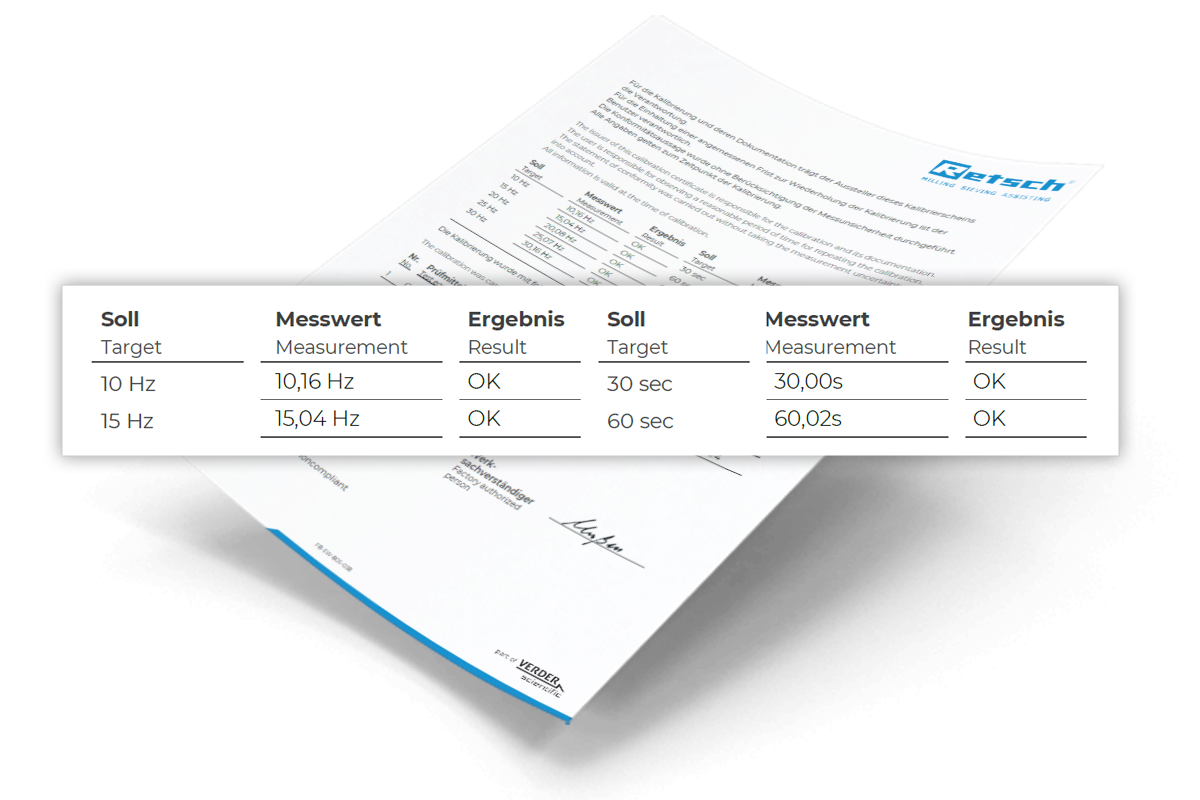
Mikserli Öğütücü MM 400 Kalibrasyon, tekrarlanabilir sonuçlar sağlar.
Numune alımından analize kadar olan süreç zincirinde tekrarlanabilirlik son derece önemlidir. Kalibre edilebilen laboratuvar ekipmanları, her seferinde minimum standart sapma ile tekrarlanabilir sonuçlar garanti eder. Bu, özellikle farklı yerlerde üretilen sonuçları karşılaştırırken kullanışlıdır.
MM 400 , kalibre edilebilen ilk laboratuvar değirmenidir. RETSCH, başlangıçta değirmenin zamanını ve frekansını kalibre eder ve tekrarlanabilir öğütme süreçleri sağlamak için düzenli bir kalibrasyon hizmeti sunar.
Bu işlevsellik özellikle şunlar için uygundur:
- Farklı lokasyonlarda bulunan test laboratuvarları
- ISO/IEC 17025 veya ISO 9000ff uygulayan akredite laboratuvarlar
- İlaç ürünleri
Mikserli Öğütücü MM 400 Reproducibility of mechanochemical reactions in the Mixer Mill MM 400
Reproducibility is a fundamental principle of scientific research and is essential for ensuring the credibility and reliability of scientific findings. The Mixer Mill MM 400 was tested regarding the reproducibility within a mechanochemical reaction, and it could be proven that it provides excellent reproducibility during several repetitions, for both clamping positions, and also between different devices. [1]
Minor variations of the frequency from 30 Hz to 29 Hz or 28 Hz have an influence on the yield of the reaction. It is of fundamental interest that the mixer mill maintains a set value, e.g. 30 Hz, and does not deviate from it. A premise which is fulfilled by the MM 400 which comes with a calibration certificate.
The mechanochemical reaction γ-Al2O3 + ZnO -> ZnAl2O4 was conducted for 30 min using 25 ml grinding jars, 2 x 15 mm grinding balls, 1 g educts, at 28 Hz, 29 Hz and 30 Hz five times in a row. The comparison between left and right clamping station showed highly reproducible results, also the comparison between the 5 trials.
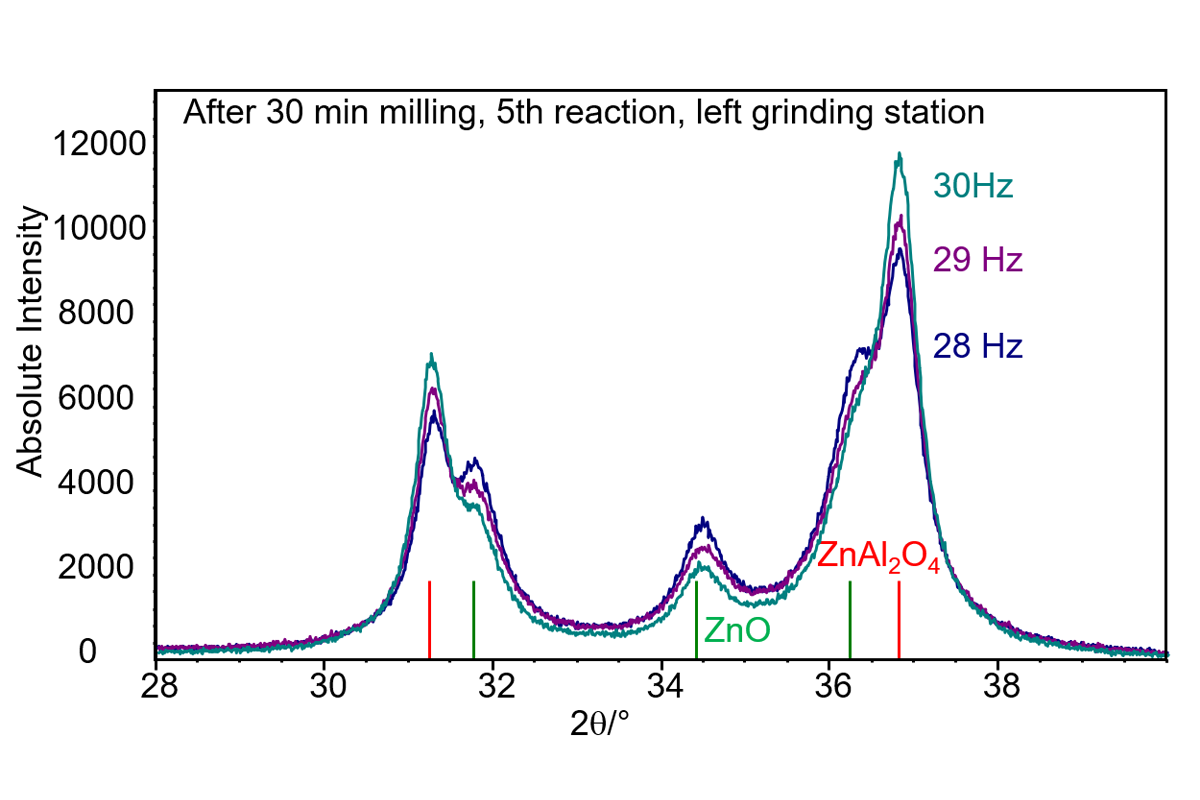
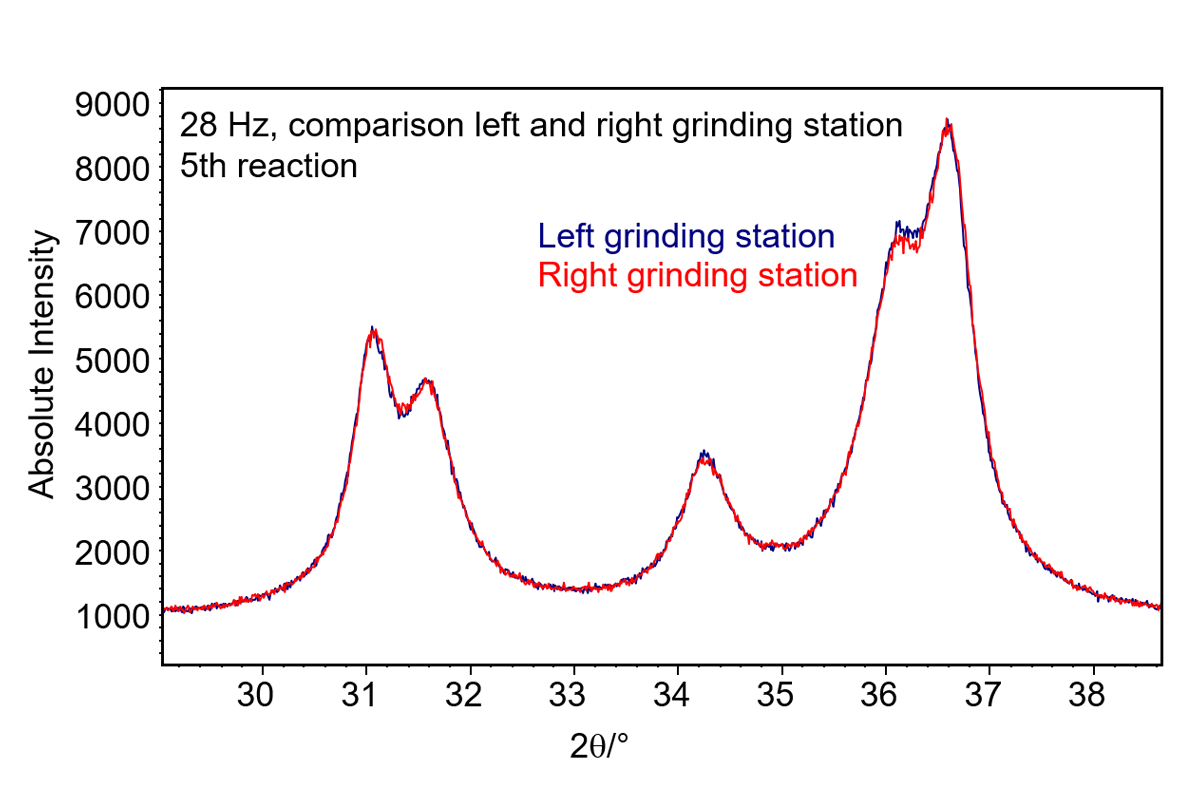
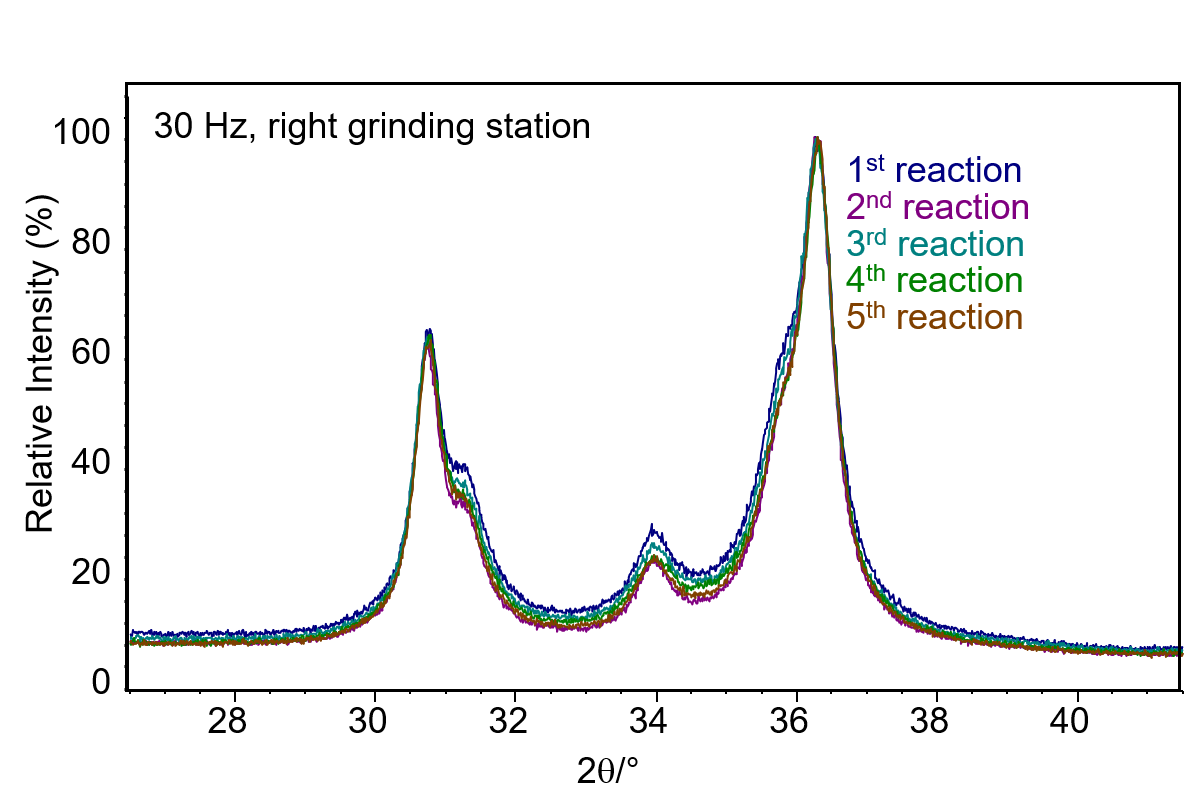
XRD patterns after the mechanochemical reaction γ-Al2O3 + ZnO -> ZnAl2O4:
Left: Grinding at 28 Hz, 29 Hz and 30 Hz, results after 5th reaction.
Middle: Comparison left and right grinding station at 28 Hz 5th reaction each.
Right: Reaction 1 to 5 at 30 Hz, right grinding station. Results presented by the group of Claudia Weidenthaler. [8]
The experiments were repeated using another MM 400 device to compare the results between the two mills. Again, the excellent reproducibility was verified for the 5 tests conducted at 30 Hz, for both, left and right grinding station.
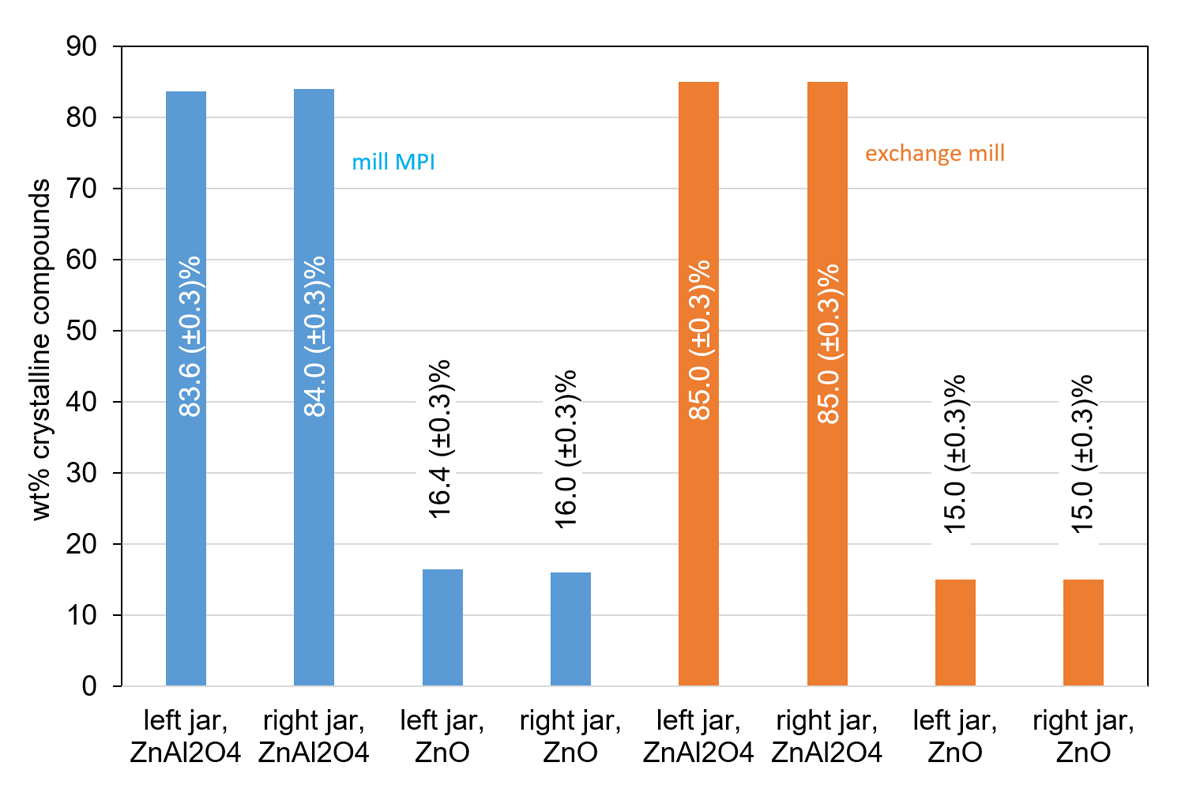
Almost identical results (weight % of educts and product) and reproducibility are obtained with a different MM 400 device. Results presented by the group of Claudia Weidenthaler. [1]
Mikserli Öğütücü MM 400 Biyolojik uygulamalar ve hücre bozulması için çözümler
Karıştırıcı değirmenler, biyolojik örneklerin homojenleştirilmesi için sıklıkla kullanılır. Küçük cam boncuklarla yapılan boncuklu çalkalama olarak adlandırılan yöntem, maya, mikroalg veya bakterilerin hücre parçalanması için yerleşik bir yöntemdir. İşlem sırasında örnek yalnızca orta derecede ısıtılır ve bu, ön soğutma ile minimuma indirilebilir.
MM 400, DNA/RNA ve protein ekstraksiyonu için 240 ml'ye kadar hücre süspansiyonunun verimli bir şekilde parçalanmasını sağlar. Enfeksiyonların doğru teşhisi için, adaptörler kullanılarak dokudan 8 x 30 ml'lik şişelere veya 10 x 5 ml'lik flakonlara sağlam bakteri izole etmek mümkündür.
MM 400, aşağıdaki kapasitelerde tek kullanımlık flakonlar için çeşitli adaptörlerle çalıştırılabilir:
20 x 0.2 ml / 20 x 1.5 or 2 ml / 10 x 5 ml / 8 x 30 ml / 8 x 50 ml
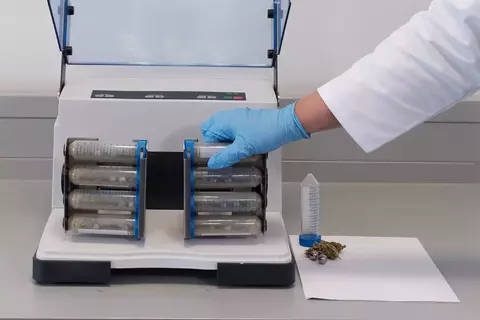
Kenevir çiçeği gibi 25 ila 30 g bitki materyalinin toz haline getirilmesi için konik santrifüj tüpleri en uygunudur. Ayrıca, tampon çözelti içindeki taze karaciğer gibi 8 adede kadar doku örneği, çelik veya zirkonyum oksit bilyeler kullanılarak bu 50 ml'lik tüplerde homojenize edilebilir. Tüpler üzerindeki mekanik stresi mümkün olduğunca düşük tutmak için, azaltılmış sıklık ve yüksek dolum seviyesi (örneğin tampon ve örnek ile) önerilir.
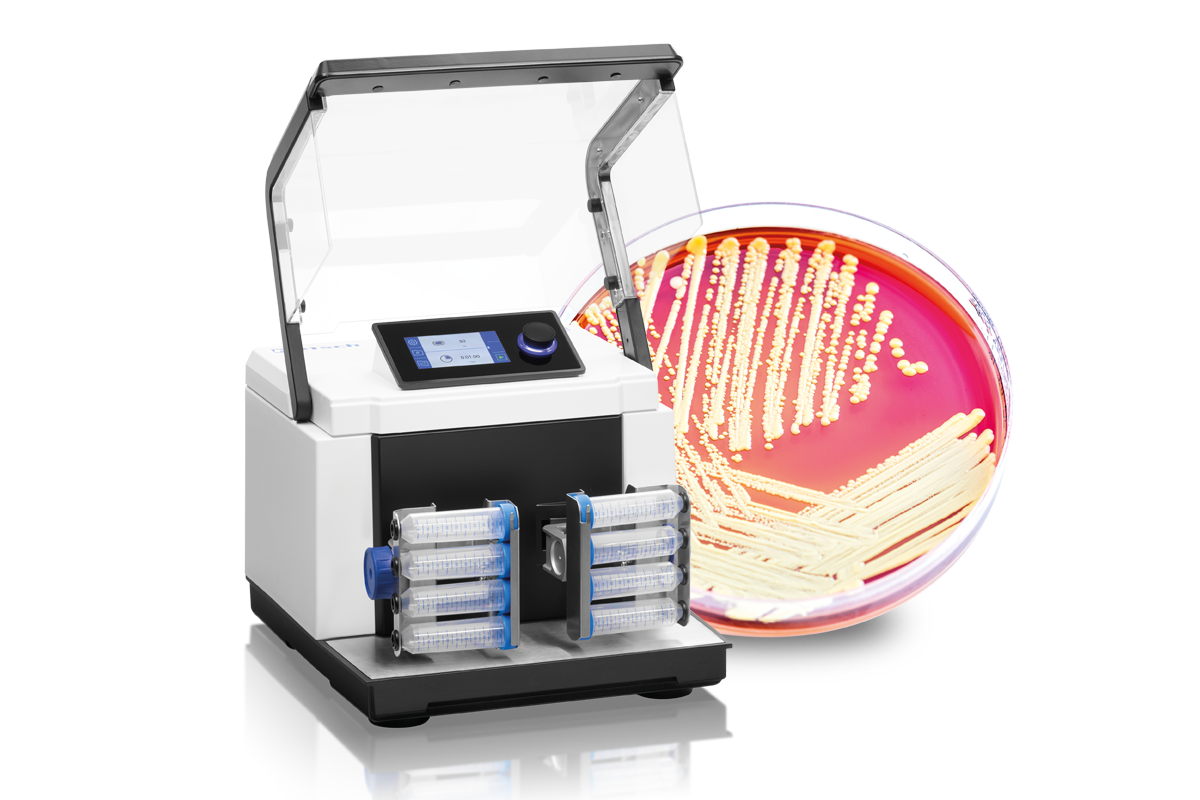
Mikser Öğütücü 400 - Maya Hücresi Bozulması*
Mikserli Öğütücü MM 400 - Esrarın homojenizasyonu*
*Videoda, aynı çalışma prensibine sahip önceki model gösterilmektedir.
Mikserli Öğütücü MM 400 Kriyojenik öğütme çözümleri
CryoKit, Mikserli Öğütücü MM 400 ile kriyojenik numune işleme için uygun maliyetli bir çözümdür. Set, iki yalıtımlı kap, iki maşa ve güvenlik gözlüklerinden oluşmaktadır.
Kırılganlaştırılacak numune ve öğütme bilyesi, sıkıca vidalanmış paslanmaz çelik öğütme kabına doldurulur. Dolaylı kırılganlaştırma, kabın sıvı azot banyosunda önceden soğutulmasıyla gerçekleştirilir. Yaklaşık 2 dakika sonra, numune kriyojenik işleme için yeterince soğutulmuş olur.
Sıvı azotla doğrudan temastan kaçınılacaksa, CryoMill veya Mikserli Öğütücü MM 500 control uygun seçeneklerdir. Her iki değirmen de kriyojenik öğütme için çelikten farklı malzemelerden yapılmış kaplarla çalıştırılabilir.
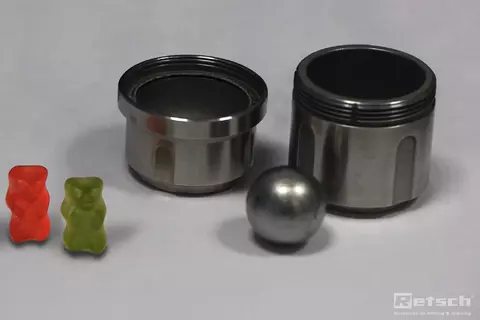
Mikser Öğütücü MM 400 - Kriyojenik Öğütme
Mikserli Öğütücü MM 400 Mekanokimyada uygulamalar
Mekanokimya, çözücü içermeyen bir ortamda maddelerin hızlı reaksiyonlarını mümkün kılar. Bazı kimyasal reaksiyonlar gezegen tipi bilyalı değirmenin sürtünme kuvvetlerini gerektirirken, diğer reaksiyon türleri darbe yoluyla enerji girdisine ihtiyaç duyar – işte burada Mikserli Öğütücü MM 400 devreye girer.
Araştırma uygulamaları için mevcut numune hacimleri genellikle çok düşüktür. Bu, MM 400 için mevcut olan 50 ml'ye kadar küçük öğütme kabı boyutlarını avantajlı hale getirir. Sıklıkla uzun reaksiyon süreleri nedeniyle, birkaç saatlik işlem sürelerini programlama olanağı da önemli bir husustur.
Karıştırıcı değirmenler, mekanokimyasal uygulamalarda gezegen tipi bilyalı değirmenlere göre benzersiz bir avantaj sunar: şeffaf kapların tipik yatay kap hareketiyle birlikte kullanılması, yerinde RAMAN spektroskopisine olanak tanır. Bu, maksimum verim için en uygun zamanı belirlemek ve uzun süreli işlemeyi önlemek için reaksiyon sürecinin gerçek zamanlı olarak izlenmesine olanak tanır.
MM 400, mekanokimyasal uygulamalar için birçok avantaj sunar:
- 99 saate kadar işlem süreleri
- Çeşitli öğütme kabı boyutları ve malzemeleri
- Şeffaf PMMA öğütme kapları, yerinde RAMAN spektroskopisine olanak sağlar.
- Programlanabilir frekans ve mola süreleri
- 4 x 5 ml'lik paslanmaz çelik öğütme kapları için adaptör, aynı anda 8 adede kadar reaksiyona olanak tanır.
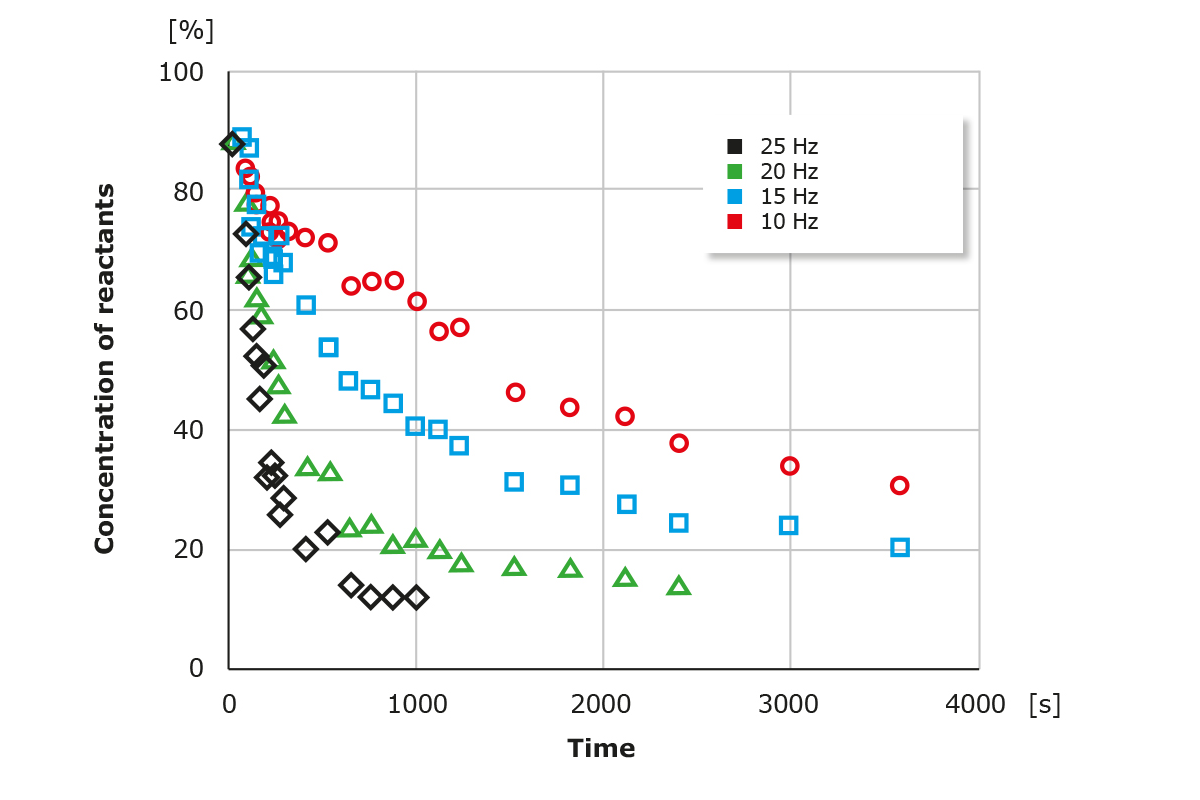
Vanilin ve barbitürik asit arasındaki Knoevenagel reaksiyonunun, 19 ml PMMA öğütme kabında 30 Hz frekansta 2x10 mm zirkonyum oksit öğütme bilyeleri kullanılarak mekanokimyasal koşullar altında zaman içindeki değişimi. Reaksiyon 30 dakika boyunca devam etmiş ve renk değişimi ile gözle görülür bir ilerleme kaydedilmiştir.
Dr. Sven Grätz, Ruhr-Üniversitesi Bochum, Kimya ve Biyokimya Fakültesi, AG Prof. Borchardt'ın izniyle.
Co-Crystal Screening with the MM 400
Co-crystal screening can be effectively performed in Mixer Mills. In a study [9] using the MM 400, 2 ml steel tubes and the corresponding PTFE adapter were employed to co-crystallize theophylline and benzamide in a 1:1 ratio under the following conditions:
- 60 min milling time
- 30 Hz frequency
- One 6 mm steel ball per tube
- Four experiments without solvent and four with 20 µL ethanol
X-ray powder diffraction patterns of the eight resulting samples (shown in green) align closely with the simulated reference pattern of the target co-crystal. All observed signals correspond to the desired product, with no significant additional signals, indicating successful and reproducible co-crystal formation. The MM 400 with 2 ml steel tubes delivers consistent results, and this compatibility extends to the MM 500 series, which can also accommodate 2 ml steel tubes.
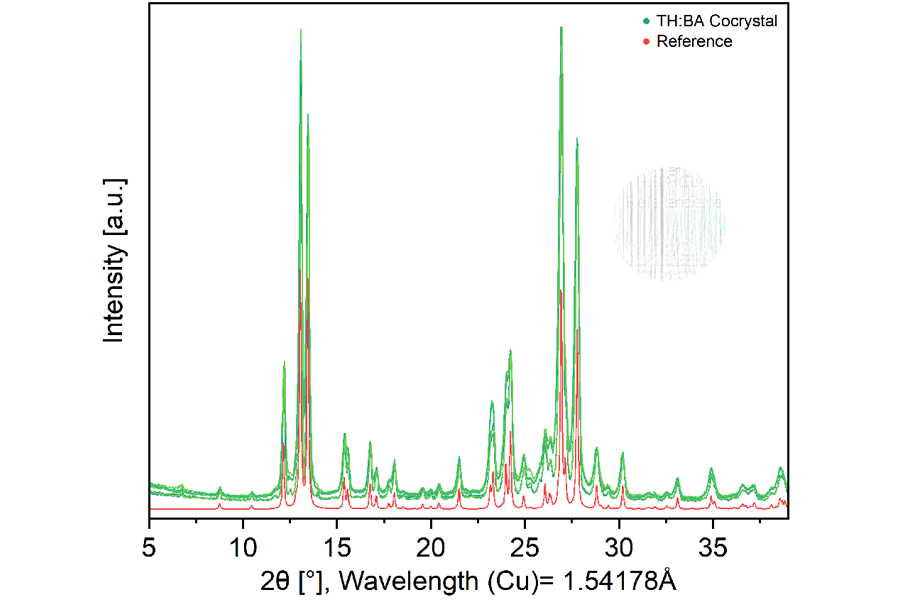
XRD patterns after the co-crystal formation of theophylline and benzamide after 60 min milling time in the MM 400 against a simulated reference. Results presented by experiments of Dominik Al-Sabbagh. [2]
Chemistry in the Mill: Teflon Recycling (PTFE) Using Mechanical Energy
Mechanochemical Recycling of PTFE (Teflon)
Mechanochemistry not only enables new synthetic pathways but also opens up innovative approaches for recycling processes involving materials that are difficult to degrade. A recent example from research shows that even the extremely stable polymer polytetrafluoroethylene (PTFE), better known as Teflon, can be degraded mechanochemically. A decisive factor is continuous mechanical stress: During grinding with the RETSCH MM 400, the reacted surface is constantly removed, exposing new surface area. This allows the reaction to proceed until a large portion of the polymer has been converted. In the study, up to 98% of the PTFE was converted into sodium fluoride and elemental carbon.
The resulting products can then be further utilized, for example as raw materials for battery materials or as fluorine-containing building blocks for pharmaceutical and agrochemical applications.
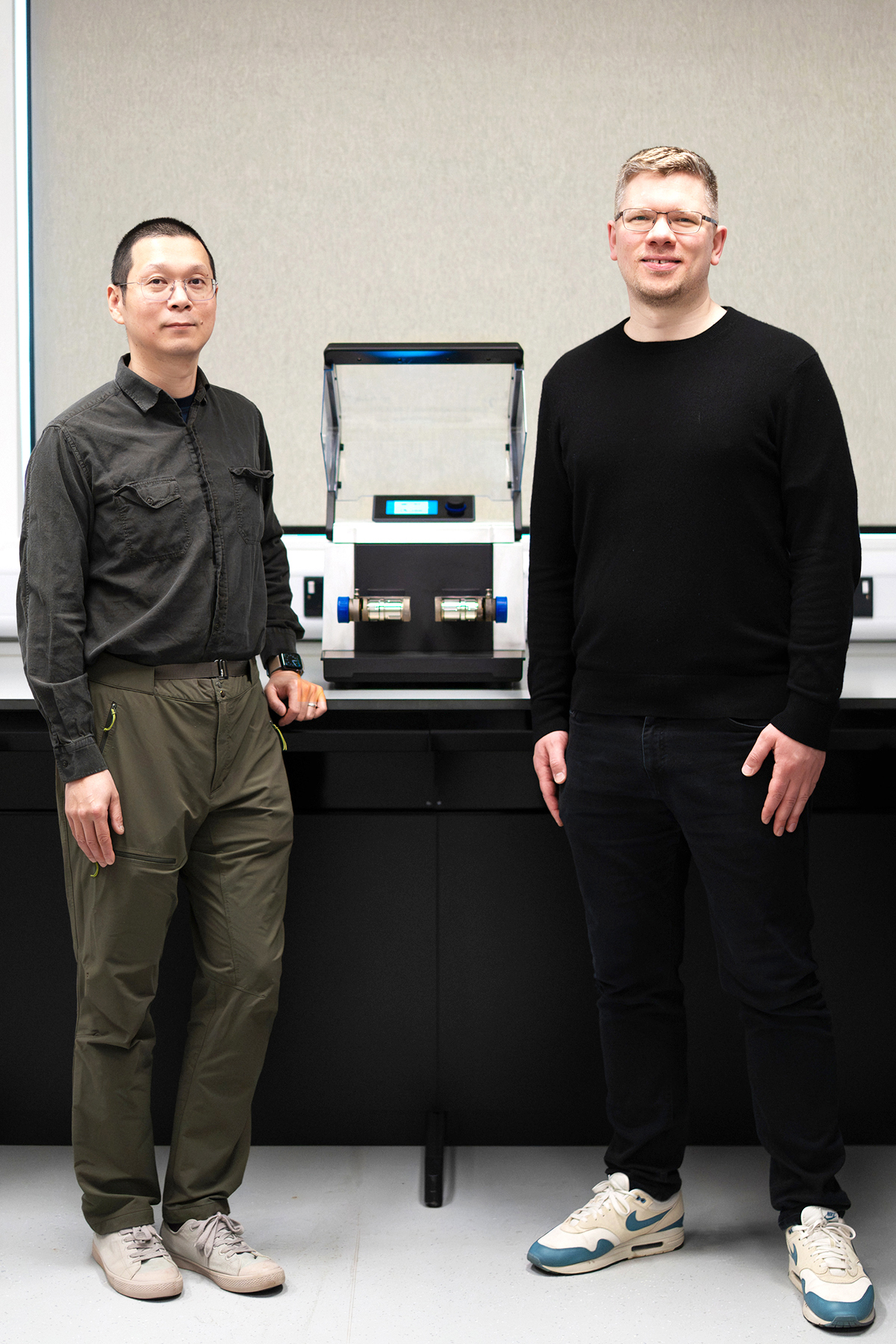
Image on the right: Dr. Erli Lu and Dr. Dominik Kubicki with the Mixer Mill MM 400, which was used to decompose PFAs. [15]
The renowned science program “Forschung aktuell” on Deutschlandfunk radio presented this research approach and its significance for future recycling technologies.
audio
Functionalizing biomass for pharma applications via mechanochemistry
Mechanochemistry is transforming how functional biomaterials are made, and cationic cellulose is a prime example. Using a solvent-free process, cotton fibers are combined with a catalytic base and a minimal additive, then milled together with the cationic reagent to activate the reaction using the Mixer Mill MM 400. This solid-state approach eliminates water and bulk solvents, dramatically reducing chemical use and waste compared to conventional methods. After milling, a short aging step completes the reaction, delivering highly charged cellulose fibers with exceptional performance. [14]
Optimal reaction conditions: Cotton fibers were milled in a 50 ml stainless steel jar with 3 x 10 mm balls for 5 min at 25 Hz, then EPTMAC was added, and the mixture was milled for additional 30 min. The subsequent aging of the reaction mixture at 50 °C for 24 h, followed by Soxhlet extraction (48 h) and freeze drying, resulted in the isolation of pure cCF material.
Why is this exciting for pharma?
These cationic fibers show strong electrostatic binding to viruses, enabling efficient removal of pathogens from water and process streams—critical for sterile manufacturing and clean water applications. Beyond filtration, the material offers potential in drug delivery, antimicrobial surfaces, and bioprocessing aids. The process achieves outstanding sustainability metrics aligning with green chemistry principles and industry goals. It also allows precise control over charge density for tailored performance.
This innovation demonstrates how mechanochemistry can deliver high-value, eco-friendly solutions for pharmaceutical production—combining safety, efficiency, and sustainability in one breakthrough approach.
Mikserli Öğütücü MM 400 In-situ Raman spectroscopy
In-situ Raman spectroscopy is a powerful analytical technique that allows for the monitoring and analysis of materials in their natural or process environment. This method utilizes Raman scattering, a phenomenon where light interacts with molecular vibrations, leading to shifts in the wavelength of the scattered light. These shifts provide a unique spectral fingerprint for the material being analyzed, offering insights into its chemical composition or molecular structure.
The "in-situ" aspect refers to the ability to observe and measure these characteristics directly during an ongoing process. This can include observing changes in the presence of various chemical reactions, also the so called mechanochemistry. Mechanochemistry involves the use of impact, shearing, or friction actions to induce chemical changes in solids. This approach is increasingly popular for its ability to bypass the need for solvents, potentially offering a more environmentally friendly and energy-efficient pathway for chemical synthesis. The Raman spectroscopy can provide invaluable insights into the reaction mechanism, phase transformations, reaction kinetics or for optimization of reaction conditions.
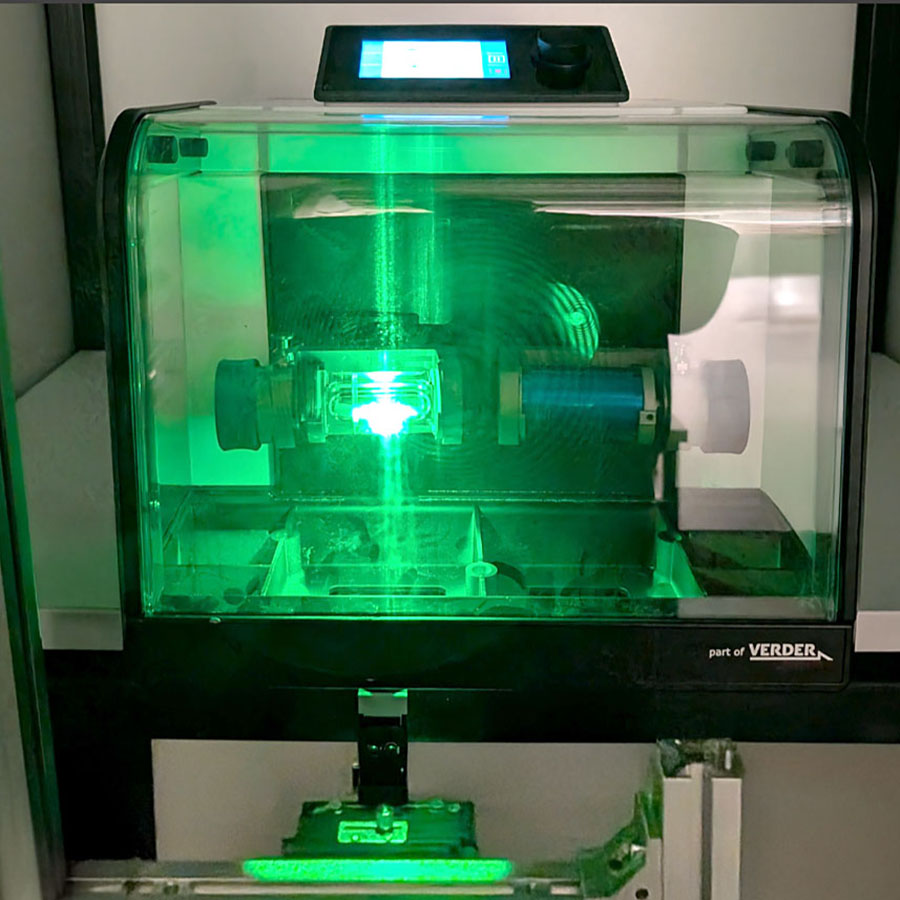
The MM 400 is “Raman-ready”, allowing easy removal of the bottom plate inlay. The bottom plate has openings for the Raman probe to consistently measure at the bottom of the jars by placing the Raman probe underneath the mill and thus underneath the jars, where particle interaction is most intense, ensuring accurate data. The Retsch PMMA grinding jars, with their transparency and chemical resistance, enhance spectral data without contamination. The plane outer shapes of the jars further enhance the spectroscopic data. These design adjustments streamline the experimental workflow. Researchers can now perform in-situ Raman spectroscopy with greater ease and precision, opening new possibilities for in-depth material analysis.
GÜVENLİ VE ETKİLİ ÖĞÜTME İŞLEMLERİ İÇİN Mikser Öğütücü MM 400 AKSESUARLARI
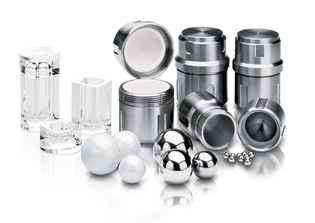
7 farklı malzemeden üretilmiş öğütme kapları
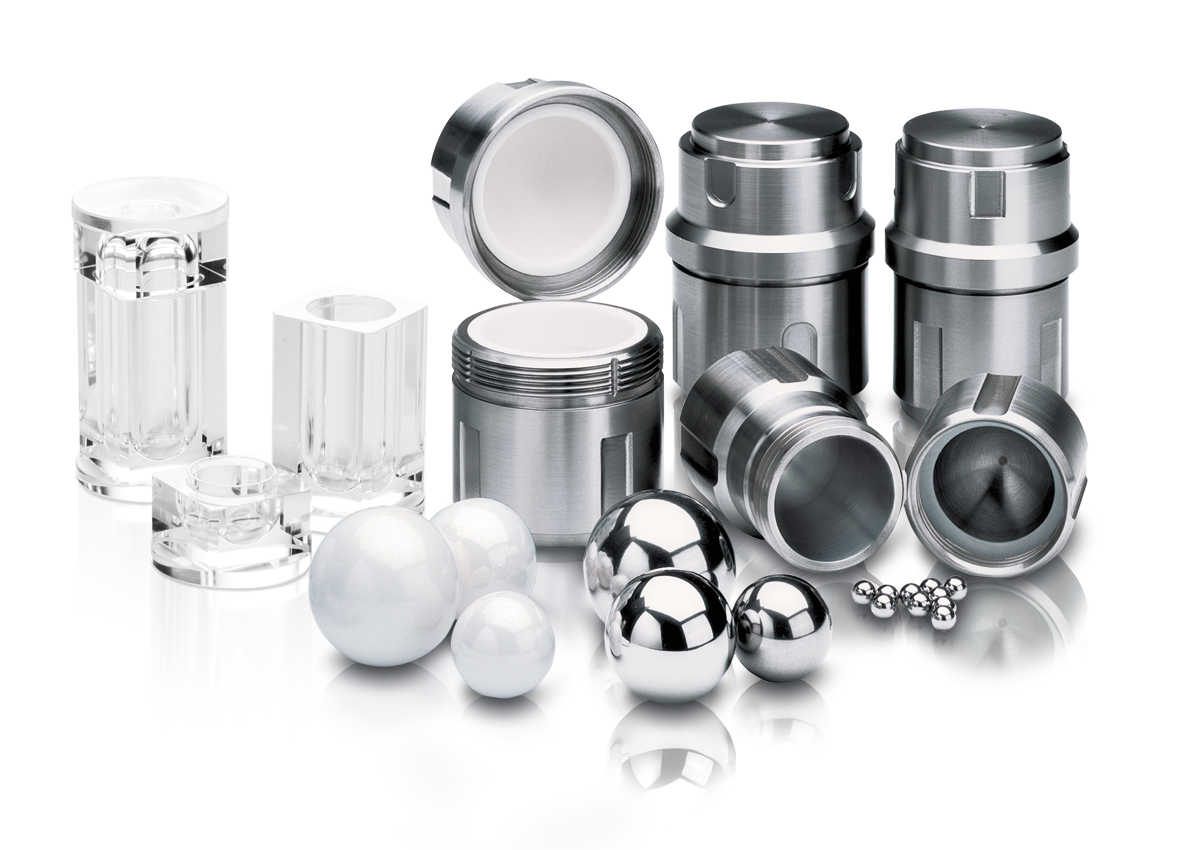
Vidalı öğütme kavanozlarının nominal hacmi 1.5 ml ila 50 ml arasında değişir; Mevcut malzemeler arasında sertleştirilmiş çelik, paslanmaz çelik, akik, tungsten karbür, zirkonyum oksit ve PTFE bulunur ve kontaminasyonsuz numune hazırlama sağlar.
Şeffaf PMMA öğütme kapları, yerinde RAMAN spektroskopisi için kullanılır, ancak aynı zamanda fotokimyasal reaksiyonlarla ilgili uygulamaları da mümkün kılar. Dahası, bunlar çeşitli kimyasallara karşı dayanıklıdır. Bu kaplar, tıpkı eski kap modellerinin en yeni karıştırıcı değirmen modeliyle uyumlu olması gibi , MM 400 önceki modeliyle de kullanılabilir.
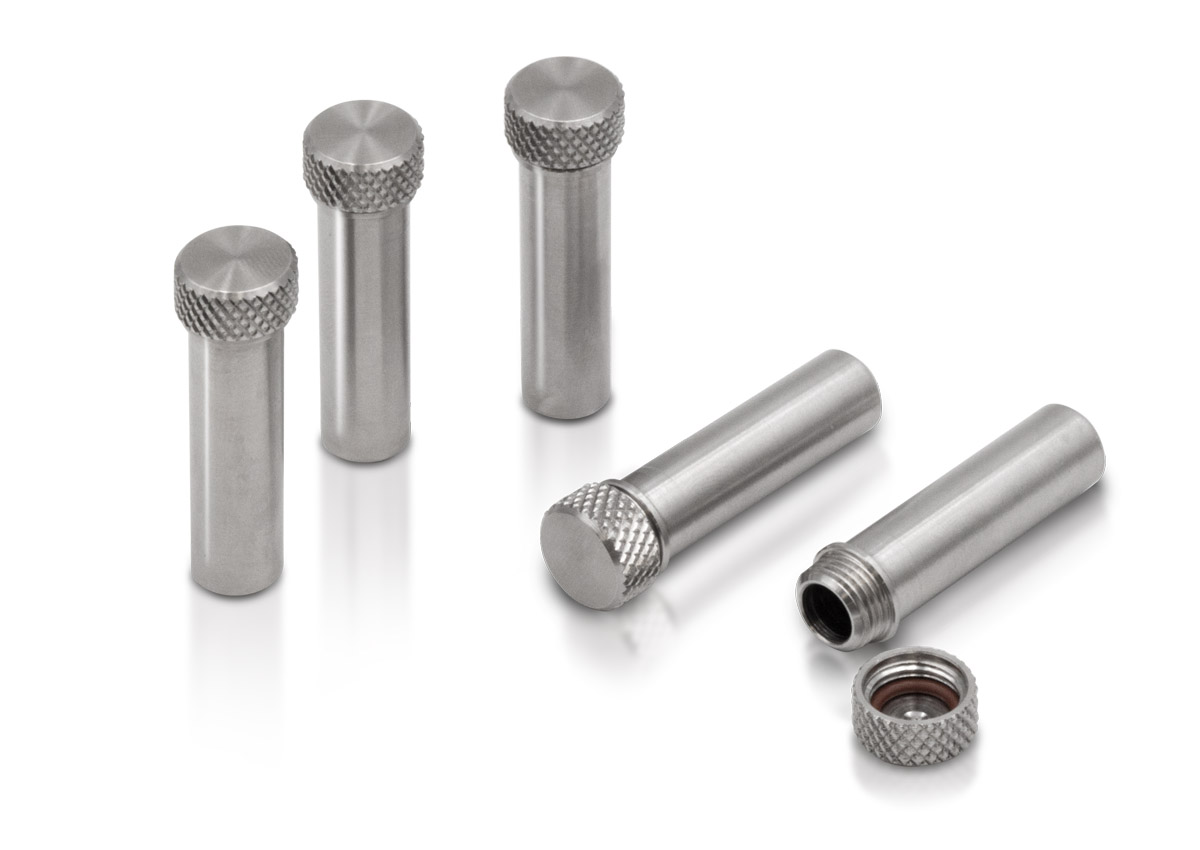
2 ml tubes for cryogenic grinding
Small 2 ml steel tubes are used for cryogenic applications. Up to 20 of these tubes can be clamped into the MM 400 using an adapter. The advantage: they can withstand low temperatures and mechanical stress and do not break like disposable vessels. Ideal for the smallest sample quantities in the cryogenic range.
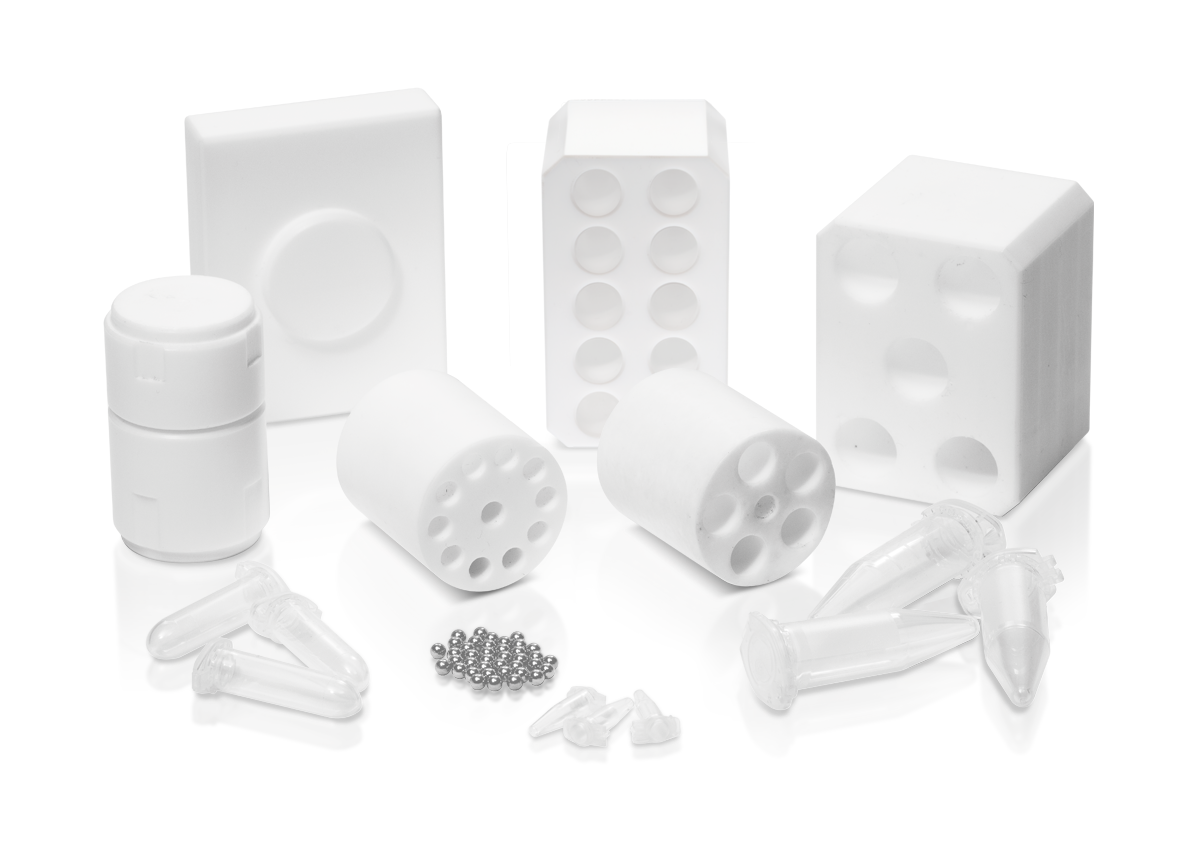
TEK KULLANIMLIK ŞİŞELER İÇİN ADAPTÖRLER
0.5 / 1.5 / 2/5 ml'lik tek kullanımlık şişeler için adaptörler MM 400'de kullanılabilir. Daha büyük numune miktarları için, örn. g. protein ekstraksiyonu için 50 ml konik santrifüj tüpleri veya 30 ml geniş ağızlı şişeler için adaptörler mevcuttur.
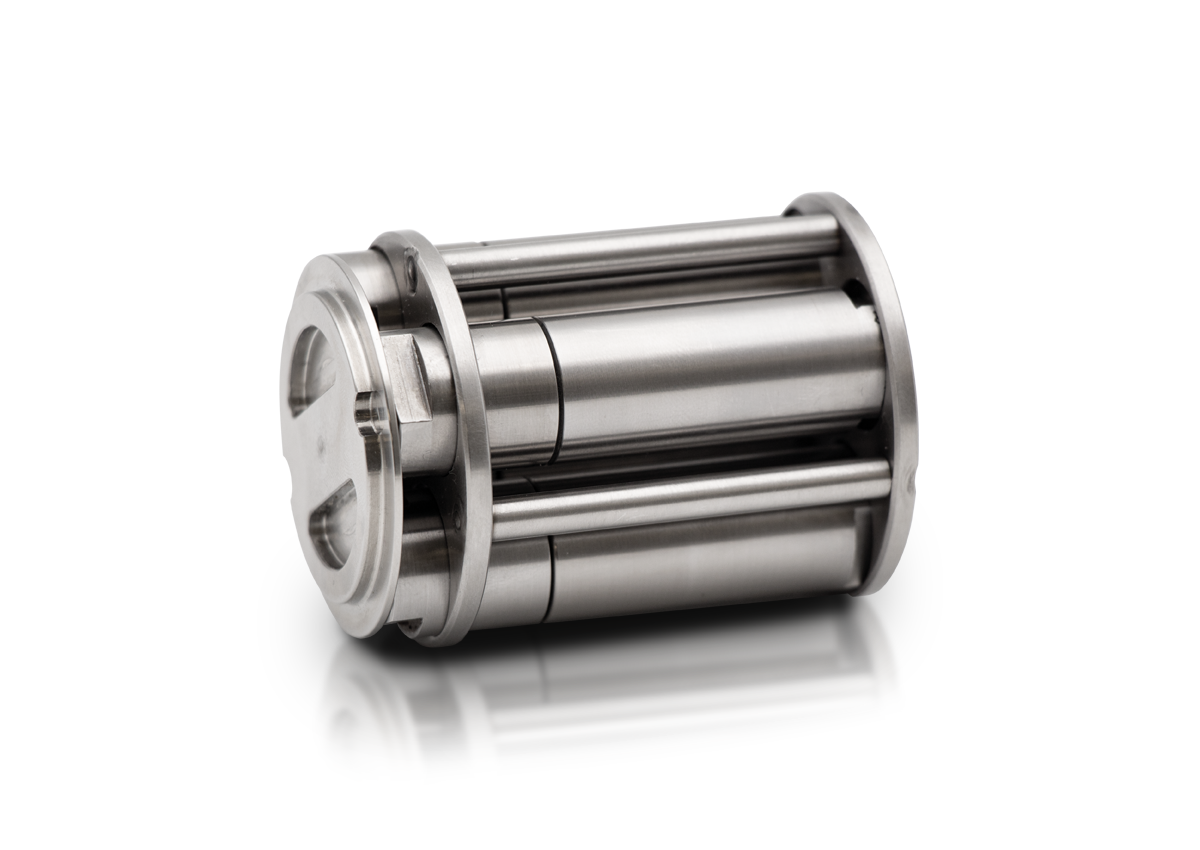
Numune işleme kapasitesini artırmak için adaptörler
MM 400, dört adet 5 ml'lik paslanmaz çelik öğütme kabını barındırabilen adaptörlerle donatılabilir ve bu sayede aynı anda en fazla 8 numunenin öğütülmesine olanak tanır. Bu artırılmış verimlilik, özellikle mekanokimyasal uygulamalar için faydalıdır.
MM 400 için flakon, şişe ve tüpler mevcuttur.
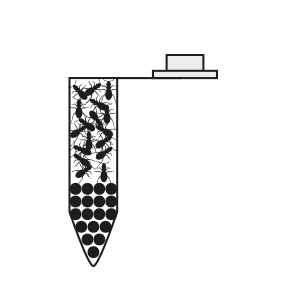
1,5 veya 2 ml
Güvenli kilitli
tek kullanımlık flakonlar
maksimum 2 x 10 flakon
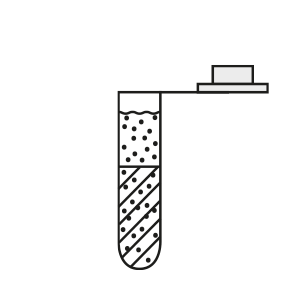
- DNA/RNA proteinleri/metabolitleri için hücre bozulması
- Yumuşak numunelerin (doku, bitki, hücre peletleri, böcekler) kriyojenik öğütülmesi
- Yumuşak örneklerin (doku, böcek) kuru veya ıslak homojenizasyonu
5 ml
Güvenli kilitli
tek kullanımlık flakonlar
maksimum 2 x 5 flakon.
- DNA/RNA proteinleri/metabolitleri için hücre bozulması
- Yumuşak numunelerin (doku, bitki, hücre peletleri, böcekler) kriyojenik öğütülmesi
- Yumuşak örneklerin (doku, böcek) kuru veya ıslak homojenizasyonu
30 ml
tek kullanımlık geniş ağızlı
şişeler
maksimum 2 x 4 şişe.
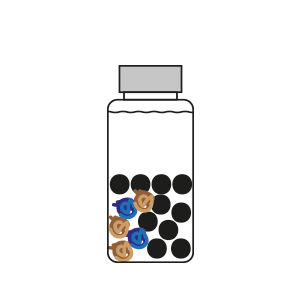
- DNA/RNA proteinleri/metabolitleri için hücre bozulması
- Yumuşak örneklerin (doku, böcek) kuru veya ıslak homojenizasyonu
- Sert numunelerin (kuvars kumu) kuru öğütülmesi
50 ml
tek kullanımlık konik
santrifüj tüpleri
maksimum 2 x 4 tüp.
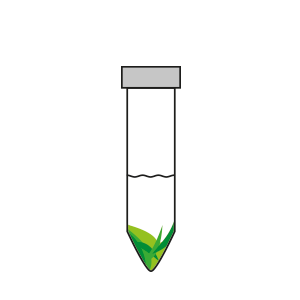
- DNA/RNA proteinleri/metabolitleri için hücre bozulması
- Yumuşak örneklerin (doku, böcek) kuru veya ıslak homojenizasyonu
- Gıda/bitkilerden pestisitlerin ekstraksiyonu (QuEChERS)
- XRF için pelet haline getirmek üzere toz ve balmumunun karıştırılması.
Mikserli Öğütücü MM 400 Önerilen kavanoz dolguları
En iyi sonuçları elde etmek için kavanoz boyutu numune hacmine göre ayarlanmalıdır. İdeal olarak, öğütme bilyeleri en büyük numune parçasının 3 katı büyüklüğünde olmalıdır. Aşağıdaki tabloda verilen bilye sayıları ve boyutları bu genel kurala uymaktadır. Örneğin, 8 mm boyutunda parçacıklardan oluşan 20 ml'lik bir numuneyi toz haline getirmek için 50 ml'lik bir kavanoz ve 25 mm'lik bilyeler kullanılması önerilir. Tabloya göre, bir öğütme bilyesi gereklidir. Bununla birlikte, 5 mm'lik parçacıklardan oluşan 20 ml'lik bir numune, dört adet 15 mm'lik bilye ile homojenleştirilebilir.
| Öğütme kabı nominal hacim |
Örnek miktarı | Malzeme giriş büyüklüğü | Ø 5 mm* | Ø 7 mm* | Ø 10 mm* | Ø 12 mm* | Ø 15 mm* | Ø 20 mm* | Ø 25 mm* |
|---|---|---|---|---|---|---|---|---|---|
| 1,5 ml | 0,2 – 0,5 ml | 1 mm | 1 – 2 | - | - | - | - | - | - |
| 5 ml | 0,5 – 2 ml | 2 mm | - | 1 – 2 | - | - | - | - | - |
| 10 ml | 2 – 4 ml | 4 mm | - | 5 – 7 | 1 – 2 | 1 – 2 | - | - | - |
| 25 ml | 4 – 10 ml | 6 mm | - | - | 5 – 6 | 2 – 4 | 1 – 2 | - | - |
| 35 ml | 6 – 15 ml | 6 mm | - | - | 6 – 9 | 4 – 6 | 2 – 3 | 1 | - |
| 50 ml | 8 - 20 ml | 8 mm | - | - | 12 – 14 | 6 – 8 | 3 – 4 | 1 | 1 |
*Tablo, öğütme kabı hacmi, numune miktarı ve maksimum besleme boyutuna bağlı olarak, farklı boyutlardaki öğütme bilyelerinin önerilen miktarlarını (adet olarak) göstermektedir.
Mikserli Öğütücü MM 400 Tipik Örnek Malzemeler
RETSCH mikser değirmenleri gerçek anlamda çok yönlüdür. Örneğin alaşımlar, hayvan yemi, kemikler, seramikler, kimyasal ürünler, kömür, kok kömürü, ilaçlar, elektronik hurda, cam, tahıllar, saç, mineraller, yağlı tohumlar, cevherler, kağıt, bitki malzemeleri, plastikler, kanalizasyon çamuru, toprak, saman, tablet, tekstil, mendil, tütün, atık numuneleri, odun, yün vb.
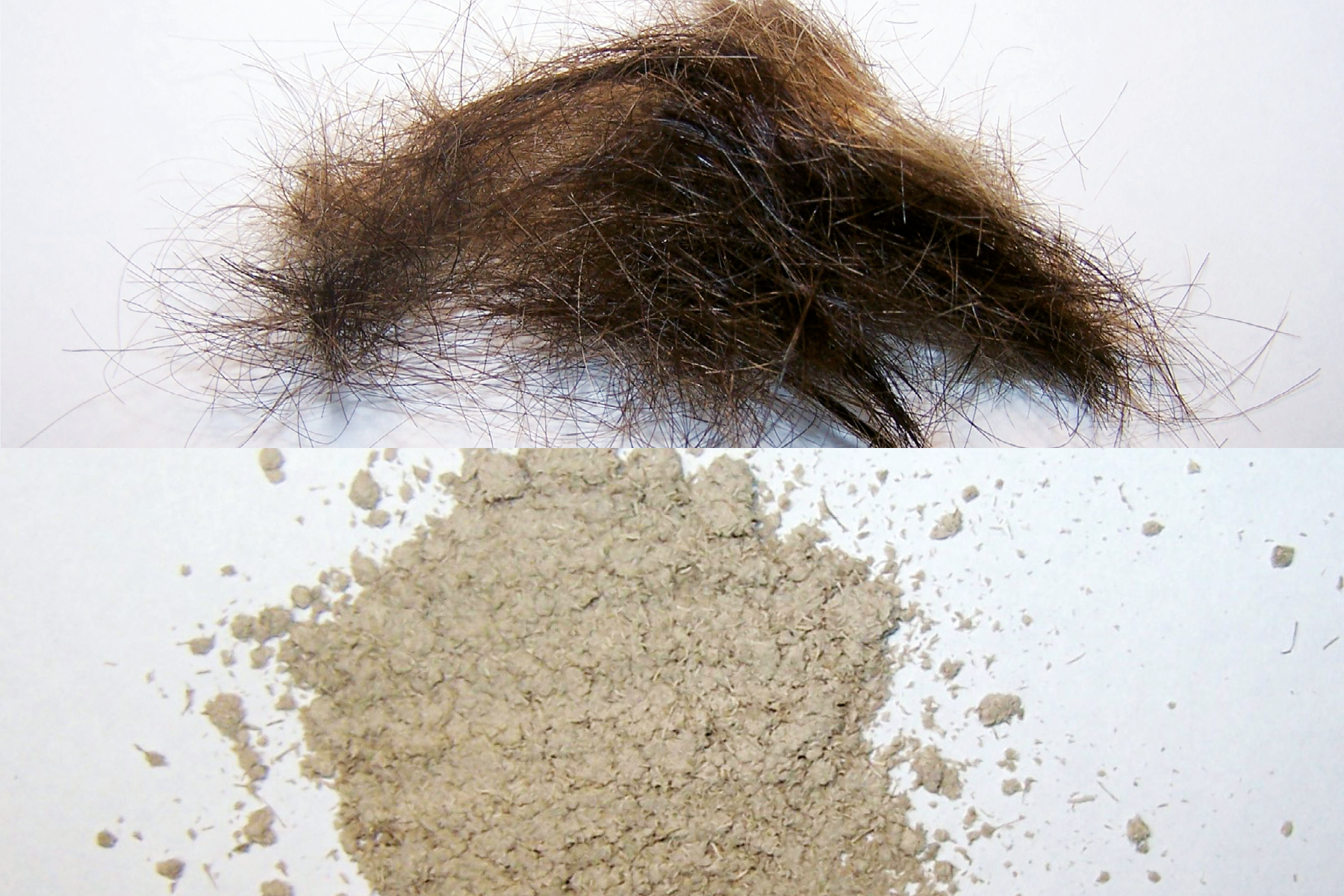
Lifli: Saç
30 ml numune
50 ml paslanmaz çelik kavanoz
1 x 25 mm paslanmaz çelik bilye
30 Hz'de 2 dakika
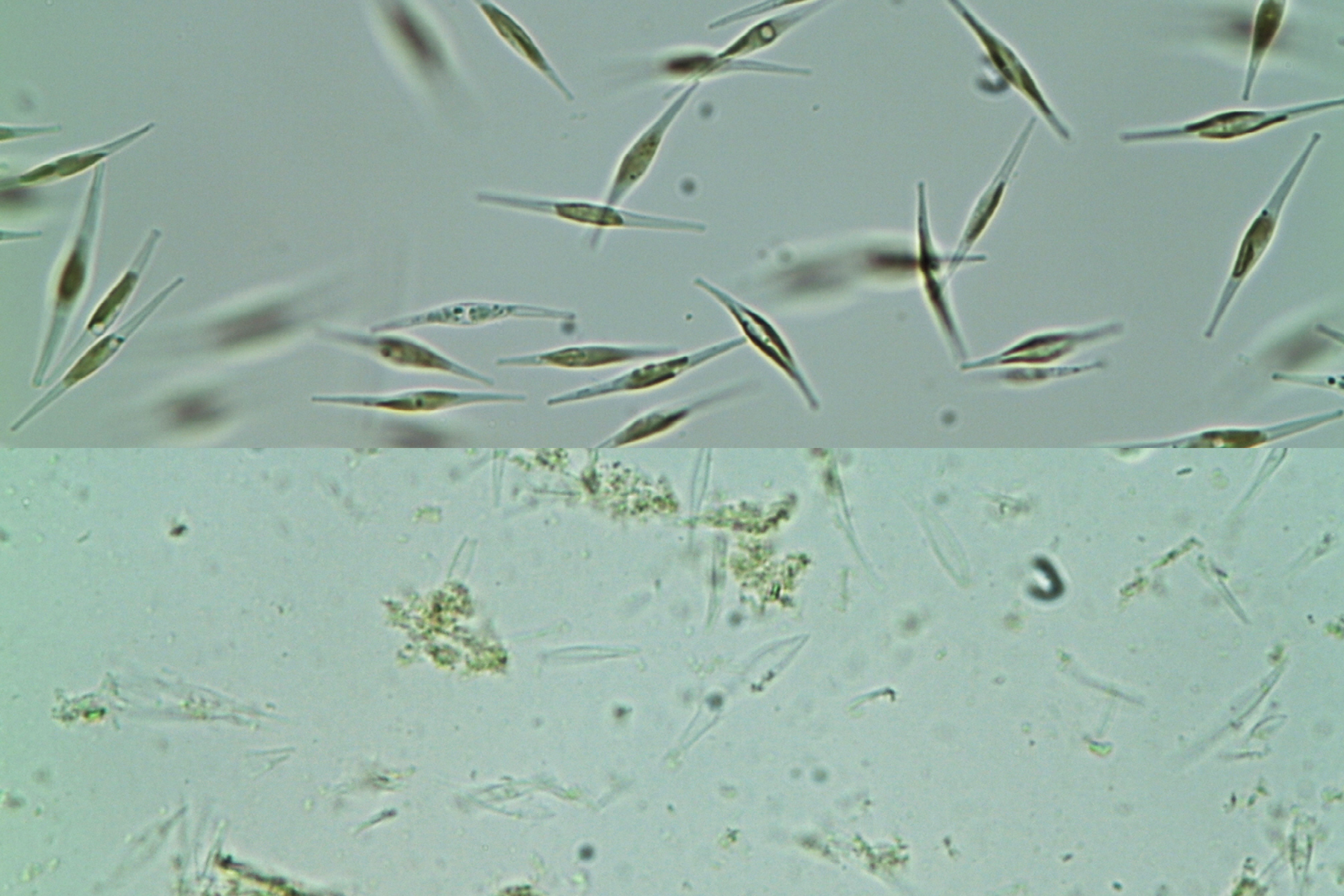
Hücre parçalanması: Mikroalgler
30 ml hücre süspansiyonu
8 x 50 ml konik santrifüj tüpü (adaptör)
her biri 25 ml cam boncuklu; 0,5-0,75 mm
30 Hz'de 30 saniye
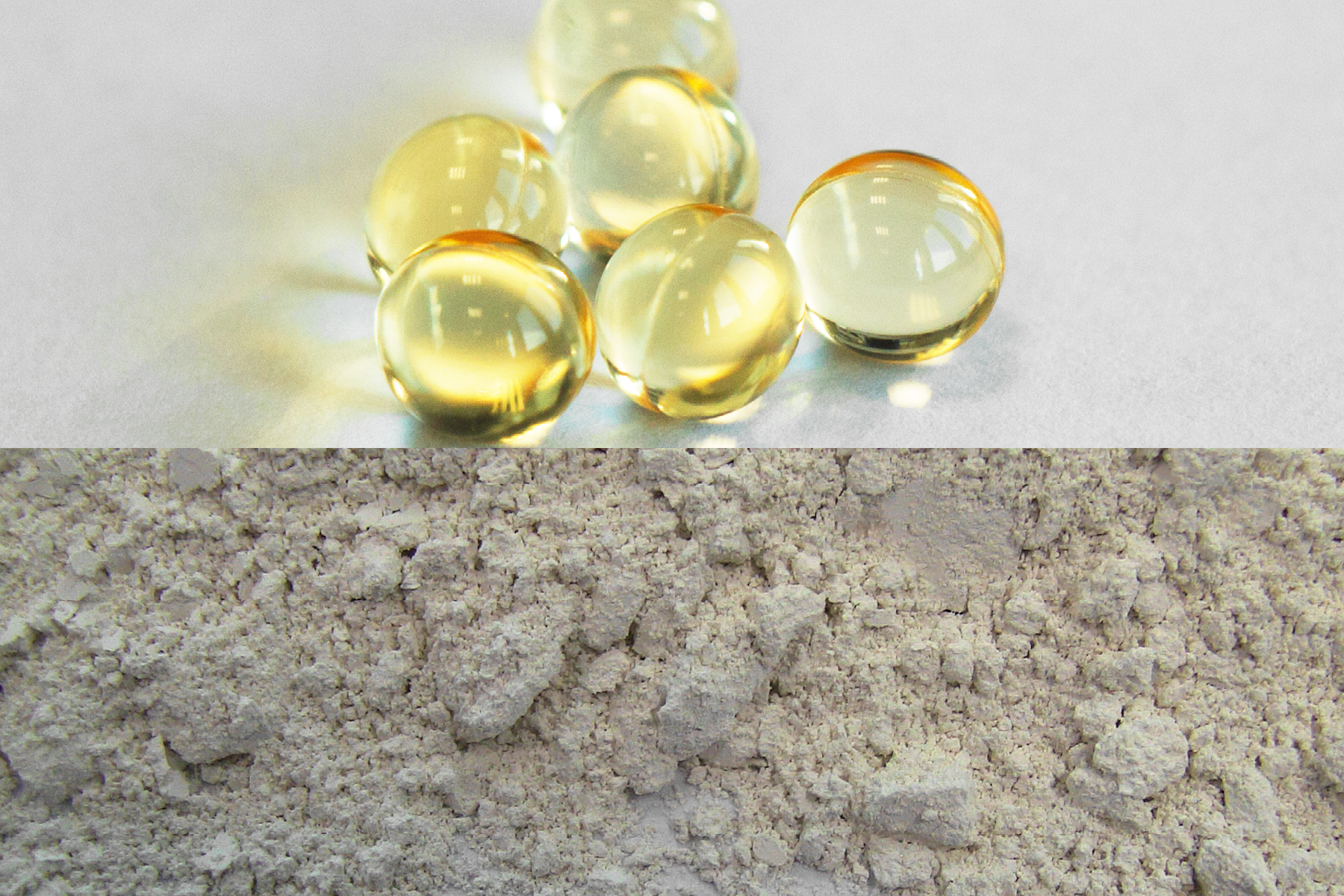
Elastik Sıvı:
Sıvı içeren kapsüller
15 ml numune
50 ml paslanmaz çelik kavanoz
1 x 25 mm paslanmaz çelik bilye
3 dakika boyunca sıvı azot (LN2) içinde kırılganlaştırma
Ara soğutma ile 30 Hz'de 4 x 2 dakika
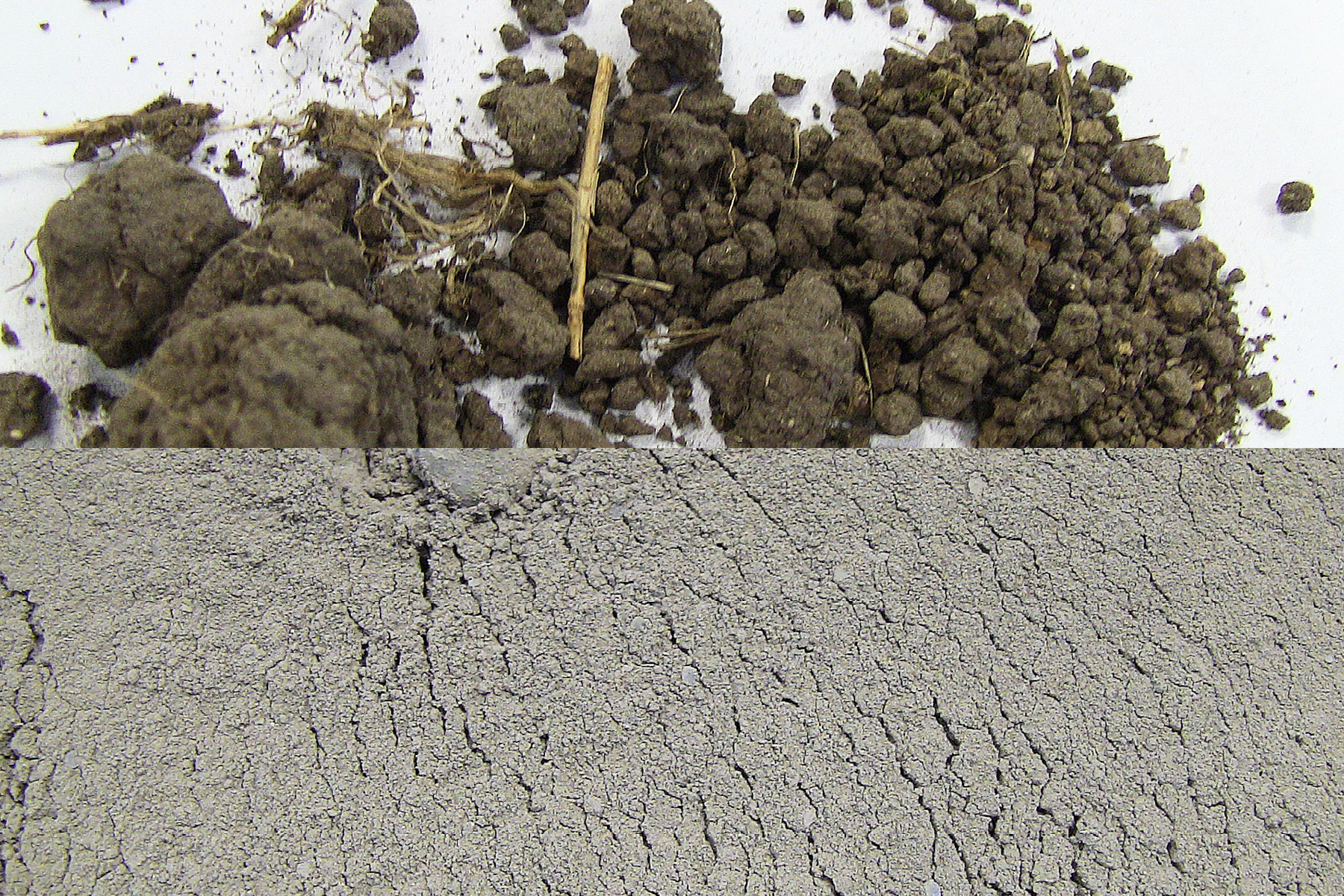
Orta sertlikte/lifli: toprak
20 ml numune
50 ml paslanmaz çelik kavanoz
1 x 25 mm paslanmaz çelik bilye
30 Hz'de 1 dakika
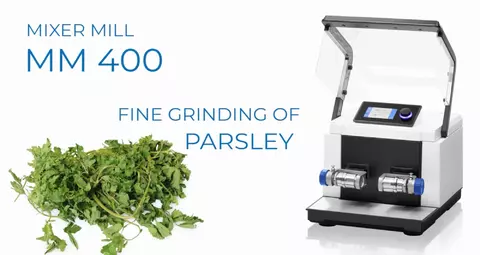
Parsley
20 ml numune
50 ml paslanmaz çelik kavanoz
1 x 25 mm paslanmaz çelik bilye
30 Hz'de 1 dakika
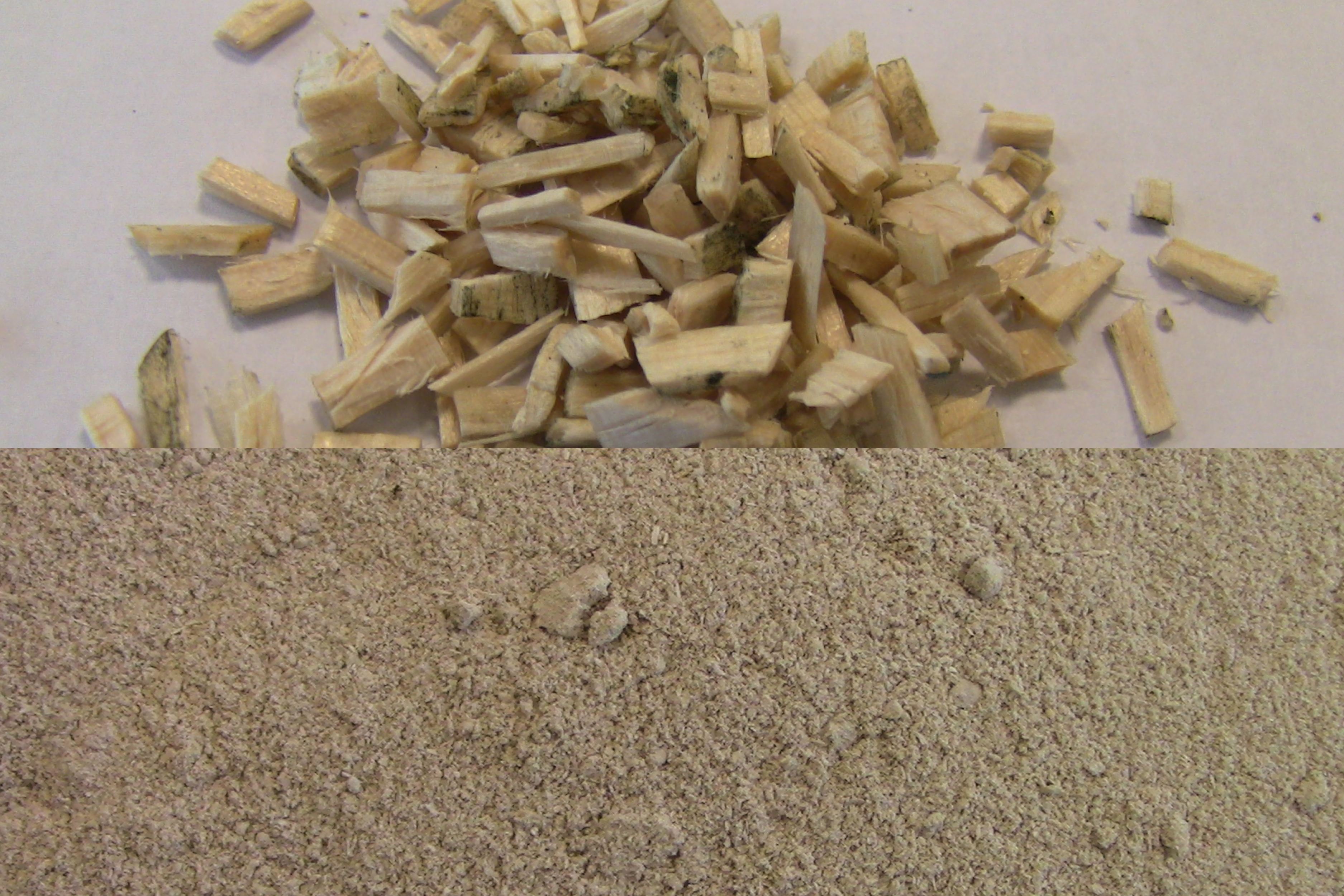
Sert Lifli: Ahşap
5 ml numune
10 ml zirkonyum oksit kavanozu
2 x 12 mm zirkonyum oksit topu
3 dakika 30 Hz'de
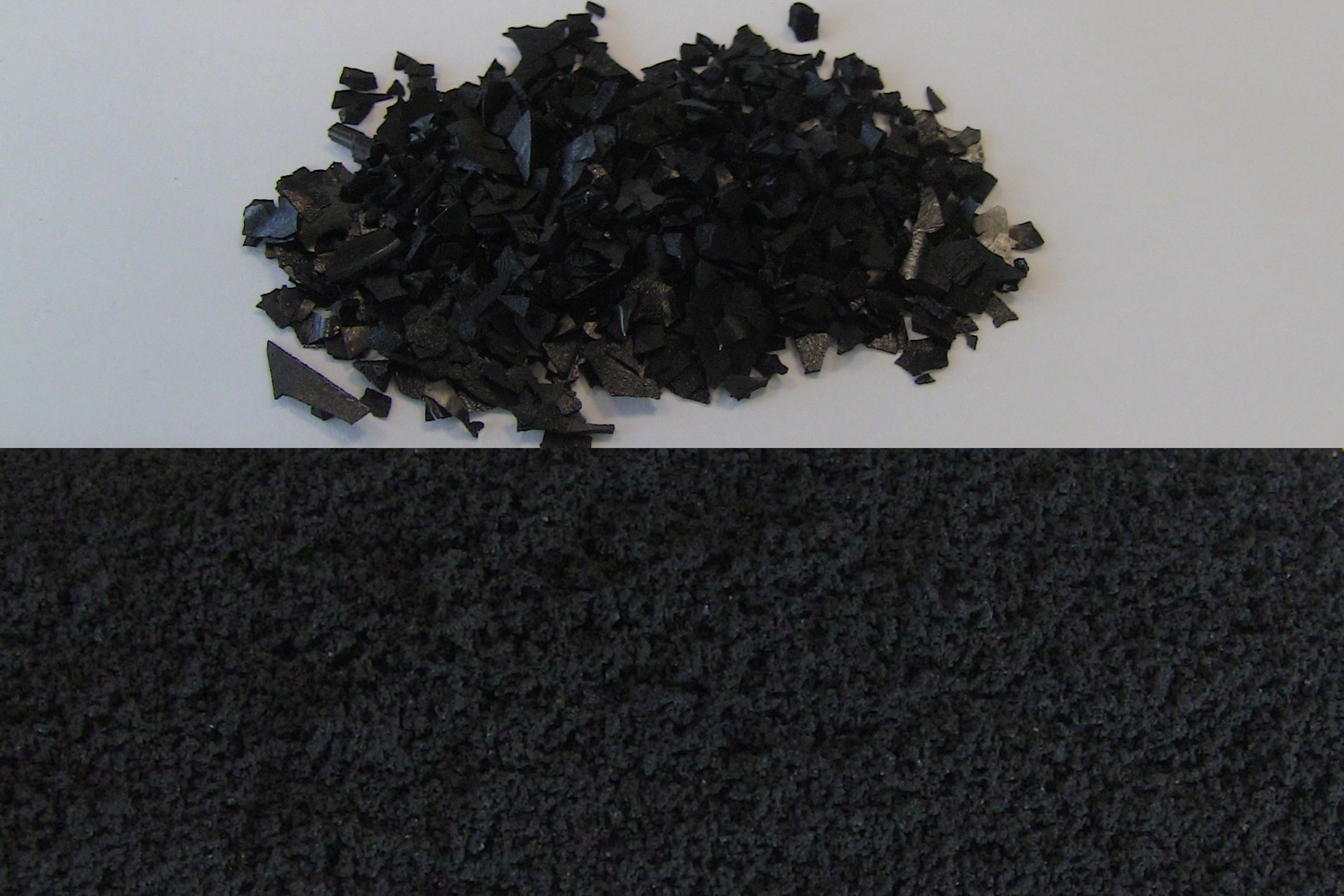
Esnek ve dayanıklı:
Poliüretan Peletler
20 ml numune
50 ml paslanmaz çelik kavanoz
1 x 25 mm paslanmaz çelik bilye
3 dakika boyunca sıvı azot (LN2) içinde kırılganlaştırma
Ara soğutma ile 30 Hz'de 4 x 2 dakika
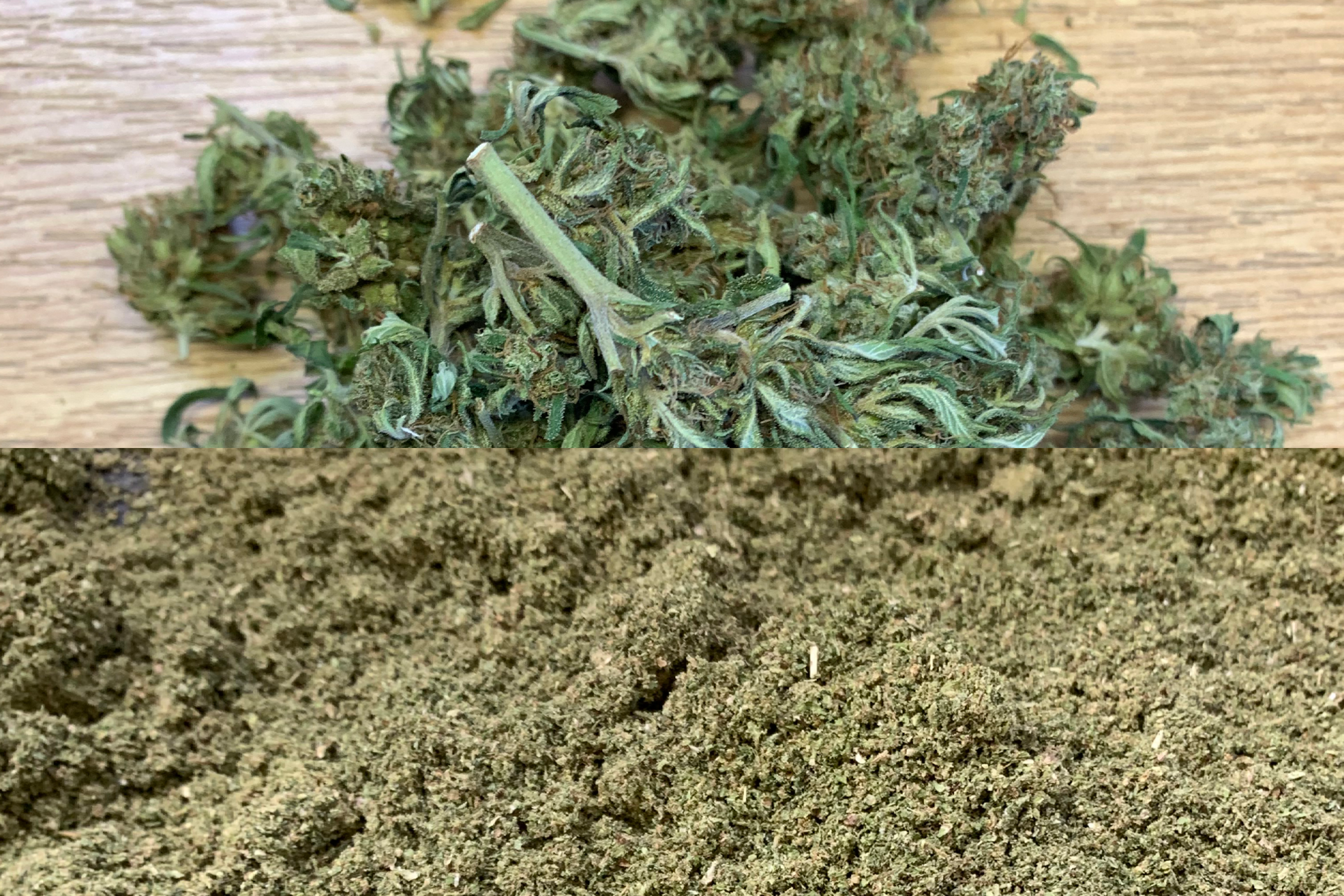
Lifli: Kenevir
3 g numune
50 ml paslanmaz çelik kavanoz
1 x 25 mm paslanmaz çelik bilye
2 dakika boyunca sıvı azot (LN2) ile kırılganlaştırma
30 Hz'de 90 saniye
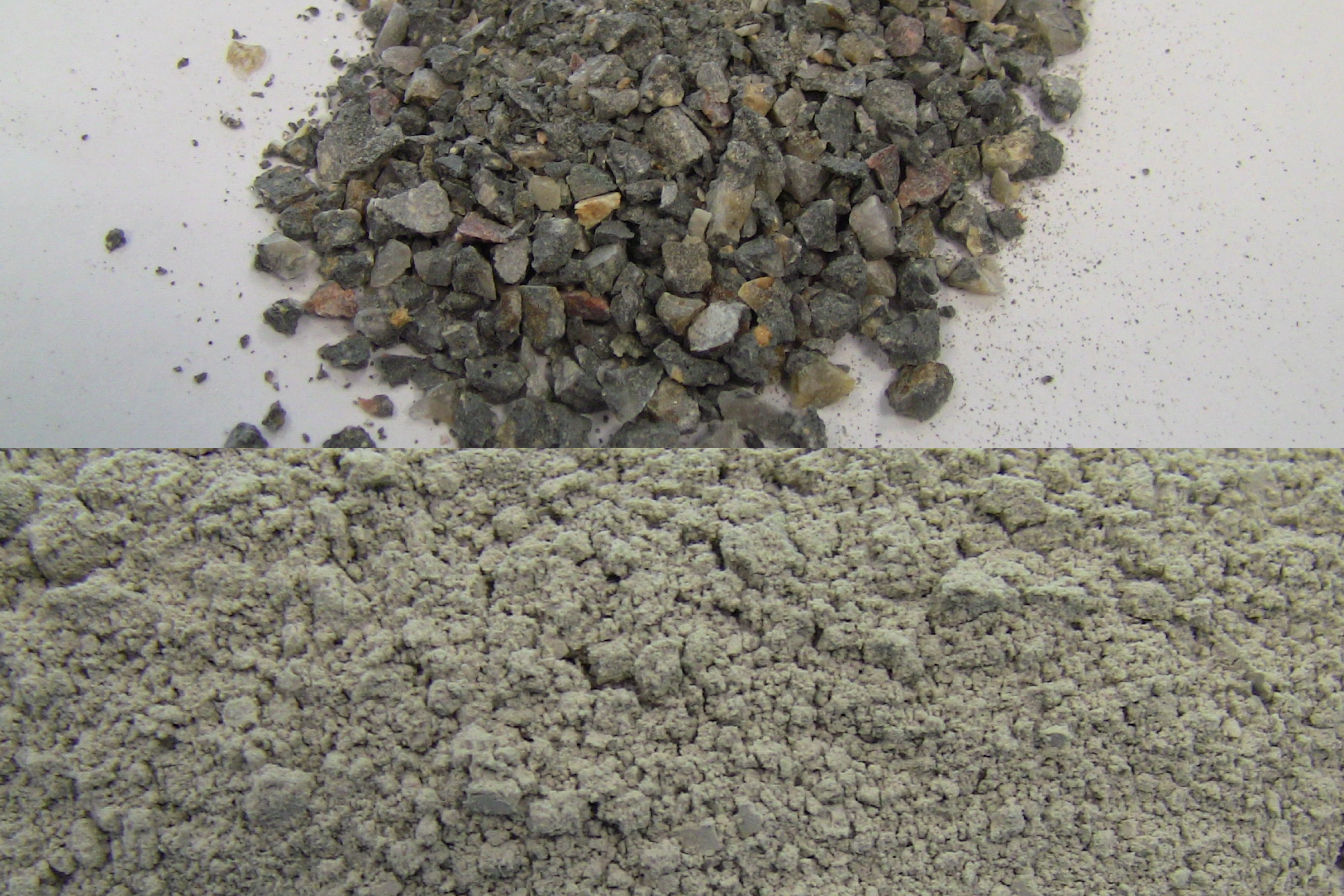
Sert ve Kırılgan: Beton
10 ml numune
25 ml zirkonyum oksit kavanozu
2 x 15 mm zirkonyum oksit topu
30 Hz'de 2 dakika
Örnek hazırlama göreviniz için en iyi çözümü bulmak için uygulama veri tabanımızı ziyaret ediniz
Mikserli Öğütücü MM 400 Fonksiyon prensibi
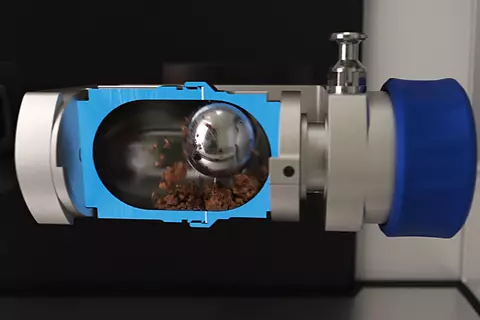
MM 400 mikser değirmeninin öğütme kavanozları, yatay konumda radyal salınımlar gerçekleştirir. Öğütme bilyelerinin ataleti, kavanozların yuvarlak uçlarındaki numune malzemeye yüksek enerji ile çarpmalarına ve toz haline getirmelerine neden olur. Ayrıca, kavanozların hareketi ile topların hareketi birleştiğinde numunenin yoğun şekilde karıştırılmasına neden olur. Birkaç küçük bilye kullanılarak karıştırma derecesi daha da artırılabilir. Birkaç küçük top kullanılırsa (örneğin cam boncuklar), örneğin biyolojik hücreler bozulabilir. Boncuklar arasındaki büyük sürtünme etkisi etkileri, etkili hücre bozulmasını sağlar.
Mikserli Öğütücü MM 400 Teknik Veri
| Uygulamalar | size reduction, mixing, homogenization, cell disruption, cryogenic grinding, mechanochemistry |
|---|---|
| Uygulama alanı | tarım, biyoloji, kimya / plastik, .. |
| Besleme malzemesi | sert, orta sert, yumuşak kırılgan, elastik ... |
| Boyut küçültme prensibi | etki, sürtünme |
| Malzeme giriş büyüklüğü | Ürün Özellikleri |
| Çıkış büyüklüğü | ~ 5 µm |
| Parti boyutu / besleme miktarı | max. 2 x 20 ml |
| Öğütücü istasyon sayısı | 2 |
| Vibrational frequency | 3 - 30 Hz (180 - 1800 min-1) |
| Tipik ortalama öğütme süresi | 30 s - 2 dk |
| Max. grindig time | 99 saat |
| Kuru öğütme | evet |
| Islak eleme | evet |
| Kroyojenik öğütme | evet |
| Reaksiyon şişeleri ile hücre parçalama | evet, 20 x 2.0 ml ye kadar |
| Kendinden merkezli kapak | evet |
| Öğütücü hazne tipi | vida üst dizayn |
| Öğütücü elemanların malzemesi | hardened steel, stainless steel, tungsten carbide, agate, zirconium oxide, PTFE, PMMA |
| Öğütücü hazne ebatları | 1,5 ml / 5 ml / 10 ml / 25 ml / 35 ml / 50 ml |
| Öğütme süresi ayarı | dijital, 10 sn - 8 sa |
| Kaydedilebilir SOP | 12 |
| Elektriksel veriler | 100-240 V, 50/60 Hz |
| Güç bağlantısı | 1-faz |
| Güç tüketimi | 165W |
| Koruma kodu | IP 30 |
| G x Y x D kapalı | 385 x 350 x 470 mm |
| Net ağırlık | ~ 27,5 kg |
| Standartlar | CE |
Mikserli Öğütücü MM 400 Dosya İndirme
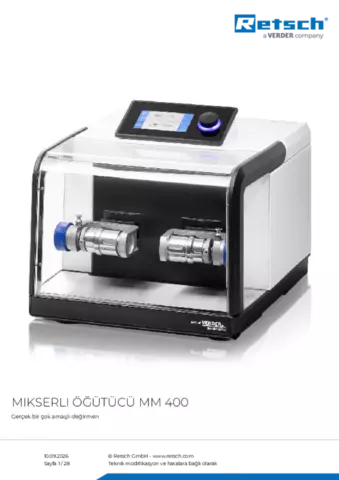
Ürün veri sayfası MM 400

Cannabis - Sample Preparation and Quality Control
RETSCH is putting to use its full product portfolio of grinders, sieve shakers and sample dividers to help process and prepare cannabis samples. The sample preparation process needs to be adjustable to the considerable complexity of the various matrices.
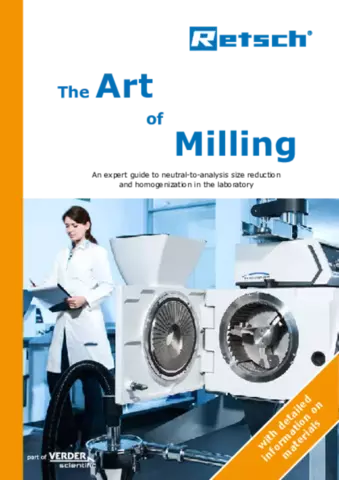
Expert Guide Milling
Why Size Reduction? A reliable and accurate analysis can only be guaranteed by reproducible sample preparation. The "Art of Milling" describes the process of turning a laboratory sample into a representative part sample with homogeneous analytical fineness.
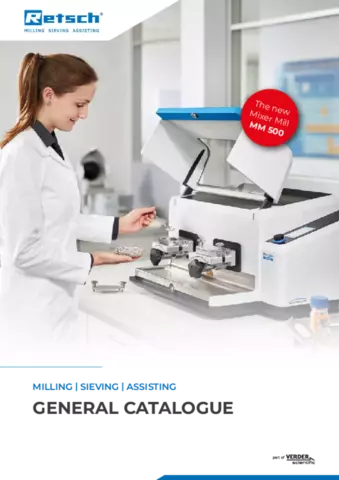
General Catalogue

Green Cement - Innovation in the Construction Industry
Green Cement represents a significant innovation in the construction industry, aimed at reducing environmental impact and promoting sustainable development. Traditional cement production is a major contributor to global CO emissions, accounting for approximately 7-8% of the total. With this material these emissions can be minimized by incorporating supplementary cementitious materials (SCMs) such as fly ash, slag and seashell by using alternative fuels and raw materials. Our solutions enable the production of a more sustainable product with high performance characteristics and exceptional physical properties.
Product Overview
The right mill for every application.