






Hücre Parçalanması ve Biyolojik Örnekler FROM CELL DISRUPTION TO HOMOGENIZATION AND PULVERIZATION OF A GREAT VARIETY OF BIOLOGICAL MATERIALS
Preparing biological samples such as bones, plants, muscles, or sputum for analysis of DNA, RNA, proteins or metabolites can be a challenge. RETSCH provides laboratory mills and grinders that pulverize and homogenize solid materials but are also suitable for cell disruption. RETSCH mills are used in areas such as biotechnology, diagnostics, forensics, agriculture, and microbiology.
Cell disruption of microorganisms (in suspension)
Preparing biological samples such as bones, plants, muscles, or sputum for analysis of DNA, RNA, proteins or metabolites can be a challenge. RETSCH provides laboratory mills and grinders that pulverize and homogenize solid materials but are also suitable for cell disruption. RETSCH mills are used in areas such as biotechnology, diagnostics, forensics, agriculture, and microbiology.
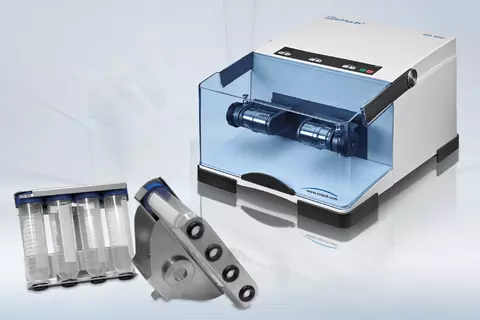
Mikser Öğütücü 400 - Maya Hücresi Bozulması*
*Videoda, aynı çalışma prensibine sahip önceki model gösterilmektedir.
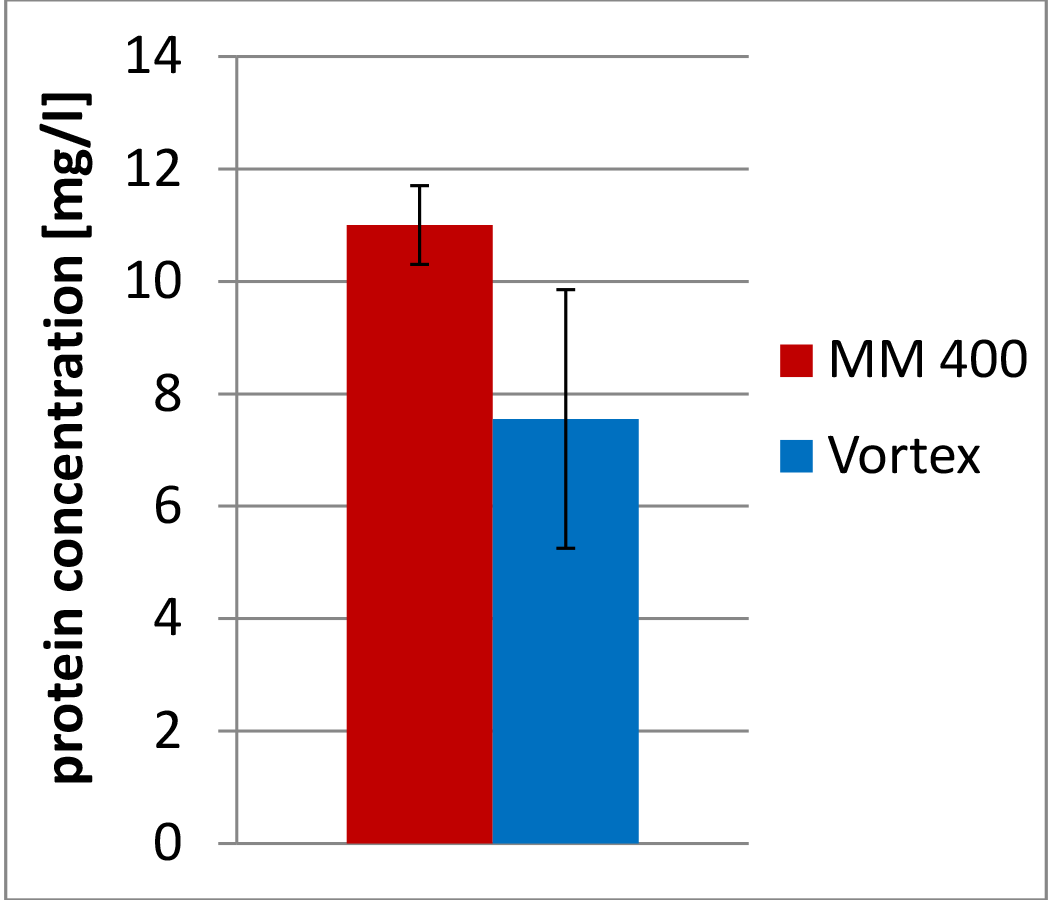
Increased reproducibility of total protein concentration after cell disruption, 7 min in
MM 400, 12 min Vortex.
Error bars: % standard deviation
The MM 400 processes up to 20 samples in 1.5 or 2 ml Eppendorf tubes without cross contamination which saves time for the operator. Additionally, an adapter is available to accommodate up to eight 50 ml Falcon tubes. The optimal bead size for cell disruption varies based on the cell type; for bacteria and yeast, glass beads ranging from 0.75 to 1.5 mm are recommended, while smaller beads within the range of 0.1 to 0.5 mm are more suitable for fungi and microalgae.
For DNA or RNA extraction, smaller single-use tubes up to 2 ml are ideal, whereas larger vials like the 50 ml Falcon tubes are well-suited for processing proteins or metabolites. The optimum bead beating parameters vary according to cell type. It may take some experimenting to find the best results. Usually, 30 s (most microalgae) to 7 min (yeasts in general) of bead beating are required to fully disrupt the cells.
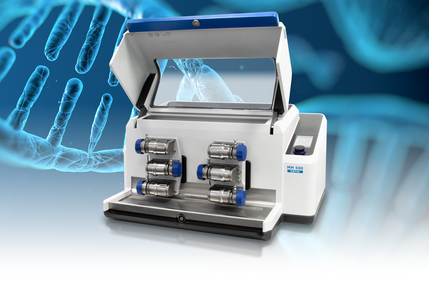
By accepting up to fifty 2 ml single-use vials, the Mixer Mill MM 500 vario effectively increases sample throughput for cell disruption.
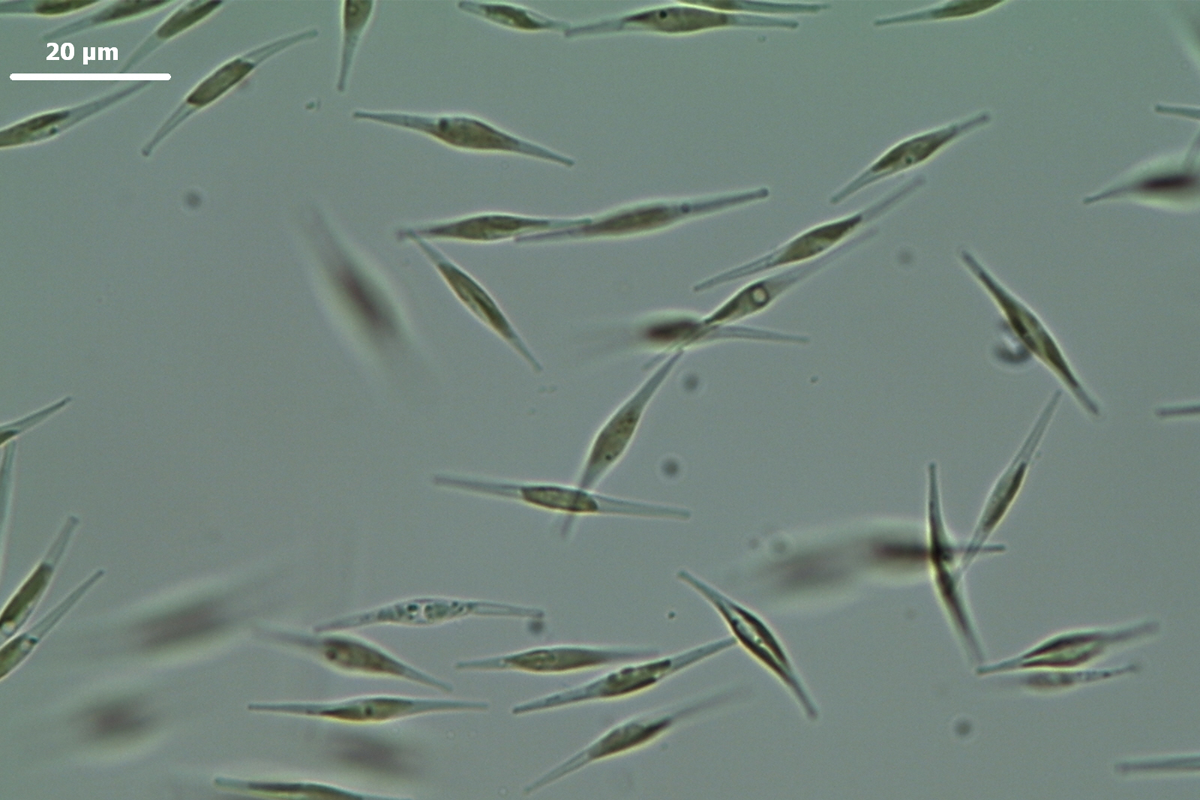
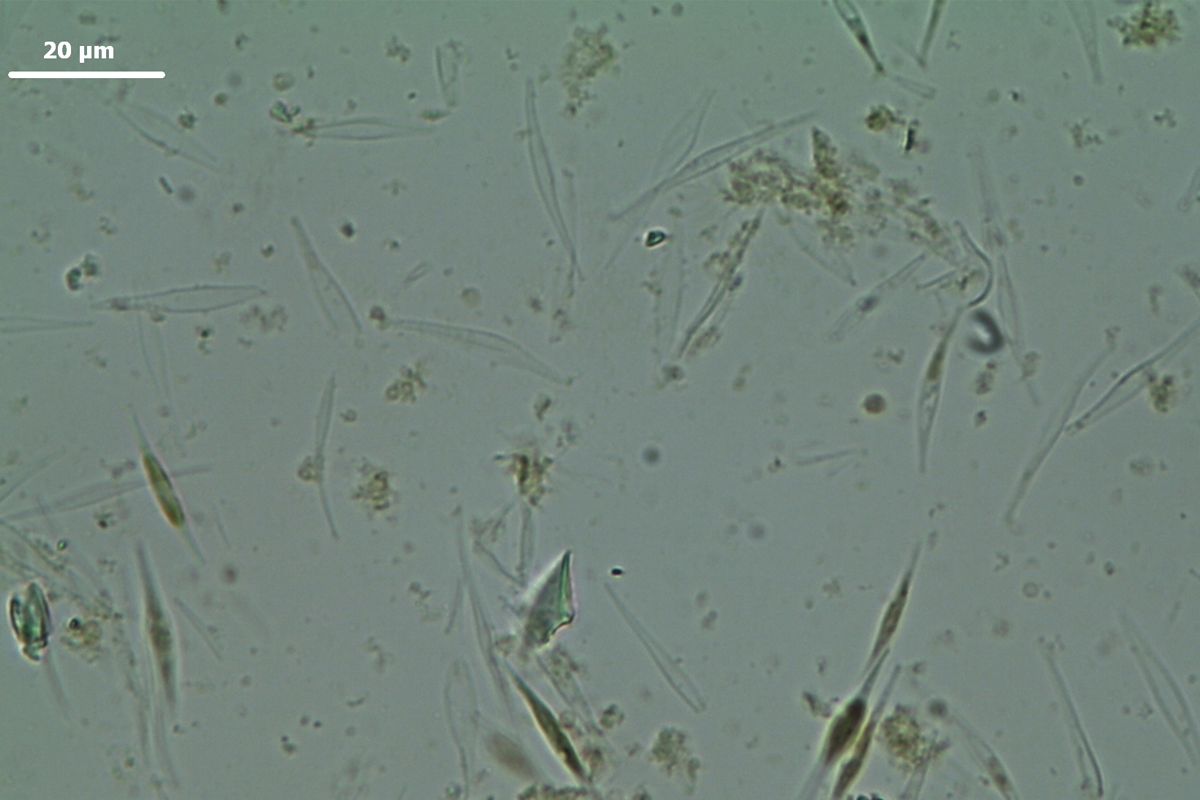
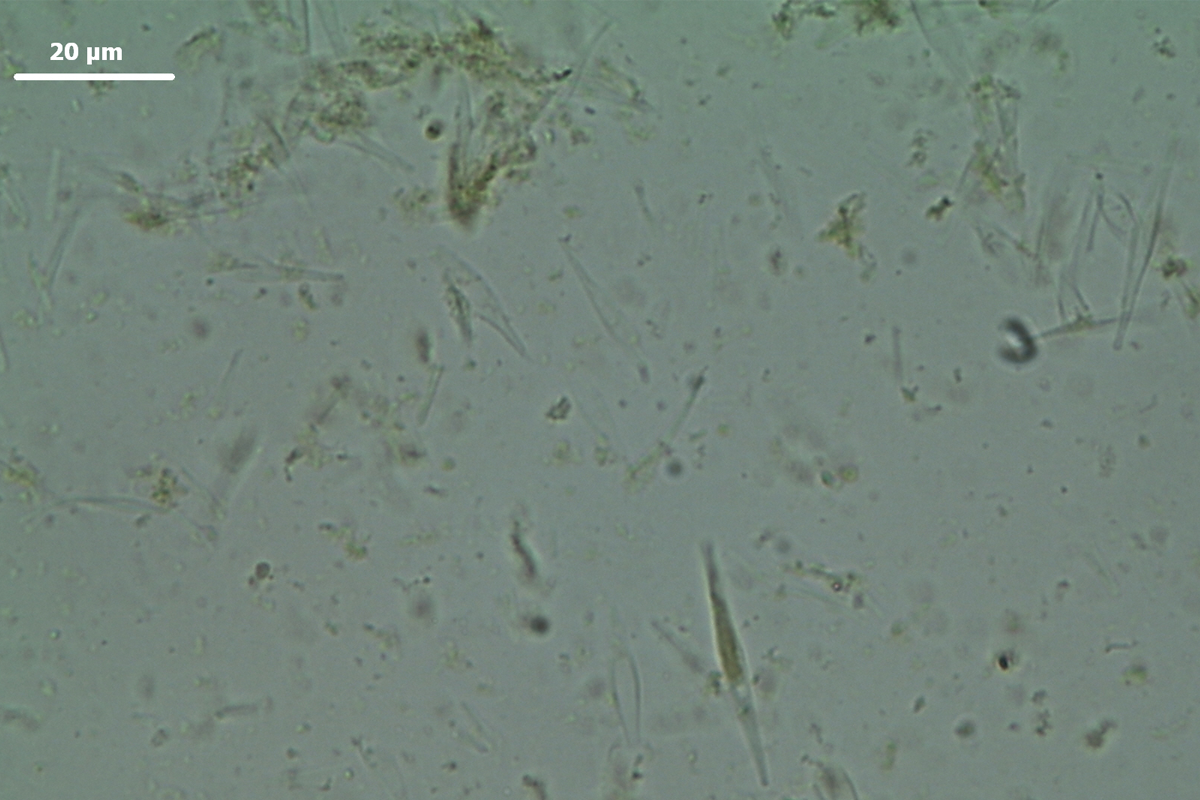
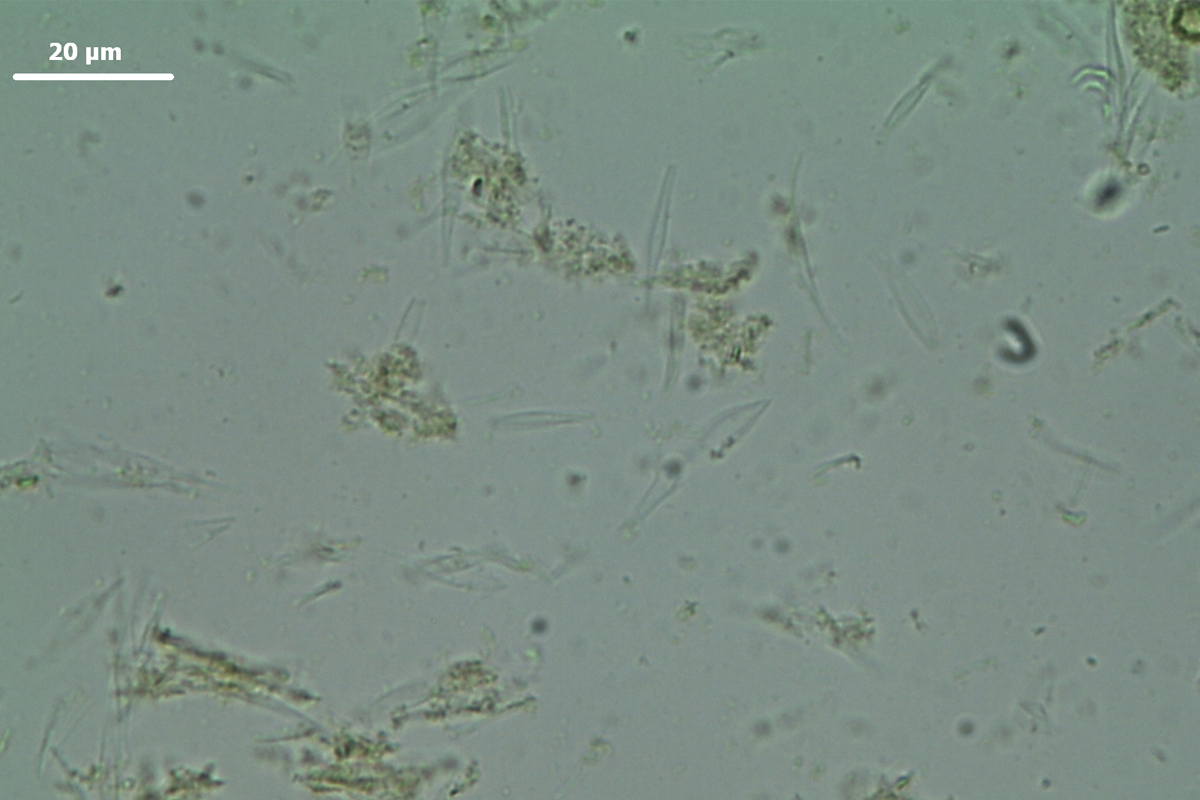
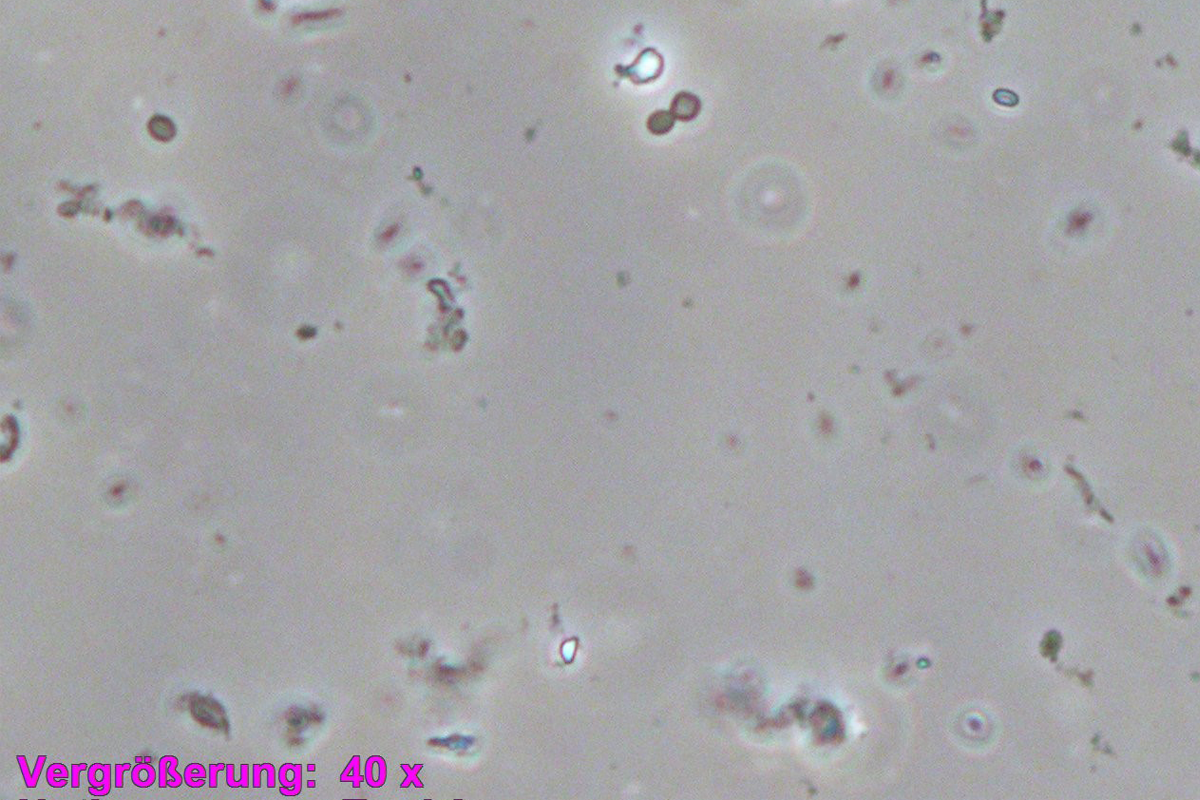
Cells of Phaeodactylum tricornutum before (left) and after cell disruption (right) with the MM 400 in combination with the Falcon tube adapter.
Temperature control for bead beating in cell suspension
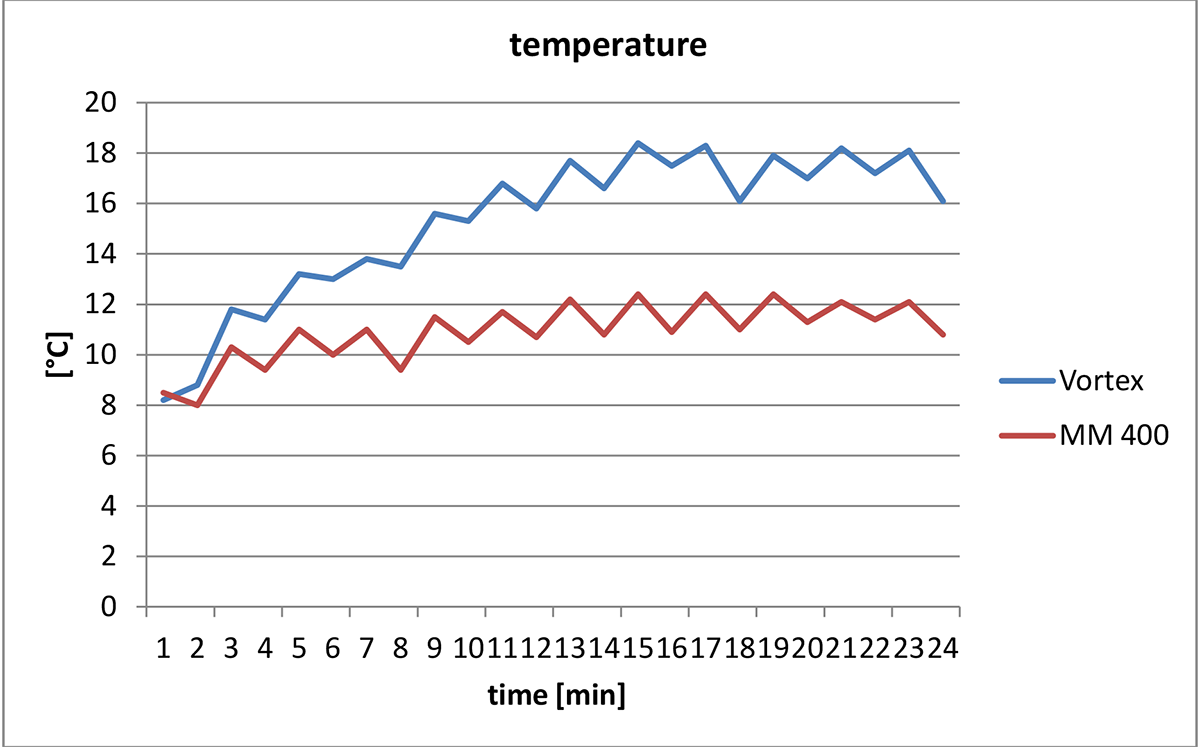
Temperature plays a crucial role especially for applications where temperature-sensitive proteins are involved, e.g. cell disruption. One solution is cryogenic grinding (see corresponding section), the other one is cooling the cell suspension. For the MM 400 it was shown that the heat increase in 2 ml tubes is moderate even at 30 Hz; a simple way is to interrupt disruption times >1 min with cooling the adapter with the vials in an ice bath for one minute. In this way, the temperature will stay below 12-15°C, depending on the used bead size.
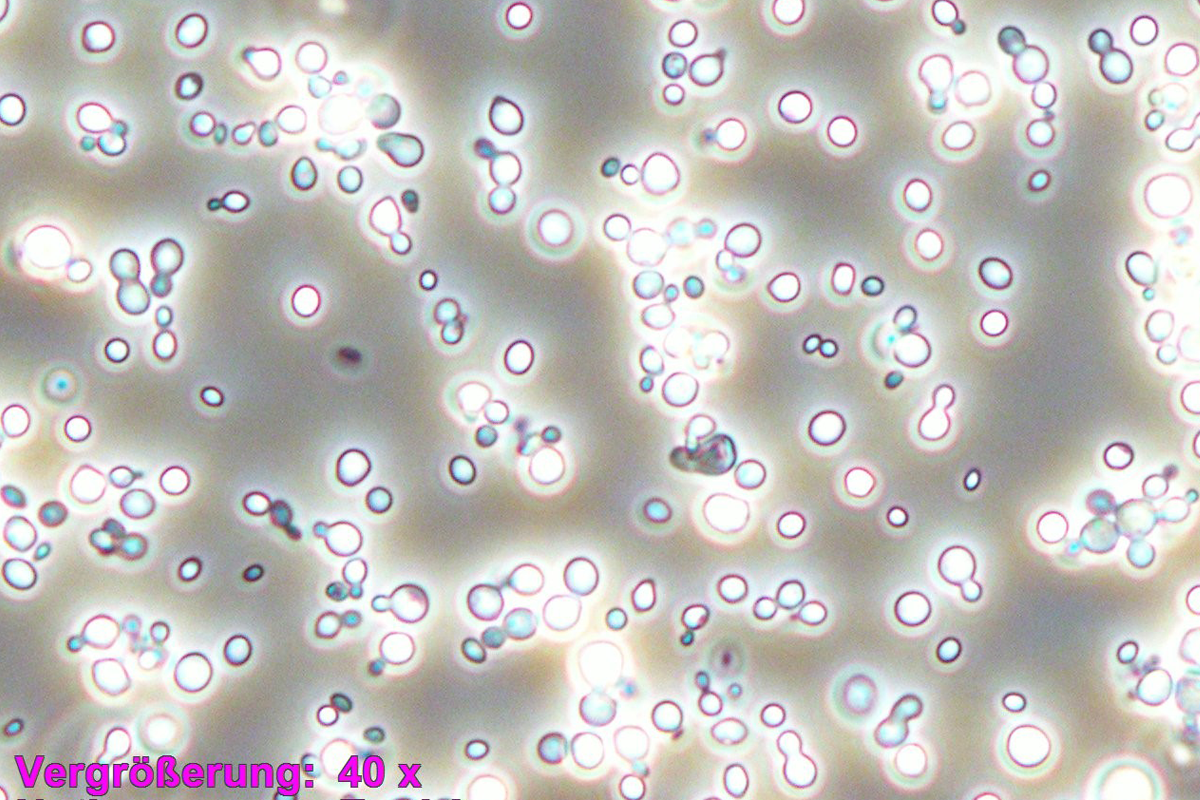
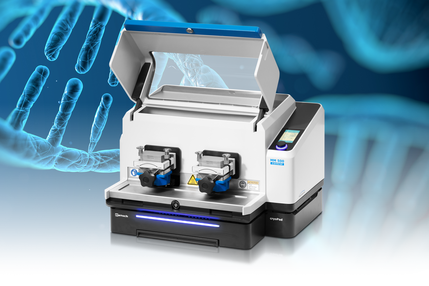
A way to control the temperature development in bead beating is using the Mixer Mill MM 500 control. A special adapter accommodates eighteen 2 ml single-use vials per batch. The machine is connected to a chiller with 4°C cooled water which in turn cools the adapter holding the vials. In this way, the temperature of the suspension is kept at around 13°C, but without the inconvenient manual interruption phases in an ice bath. While the MM 500 control does not accept the single-use falcon tube adapter, it can be used with stainless steel grinding jars in volumes 50, 80 or 125 ml (see example on the left: P. pastoris).
If the mill is used with liquid nitrogen and the CryoPad and set to a temperature of 0°C, the temperature of the cell suspension in 2 ml single-use tubes can even be kept at 0 °C without freezing the suspension, so that effective bead beating is still possible.
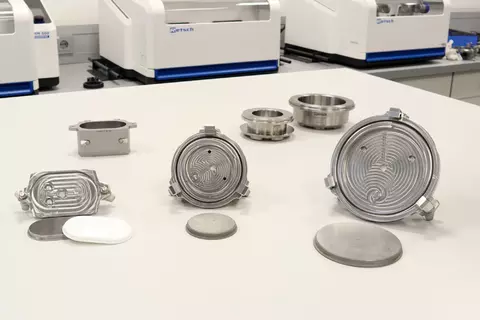
Ölçüm Sistemi GrindControl GrindControl shows what’s happening inside the grinding jar – in real time
GrindControl provides real-time visibility into processes inside the grinding jar. Pressure and temperature are continuously monitored—ensuring safe, precise control, even with sensitive or reactive materials. Respond promptly to unexpected pressure spikes, and keep a close eye on temperature-sensitive samples and even mechanochemical reactions at all times.
GrindControl at a glance
- Real-time data on pressure & temperature
- Early detection of critical conditions
- Precise process control
- Protection of sensitive materials
- Reproducible results
Homogenization of soft and tough biological samples
Some biological materials, such as sputum from cystic fibrosis patients or tissue specimens like liver, lung or tumors, are sometimes more difficult to fully homogenize. The 2 ml single-use tubes are often too small to fit the entire sample volume, so the sample has to be split and recombined after the homogenization process, which adds extra work and time to the lab routine.
Larger grinding jars made of stainless steel, for example, can hold the whole sample volume, but they need to be cleaned after each use. An adapter for the Mixer Mill MM 400 solves this problem by allowing the use of 5 x 5 ml single-use tubes, which have more capacity and no cleaning requirement. Per batch, 10 samples can be homogenized simultaneously. 50 ml falcon tubes can also be used to homogenize tissue material. Here, 8 samples per batch can be processed within only a few minutes.
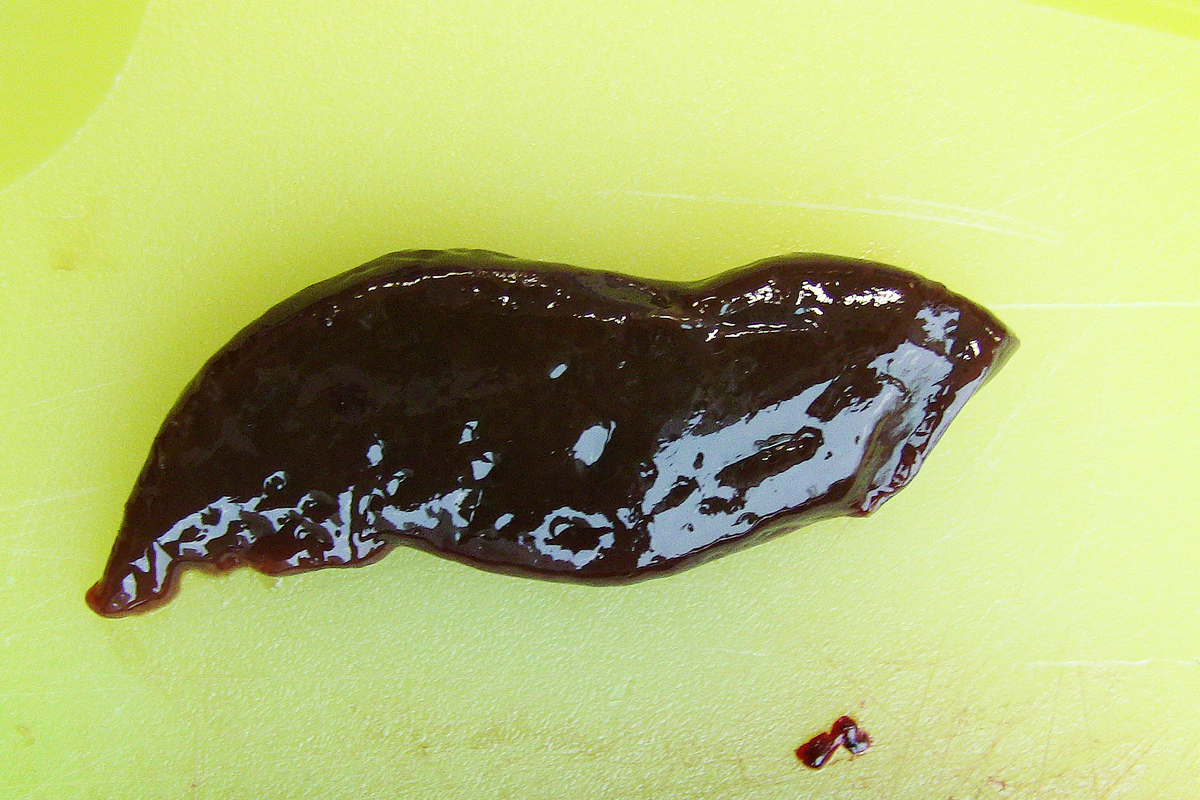
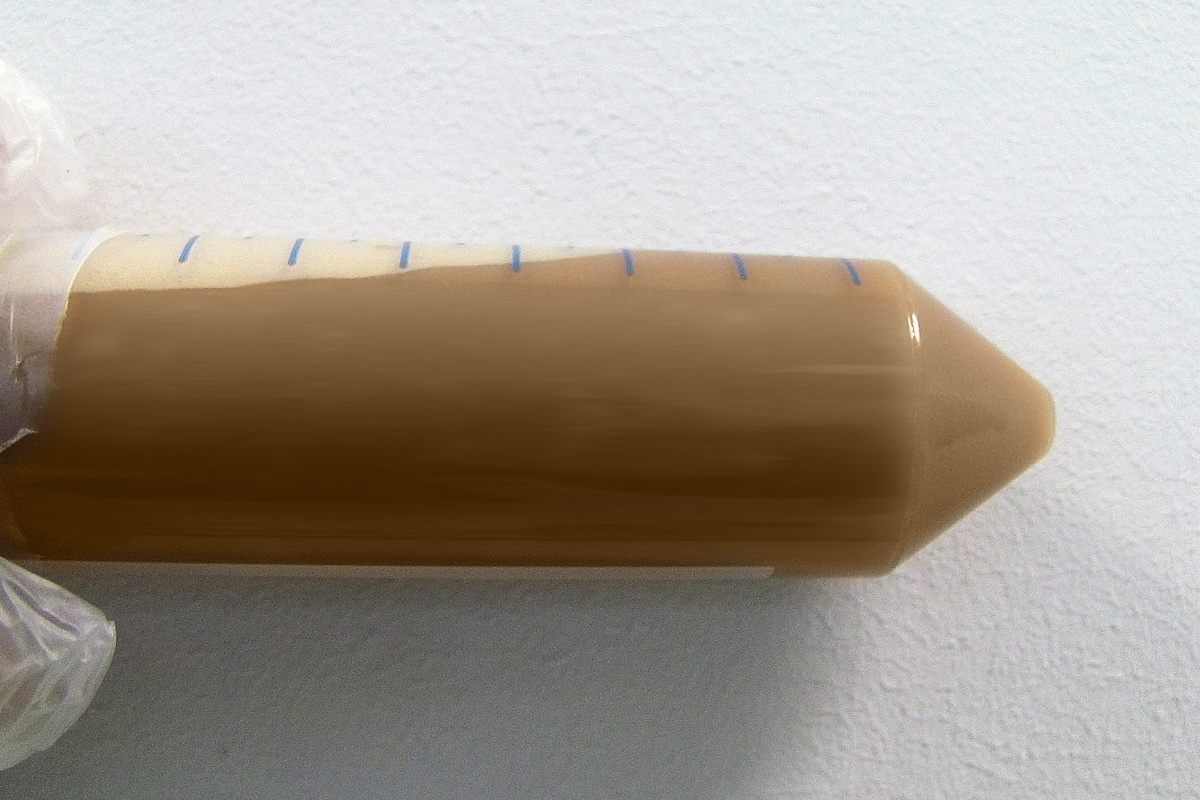
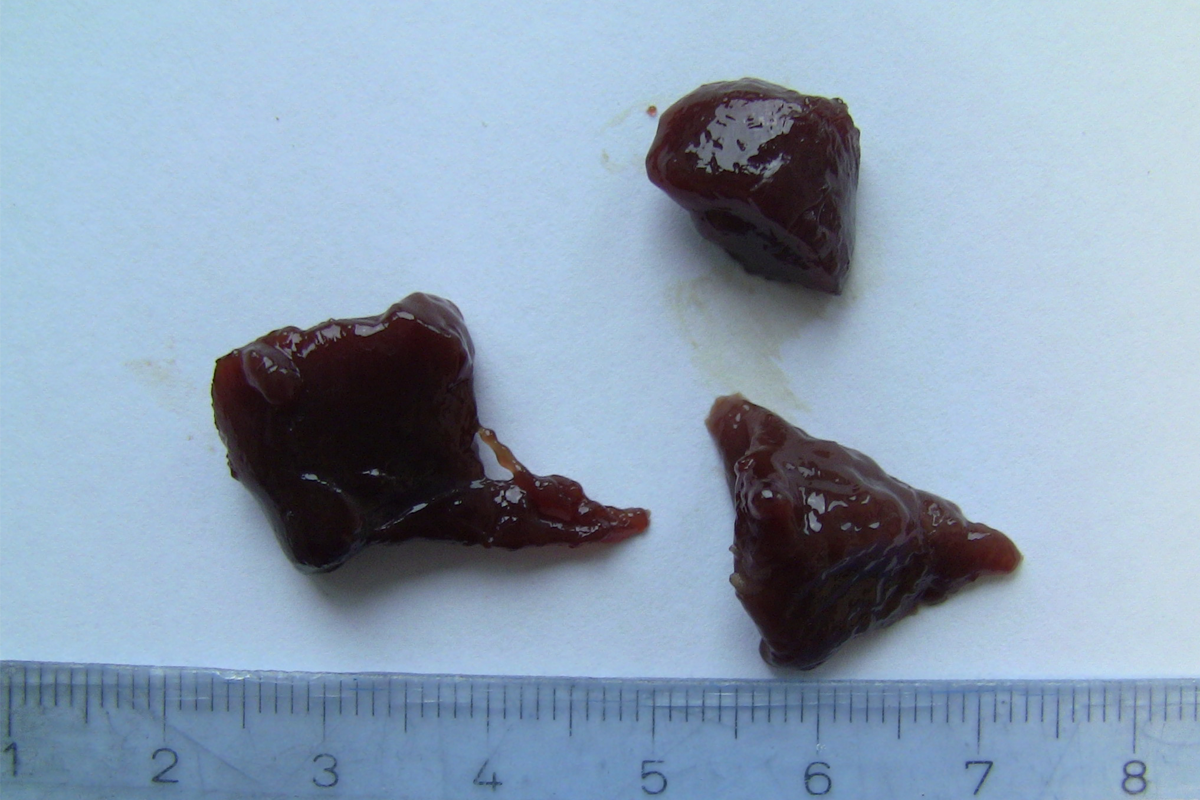
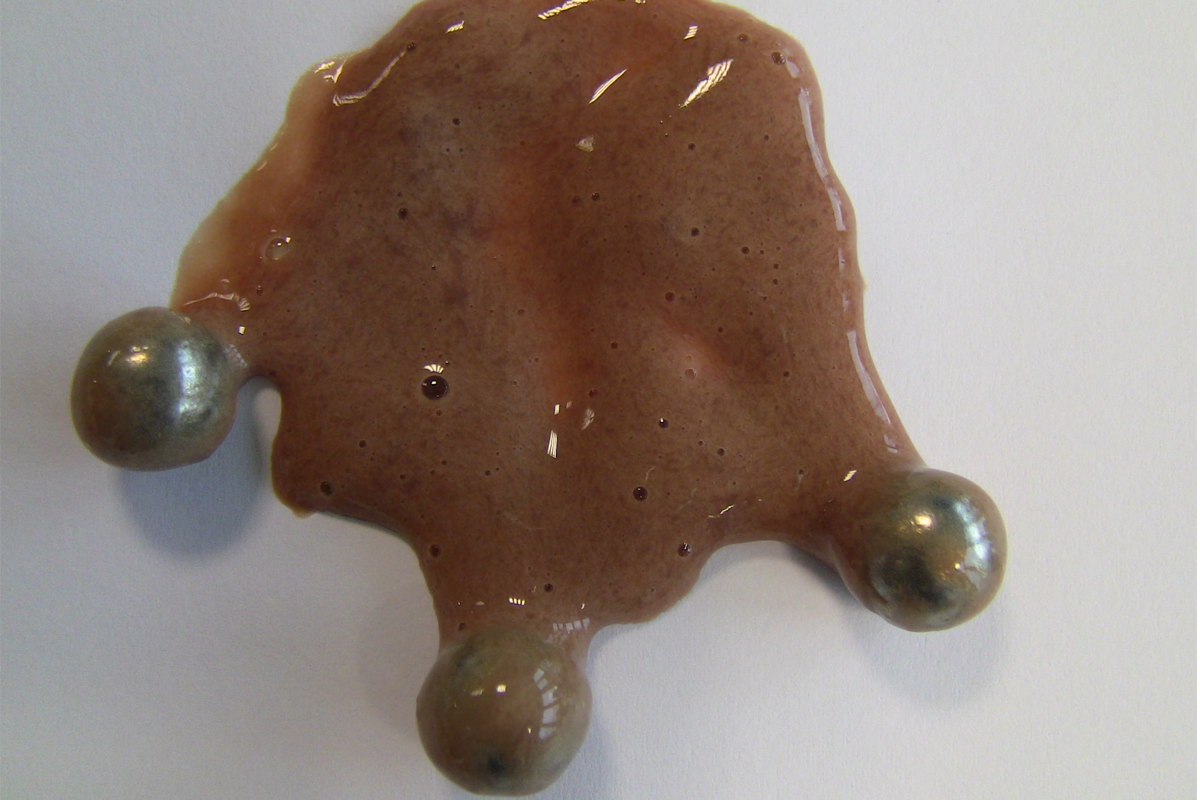
Liver sample before and after homogenization in the MM 400
Cryogenic grinding of biological samples
Some biological samples, such as fibrous plants, tough veins, fingernails, or certain animal or tumor tissues, are difficult to homogenize in a buffer system. They are either too soft or too hard or too fibrous to be pulverized effectively in suspension. A better alternative for these materials is cryogenic grinding, which involves freezing them with liquid nitrogen before or during the grinding process. This technique makes the samples brittle and easy to crush into homogeneous powders. Cryogenic grinding also has the benefit of preserving the integrity of e. g. proteins or volatile compounds that might degrade or evaporate at higher temperatures. Moreover, cryogenic grinding can break the intracellular organelles of some organisms, such as yeast.
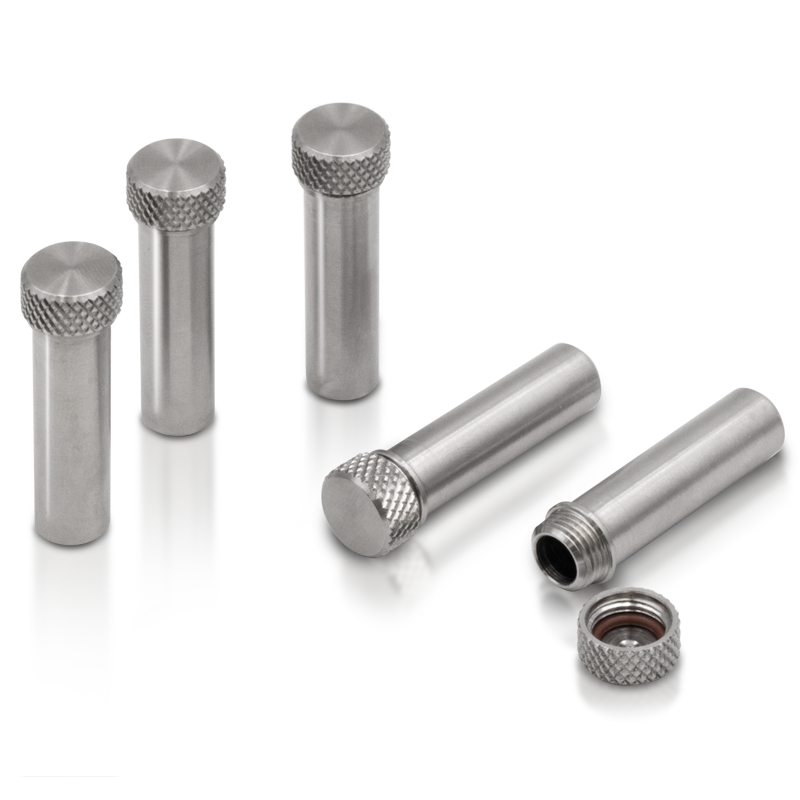
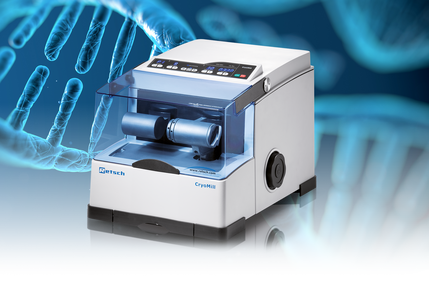
For sticky materials, like berries, cryogenic grinding is often the only feasible method to obtain a uniform sample. The table lists some examples that have been successfully processed by cryogenic grinding in the Mixer Mill MM 400 or the CryoMill. 2 ml steel tubes can be used for cryogenic grinding in the MM 400. Similar effects can be obtained in the MM 500 control with grinding jars up to 125 ml for larger volumes. Here the CryoPad mus be used to work with liquid nitrogen. In all mentioned mills, 2 ml stainless steel tubes and the corresponding adapters are also available for smaller volumes.
| Sample | Aksesuarlar | Besleme miktarı | Öğütme süresi | Speed | Son boyut (d90)/ Sonuçlar |
|---|---|---|---|---|---|
| E. coli bacteria |
|
2 x 10 ml frozen cell pellets | 2 min | 30 Hz | complete cell disruption |
| muscle tissue |
|
10 g | 4 min | 25 Hz | 150 µm |
| pine needles |
|
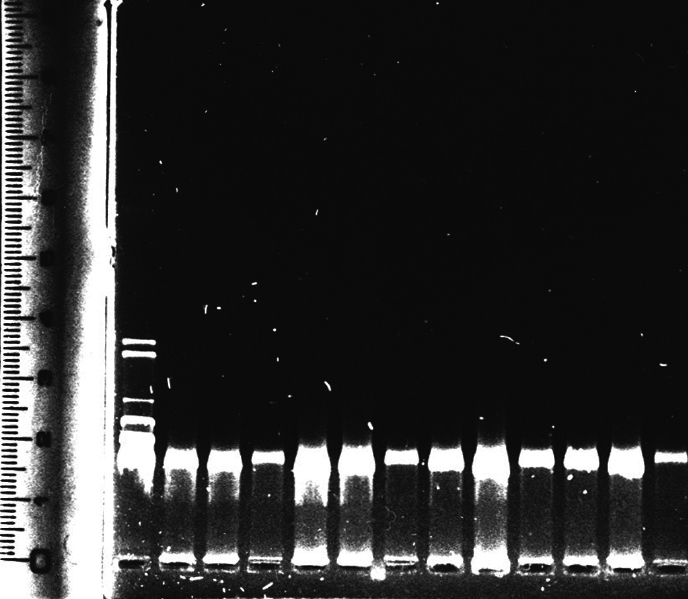
2 needles per vial | 3 min | 30 Hz | Reproducible RNA extraction of 20 samples in one step |
| berries |
|
2 g | 40 secs | 20 Hz | <200 µm |
| finger nails |
|
1 finger nail per vial | 2 min | 25 Hz | <200 µm |
| rat gut |
|
1.8 g | 2 min | 30 Hz | <150 µm |
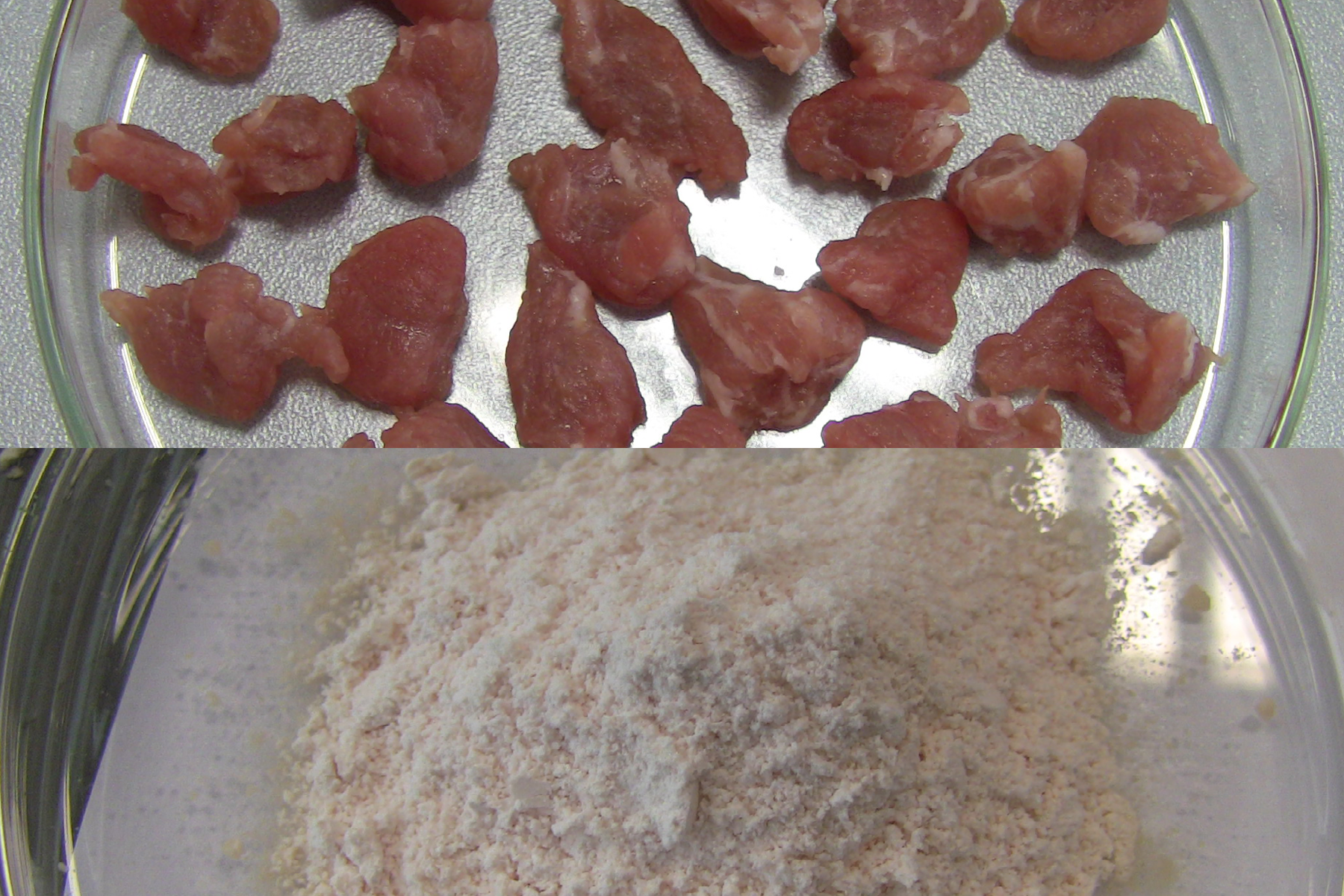
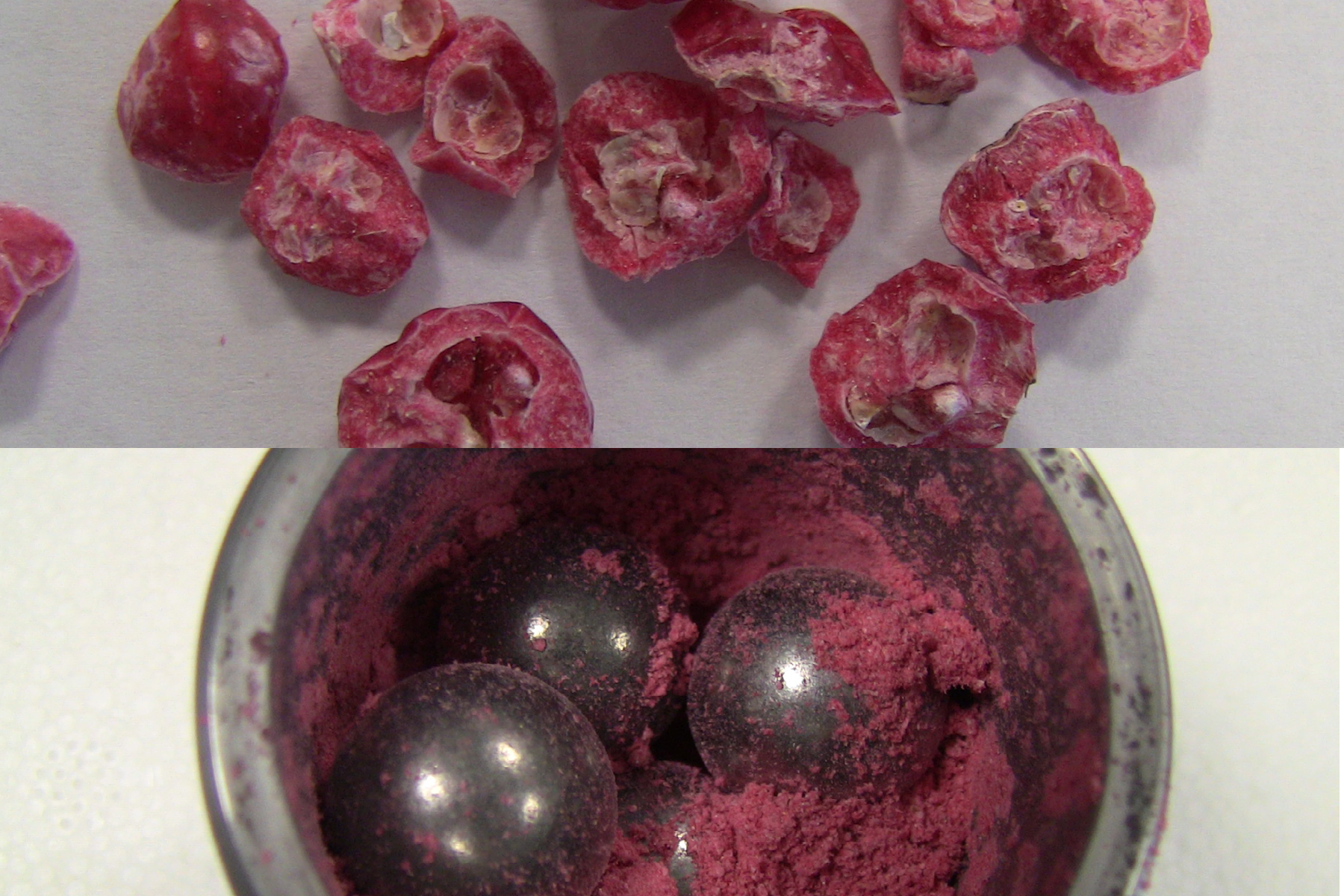
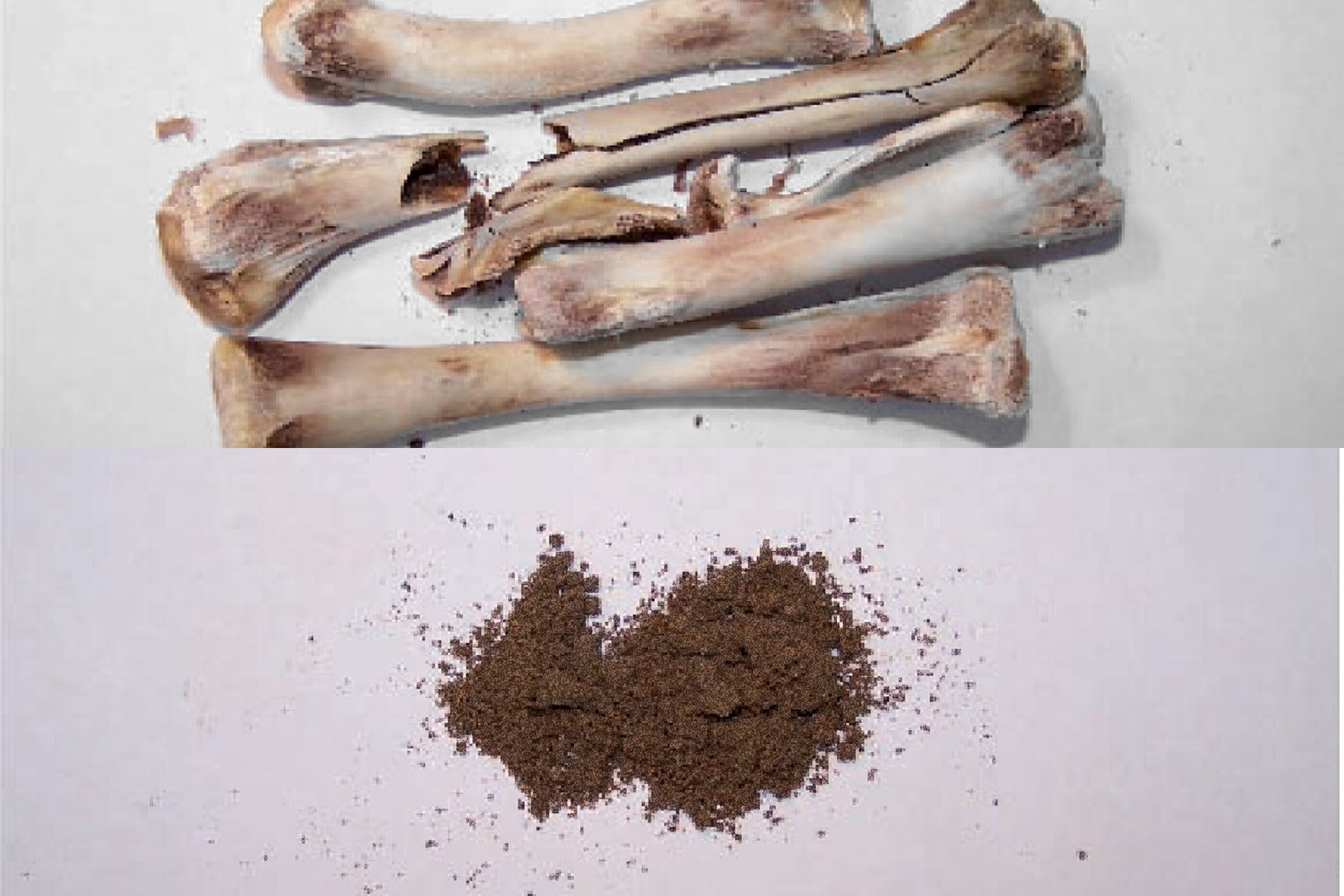
before and after cryogenic grinding
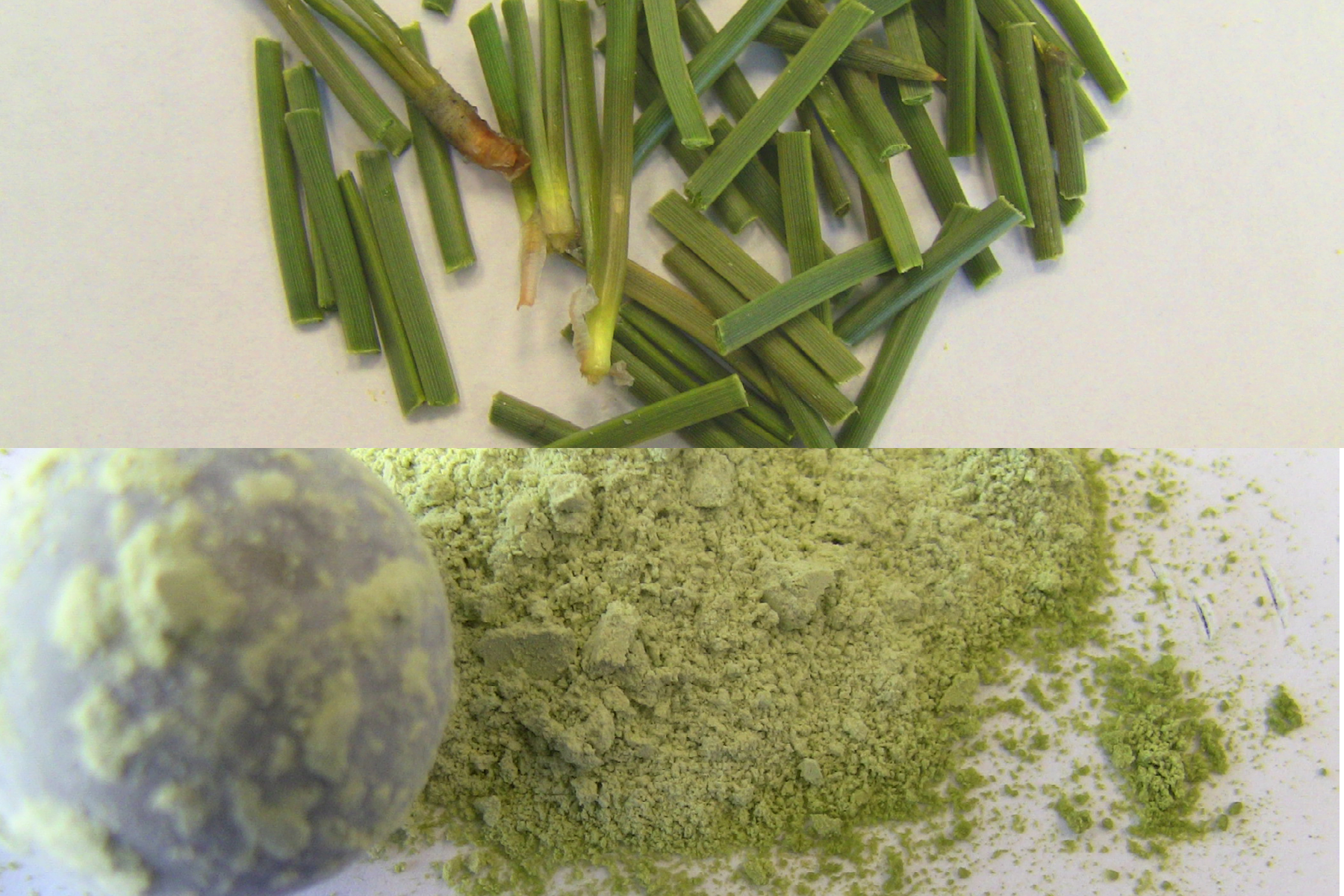
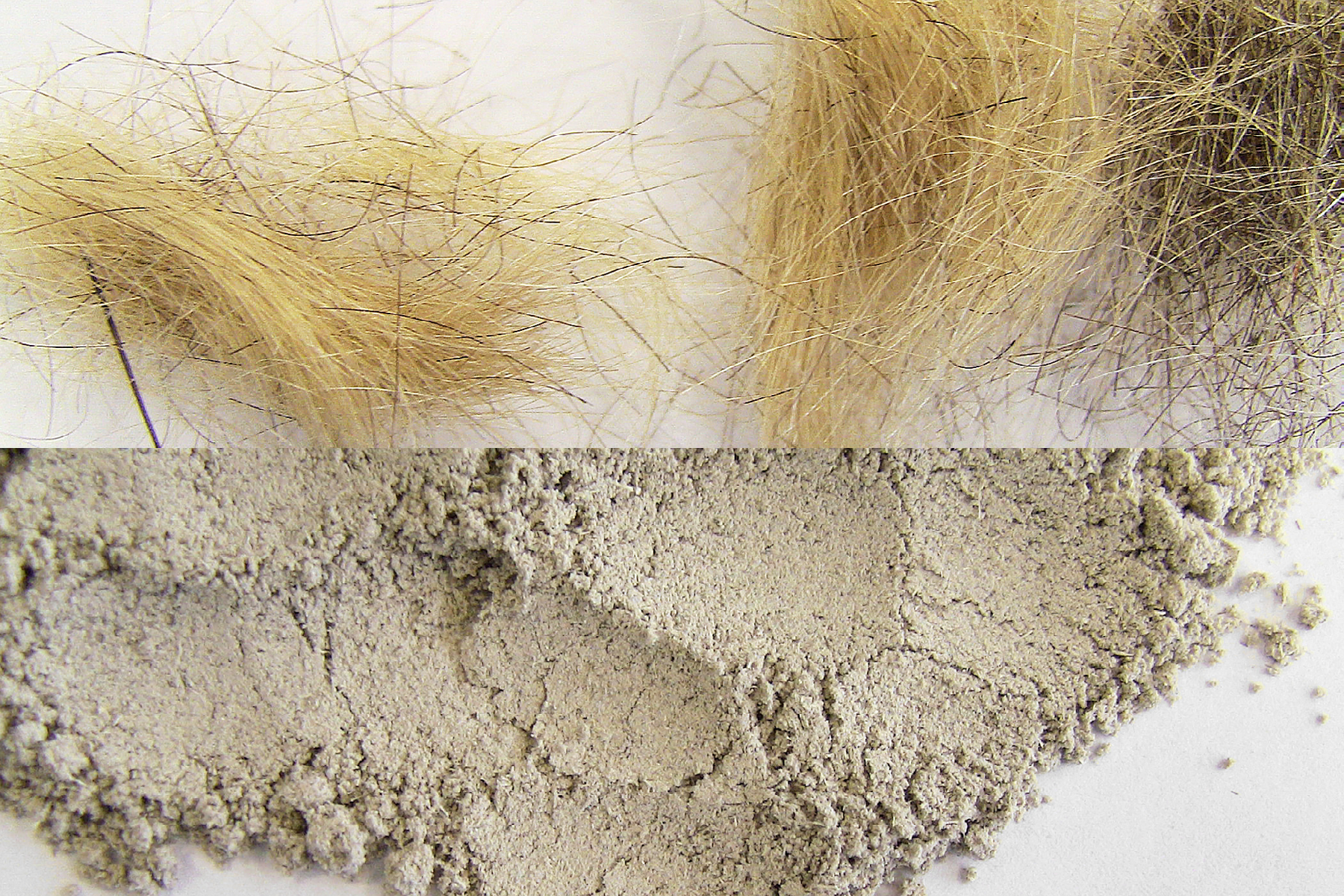
before and after cryogenic grinding
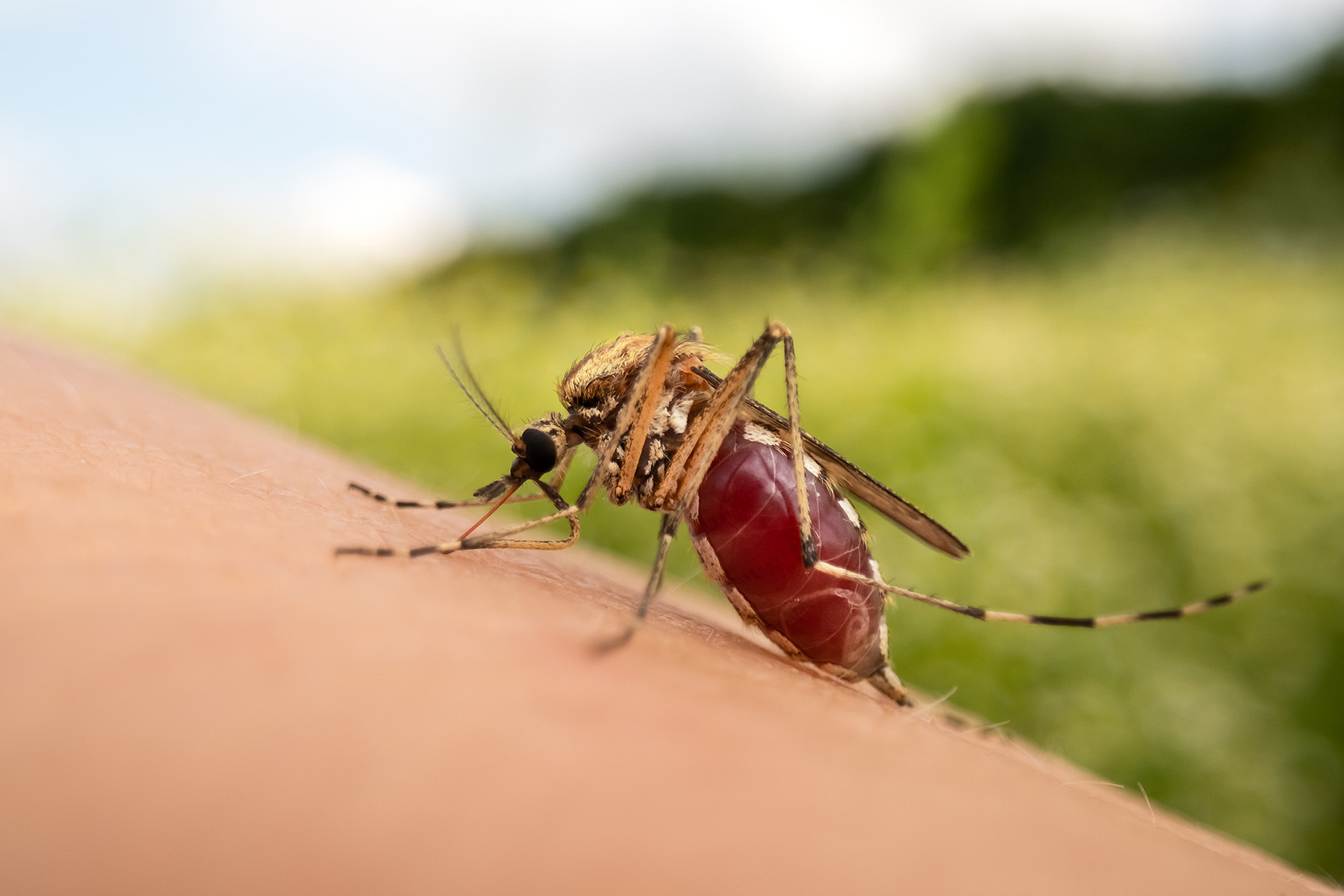
Reliable RNA Detection in Mosquito Surveillance – Efficient, Reproducible, Temperature-Controlled
Surveillance laboratories face a dual challenge: thousands of mosquito pools must be screened for viral RNA every season – rapidly, reliably, and without loss of sample quality. Mechanical homogenization generates frictional heat that irreversibly damages RNA and leads to false-negative PCR results. With the MM 500 control, up to 36 mosquito pools can be homogenized simultaneously at a constant temperature below 15 °C – without a single manual interruption. An aluminium adapter transfers the chiller cooling directly to 18 Eppendorf tubes per grinding station; single-use reaction vessels reliably prevent cross-contamination. Up to 12 stored SOPs standardize the process across the entire season, regardless of the operator.
Recommendations for Practice
Freeze samples immediately after collection, as RNA degradation begins within minutes at room temperature; stainless steel balls (2–3 mm) at 25-28 Hz and 45-60 seconds grinding time have proven effective and can be saved directly as an SOP on the instrument. Laboratories operating under GLP requirements benefit from the optional GrindControl system for seamless real-time documentation of temperature and pressure.
Forensic samples
Forensic samples such as hair, bones and teeth are mostly brittle and therefore usually do not need cooling before pulverization. To achieve the desired analytical fineness, the material may have to undergo preliminary crushing in a Jaw Crusher or Cutting Mill to reduce their particle sizes to below 10 mm for further processing in a Ball Mill. Cutting Mills are used for pre-crushing bones that may be fresh and therefore not completely dry and may even contain meat residues.
RETSCH offers a range of cutting mills for primary size reduction of soft, medium-hard, elastic, tough and fibrous sample materials. The wide range of accessories allows for optimal adaptation to various applications. The SM 300 can be fitted with three different rotors and bottom sieves from 0.25 mm to 20 mm. Unlike fresh and fatty bones, dry bones can be reduced to a size of less than 0.25 mm in one or two steps. The SM 300 features a variable speed from 100 to 3,000 rpm. Pulverization of bones or teeth or hair is mostly conducted in ball mills using grinding balls > 5 mm made of steel, zirconium oxide or tungsten carbide.
Washing procedure to obtain intact bacterial cells from human tissue
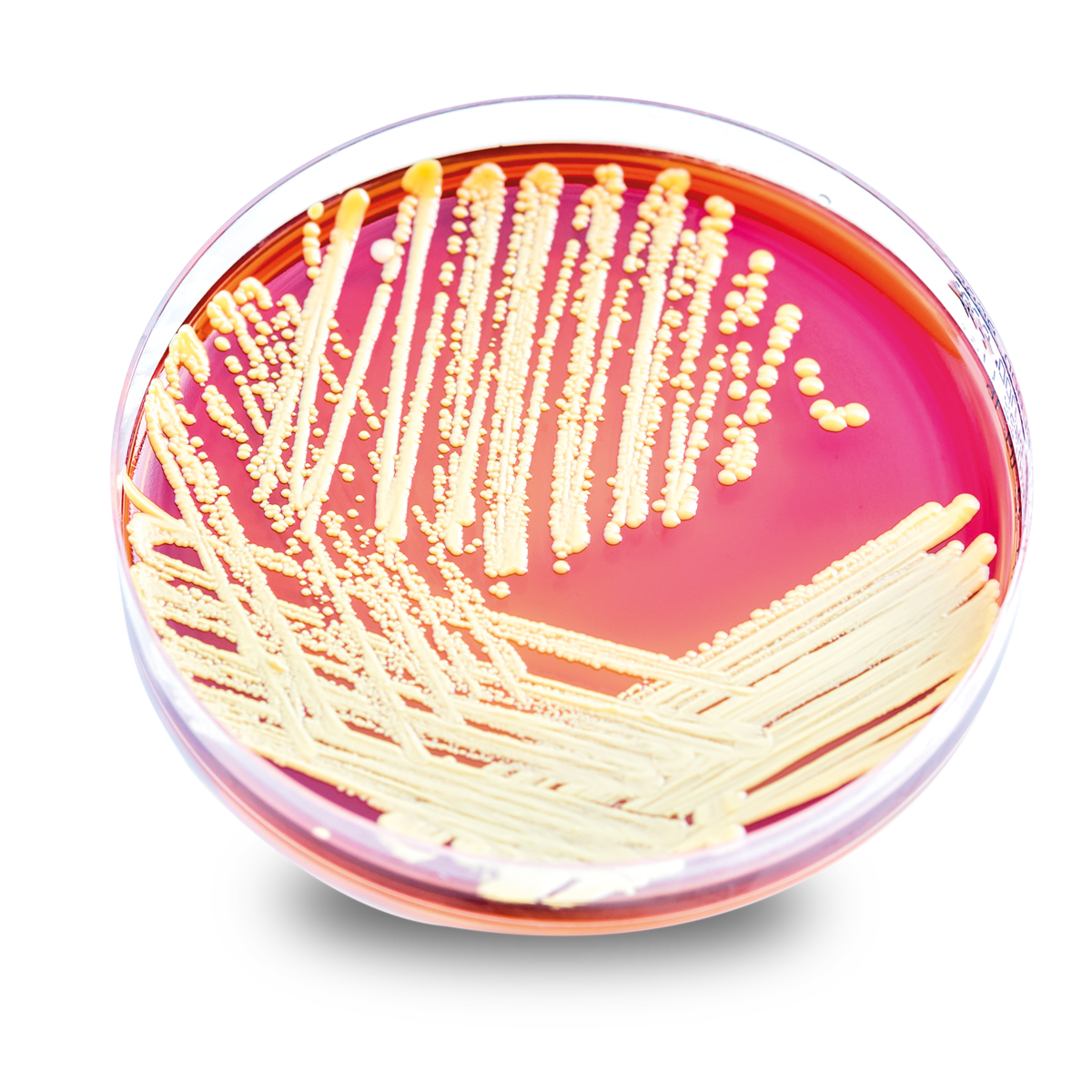
One of the potential complications of joint replacement surgery, such as for elbows or knees, is the infection of the surrounding tissue by various bacteria. These infections, called prosthetic joint infections (PJI), can occur anytime from a few days to several years after the surgery. They are difficult to treat because different types of bacteria can cause them, and they are not always detected by conventional methods. Therefore, it is necessary to isolate the bacteria from the tissue samples in a way that preserves their viability and allows their identification and cultivation.
This is where the Mixer Mill MM 400 can help with a simple procedure: The samples are mixed with 20 ml of sterile demineralized water and 5 ml of 1 mm glass beads in a sterilized steel jar. Disposable 30 ml wide mouth bottles can be used. Up to 8 bottles are shaken for 3.5 min at 30 Hz to remove the bacteria from the samples without destroying them. The bacteria can then be easily grown on an agar plate for further analysis. This method has a high detection rate (A.-L. Roux et. al 2010) and can be applied to any solid infected tissue, even if it contains implanted material.
Suitable mills for cell disruption and sample homogenization
Gain more insights with our white papers and articles

Cell disruption of parasites with Bead Beating
Giardia and Cryptosporidia are parasites which occur in water and can cause diarrhoea in humans. They are persistent forms found in water and are resistant to environmental influences and disinfectants. Detection and quantitative determination of the parasites are typically performed in accordance with ISO 15553 „Water Quality – Isolation and Enumeration of Cryptosporidium oocysts and Giardia cysts from water“. A German microbiological laboratory has now tested a mechanical approach by using RETSCH’s Mixer Mill MM 400 for bead beating.

Cryogenic disruption of yeast cells according to the Rout Protocol
The Michael Rout Lab at the Rockefeller University in New York, NY, initially contacted RETSCH Inc. in 2006 to discuss the possibility of using the Planetary Ball Mill to cryogenically grind yeast cell pellets. The aim of their experiment was to explore the construct of Nuclear Pore Complexes located on the cell walls of yeast cells. The decision to use a Planetary Ball Mill for this application was mainly based on the fact that it produces very small particle sizes which were considered an important prerequisite for more in-depth analysis of the yeast cells.
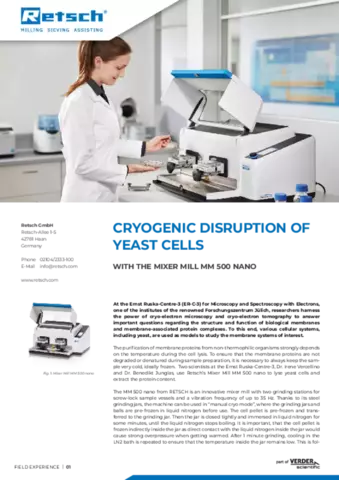
Cryogenic Disruption of Yeast Cells
At the Ernst Ruska-Centre-3 (ER-C-3) for Microscopy and Spectroscopy with Electrons, one of the institutes of the renowned Forschungszentrum Jülich, researchers harness the power of cryo-electron microscopy and cryo-electron tomography to answer important questions regarding the structure and function of biological membranes and membrane-associated protein complexes. To this end, various cellular systems, including yeast, are used as models to study the membrane systems of interest.
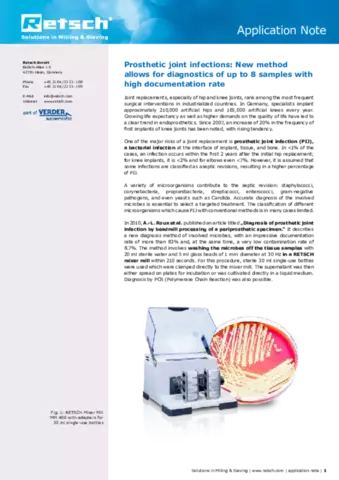
Prosthetic joint infections: New method allows for diagnostics of up to 8 samples with high documentation rate
One of the major risks of a joint replacement is prosthetic joint infection (PIJ), a bacterial infection at the interface of implant, tissue, and bone. In 2010, A.-L. Roux et al. published an article titled „Diagnosis of prosthetic joint infection by beadmill processing of a periprosthetic specimen.“ It describes a new diagnosis method of involved microbes, with an impressive documentation rate of more than 83% and, at the same time, a very low contamination rate of 8.7%. The method involves washing the microbes off the tissue samples in a RETSCH Mixer Mill within 210 seconds.
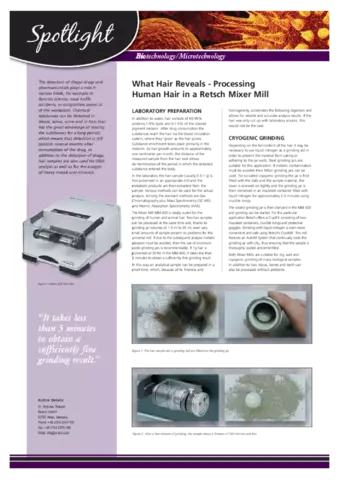
What Hair Reveals
The detection of illegal drugs and pharmaceuticals plays a role in various fields, for example in forensic science, road traffic accidents, in competitive sports or at the workplace. Hair has the great advantage of storing the substances for a long period, which means that detection is still possible several months after consumption of the drug. In addition to the detection of drugs, hair samples are also used for DNA analysis as well as for the analysis of heavy metals and minerals.
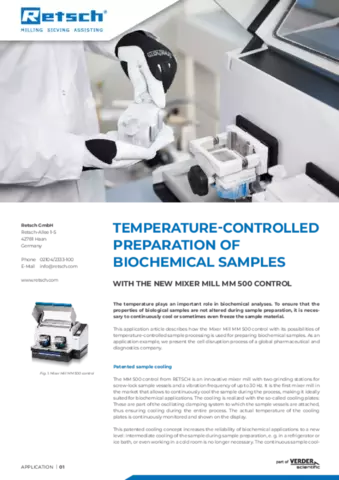
Temperature-controlled preparation of biochemical samples
The temperature plays an important role in biochemical analyses. To ensure that the properties of biological samples are not altered during sample preparation, it is necessary to continuously cool or sometimes even freeze the sample material. This application article describes how the Mixer Mill MM 500 control with its possibilities of temperature-controlled sample processing is used for preparing biochemical samples. As an application example, we present the cell disruption process of a global pharmaceutical and diagnostics company.
Cryogenic disruption of yeast cells according to the Rout Protocol
The Michael Rout Lab at the Rockefeller University in New York, NY, initially contacted RETSCH Inc. in 2006 to discuss the possibility of using the Planetary Ball Mill to cryogenically grind yeast cell pellets. The aim of their experiment was to explore the construct of Nuclear Pore Complexes located on the cell walls of yeast cells. The decision to use a Planetary Ball Mill for this application was mainly based on the fact that it produces very small particle sizes which were considered an important prerequisite for more in-depth analysis of the yeast cells.
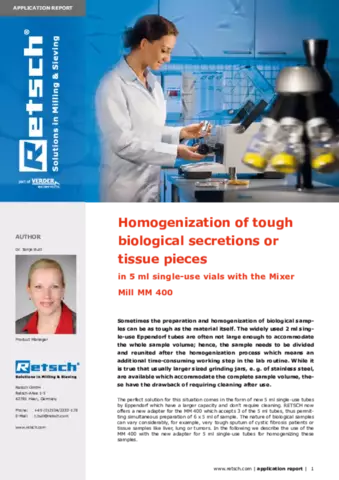
Homogenization of tough biological secretions or tissue pieces
Sometimes the preparation and homogenization of biological samples can be as tough as the material itself. The widely used 2 ml single-use Eppendorf tubes are often not large enough to accommodate the whole sample volume; hence, the sample needs to be divided and reunited after the homogenization process which means an additional time-consuming working step in the lab routine. While it is true that usually larger sized grinding jars, e. g. of stainless steel, are available which accommodate the complete sample volume, these have the drawback of requiring cleaning after use.
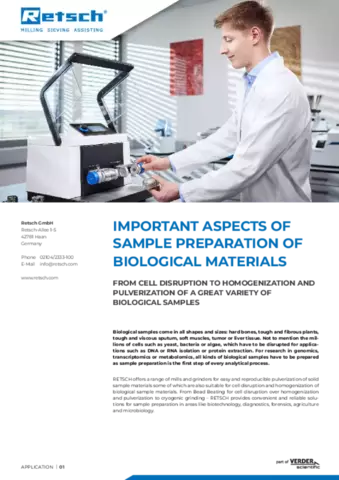
White Paper: Important Aspects of Sample Preparation of Biological Materials
Biological samples exist in all shapes and sizes: hard bones, tough and fibrous plants, tough and viscous sputum, soft muscles, tumor or liver tissue. Not to mention the millions of cells such as yeast, bacteria or algae, which have to be disrupted for applications such as DNA or RNA isolation or protein extraction. Retsch offers a range of mills and grinders for easy and reproducible pulverization of solid sample materials some of which are also suitable for cell disruption and homogenization of biological sample materials.
Ücretsiz danışmanlık için bizimle iletişime geçin
RETSCH ürünleri ve hizmetleri, küresel bir yan şirket ağı ve tam eğitimli distribütörlerden elde edilebilir. Personelimiz, sahip olabileceğiniz her türlü sorunuzda size yardımcı olmaktan mutluluk duyacaktır.

Cell Disruption & Biological Samples - FAQ
What is bead beating for cell disruption?
Bead beating, a mechanical method widely employed for cell disruption, is crucial for extracting cellular components from microorganisms such as bacteria, yeast, fungi, or microalgae. This process involves the use of beads to shear cells in a suspension and can be conducted on varying scales using different vials and tubes. The automation provided by RETSCH Mixer Mills with adapters streamlines the bead beating process, ensuring it is fast, efficient, and reproducible.
Optimal bead size and parameters are cell-type-dependent, necessitating experimentation to achieve the best results. The MM 400, for instance, can process up to 20 samples in 1.5 or 2 ml Eppendorf tubes without cross-contamination. An available adapter allows for accommodating up to eight 50 ml Falcon tubes, adding to the versatility of the process.
When to utilize cryogenic grinding?
Cryogenic grinding becomes essential when handling challenging samples that resist homogenization in conventional buffer systems. This is particularly true for fibrous plants, tough veins, fingernails, or specific animal or tumor tissues. The technique involves the application of liquid nitrogen to freeze the samples either before or during the grinding process. This cryogenic freezing renders the samples brittle, facilitating their crushing into homogeneous powders.
The process of cryogenic grinding offers distinct advantages, preserving the integrity of proteins or volatile compounds that might degrade or evaporate at higher temperatures. Additionally, it proves effective in breaking down intracellular organelles in certain organisms. Notably, cryogenic grinding is the sole feasible method for achieving uniform samples of sticky materials, such as berries.
For optimal results, cryogenic grinding can be carried out using specialized equipment like the CryoMill or the Mixer Mill MM 400 which accommodates 2 ml steel tubes. The Mixer Mill MM 500 control, which is specifically designed for working with liquid nitrogen (LN2), accepts larger grinding jars up to 125 ml.
Choosing the ideal mills for pulverizing forensic samples like bones and hair
When it comes to pulverizing forensic samples like bones or teeth, jaw crushers or cutting mills are the optimal choice for the first step in the size reduction process. RETSCH provides a diverse range of cutting mills designed for primary size reduction of a variety of sample materials, including soft, medium-hard, elastic, tough, and fibrous substances. The extensive range of accessories ensures these mills can be tailored to suit various applications seamlessly.
The versatile SM 300, for instance, boasts three different rotors and bottom sieves ranging from 0.25 mm to 20 mm, along with a variable speed from 100 to 3,000 rpm. This flexibility makes it an excellent tool for adapting to specific forensic sample processing needs.
For subsequent processing steps, consider utilizing ball mills equipped with grinding balls larger than 5 mm, crafted from materials like steel, zirconium oxide, or tungsten carbide. For the pulverization of hair, mixer mills such as the MM 400 are the best choice.