





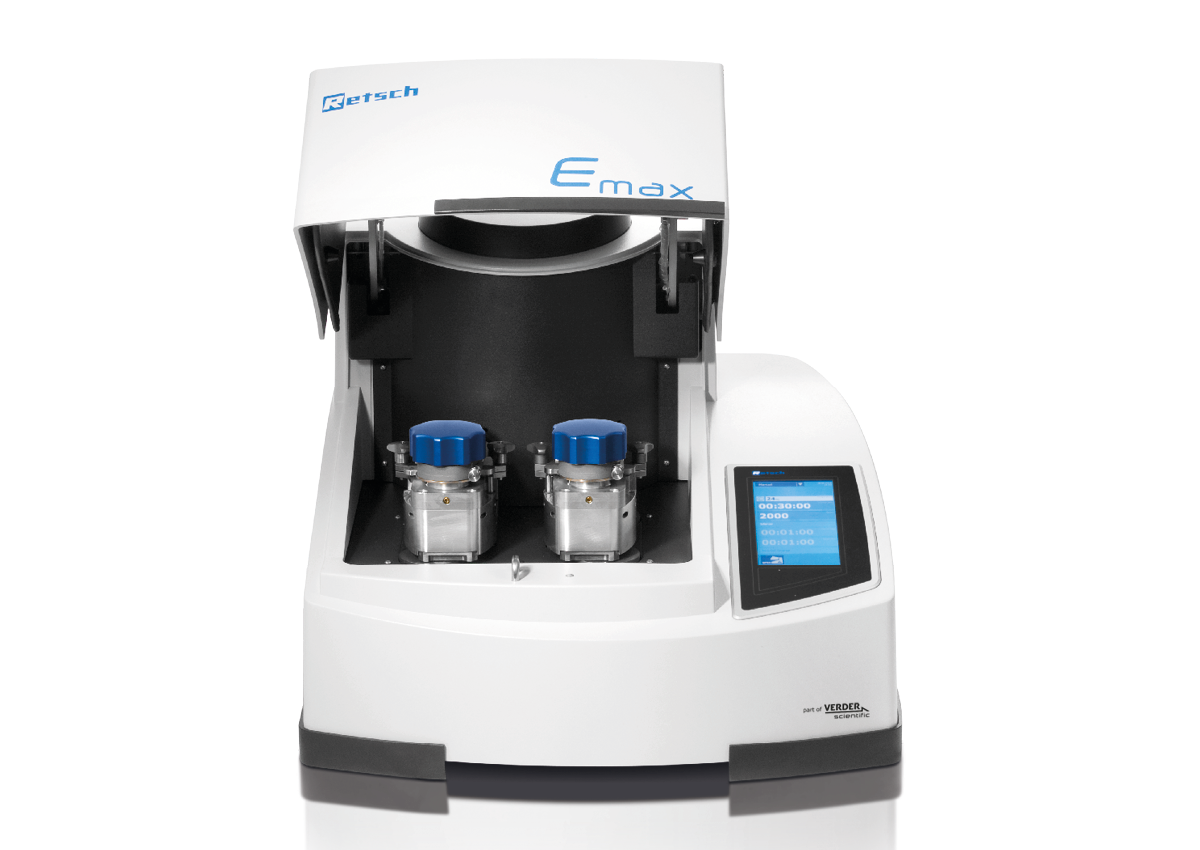

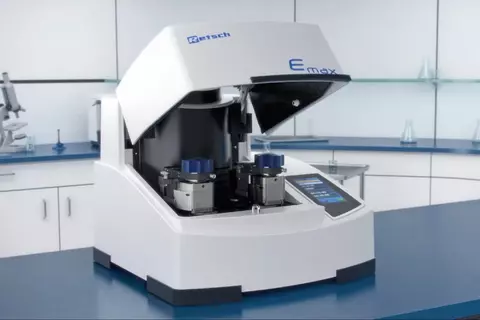
The Emax is an entirely new type of ball mill for high energy milling. The unique combination of high friction and impact results in extremely fine particles within the shortest amount of time.
- faster and finer grinding than any other ball mill
- speed of 2000 min-1 allow for ultra-fast pulverization of the sample
- water cooling permits continuous operation without cool down breaks
- temperature-controlled grinding
- narrow particle size distribution thanks to special jar design which improves mixing of the sample
Product Video
Faster - Finer - Cooler - the most powerful Ball Mill
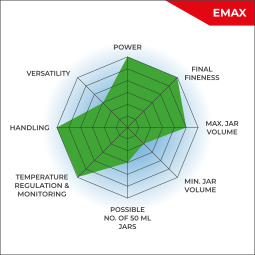
- Max. speed 2000 rpm
- Up to 5 mm feed size and 0.08 µm final fineness
- Two grinding stations for jars of min. 50 ml and max. 125 ml
- GrindControl to measure temperature and pressure inside the jar.
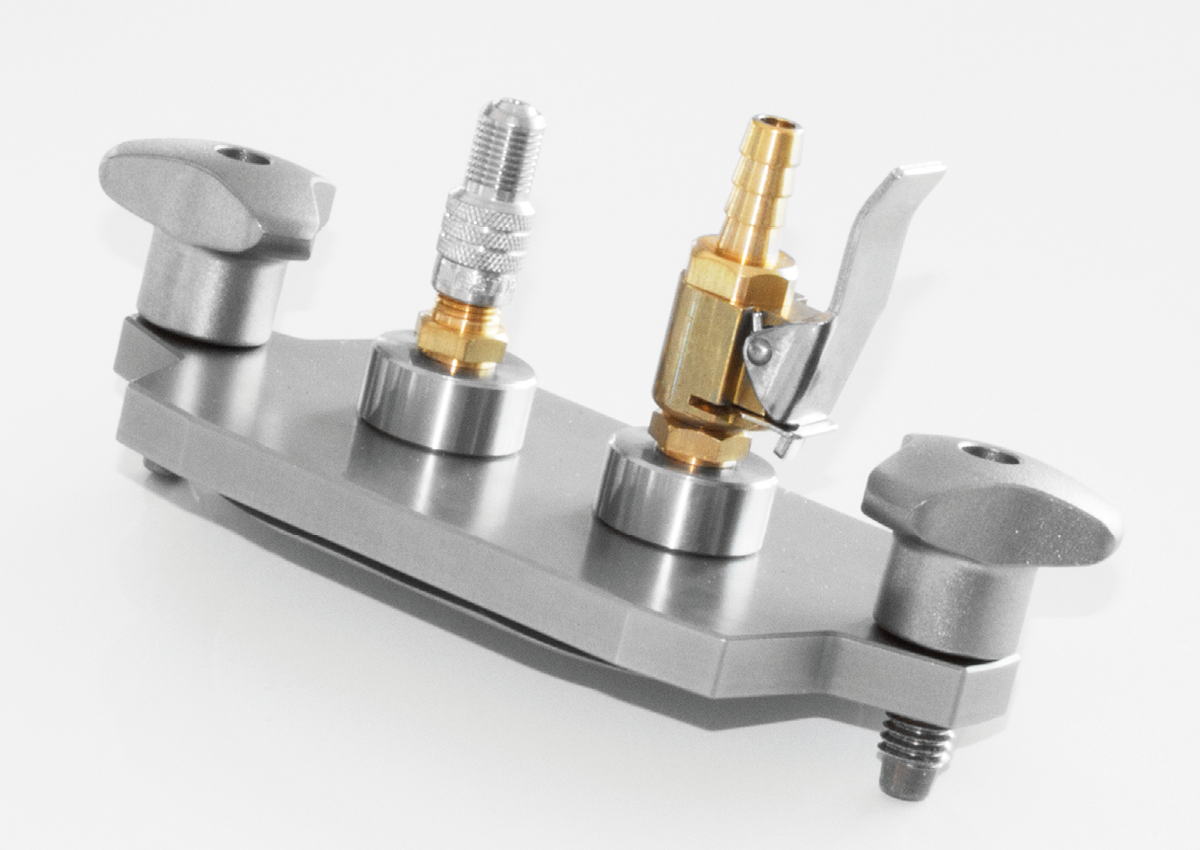
- Aeriation lids to control the atmosphere inside the jar
- Temperature monitoring and temperature-controlled grinding, water-cooling of jars
- Storable SOPs and cycle programs, 4 different jar materials for dry and wet grinding
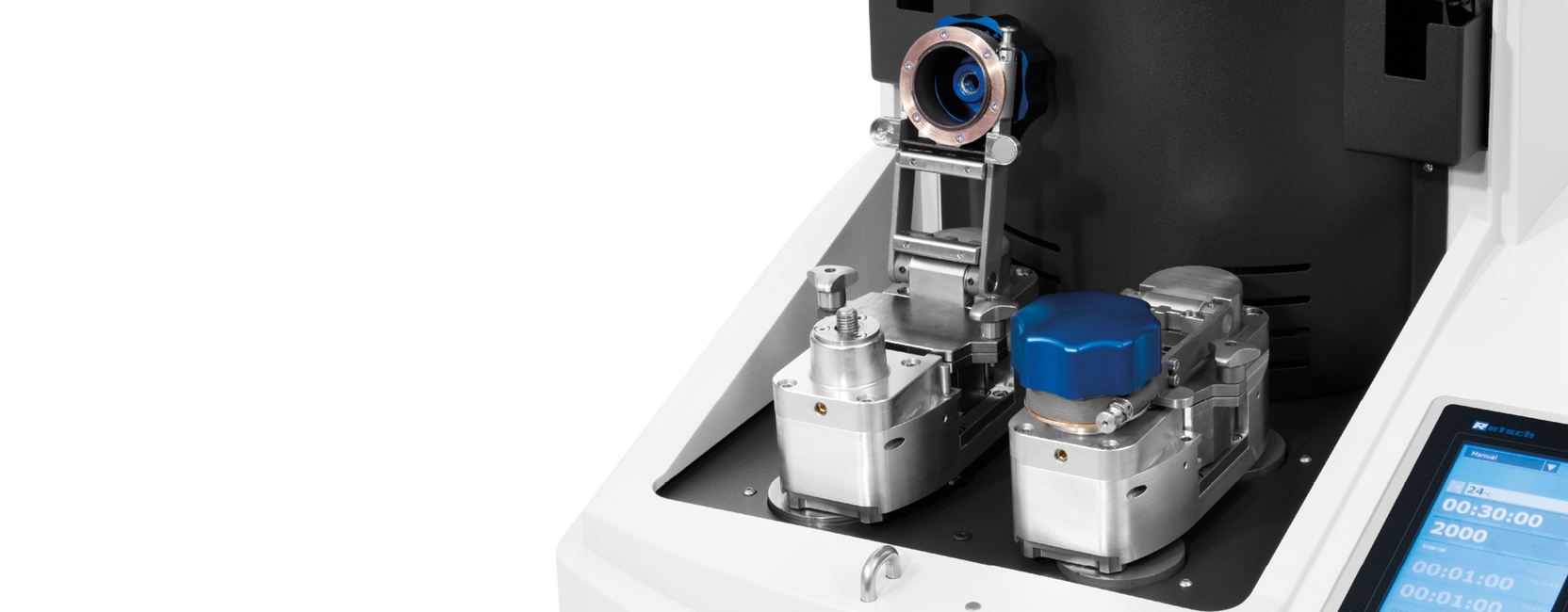
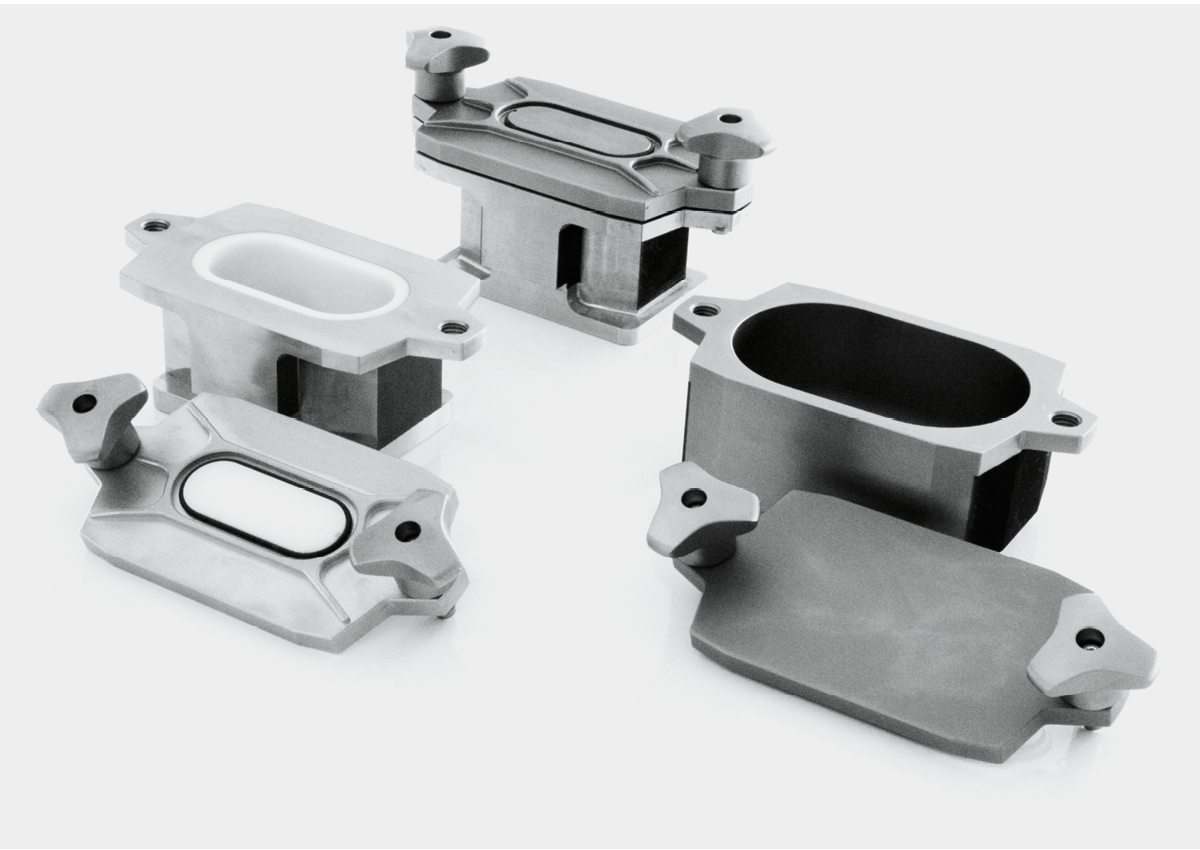
Unique grinding jar geometry
The High Energy Ball Mill Emax combines high-frequency impact, intensive friction, and controlled circular jar movements to a unique and highly effective size reduction mechanism.
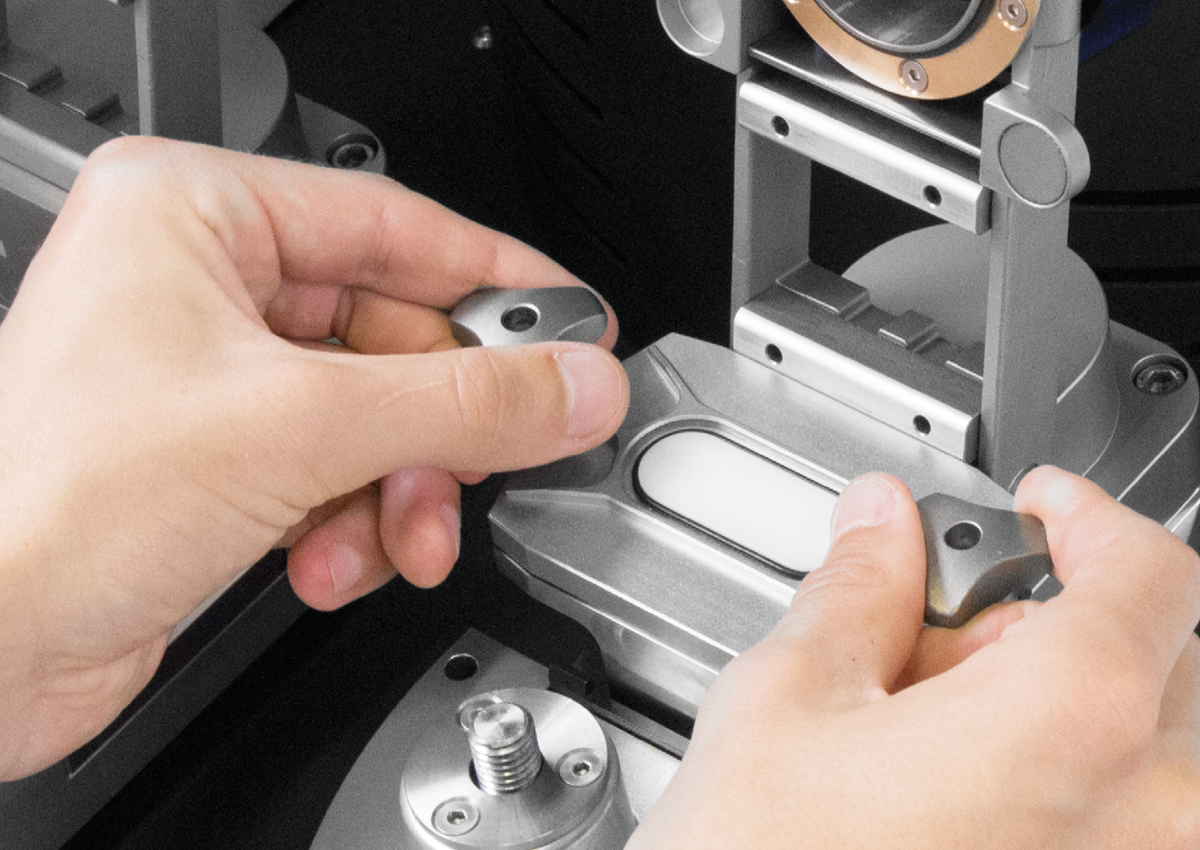
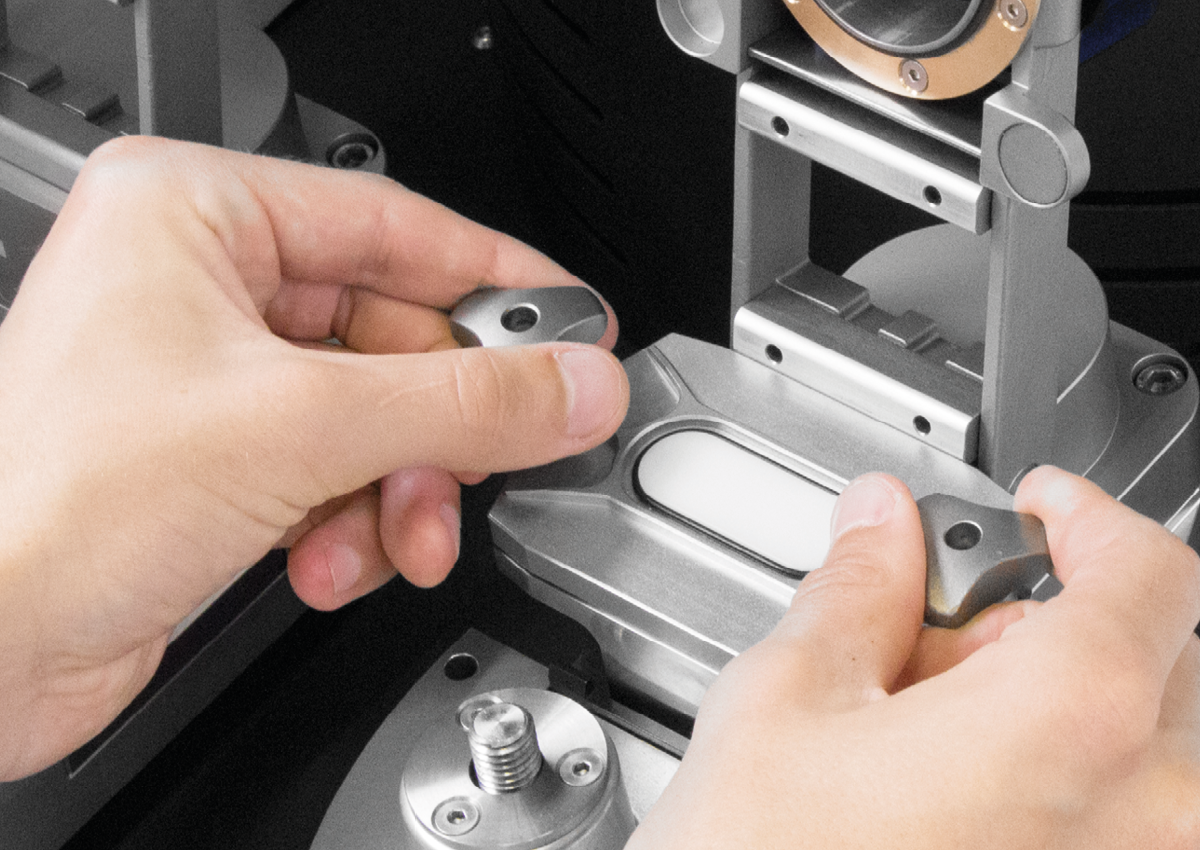
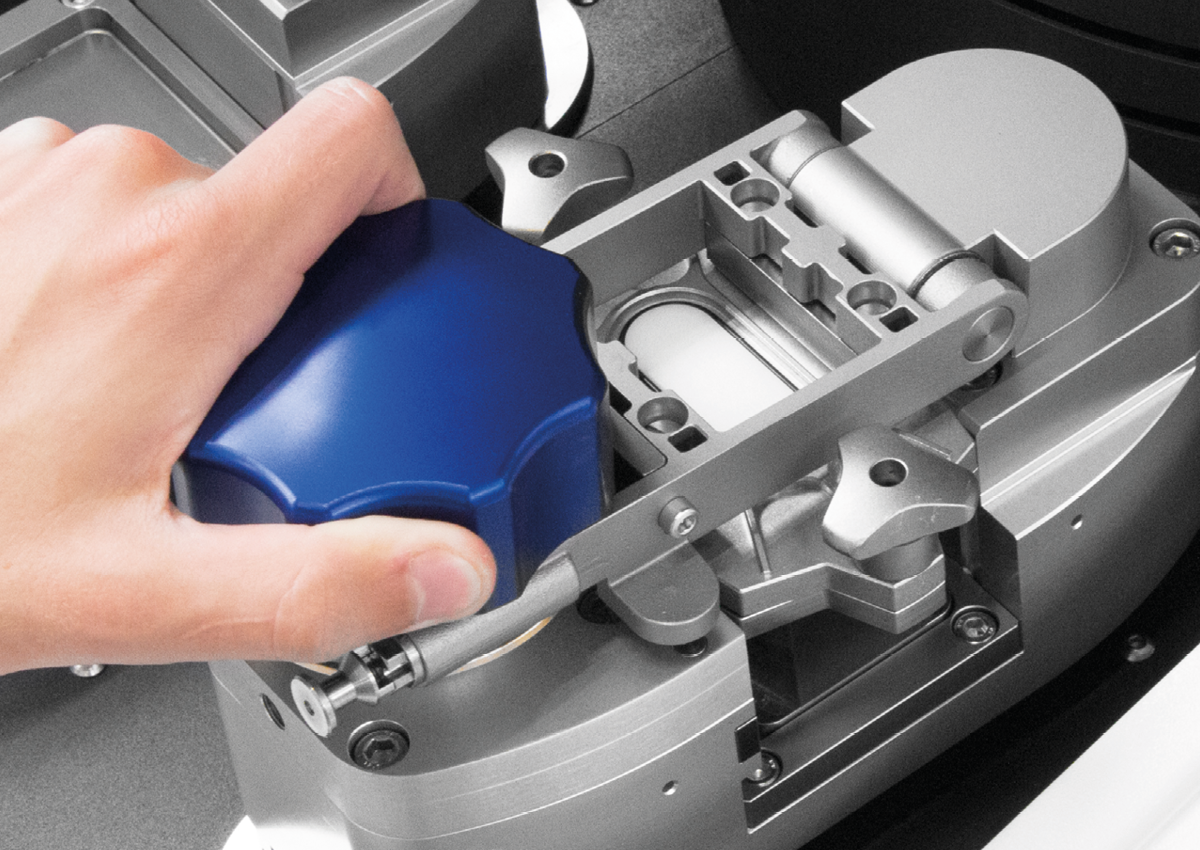
Inserting the grinding jar
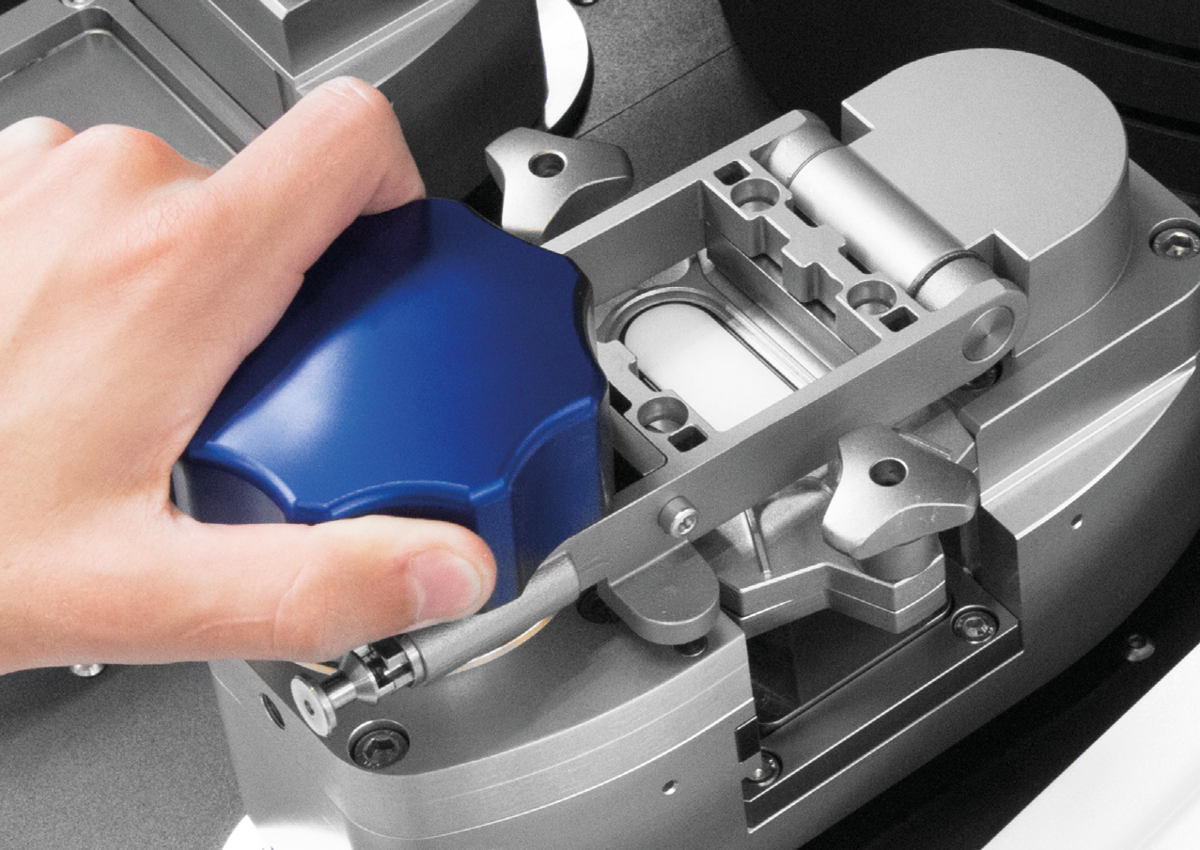
Closing the jar clamp
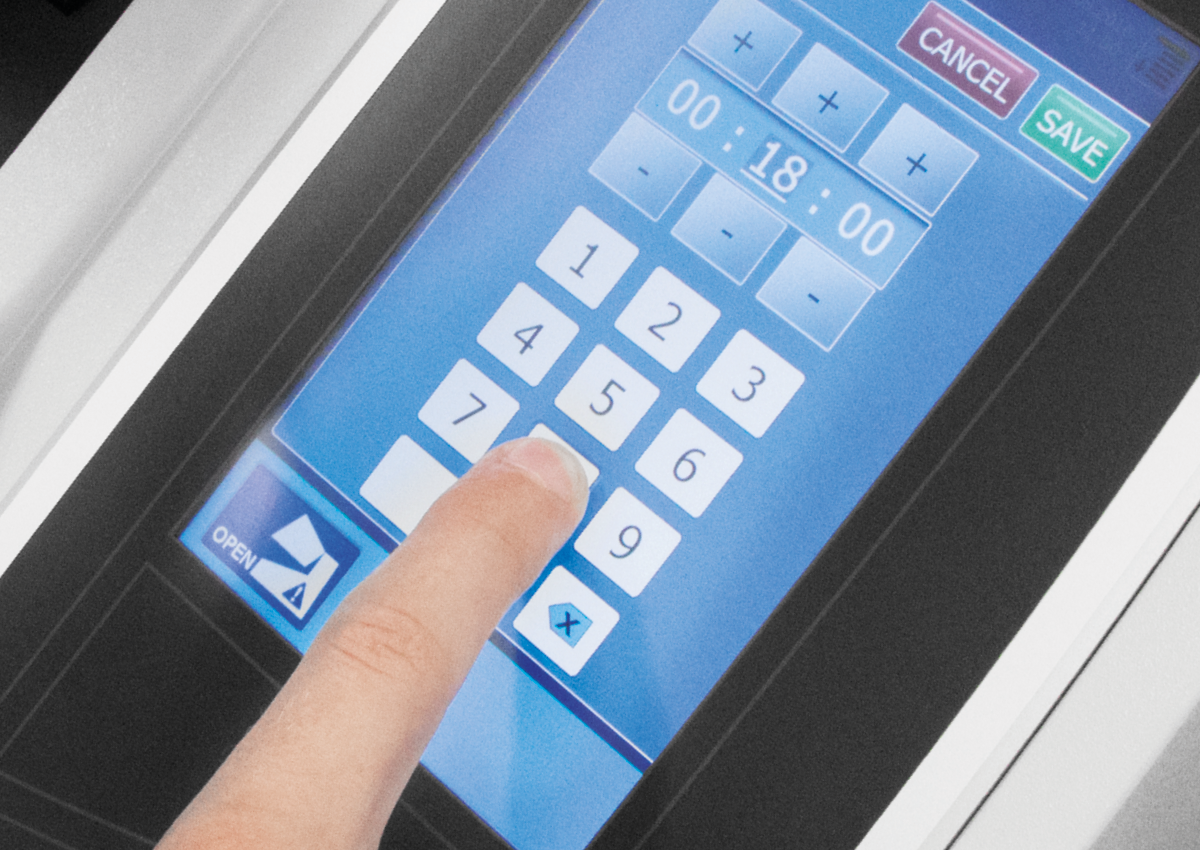
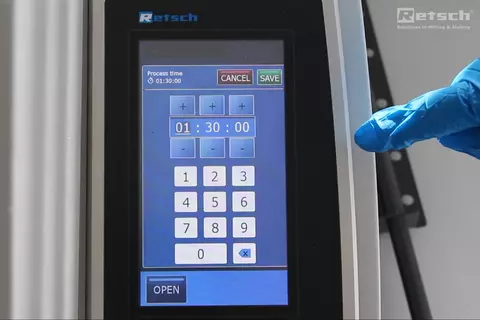
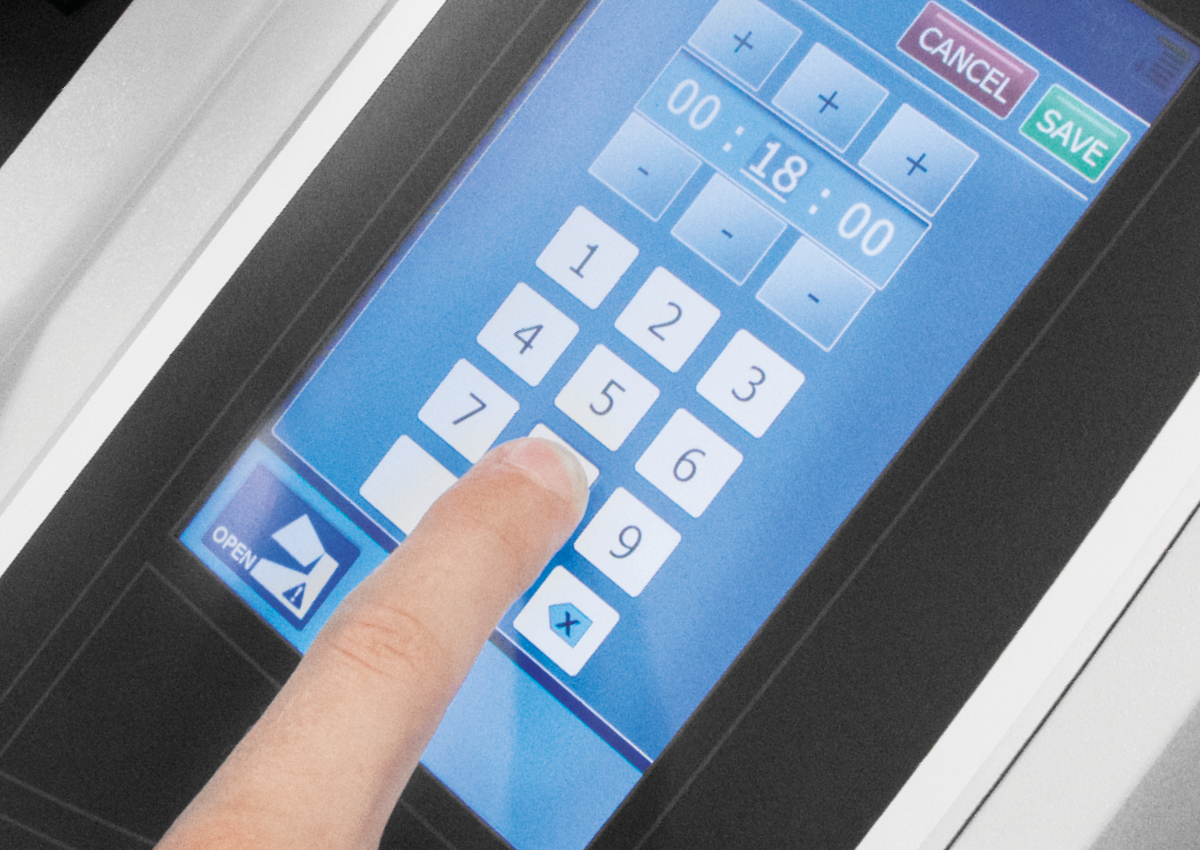
Operating the touchscreen
High Energy Ball Mill Emax Substantial time saving
The high maximum speed of 2,000 rpm and the fact that the water cooling system allows for grinding without breaks in most cases result in time savings of up to 90 % when using the Emax compared to conventional ball mills. Another reason for shorter processing times is the highly effective size reduction mechanism employed in the Emax.
Time advantage in pharmaceutical research
A small particle size has a positive effect on the bioavailability of orally taken active ingredients. The Emax pulverizes pharmaceutical samples and ingredients to submicron and nanometer particle sizes in a very short time. This not only means substantial time savings in pharmaceutical research but also opens up new possibilities for size reduction of thermally unstable ingredients which is shown in this application example:
- A cortisone derivative was pulverized in the Emax for 5 min to below 300 nm without exceeding the critical temperature limit of 45 °C
- The Planetary Ball mill required a net grinding time of 30 min with an additional 2.5 hours for cooling breaks
- Time saving of almost 3 hours in the Emax thanks to the more efficient functional principle and uninterrupted grinding


No more cooling breaks Highly Efficient
Cooling System
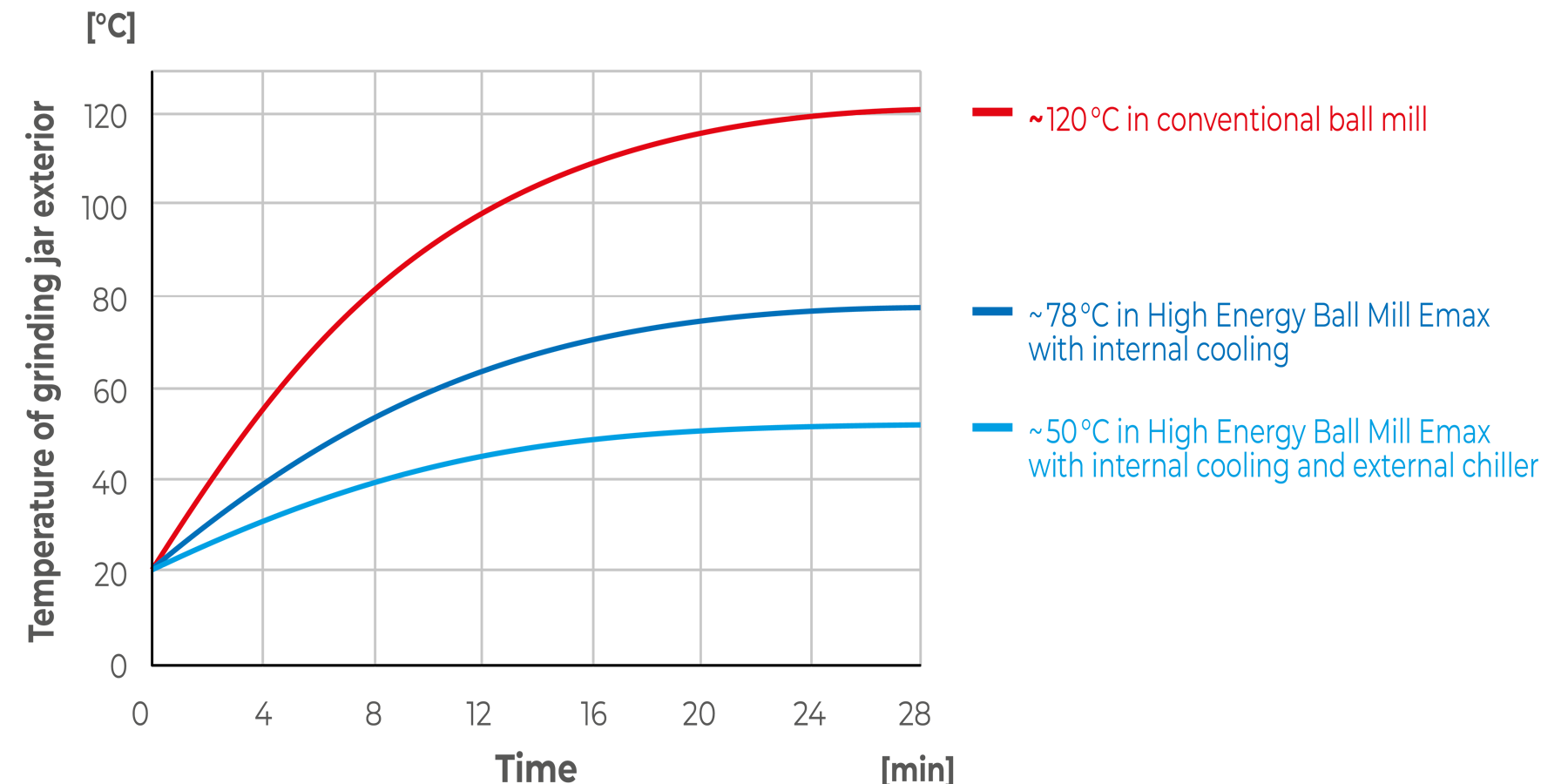
The greatest challenge when developing a high energy ball mill is keeping the temperature under control as the enormous size reduction energy leads to considerable heat built-up inside the grinding jar.
RETSCH solved this problem with an innovative integrated water cooling system. Hence, the Emax usually doesn’t require cooling breaks which are typical for long-term processes in conventional ball mills, even at low speed.
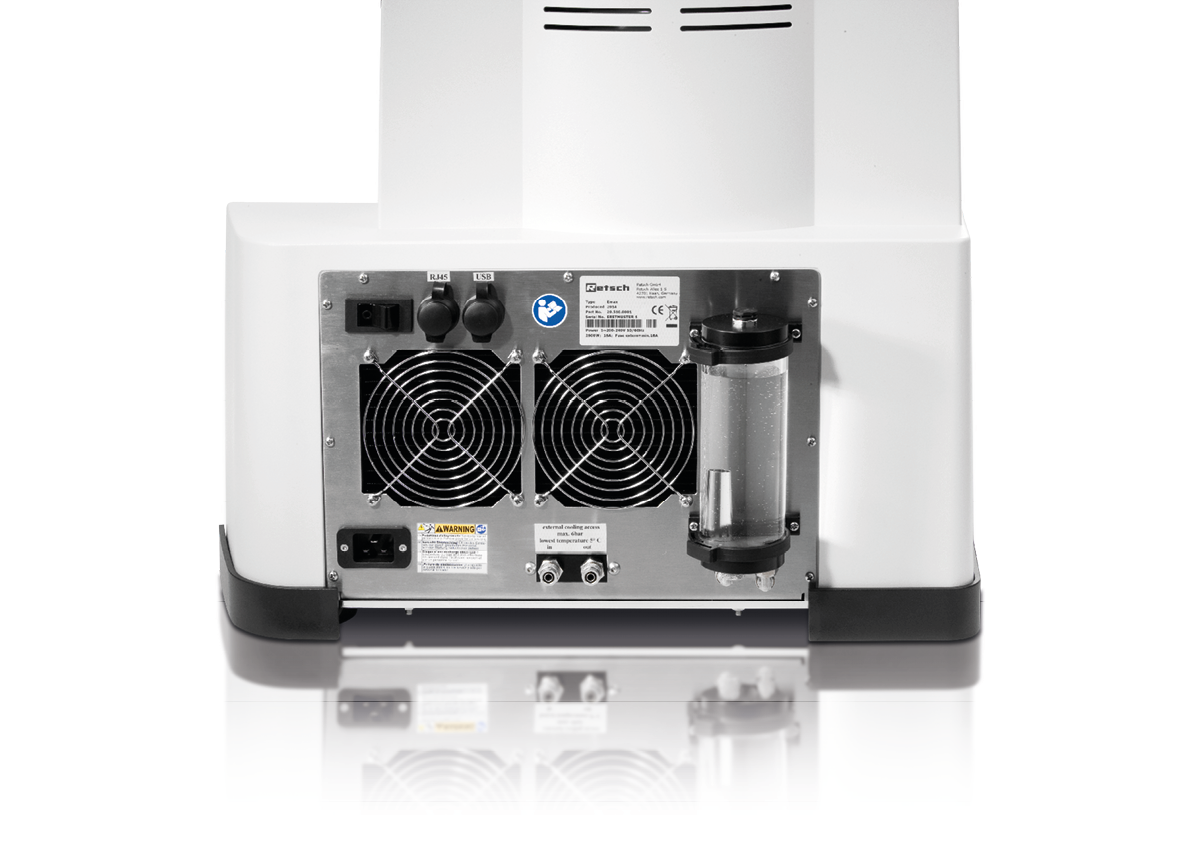
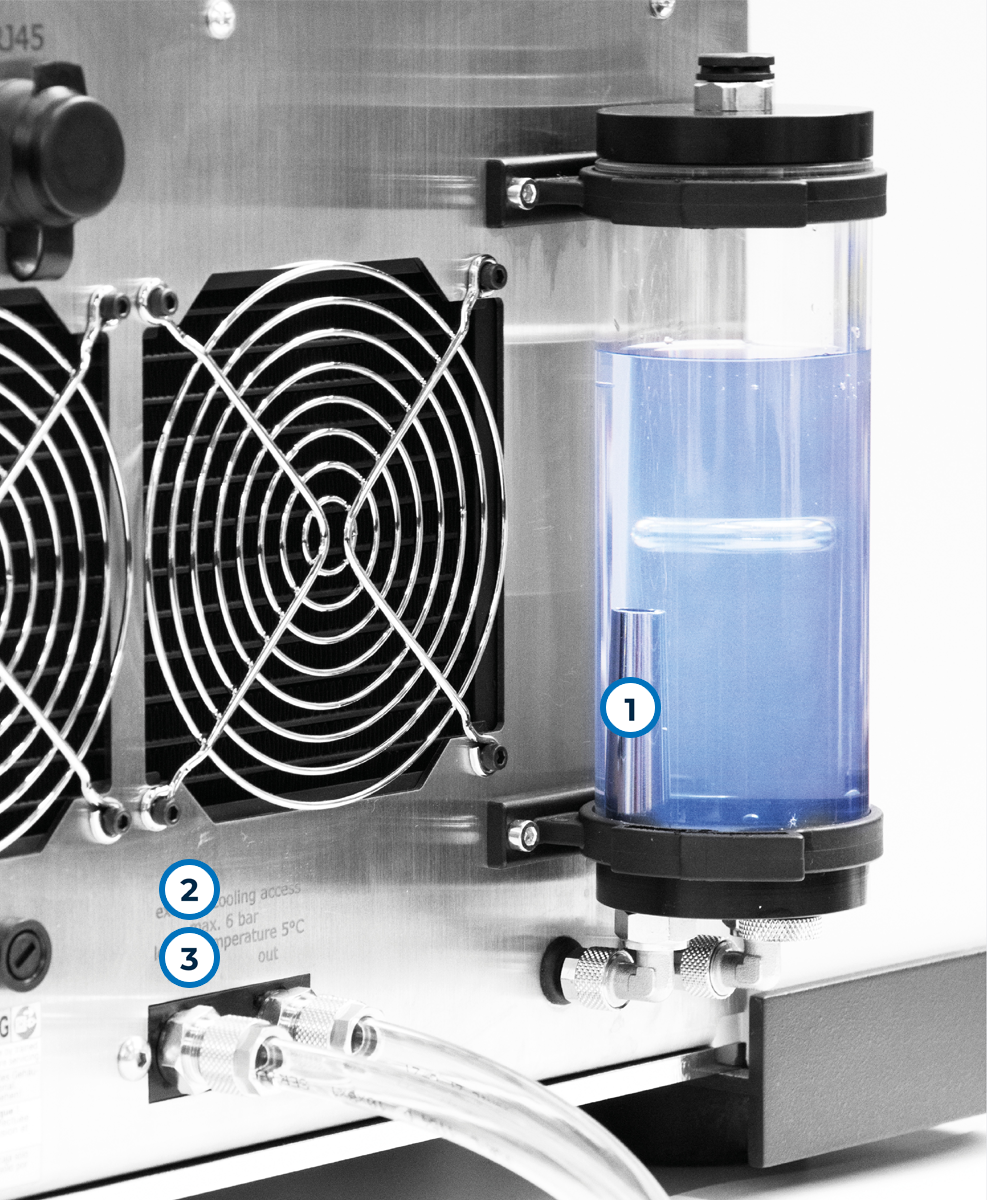
In the Emax the cooling system cools the grinding jars via the jar brackets. This is very effective because heat is more easily discharged into water than into air. The user can choose between 3 cooling modes: in addition to the internal cooling, the mill can be connected to a chiller or the tap to further reduce the temperature.
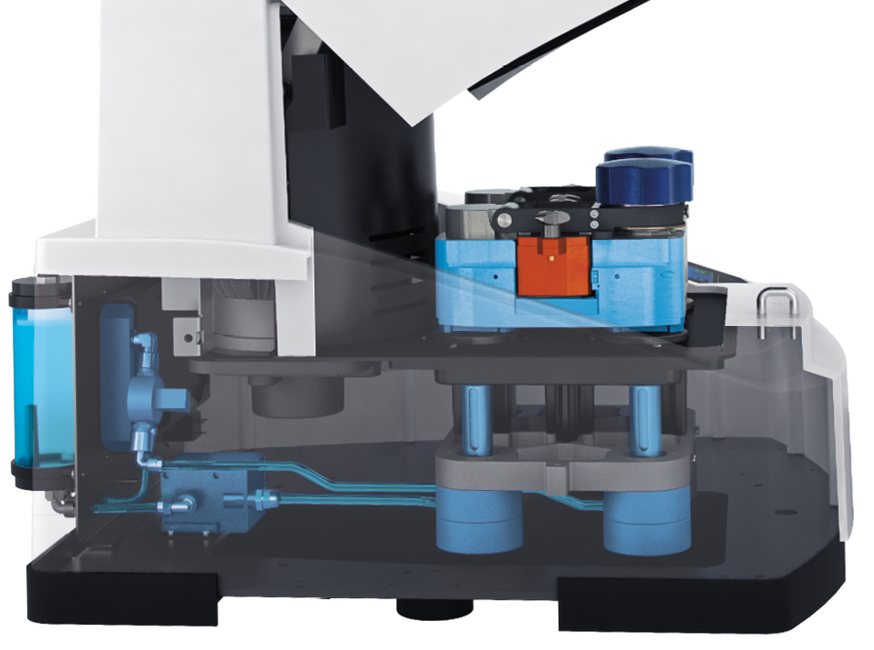
3 cooling modes offer flexibility
- Internal water cooling
- Additional external cooling possible by connecting the mill to the tap
- Maximum water cooling by using an optional chiller
Temperature Example
Grinding in a defined temperature range
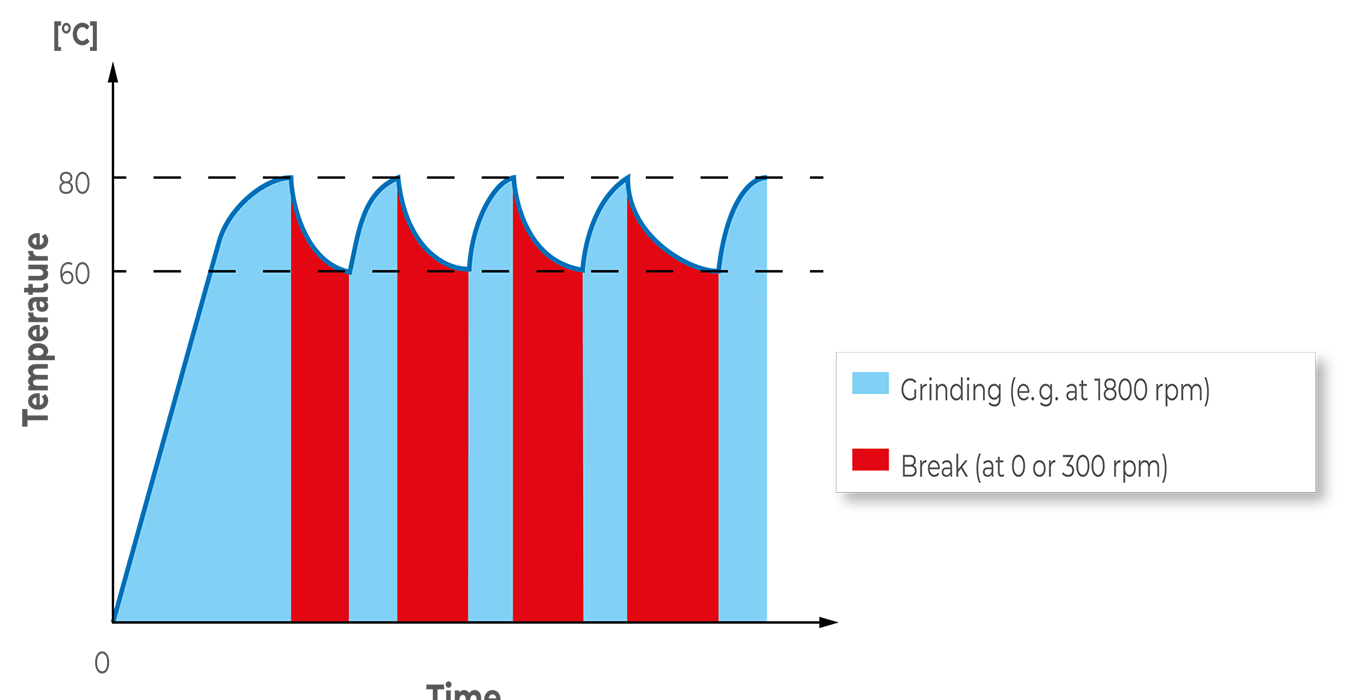
Due to the temperature control mode, the Emax is also suitable for grinding heat-sensitive samples like polysaccharide. In the following example, a final fineness below 10 microns and a maximum temperature of 80 °C were required.
- The temperature range was set between 60 °C and 80 °C
- Break times were automatically adjusted, the 80 °C limit was not exceeded
- After a process time of only 3 h the desired fineness of < 10 µm was achieved, unnecessary break times were avoided
High Energy Ball Mill Emax Application Examples
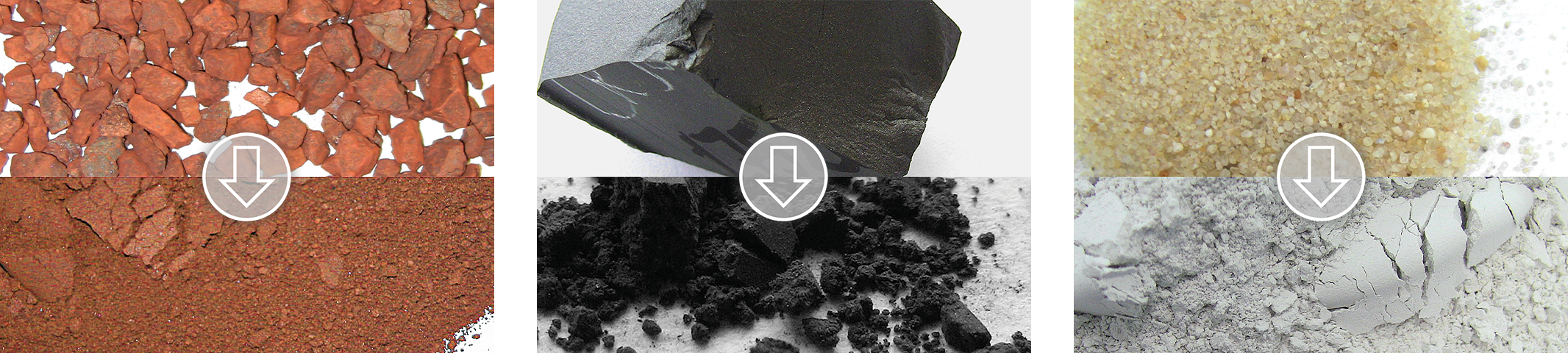
RETSCH’s High Energy Ball Mill Emax is ideal for pulverizing samples such as soil, concrete, carbon fibers, chemical products, ores, gypsum, glass, semi-precious stones, wood, lime, catalysts, ceramic, bones, alloys, coal, metal oxides, minerals, pigments, quartz, slag, tobacco, tea, clay minerals, cement clinker and many more.
Applications Pulverizing, Homogenizing, Alloying
The High Energy Ball Mill Emax is used wherever highest demands are placed on speed, fineness, purity and reproducibility. The Emax pulverizes and homogenizes medium-hard, hard, brittle and fibrous materials – dry or wet – and easily produces grind sizes down to the nanometer range.
Its efficiency and flexibility makes the Emax suitable for a wide range of materials – from pulverizing ingredients for pharmaceutical research to mechanical alloying for the development of new materials
| Sample | Feed quantity | Grinding time | Speed | Final fineness (d90) | Remark |
|---|---|---|---|---|---|
| Chitin | 10 g | 8 h | 1300 rpm | < 164 µm | No temperature-induced discoloring, Emax 40 °C cooler than ball mill |
| Polysaccharide | 10 g | 2 h | 1800 rpm | < 8.9 µm | Temperature control, max. temperature of 80 °C was not exceeded in the Emax |
| Wood | 3 g | 10 min | 1300 rpm | < 64 µm | Temperature limit of 30 °C was not exceeded |
| Titanium dioxide | 10 g | 30 min | 2000 rpm | < 80 nm | Nano grinding < 100 nm was only achieved in the Emax (5x finer than ball mill result) |
| Barium titanate | 12 g | 2 h | 1800 rpm | < 83 nm | Nano grinding < 100 nm, 3 h time saving compared to ball mill |
| Graphite | 5 g | 8 h | 2000 rpm | < 1.7 µm | Extreme time saving (24x faster than ball mill) and excellent fineness (7x finer than ball mill) |
| Cortisone derivative | 2.5 g | 5 min | 1000 rpm | < 280 nm | Temperature limit of 45 °C was not exceeded. Almost 3 h time saving compared to ball mill |
| Silicon & Germanium | 3.63 g Si / 2.36 g Ge | 20 min preliminary grinding + 4 h alloying | 1200 rpm | Not relevant | Mechanical alloying: Good alloying results 4–5 h faster than with ball mill, hardly any glass formation and no caking in Emax |
To find the best solution for your sample preparation task, visit our application database.
High Energy Ball Mill Emax Finer Grinding down to the nanometer range
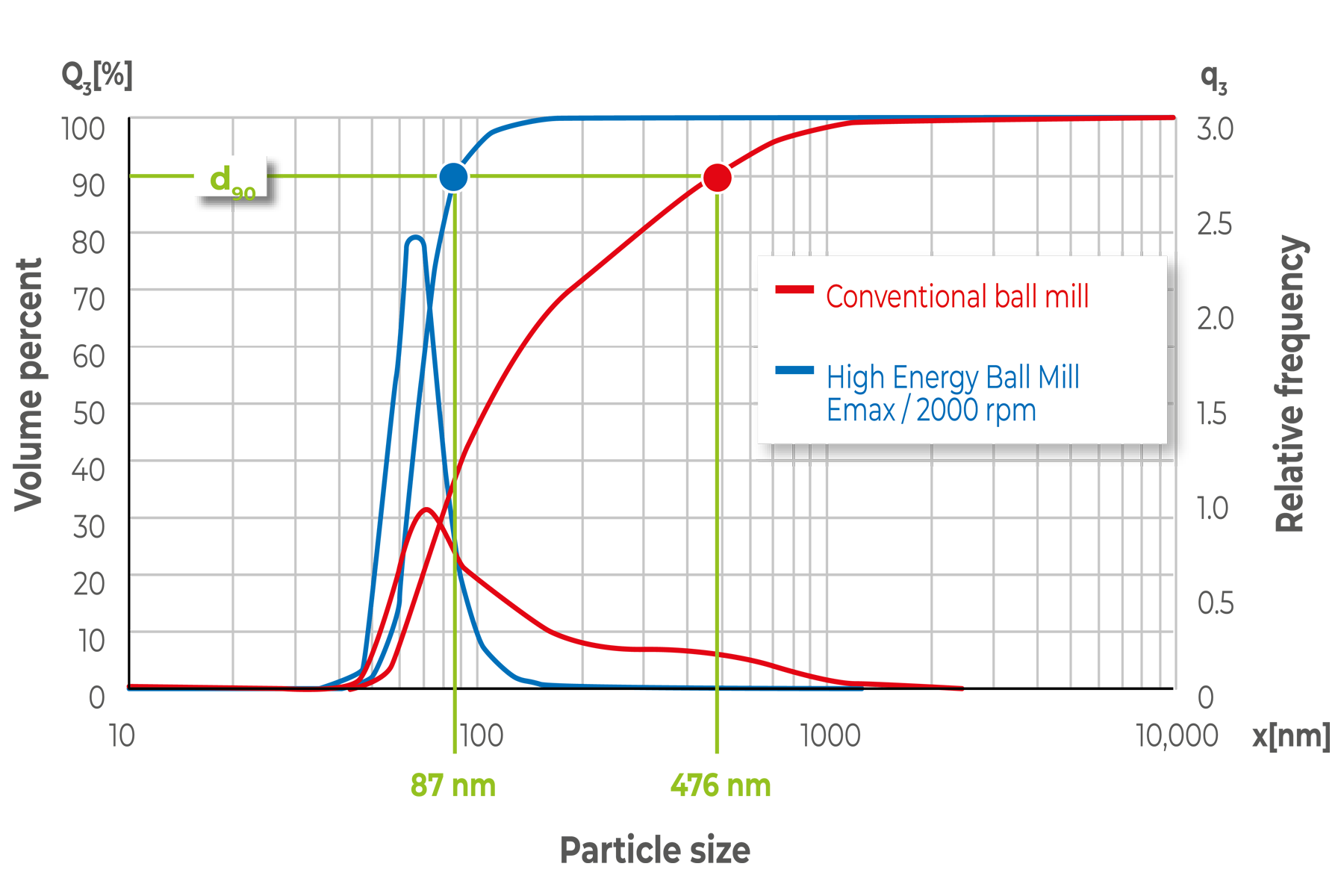
The high energy input and the very efficient size reduction mechanism of the Emax also make it suitable for pulverizing difficult samples down to the nanometer range. Moreover, the thorough mixing of the sample leads to very narrow particle size distributions.
Difficult to grind samples
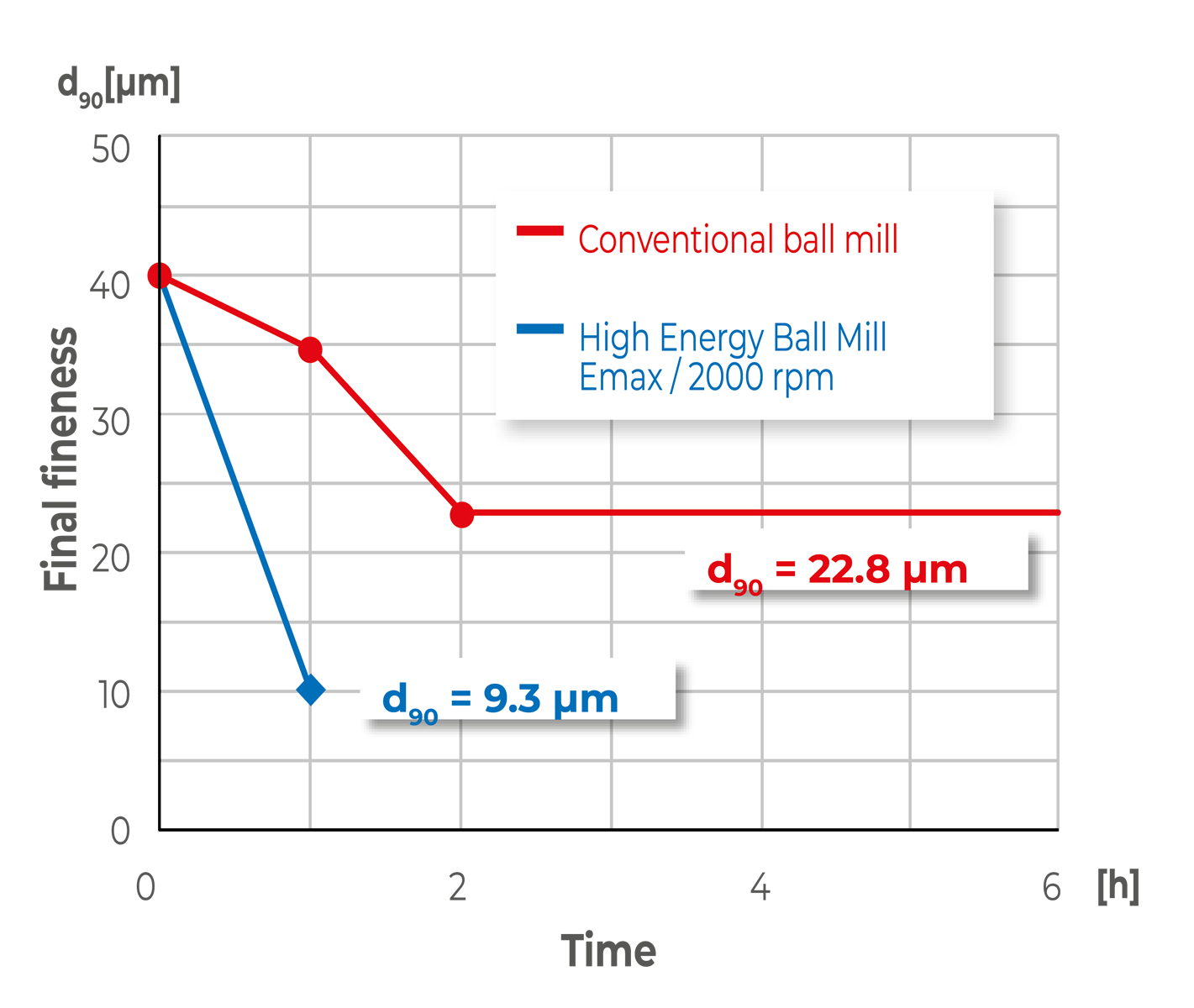
Graphite is a lubricant and therefore requires a particularly high energy input to be pulverized. After 1 hour of grinding in the Emax, already 90 % of the sample were smaller than 10 microns. The best result of the conventional ball mill was a grind size > 20 µm.
Narrow particle size distributions
Titanium dioxide is a pigment which is used, for example, in sunscreen to protect the skin from UV radiation. A particle size distribution in the nanometer range makes the protection particularly effective.
Mechanical Alloying Excellent transformation rate and substantial time saving
For materials which cannot be alloyed by fusion, mechanical alloying is carried out in ball mills which provide high energy input through impact and friction. Trials have shown that the alloying process takes considerably less time than in, for example, a planetary ball mill. Further advantages include a better transformation rate as well as less amorphous particles and less caking.
Production of an Si-Ge alloy
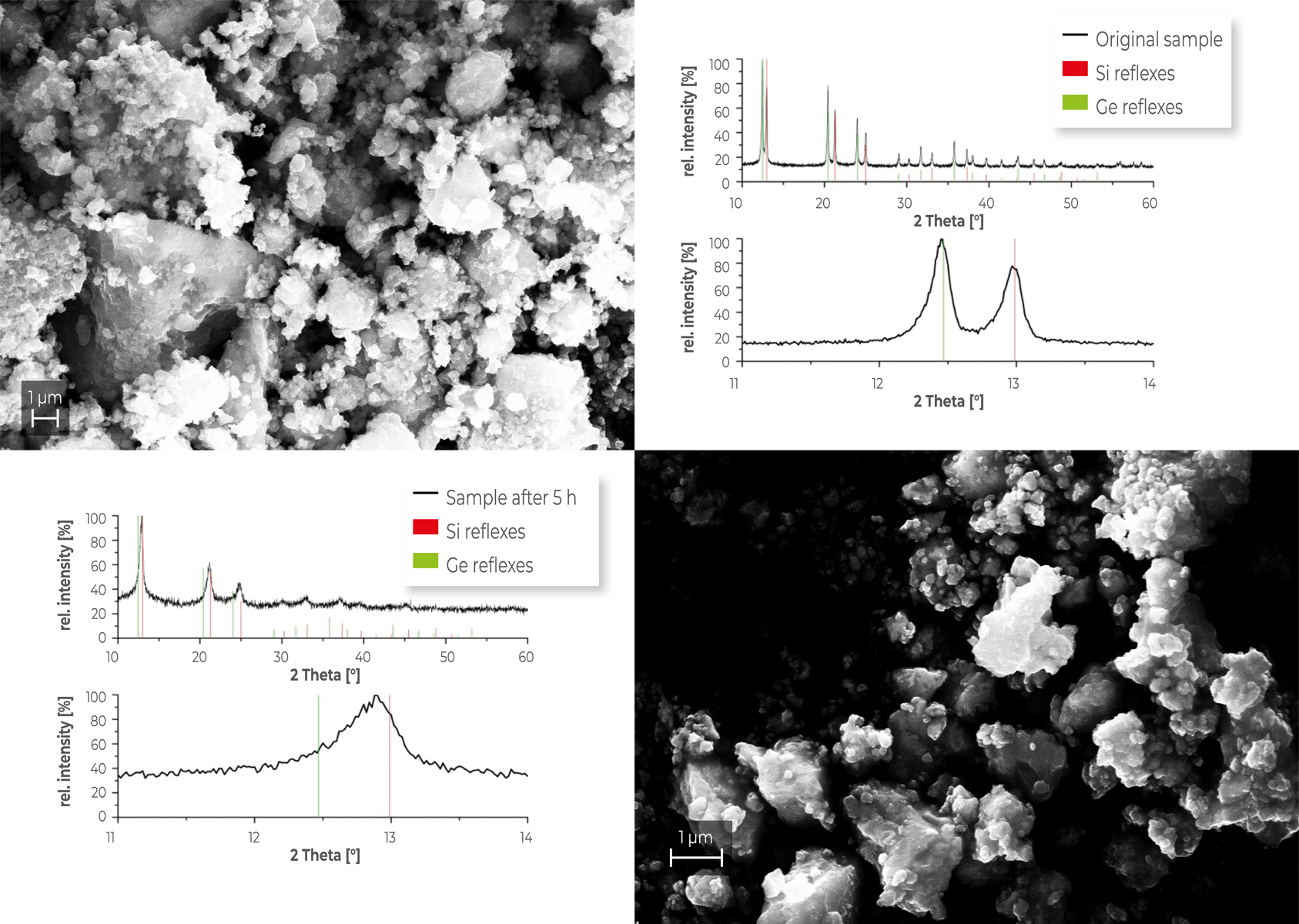
To produce a silicon-germanium alloy in the Emax, first 3.63 g Si and 2.36 g Ge were pulverized in a 50 ml tungsten carbide grinding jar with ten 10 mm grinding balls of the same material. The initial particle size of the silicon ranged between 0.1 and 2.5 cm, that of germanium was approximately 4 mm. After 20 minutes of grinding at 1,000 rpm the initial substances had become a loose powder. The actual alloying process was started with a powder/ball ratio of 1/10 at a speed of 1200 rpm. After 5 hours of mechanical alloying, interrupted by a 1 minute break after each hour for a direction reversal to avoid caking, the powder diffractogram already reflected the integration of germanium into silicon. After 8 to 9 hours a slight increase of this effect could be observed.
Mechanical Alloying
For materials which cannot be alloyed by fusion, mechanical alloying is carried out in ball mills which provide high energy input through impact and friction. Trials have shown that the alloying process takes considerably less time than in, for example, a planetary ball mill. Further advantages include a better transformation rate as well as less amorphous particles and less caking.
Function Principle Grind sizes in the submicron range
The High Energy Ball Mill Emax combines high-frequency impact, intensive friction, and controlled circular jar movements to a unique and highly effective size reduction mechanism. The grinding jars have an oval shape and are mounted on two discs respectively which move the jars on a circular course without changing their orientation.
The interplay of jar geometry and movement causes strong friction between the grinding balls, sample material and jar walls as well as a rapid acceleration which lets the balls impact with great force on the sample at the rounded ends of the jars. This significantly improves the mixing of the particles resulting in smaller grind sizes and a narrower particle size distribution than is possible to achieve in ball mills.
For safe and effective grinding processes Accessories for maximum flexibility
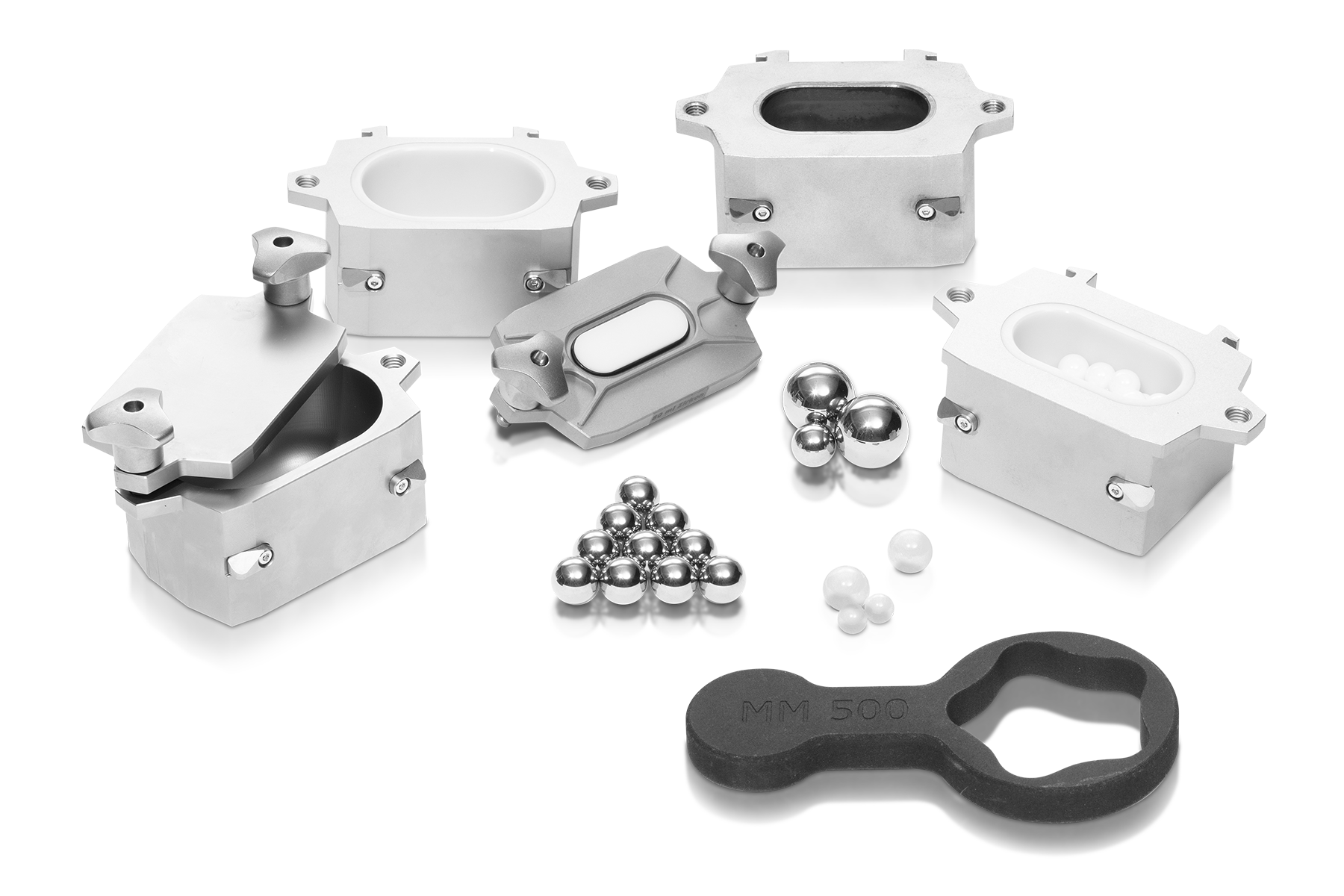
Grinding jars in 3 different materials
Available grinding jar sizes are 50 ml, 80 ml and 125 ml, materials include stainless steel, tungsten carbide and zirconium oxide, ensuring contamination-free sample preparation. Heavy-metal-free grinding is possible, also at -100 °C
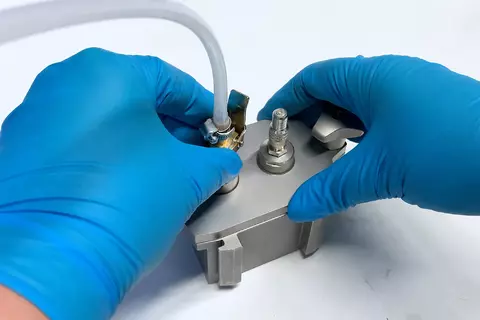
Aeration lid Video
RETSCH offers a special aeration lid for the grinding jars designed for applications where a special atmosphere is to be maintained in the ball mill jar.
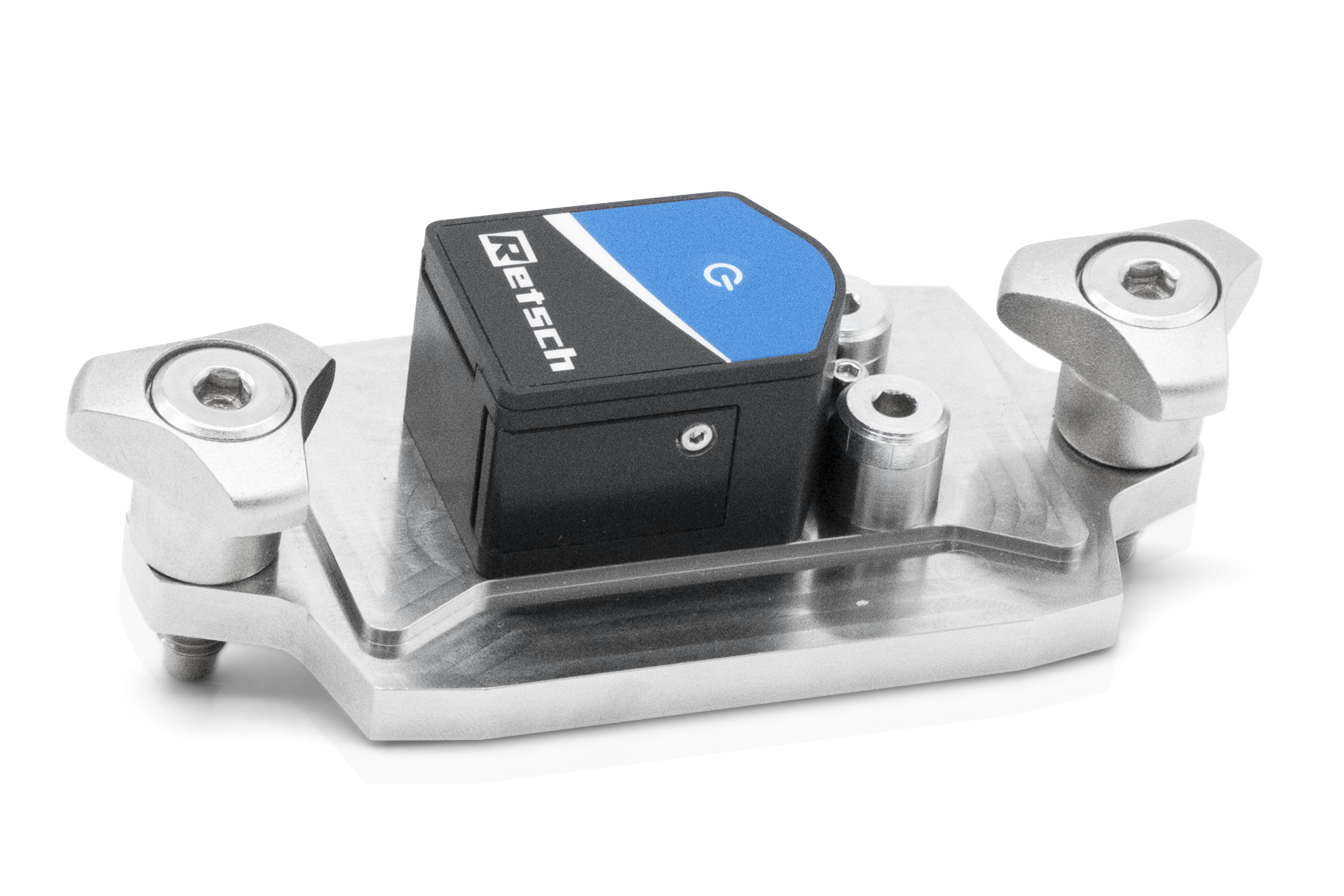
GrindControl
The GrindControl measures temperature and pressure inside the jar. The system includes a sensor and transmission unit as well as an analysis software.
High Energy Ball Mill Emax Technical Data
| Applications | nano grinding, size reduction, homogenizing, mechanical alloying, colloidal milling, high energy comminution |
|---|---|
| Field of application | agriculture, biology, chemistry, construction materials, engineering / electronics, environment / recycling, geology / metallurgy, glass / ceramics, medicine / pharmaceuticals |
| Feed material | medium-hard, hard, brittle, fibrous - dry or wet |
| Size reduction principle | impact, friction |
| Max. feed size | < 5 mm |
| Final fineness | < 80 nm |
| Batch size / feed quantity | max. 2 x 45 ml |
| Speed at 50 Hz (60 Hz) | 300 - 2000 min-1 |
| Cooling | controlled integrated water cooling / option: external chiller |
| Temperature control | yes (min and max temperature may be defined) |
| No. of grinding stations | 2 |
| Type of grinding jars | with integrated safety closure devices |
| Material of grinding tools | stainless steel, tungsten carbide, zirconium oxide |
| Grinding jar sizes | 50 ml / 125 ml |
| Setting of grinding time | 00:01:00 to 99:59:59 |
| Interval operation | yes, with optional direction reversal |
| Interval time | 00:01:00 to 99:59:59 |
| Pause time | 00:01:00 to 99:59:59 |
| Storable SOPs | 10 |
| Interface | USB / LAN ( RJ45) |
| Drive | 3-phase asynchronous motor with frequency converter |
| Drive power | 2600 W |
| Electrical supply data | 200-240 V, 50/60 Hz |
| Power connection | 1-phase |
| Power consumption | ~ 3100W (VA) |
| Protection code | IP 30 |
| W x H x D closed | 625 x 525 x 645 mm |
| Net weight | ~ 120 kg |
| Standards | CE |
| Patent / Utility patent | Inclined Grinding bowls (US 8,042,754 B2) |
High Energy Ball Mill Emax Downloads
Expert Guide Milling
Why Size Reduction? A reliable and accurate analysis can only be guaranteed by reproducible sample preparation. The "Art of Milling" describes the process of turning a laboratory sample into a representative part sample with homogeneous analytical fineness.
Green Cement - Innovation in the Construction Industry
Green Cement represents a significant innovation in the construction industry, aimed at reducing environmental impact and promoting sustainable development. Traditional cement production is a major contributor to global CO emissions, accounting for approximately 7-8% of the total. With this material these emissions can be minimized by incorporating supplementary cementitious materials (SCMs) such as fly ash, slag and seashell by using alternative fuels and raw materials. Our solutions enable the production of a more sustainable product with high performance characteristics and exceptional physical properties.
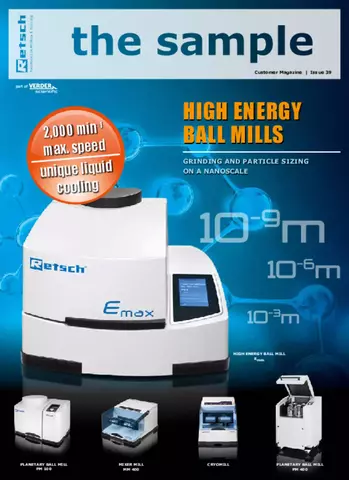
The Sample - Customer Magazine No. 39
High Energy Ball Mills - Grinding And Particle Sizing On A Nanoscale