





Mechanical Alloying with Ball Mills
Traditional alloy production typically involves melting components at high temperatures to create materials like stainless steel. However, when only small quantities are needed or melting is not feasible for alloying, mechanical alloying offers a viable alternative. This process utilizes ball mills to weld and fuse powder particles through a combination of impact and plastic deformation.
In the late 1960s, this method was employed to produce nickel-iron alloys. They are resistant to high temperatures and suitable for aerospace applications. Mechanical alloying is a powder processing technique that achieves homogeneity in the material by repeatedly cold welding, fracturing, and re-welding the powder particles.
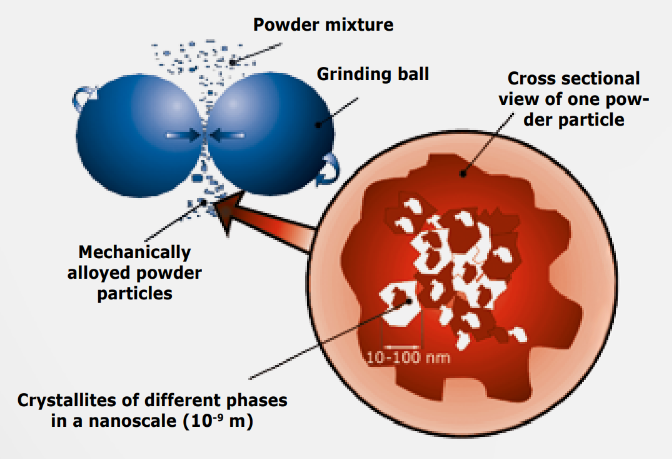
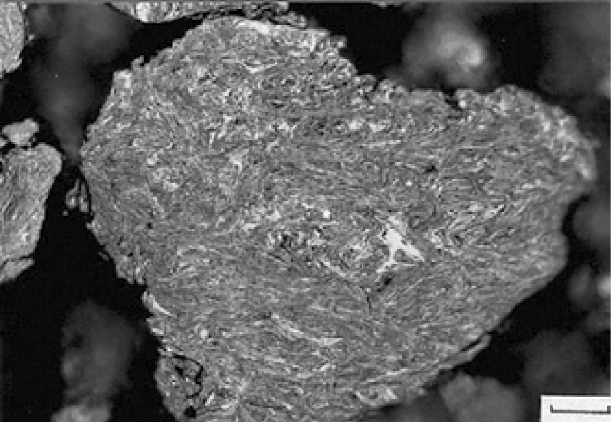
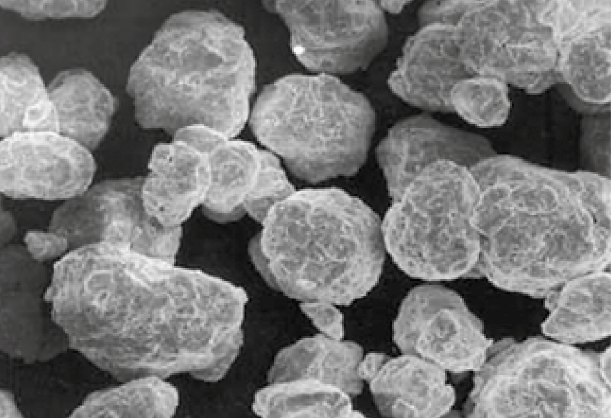
Initially, larger particles are produced this way. Increased defect structures such as dislocations, gaps and tension in the crystal lattices of the individual particles lead to an elevated diffusion rate of their atoms. This results in increased embrittlement which promotes the formation of cracks and a subsequent breaking of the particle. The diffusion is supported by a temperature rise generated by frictional heat in the grinding jar. The process of fusion and folding continues until complete homogenization is achieved after a few minutes or several hours. Diminutive crystalline sections of adjacent initial components are formed in the powder particles which are called “nano crystallites”.
The necessary energy input during mechanical alloying is provided by high-energy ball mills and planetary ball mills through impactful collisions. The grinding balls cause the fine particles to undergo plastic deformation, leading to the fusion of materials. This technique enables the production of alloys when traditional metal fusion methods are ineffective. It also allows for adjustments in the component mixing ratios. They also allow for pre-milling the samples to reduce the particle size.
Mills suitable for Mechanical Alloying
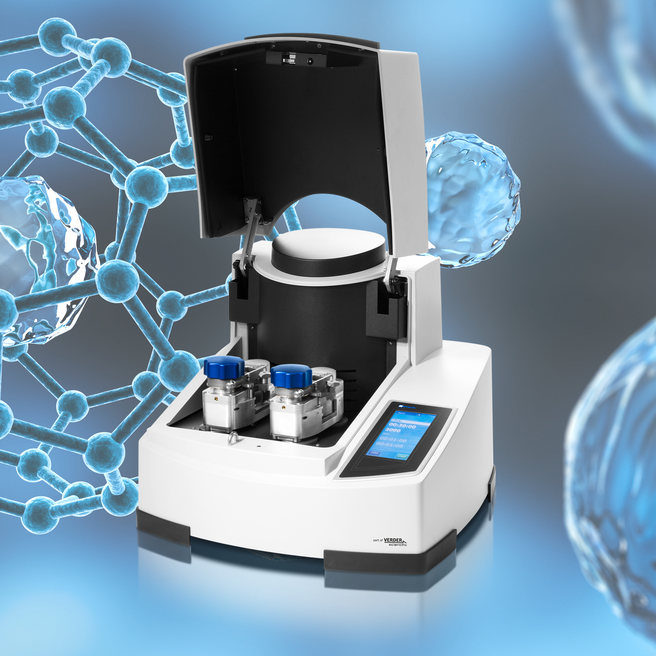
High Energy Ball Mill Emax
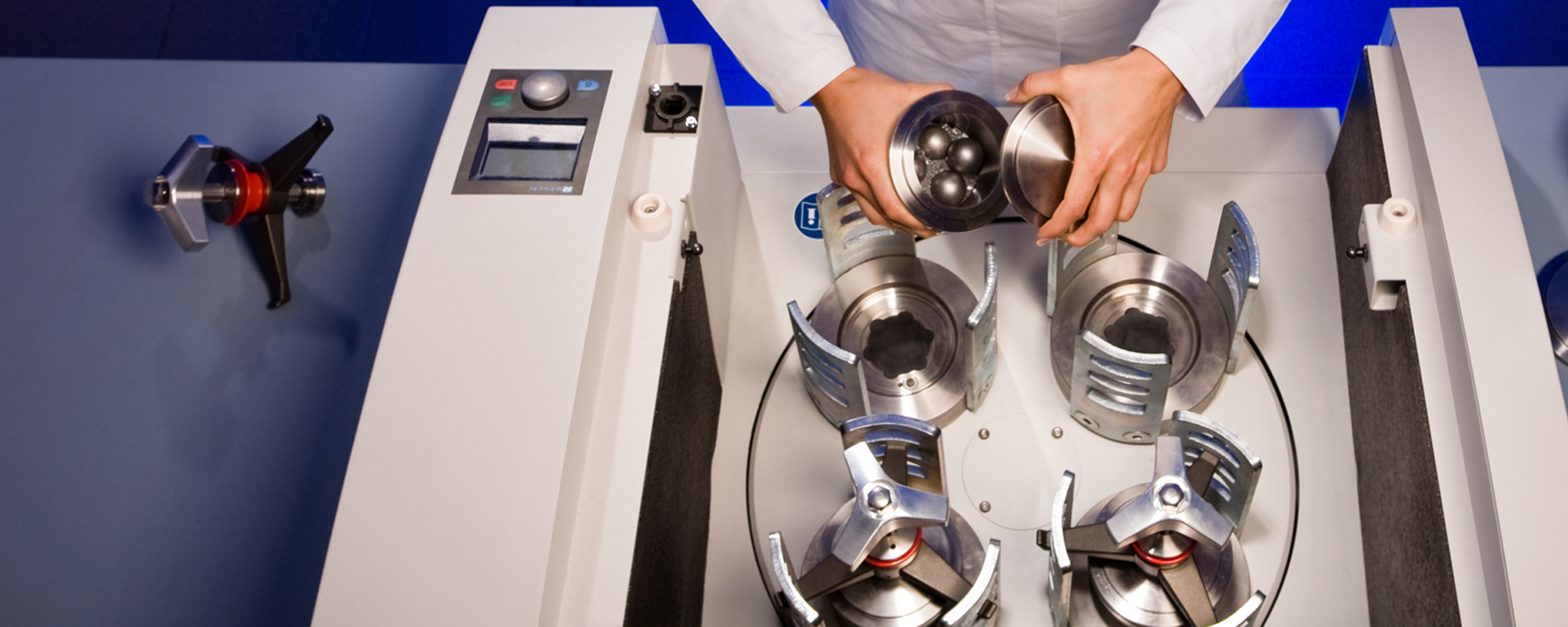
The High Energy Ball Mill Emax is engineered for high energy milling, featuring a speed of 2,000 min-1 combined with a unique grinding jar design that produces a substantial size reduction energy. An enormous energy input of up to 76 g is achievable.
The Emax operates on a dual mechanism of high impact and intense friction, resulting in a high-energy input suitable for rapid grinding to the nanometer range and for mechanical alloying. This effect is achieved through the oval shape and movement of the grinding jars, which follow a circular path without altering their orientation, enhancing the mixing of particles and achieving finer grind sizes and a more uniform particle size distribution.
The Emax is equipped with a specialized liquid cooling system that efficiently dissipates excess thermal energy, ensuring the sample does not overheat, even during extended grinding periods. The grinding jars are internally water-cooled, allowing for continuous grinding without interruptions in most scenarios. An external chiller can be connected to the Emax's internal cooling system for further temperature reduction. Additionally, the temperature control mode enables users to set minimum and maximum temperatures, with grinding continuing until the maximum temperature is reached, followed by a cooling break until the minimum temperature is attained. This ensures that grinding breaks are optimally timed, eliminating the need for trial and error to determine the correct durations. Altogether, the Emax is ideal for mechanical alloying.
Planetary Ball Mills
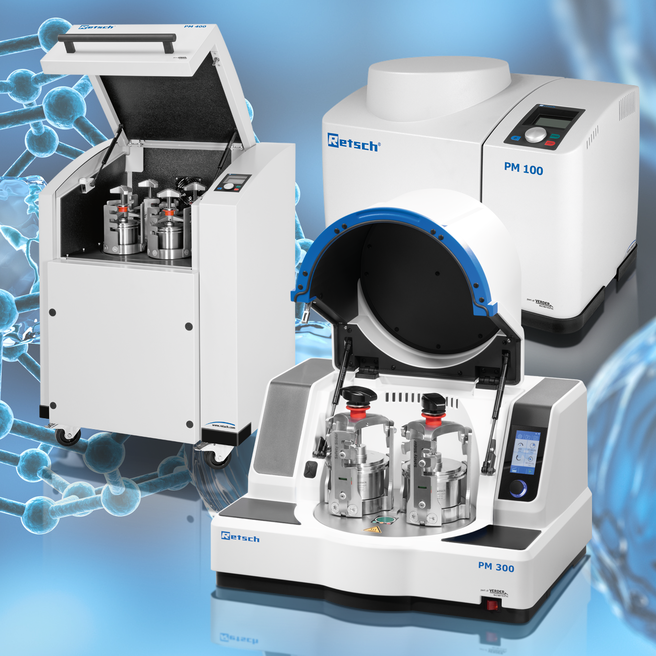
Planetary ball mills have been used many times for mechanical alloying. In a planetary ball mill, each jar functions as a "planet" that orbits on a platform known as the "sun wheel." As the sun wheel spins, the jar also rotates on its own axis but in the reverse direction. This motion activates centrifugal and Coriolis forces, causing the grinding balls to accelerate rapidly. The result is a significant pulverization energy that produces extremely fine particles.
The intense acceleration of the grinding balls from one side of the jar to the other creates powerful impact on the sample, leading to further size reduction through friction. Typically, the speed ratio between the sun wheel and the grinding jar is 1:-2, meaning the jar makes two rotations for every single rotation of the sun wheel. This ratio is standard for most planetary ball mills. For mechanical alloying applications, planetary ball mills with a higher energy input and a speed ratio of 1:-2.5 or even 1:-3 are particularly effective.
Unlike the Emax, these mills can accommodate larger grinding jars up to 500 ml. The Planetary Ball Mill PM 300, with its large sun wheel and a maximum speed of 800 rpm, delivers a very high energy input, resulting in g-forces up to 64.4 g. With two grinding stations, the mill can simultaneously use up to four grinding jars ranging from 12-80 ml for trials. Larger jars up to 500 ml are also available for upscaling processes in the same machine. This, especially the PM 300 offers best features for mechanical alloying processes.
Example Thermoelectric Materials via Mechanical Alloying
Silicon and germanium are foundational semiconductor materials that have revolutionized the development of electronic devices, including photovoltaic cells and transistors. By varying the proportions of Si and Ge, the properties of these alloys can be modified, affecting atomic size, mass differences, and bandgaps.
Thermoelectric alloys composed of Si and Ge are utilized in space missions within radioisotopic thermogenerators to power space probes and instruments. For thermoelectric commercial applications, bismuth telluride (Bi2Te3) based materials are paramount due to their superior conversion efficiency. Bismuth telluride Peltier elements are employed in cooling systems. Previously, planetary ball mills were used for the mechanical alloying of Si and Ge, but they encountered several issues. The new High Energy Ball Mill Emax addresses these problems by preventing material caking at high speeds, thus eliminating the need for lengthy breaks and reducing the total processing time. The Emax's technology facilitates efficient and faster processing.
3.63 g of Si and 2.36 g of Ge were combined in a 50 ml tungsten carbide grinding jar using eight 10 mm grinding balls, with a sample to ball ratio of 1:10. Initially, Si and Ge had particle sizes of 1–25 mm and 4 mm, respectively. After a 20-minute grind at 2,000 rpm, both were pulverized without caking. Mechanical alloying proceeded for nine hours at 1,200 rpm, with one-hour grinding intervals followed by one-minute breaks for rotation reversal to prevent caking. X-ray diffraction (XRD) measured the starting material, showing the distinct line patterns of Si and Ge, which faded over time. Throughout the process, the alloy components remained powdery, and the Emax temperature stayed below 30°C. After nine hours, the powders were still crystalline with little to no amorphous material.
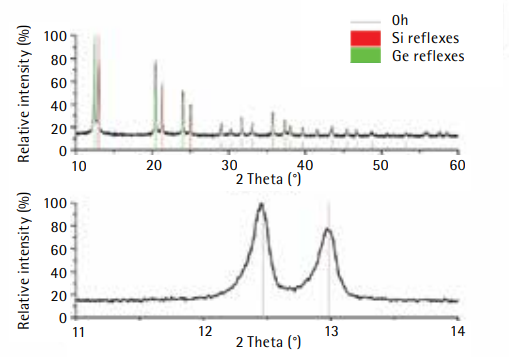
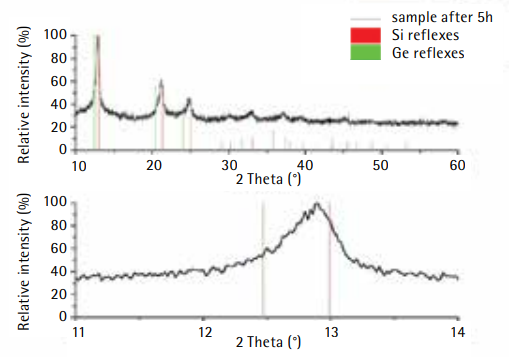
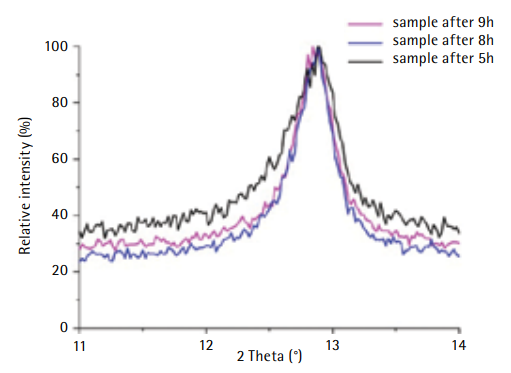
Results presented by Amalia Wagner. Insitute of Inorganic and analytical chemistry, Albert Ludwigs University[1]
Influence on the powder-to-ball ratio on the results obtained by mechanical alloying
For mechanical alloying the approach to ball filling deviates from the conventional one-third rule (1/3 balls, 1/3 sample, 1/3 empty space), due to the frequent need for high acceleration and the occasional scarcity of sample material (educts). The focus shifts towards using a specific mass ratio, which requires consideration of the reactant amount and a clear decision on the mass ratio to be employed. Additionally, the balls' size must be determined to calculate the required quantity of balls, using their specific weight, which varies with size and material. Once the number of balls is ascertained, the required grinding jar size becomes apparent. Given that sample quantity in the jars is usually very small, there's a higher risk of damaging both the balls and the jars, than with adhering to the traditional one-third rule.
A mass ratio (w/w) of 1:10 is commonly used for mechanical alloying but 1:5 or 1:15 are also possible. This means that when 15 g educts are used, 150 g balls are required. As high impact is required, balls >10 mm are very common for mechanical alloying. 150 g = 20 x 10 mm tungsten carbide balls of 7.75 g each. For 20 x 10 mm balls, a minimum jar volume of 50 ml is required, better even 80 ml (see recommended jar fillings on product pages of planetary ball mills).
| Grinding jar nominal volume |
Sample amount | Max. feed size | Ø 5 mm* | Ø 7 mm* | Ø 10 mm* | Ø 15 mm* | Ø 20 mm* | Ø 30 mm* |
|---|---|---|---|---|---|---|---|---|
| 12 ml | up to ≤ 5 ml | < 1 mm | 50 | 15 | 5 | - | - | - |
| 25 ml | up to ≤ 10 ml | < 1 mm | 95 – 100 | 25 – 30 | 10 | - | - | - |
| 50 ml | 5 – 20 ml | < 3 mm | 200 | 50 – 70 | 20 | 7 | 3 – 4 | - |
| 80 ml | 10 – 35 ml | < 4 mm | 250 – 330 | 70 – 120 | 30 – 40 | 12 | 5 | - |
| 125 ml | 15 – 50 ml | < 4 mm | 500 | 110 – 180 | 50 – 60 | 18 | 7 | - |
| 250 ml | 25 – 120 ml | < 6 mm | 1100 – 1200 | 220 – 350 | 100 – 120 | 35 – 45 | 15 | 5 |
| 500 ml | 75 – 220 ml | < 10 mm | 2000 | 440 – 700 | 200 – 230 | 70 | 25 | 8 |
*Recommended ball charge (pieces)
The table shows the recommended charges (in pieces) of differently sized grinding balls in relation to the grinding jar volume, sample amount and maximum feed size.
If the ball-to-powder ratio is too high, the balls cannot move efficiently anymore, reducing the efficiency of the alloying process. To determine the effectiveness of different powder-to-grinding-ball ratios, an experiment was conducted using a 50 ml steel grinding jar and ten 10 mm steel grinding balls. For a 1:10 ratio, 2.09 g of bismuth and 1.91 g of tellurium were used, while a 1:5 ratio involved 4.18 g of Bi and 3.83 g of Te. The materials were processed for 70 minutes at 800 rpm, with cycles of 10 minutes of milling followed by a one-minute break for programmed direction reversal. XRD analysis was performed after the first hour of mechanical alloying. It revealed a shift in the reflexes of Bi and Te towards Bi2Te3, indicating the formation of the alloy. The 1:10 ratio showed a slightly quicker formation of Bi2Te3. The sample with a 1:5 ratio had a higher intensity of tellurium reflex, suggesting more residual tellurium compared to the 1:10 sample. The alloying process continued for three more hours at 1,200 rpm without caking. Previous mechanical alloying of Bi2Te3 in a mixer mill took 6.5 hours at 1,200 rpm. However, using the High Energy Ball Mill Emax, the process was completed in just two to three hours.
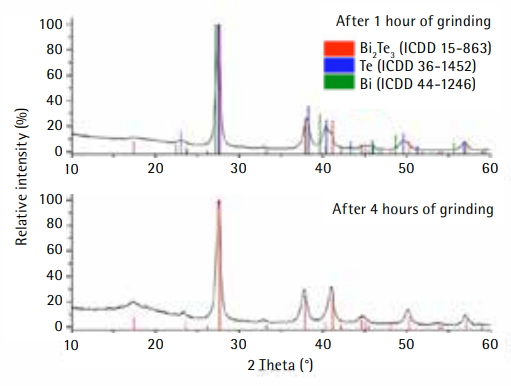
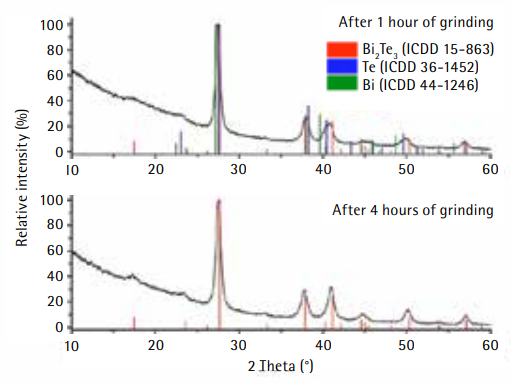
Powder diffractogram after one hour of mechanical alloying Bi and Te in the Emax, powder to ball ratio 1:10 (left), powder to ball ratio 1:5 (right).
Results presented by Uwe Pelz, Institute of Inorganic and analytical chemistry, Albert Ludwigs University [1]
Influence of the material of the grinding tool and the speed of the machine
The influence of the materials used for jars and grinding balls is significant in alloying efficiency. Two key factors are the energy input, which correlates with the material's density, and the material's abrasion resistance. The mill's speed also affects energy input, which increases with the material's density and the mill's speed. High-density materials like tungsten carbide result in greater acceleration of the grinding balls at a given speed, leading to a higher energy impact on the sample and a more effective crushing action. However, for ductile materials, excessive energy can hinder effective alloying processes, causing the sample to form a layer that adheres to the jar and encapsulates the grinding balls, disturbing nanocrystallite formation and complicating sample recovery. Tungsten carbide's high abrasion resistance is advantageous in minimizing wear.
Controlled Atmosphere Milling with Advanced Grinding Jar Design
The EasyFit grinding jars are engineered for demanding conditions, including long-term trials at speeds up to 800 rpm, high mechanical loads, and mechanical alloying. They are compatible with all RETSCH planetary ball mills. The EasyFit series introduces the Advanced Anti-Twist (AAT) feature on the bottom of the 50-500 ml jars, ensuring secure attachment and reduced wear, even at high speeds. The grinding jar range has three diameter categories—12-25 ml, 50-125 ml, and 250-500 ml—with interchangeable lids within the categories. The atmosphere can also influence the success of the mechanical alloying process, more precisely oxygen can lead to formation of metal oxides, so that the metal is less available for the formation of the desired mixed crystals[2].
Aeration lids facilitate inert atmosphere operations, allowing gases like argon or nitrogen to be introduced. They can be customized with different inlays, making them versatile for various jar materials. The Emax jars also support these features.
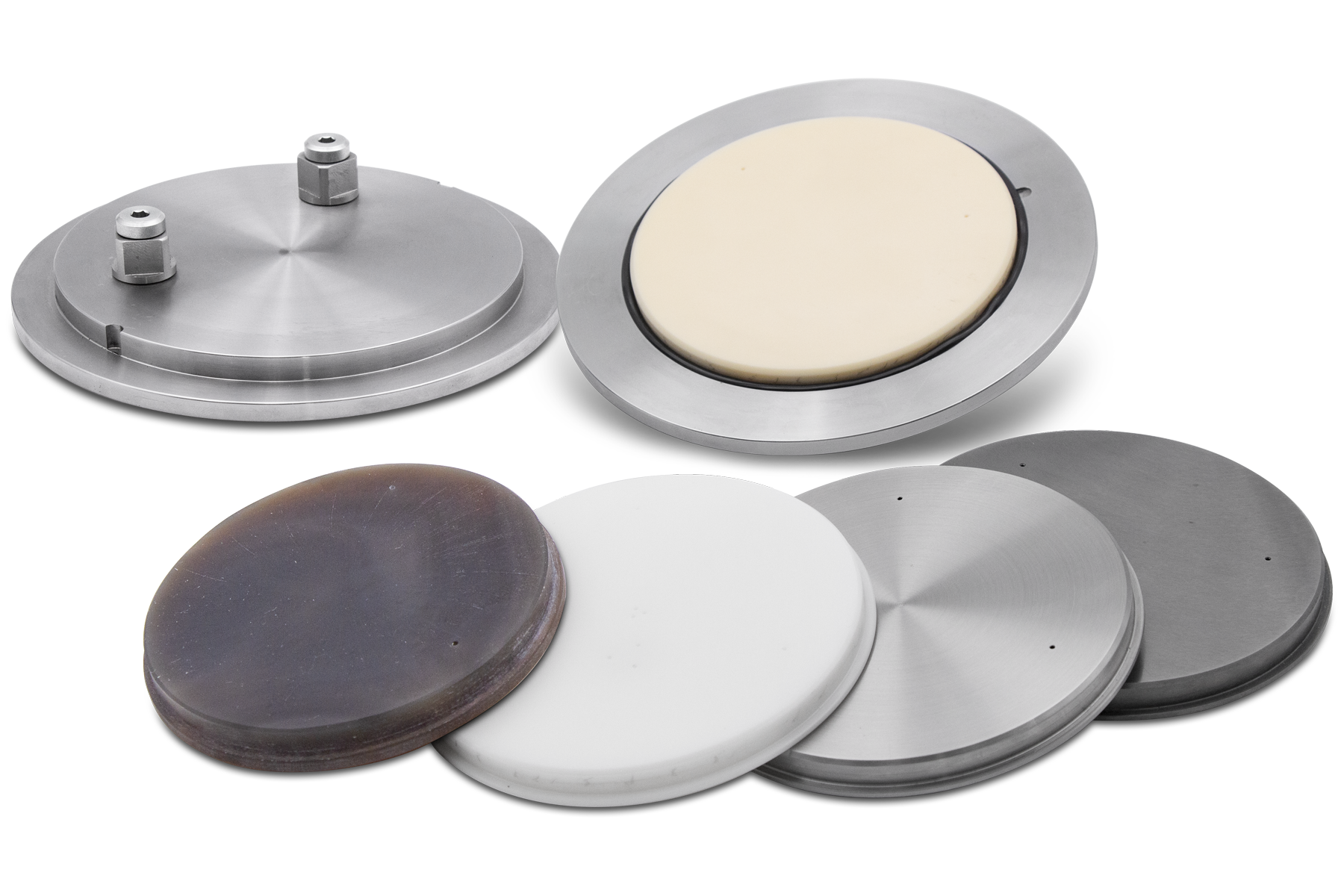
Measuring System GrindControl GrindControl shows what’s happening inside the grinding jar – in real time
GrindControl provides real-time visibility into processes inside the grinding jar. Pressure and temperature are continuously monitored—ensuring safe, precise control, even with sensitive or reactive materials. Respond promptly to unexpected pressure spikes, and keep a close eye on temperature-sensitive samples and even mechanochemical reactions at all times.
GrindControl at a glance
- Real-time data on pressure & temperature
- Early detection of critical conditions
- Precise process control
- Protection of sensitive materials
- Reproducible results
Synthesis of new battery materials
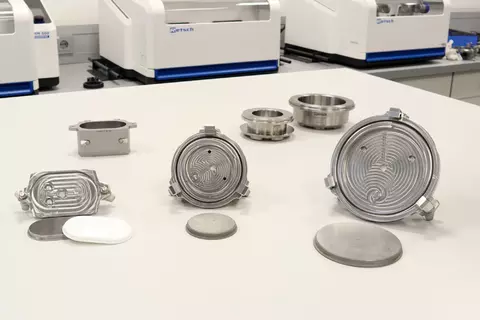
Mechanochemical synthesis has become particularly popular in the field of battery technology, where it is used to produce innovative electrolytes, separators or multiphase composites of high purity or to optimize their microstructure. For example, synthesizing novel solid electrolytes through a solvent-free process or improving their performance and stability. Another application is in environmentally-friendly recycling reactions such as the mechanochemical reduction of cathode material for lithium-ion batteries. All types of ball mills are suitable for mechanical synthesis. The chemicals involved are typically air-sensitive and expensive, so batch processing in small-cavity jars - as available for RETSCH Mixer Mills - is advantageous.
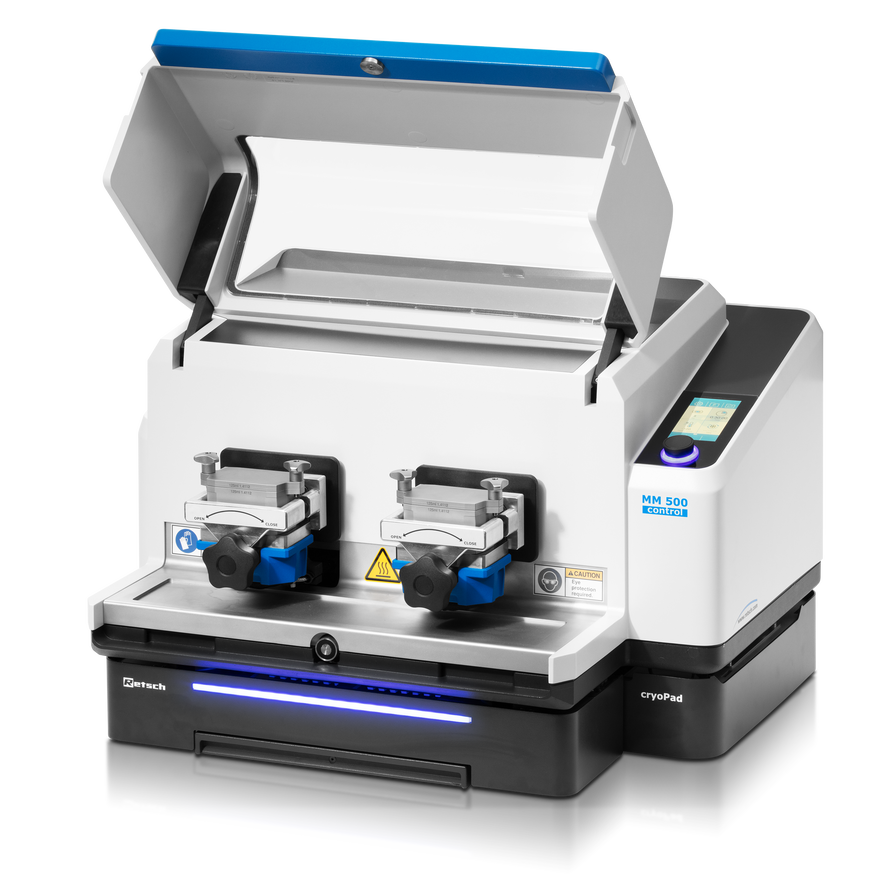
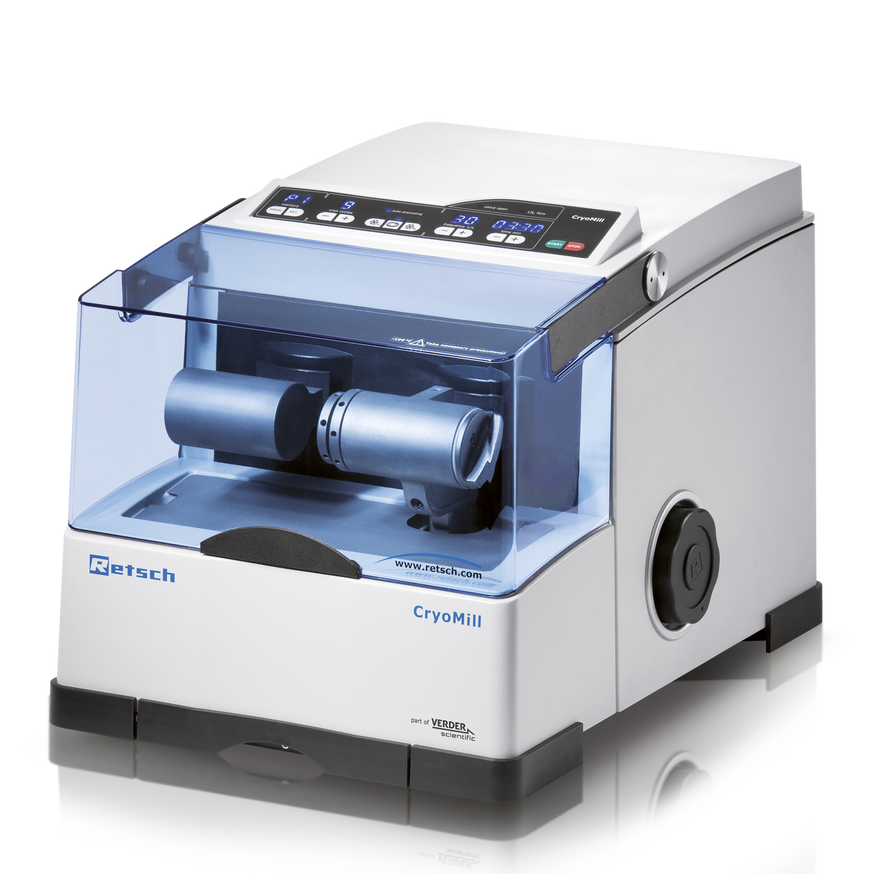
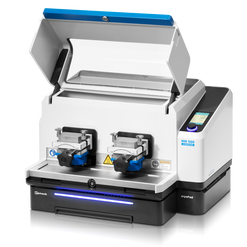
- Sample volumes up to 6 x 20 ml
- Final fineness*: 0.1 µm
- Cell disruption via bead beating
- Grinding by impact and friction

Industries Mechanochemistry
our solutions for your application
Contact us for a free consultation
RETSCH products and services are available via a global network of daughter companies and fully trained distributors. Our staff will be happy to assist with any inquiry you might have.

Mechanical Alloying - FAQ
Which mixer mills are most suitable for mechanical alloying?
Mixer mills used for mechanical alloying have also been described in the literature. Again, mixer mills with high speed (up to 35 Hz) and thus energy input like the MM 500 vario or the MM 500 nano are beneficial. Since temperature control is also of importance for mechanical alloying processes, the CryoMill and the MM 500 control are good options.
Why are planetary ball mills popular for mechanical alloying?
These mills are very versatile in terms of jar sizes (12-500 ml), number of jars which can be used at the same time (up to eight) and the material of the jars. The number and the size of grinding balls allow for testing different conditions in mechanical alloying processes. Finally, the aeration lids allow for grinding at inert atmospheres.
What about the Emay and its benefits for mechanical alloying?
The Emax offers an enormous energy input up to 76 g, which is beneficial for mechanical alloying. Furthermore, the jars can be cooled, allowing for better control of the mechanical alloying process. Aerations lids are available and different jar materials and sizes up to 125 ml.
References
[1] Pictures and experiments by A. Wagner, U. Pelz, Institute of Inorganic and analytical chemistry, Albert Ludwigs University [2] E. Botcharova, M. Heilmaier, L. Schultz: Copper-niobium alloys and a process for their production, German patent DE 102 10 423 C1 [3] Dissertation Ekatarina Bocharova, Faculty of Mechanical Engineering, Dresden University of Technology