






Processing and Activation of Supplementary Cementitious Materials (SCMs): Cement Replacement Materials and Clay Activation Technology
Supplementary cementitious materials (SCMs) are widely used cement replacement materials that substitute part of the limestone or traditional Portland cement clinker in cement and concrete. Using supplementary cementitious materials (SCMs) is one of the most effective levers for reducing CO₂ emissions because clinker production generates large amounts of CO₂: first from the chemical reaction during limestone calcination, and second from the energy demand of the high‑temperature kiln process. By replacing e.g. a portion of clinker with SCMs, less clinker is required, which directly lowers process‑related CO₂ emissions. In addition, many SCMs are industrial by‑products or locally available mineral resources, which can reduce virgin resource consumption and support circular‑economy principles.
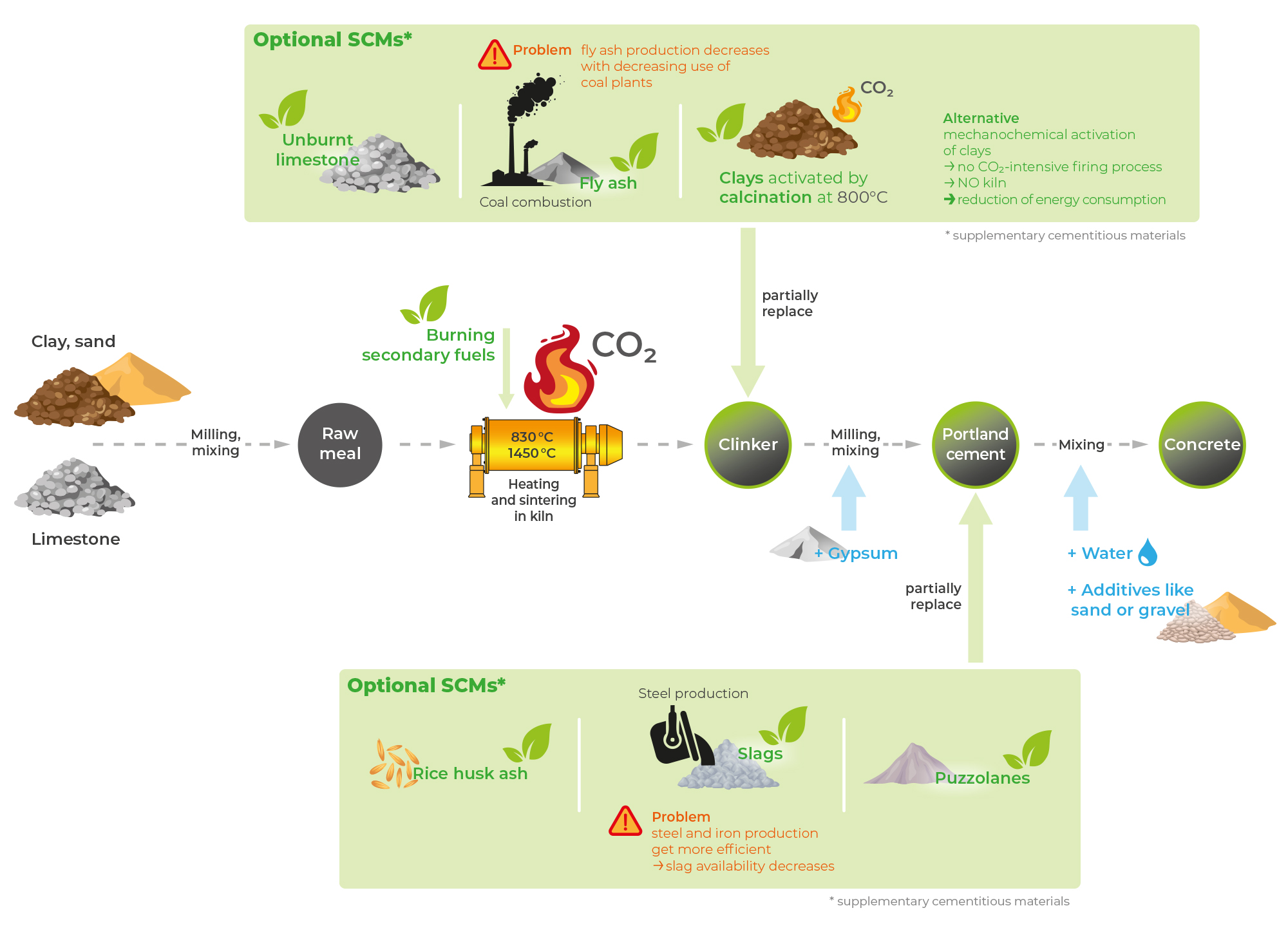
| Alternatywy dla Clinker & Portland Cement |
|---|
| Sea Shells zawierają duże ilości wapna i po zmieleniu mogą być używane podobnie jak niepalony wapień. |
| Pieśń: Ze względu na zmniejszające się wykorzystanie elektrowni węglowych dostępność popiołu latającego stale spada. |
| Calcinowane gliny mogą być kalcynowane w temperaturze 800 °C. Chociaż CO2 jest uwalniany podczas kalcynowania - podobnie jak palenie wapienia - wymagane temperatury są znacznie niższe. |
| Materiały odpadowe z produkcji stali są recyklingowane. Jednak te procesy przemysłowe stają się bardziej wydajne, zmniejszając dostępność ścieków. |
| Ask z odpadów żywnościowych, takich jak skorupy ryżowe, można zastąpić cementem Portland. |
| Odpady z odpadów górniczych mogą nawet zwiększać wytrzymałość cementu w zależności od ich składu. Zaletą jest oszczędność zasobów, ponieważ odpady są ponownie wykorzystywane, np. zamiast naturalnego piasku. |
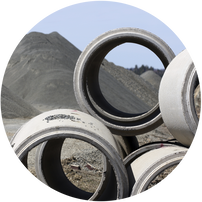
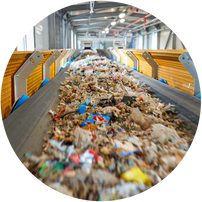
| Odpady ze zniszczeń można przetwarzać (finely ground) i aktywować do użytku na poziomie cementu jako SCM, umożliwiając redukcję klinkera przy jednoczesnym efektywnym recyklingu zasobów mineralnych. |
| Used Glass może być używany jako SCM, surowiec zastępujący kwarc. |
Homogenization of Slags as Supplementary Cementitious Materials (SCMs)
Reliable laboratory characterization of slag based supplementary cementitious materials (SCMs) starts with consistent sample preparation. Slags are often highly inhomogeneous and may contain metallic residues, which is why magnetic components should first be removed before further processing. For crushing and homogenization, jaw crushers are typically used for pre crushing, followed by ball mills or the Cross Beater Mill SK 300 for fine grinding. When selecting the appropriate jaw crusher, the key factors are initial particle size, sample quantity, and the desired final fineness.
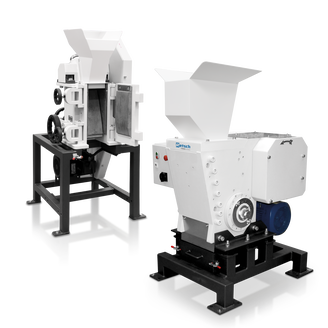
A two step pre crushing approach in the jaw crusher - first using a wide gap and then a narrow gap - is often faster than forcing material directly through a tight gap. Sample pieces up to approximately 20 mm can be efficiently processed in the SK 300, which achieves final fineness levels of about 700 µm and, thanks to its robust design and tungsten carbide baffle plates, is well suited for abrasive materials.
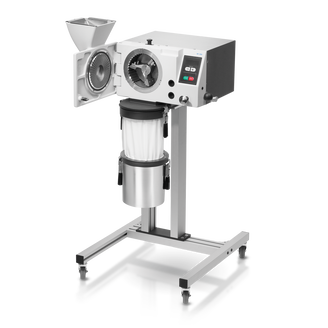
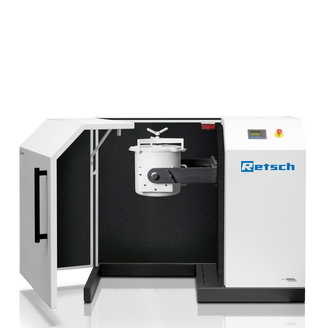
Ball mills are suitable for fine grinding of slag sample pieces up to a maximum of 15 mm. Here again, the choice of mill type and operating parameters depends on initial particle size, sample amount, and target fineness. For small volumes up to 20 ml, the MM 400 is commonly used. For larger batches, the TM 300 can process around 500 g of slag with a particle size of 5 mm to a final fineness of 25 µm within a few hours and, with larger drums, can even handle more than 2 kg of sample.
Slag samples
120mm, 30 kg

BB 300
15 minuta | < 3 µm
15 mm, 250 g

PM 100
5 minuta | < 500 µm
15 mm, 200 g

SK 300
20 minuta | < 700 µm
5 mm, 500 g

TM 300
4 Godzin | < 25 µm
Demolition waste
Demolition waste offers significant potential as an SCM and cement substitute for a more resource-efficient cement industry. Materials such as concrete debris, bricks, ceramics, and mortar contain relevant mineral components; however, without processing they are usually not sufficiently reactive to be used directly as SCMs or cement substitutes. Therefore, impurities must first be removed and the mineral fractions must be selectively processed. Fine grinding significantly increases the specific surface area, which improves the material’s reactivity. At the same time, mechanical activation can disrupt the crystal structure and thereby enhance its suitability as an SCM and cement substitute. If this is not sufficient, the reactivity can be further increased through chemical activation.
It is important to differentiate between material types: crushed concrete often exhibits low natural reactivity and therefore typically requires stronger activation to function as an SCM. In contrast, brick residues may already contain pozzolanically reactive phases due to their fired clay content and are therefore often easier to use as SCMs and cement substitutes; however, they generally still require careful sorting and fine grinding.
In this way, SCMs derived from demolition waste can help replace clinker, reduce CO₂ emissions, and close material cycles in the construction industry.
Betonowe szczątki 12 mm, 45 kg

TM 500
3 Godzin | 100 µm
Betonowe szczątki 4 mm, 200 g

PM 100
20 minuta | 100 µm
Fragmenty cegły 8 mm, 2 kg

TM 300
1 Godzin | 40 µm
Materiał ma tendencję do aglomeracji w RS 200 i blokuje drobne ekrany w SK 300; dlatego zalecane są młyny kulkowe działające przy umiarkowanych prędkościach i dodanie kilku kropli etanolu.
Recycled Glass
Recycled glass can play an important role in the cement industry as an SCM, helping to reduce CO₂ emissions and conserve natural resources. When recycled glass is ground very finely, it forms a glass powder that can develop pozzolanic properties and thus be used as an SCM. Key requirements for its use as an SCM include a high degree of fineness, a suitable chemical composition, and consistent quality of the input material.
In addition to its use as an SCM, recycled glass can also be used as a raw material in clinker production, substituting quartz; however, in this application it only replaces mineral raw materials and is not considered a cement substitute. Another application is its use as an aggregate in concrete.
Recycled glass therefore demonstrates how secondary raw materials can make the cement industry more sustainable and resource efficient. Jaw crushers and, for example, disc vibratory mills are typically used for homogenization.
40 mm, 1 kg

BB 50
2 minuta | 2 mm
50 mm, 100 g

RS 200
10 minuta | 100 µm
Odkryj bardziej ekscytujące rozdziały i skorzystaj z naszej wiedzy specjalistycznej Click on the chapters to explore!

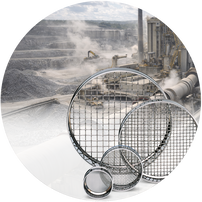
Processing Unburnt Limestone, Seashells, and Pozzolans as Cement Replacement Materials
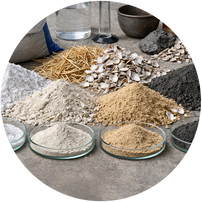
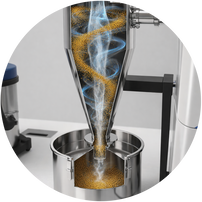
Several mineral cement replacement materials can be processed with standard cement‑lab grinding equipment. Unburnt limestone is ideally processed using jaw crushers followed by ball mills. Seashells also consist mainly of CaCO₃ but are thinner than typical limestone samples and can therefore be efficiently pre‑crushed using cutting mills and finely ground in the Ultra Centrifugal Mill ZM 300; the 6‑disc rotor for cutting mills is suitable for this purpose, and wear‑resistant, tungsten‑carbide‑coated rotors as well as distance sieves can be used in the ZM 300. Softer supplementary cementitious materials e.g. pozzolans or volcanic materials like pumice are likewise processed using rotor mills such as the ZM 300 for volumes up to 5 l or the SR 300 for larger sample quantities. For sieve apertures below 1 mm, cyclones facilitate sample discharge and help prevent dust formation.

Seashells & Puzzolans
50 mm, 100 g

BB 50
1 minuta | 2 mm
80 mm, 1 kg

Pre-crushing SM 200
Fine-grinding ZM 300
3 minuta | 0,3 µm
5 mm, 200 g

SR 300
45 s | < 500 µm
2 mm, 90 g

ZM 300
2,5 minuta | 0,1 mm
Plant‑Based Supplementary Cementitious Materials (SCMs) and Ash‑Derived Cement Replacement Materials
Ash‑derived plant materials - especially those originating from food‑industry waste such as rice husks - can serve as supplementary cementitious materials (SCMs) and cement replacement materials. They can be homogenized in the same way as slags or limestone. The wear resistant SK 300 is particularly suitable for abrasive samples, while for fine grinding below 500 µm, ball mills (for small to medium sample quantities) or drum mills (for larger quantities) are used. The plant‑based raw materials themselves (e.g., rice husks, sunflower‑seed‑hull pellets, or straw residues) must also be analyzed; cutting mills are used for preliminary size reduction, followed by the ZM 300 or, for larger volumes, the SR 300 for fine grinding. For fibrous samples, cyclones should always be considered, as they cool the material, improve sample discharge, and prevent dust formation; slow, steady feeding or the use of distance sieves also helps reduce heat buildup. The DR 100 feeding system enables easier and more consistent sample introduction.
Fineness of the particles in the pellets depends on the type of mill used
If the fiber content of the ground sample needs to be reduced, the sieves in cutting mills or the SR 300 can be installed in reverse orientation, or the rotor speed in rotor mills can be reduced. For XRF analysis, very fine grinding - often below 50 µm - is required; whether ball mills or rotor mills are more suitable depends on the downstream analysis, since ball mills provide finer results but take longer and may generate more metal abrasion [3]. If abrasion is not critical, the general rule for reproducible XRF results is: the finer, the better. [2]

Plant samples
Walnut shells 40 mm, 500 g

SK 300
7,5 minuta | 150 mm
Rice husks 8 mm, 200 g

ZM 300
8 minuta | 0,5 mm
Ash from rice husks 15 mm, 450 g

SK 300
2 minuta | 1 mm
Sunflower seed husk pellets 30 mm, 500 g

ZM 300
15 minuta | 0,5 mm
Straw 20 mm, 300 g

SR 300
7 minuta | < 200 µm
Mechanochemistry Meets Cement:
Clay Calcination Alternatives and Activation Technology for Clays
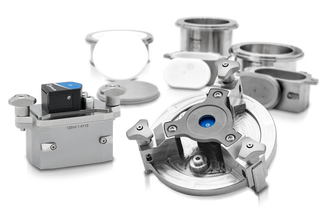
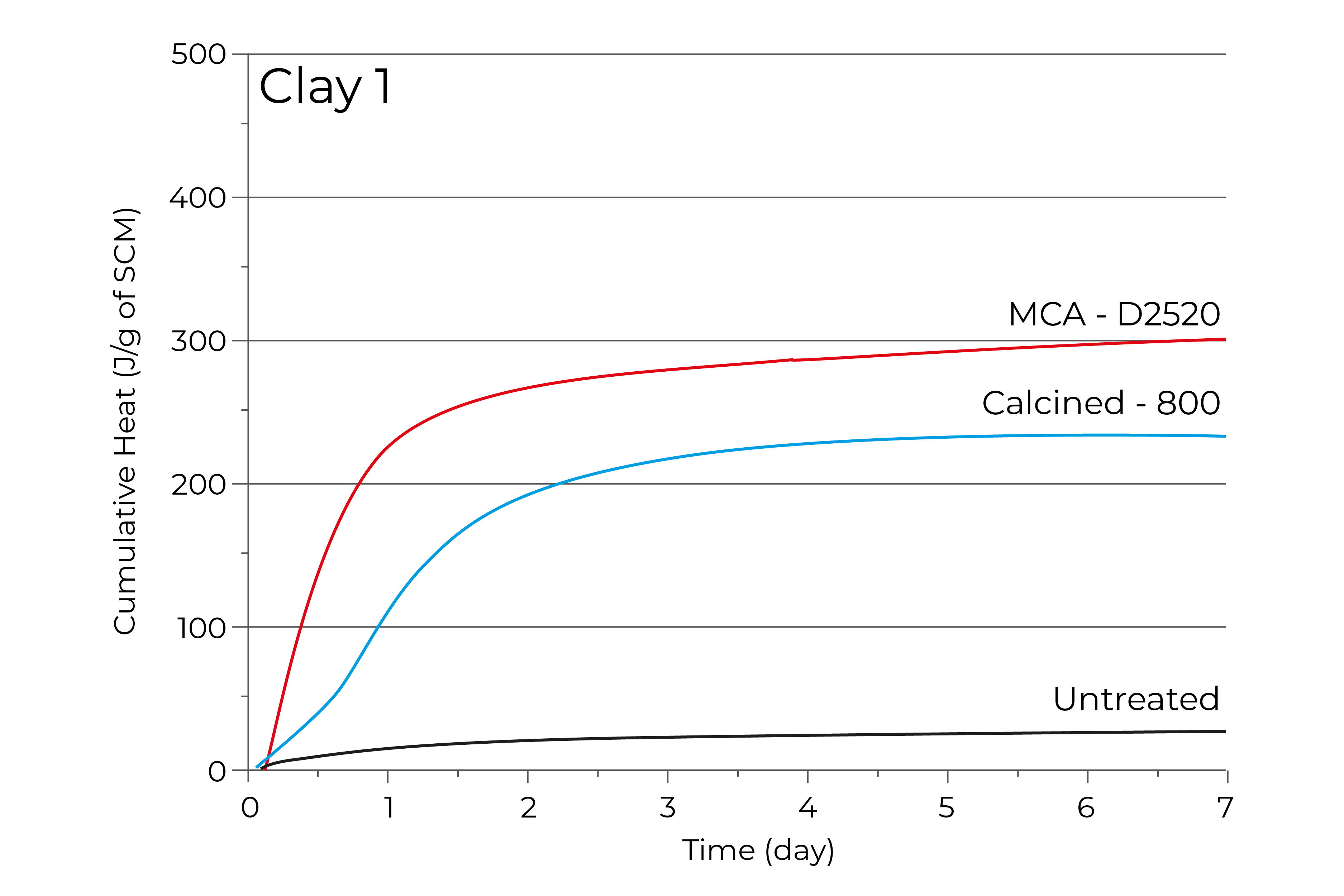
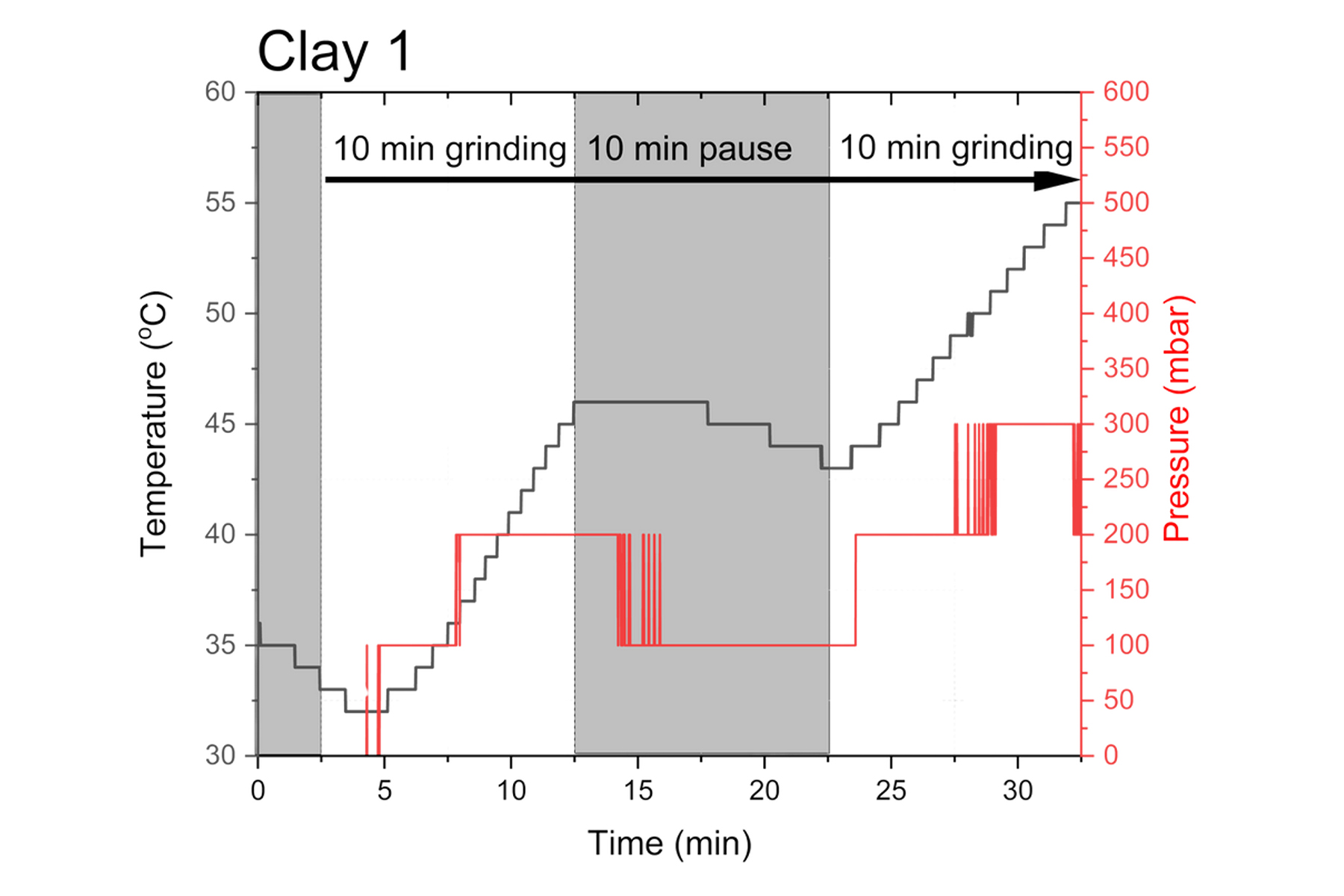
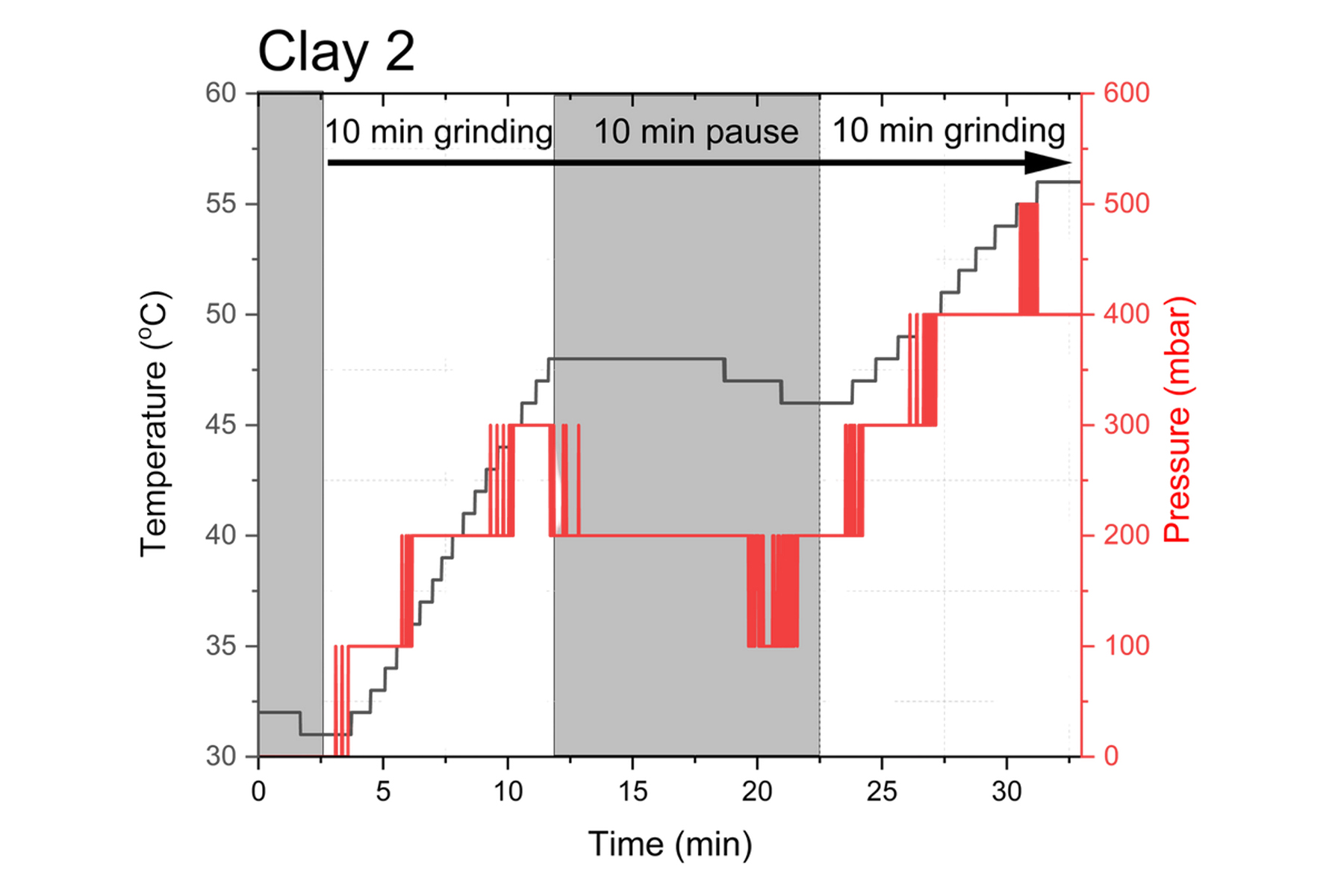
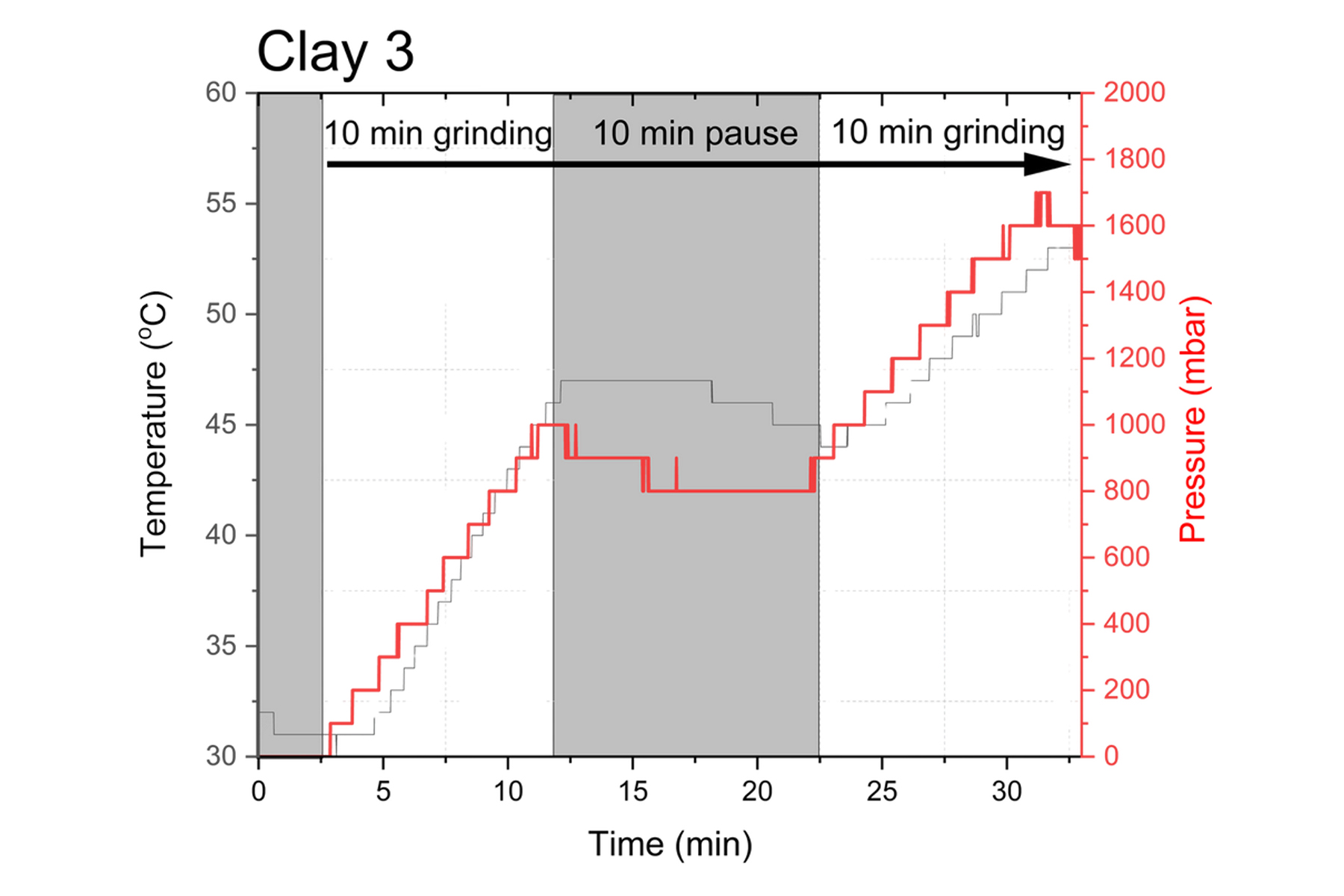
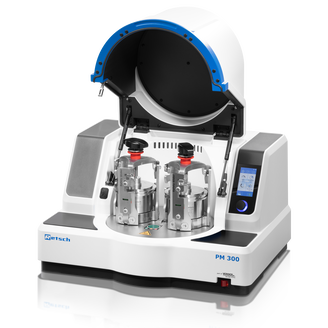
Aktywowane gliny należą do najbardziej obiecujących dodatków mineralnych do cementu (SCM), ponieważ są powszechnie dostępne na całym świecie, mogą być pozyskiwane lokalnie i umożliwiają znaczną redukcję udziału klinkieru. Tradycyjnie reaktywne gliny wytwarza się poprzez kalcynację, jednak aktywacja mechanochemiczna jest rozwijającą się technologią, która w określonych zastosowaniach może stanowić atrakcyjną alternatywę. Aktywacja mechanochemiczna glin — szczególnie z wykorzystaniem młynów kulowych, takich jak PM 100 lub PM 300 — polega na wykorzystaniu energii mechanicznej do modyfikacji struktury krystalicznej, inicjowania amorfizacji oraz zwiększenia reaktywności, co pozwala na wykorzystanie szerokiego zakresu lokalnych typów glin jako materiałów zastępujących cement. Młyny PM 100 i PM 300 są optymalnie przystosowane do realizacji tego procesu w skali laboratoryjnej i półtechnicznej. Badania pokazują, że gliny aktywowane mechanicznie są drobniejsze, mają zmodyfikowaną strukturę oraz wykazują wyższą reaktywność chemiczną niż gliny kalcynowane, szczególnie w przypadku materiałów o wysokiej zawartości miki. Kluczowym elementem kontroli procesu aktywacji jest system GrindControl, który umożliwia ciągły pomiar temperatury i ciśnienia wewnątrz naczynia mielącego, pomaga zapobiegać przegrzewaniu oraz dostarcza istotnych informacji na temat przebiegu reakcji mechanochemicznych. Czujniki są kompatybilne z różnymi pojemnościami naczyń mielących. Podczas aktywacji glin obserwuje się znaczący wzrost temperatury i ciśnienia, co wskazuje na wydzielanie gazów oraz przemiany mineralne; monitorowanie tych parametrów jest kluczowe dla kontroli reaktywności oraz zapewnienia stałej jakości produktu SCM. Uzyskane dane mogą również wspierać wnioskowanie na temat składu glin — na przykład materiały o wyższej zawartości dolomitu generują wyższe ciśnienie w wyniku wydzielania CO₂ [1].

Reactivity of different clays after thermal and mechanical activation; GrindControl pressure increase reflects dolomite content
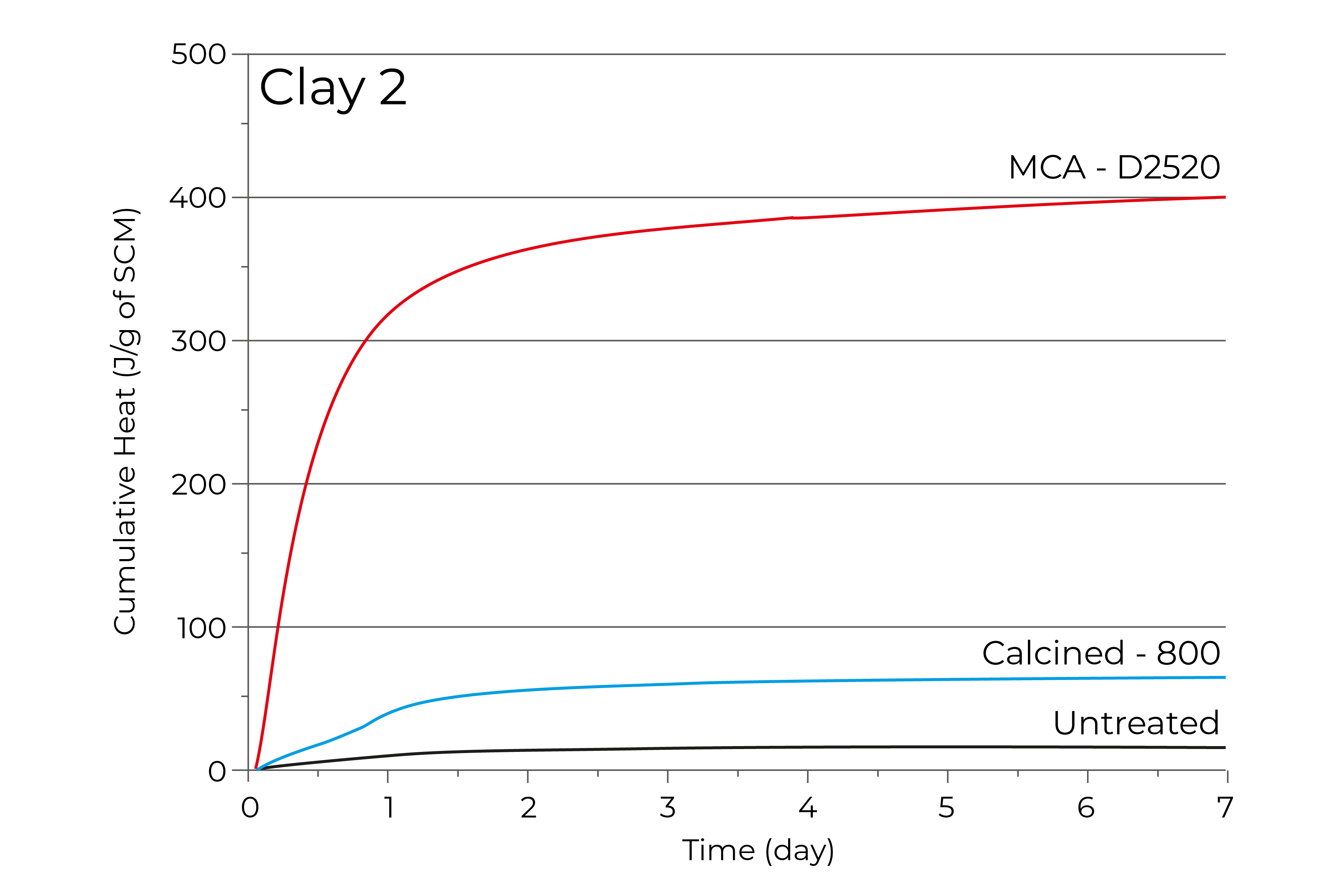
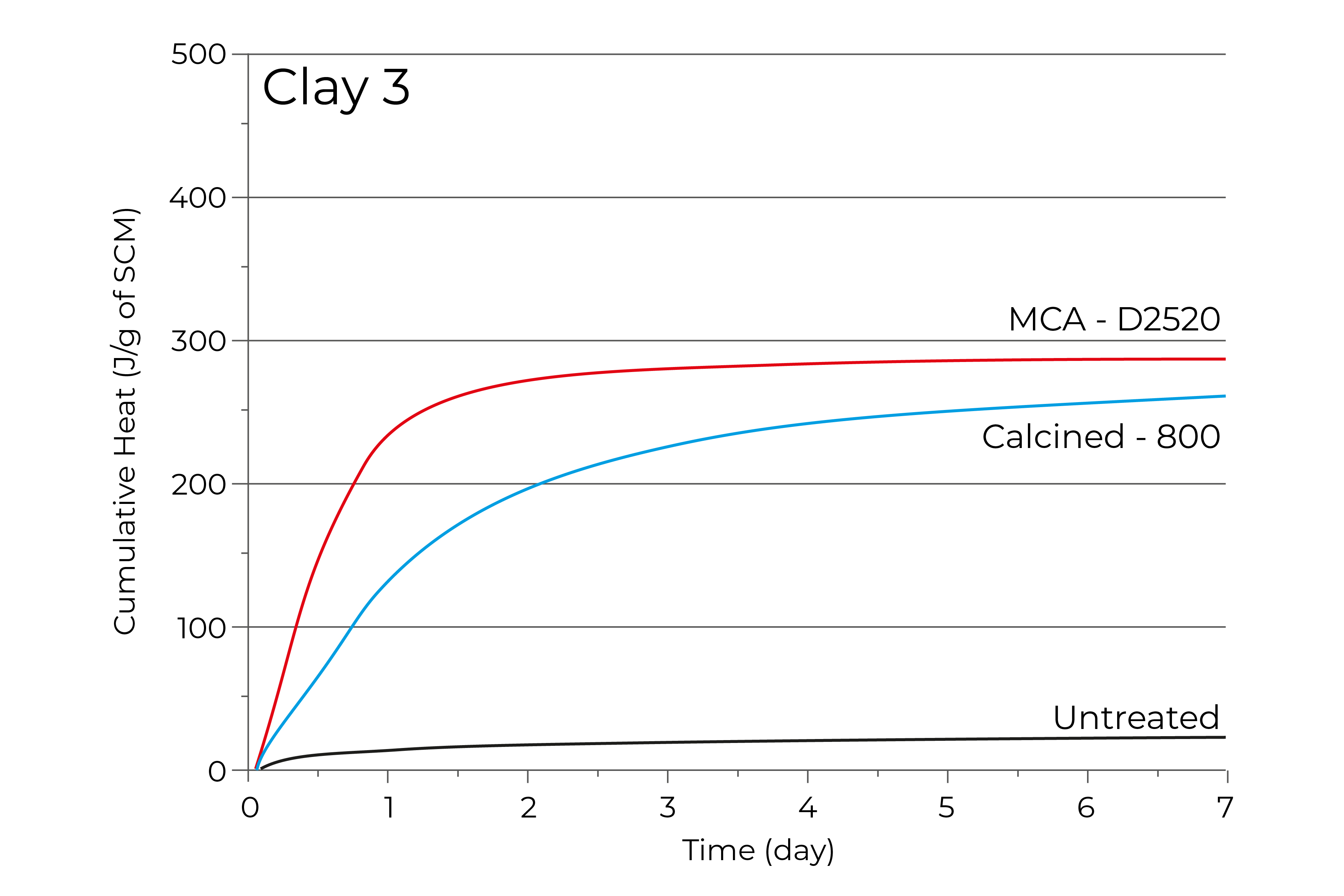
A study [2] examines how energy input during mechanochemical activation influences the chemical reactivity of clays, with a focus on planetary ball mills. The planetary ball mill is a preferred laboratory tool because it enables precise adjustment of key parameters such as rotational speed, ball to powder ratio, and milling duration. By analyzing nearly 100 data points, the researchers identified a strong correlation between energy input and resulting clay reactivity. Chemical reactivity increases rapidly with rising energy input up to about 100 kJ/g, while further increases show only minor additional effects. In practical terms, the PM 300 planetary ball mill - operated at high speeds such as 850 rpm - offers significant advantages by maximizing energy input and accelerating the activation process for clay based supplementary cementitious materials (SCMs).
W projekcie eksperymentu na Uniwersytecie w Bath testowano różne warunki frezowania w młynach Planetary Ball, aby ocenić najlepszą konfigurację parametrów dla maksymalnej aktywacji gliny przy minimalnym zużyciu energii. Wydaje się, że korzystne są wyższe proporcje kulki do proszku 25 wraz z większą prędkością co najmniej 600 obr./min. W zaledwie 20 min osiągnięto niezwykłą reaktywność przy najniższym zużyciu energii zaledwie 0,22 kWh (rezultaty za zgodą dr Ildy Tole).
Interesujące jest również, że Młyn do dysku wibracyjnego RS 200 może być używany do aktywacji gliny, chociaż w nieco niższych prędkościach aktywacji. Tutaj okazało się korzystne, jeśli poziom wypełnienia nie jest zbyt wysoki – próbka 40 g była optymalna. Ponownie, wyższa prędkość 1400 obr./min wydaje się być korzystna. Czas i zużycie energii były w tym samym zakresie, co w przypadku Planetary Ball Mills.

Skontaktuj się z nami w celu uzyskania bezpłatnej konsultacji
Produkty RETSCH są dostępne oraz serwisowane dzięki międzynarodowej sieci naszych spółek córek oraz gruntownie przeszkolonych firm dystrybucyjnych. Nasi pracownicy z przyjemnością pomogą w związku z każdym zapytaniem dotyczącym sprzętu Retsch.

Processing and Activation of Supplementary Cementitious Materials (SCMs): Cement Replacement Materials and Clay Activation Technology - FAQ (często zadawane pytania)
What are supplementary cementitious materials (SCMs)?
Supplementary cementitious materials (SCMs) are cement replacement materials that substitute a portion of limestone and/or traditional Portland cement clinker in cement and concrete.
Why do supplementary cementitious materials (SCMs) help reduce CO₂ emissions?
They reduce the amount of clinker required. Clinker production is CO₂‑intensive due to the calcination reaction of limestone and the high energy demand of the kiln process, so replacing clinker with SCMs directly lowers process‑related emissions and can support circular‑economy resource use.
Which materials can be used as SCMs and what affects their availability?
Examples include slags, fly ash, pozzolans/volcanic rocks (e.g., pumice), unburnt limestone, seashells (CaCO₃‑rich), ash from food‑industry waste such as rice husks, calcined clays, and mining tailings. Availability can change with industrial trends - for example, more efficient steel production can reduce slag availability, and reduced coal power generation can limit fly ash supply.
How does clay activation work, and how is it different from clay calcination?
Tradycyjnie reaktywne gliny są wytwarzane poprzez kalcynację w temperaturze 800°C, natomiast aktywacja mechanochemiczna jest technologią zwiększającą reaktywność glin poprzez ich mielenie (np. w planetarnych młynach kulowych PM 100 lub PM 300). Energia mechaniczna modyfikuje strukturę krystaliczną, sprzyja amorfizacji oraz może umożliwić wykorzystanie szerszego zakresu lokalnych glin. Kontrola procesu może być wspierana przez system GrindControl (monitorowanie temperatury i ciśnienia).
Referencje
1] Tole, I., Delogu, F., Qoku, E., Habermehl-Cwirzen, K., & Cwirzen, A. (2022). Enhancement of the pozzolanic activity of natural clays by mechanochemical activation. Construction and Building Materials, 352, 128739.
[2] Alastair T.M. Marsh, Sreejith Krishnan, Suraj Rahmon, Sisan A. Bernal and Xinyuan Ke; Relationsship between milling input energy and chemical reactivity for mechanochemical activation of clays; Royal Society of Chemistry 2025, DOI: 10.1039/d5mr00088b
[3] Permission for picture usage by Rigaku Europe SE