





失敗なく比較可能な分析結果を得れるかは、試料をいかに精密に扱えるかで決まります。再現性の高い試料作成が分析の結果を左右します。回転チューブディバイダ PT 200は、バルク材の縮分に極めて効果的です。ホコリをたてず大量のバルク材を縮分できます。人による誤差を排除した精密な縮分でサンプリングされた試料こそが、再現性のある正確な分析の必須条件です。
長所
- 大量の試料でも精密な縮分
- モジュール構造
- 縮分比率調整可能
- サンプル捕集数は1~3から選択
- 取り外しがスムーズなサンプル捕集口と締め付けが簡単なボトムコーン
- バッチ式でも連続でも可能
- 回転速度を一定に保持
- シンクロしたDR100から自動試料供給
- DIN51701に準拠した縮分
アプリケーション例
セメントクリンカー, 化学物質, コーヒー, 建設材料, 肥料, 充てん材, 小麦粉, 穀物, 鉄粉, 鉱物, ナッツ類, 砂 , 種子, 土壌, 粉末洗剤,..
機能
試料供給機のホッパーに投入された試料はシュートを伝って、50rpmの定速で回転するコーンに供給されます。ボトムコーンのサンプル捕集口は、1、2及び3個のものがあり、捕集口のスロットの幅を調整ことで分割比率を変えることができます。アッパーコーン内のチューブが回転するので、試料を捕集口からサンプリングし、残りは30Lの排出試料容器に回収されます。
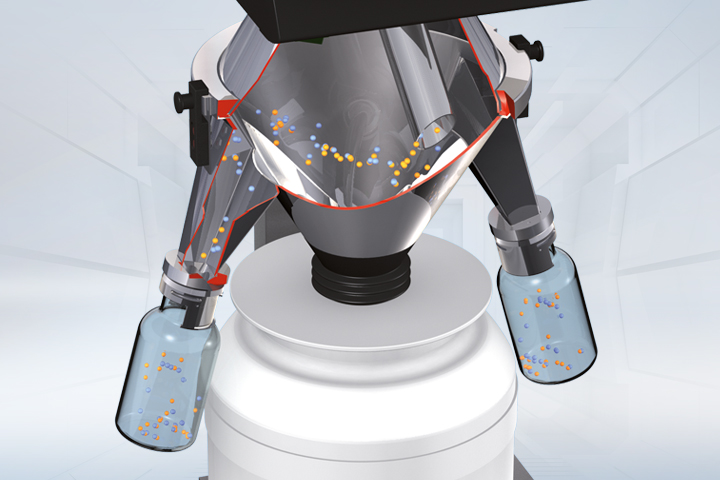
回転チューブディバイダ PT 200 製品仕様
| 製品選択ガイド | サンプリング、および試料分割 |
|---|---|
| 分野 | 農業、生物学、化学・プラスチック、建築材料、工学・エレクトロニクス、環境・リサイクル、食品、地質・金属、ガラス・セラミックス、医学・薬学 |
| 投入試料の性質 | バルク材 |
| 投入粒径* | <= 10 mm |
| 回転数 | 50 rpm |
| 採取サンプル数 | 1 / 2 / 3 (ボトムコーンの数による) |
| 時間設定 | デジタル式, 1, 3, 5, 10 - 60 分 / 連続運動 |
| スロット幅, 無段階調節可 | 0 - 159 mm (サンプル捕集数1) 0 - 110 mm (サンプル捕集数2 ) 0 - 53 mm (サンプル捕集数3 ) |
| 最大分割比率 | 1 x 1:5 (1試料排出) 2 x 1:7,2 (2試料排出) 3 x 1:15 (3試料排出) |
| 最小分割比率* | 1 x 1:26 (サンプル捕集数1 ) 2 x 1:26 (サンプル捕集数2) 3 x 1:26 (サンプル捕集数3) |
| 排出試料容器容量 | 26 L |
| 捕集ビン容量 | 250ml / 500ml |
| 電圧 | 100-240 V, 50/60Hz |
| 電源 | 単相 |
| W x H x D | 520 x 1050 x 551 mm / 572mm x 1307 x 551 incl. DR 100 |
| 本体重量 | ~ 46 kg (incl. DR 100) |
| 規格 | CE |
回転チューブディバイダ PT 200 資料ダウンロード
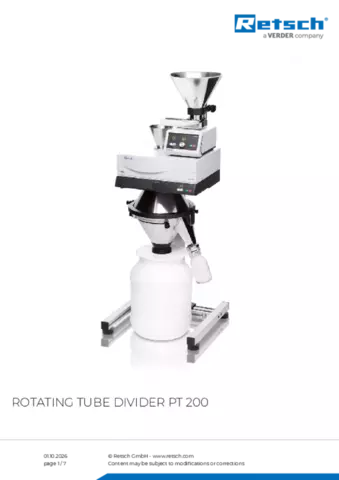
Product data sheet PT 200
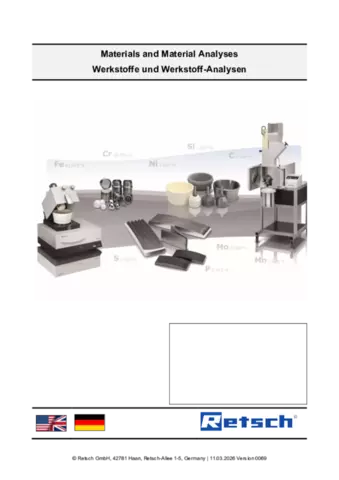
Material Analyses of Equipment & Accessories
How does the material of a grinding tool affect sample preparation and the analysis results? This document provides a detailed overview of the materials used by RETSCH and their properties.
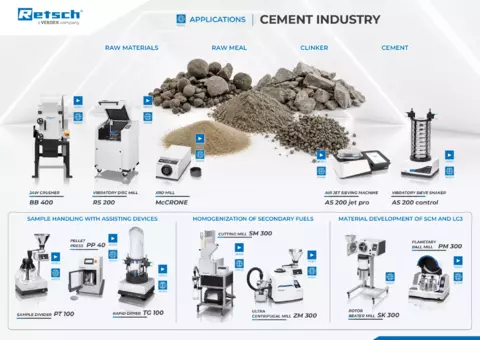

New Solutions for Cement and Concrete
The cement and concrete industry is one of the key pillars of the global construction sector. Without cement, there would be no stable buildings, roads, or bridges: it is the binding agent of modern infrastructure. Every year, billions of tons of cement are produced worldwide to meet the growing demand for housing, transportation networks, and industrial facilities. The industry is characterized by stringent quality requirements, complex chemical processes, and continuous development toward more sustainable and energy‑efficient material technologies.