





リサイクルと廃棄物管理
リサイクルの対象は、バッテリー、建築廃材、バイオ廃棄物など、日常的に発生する廃棄物全般である。さまざまな材料を再利用するためには、多くの場合、粉砕して均質化する必要がある。例えば、使用済みのボトルから粉砕したガラスの粒子を使えば、新しいボトルや美術品を作ることができる。また、繊維や革を破砕し、その粉を新しい家具のカバーに使うこともできる。粉砕された材料を使用するにもかかわらず、例えば建設廃材に含まれるアスベストや電子廃棄物に含まれる有毒成分のような有害物質が再利用されないことを保証するための品質管理が必要である;

ウェビナーシリーズリサイクルと廃棄物管理
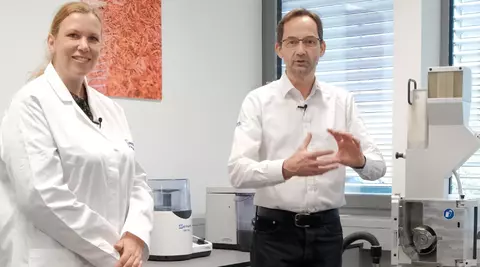
ガラス、建築廃材、バッテリー、繊維製品、その他の素材が、精密な予備粉砕とサイズダウン、均質化、品質管理を通じて、再利用のためにどのように処理されるかを、専門的かつ効率的にご紹介します。
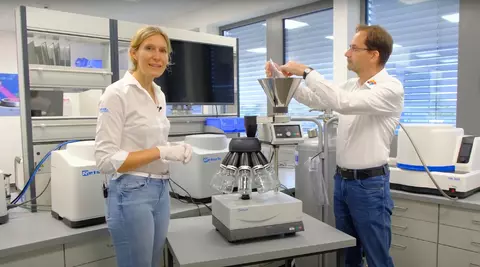
ポリマーとプラスチック
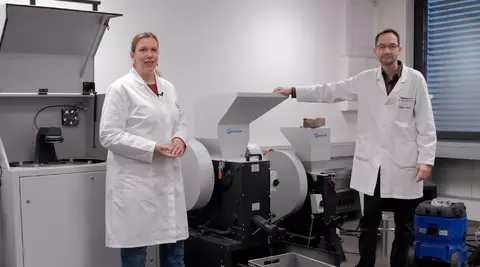
建設資材と鉱山廃棄物
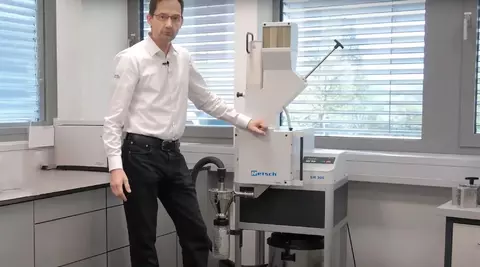
使用済みバッテリー、金属、電子機器スクラップ
繊維、皮革、紙、有機廃棄物
リサイクルの利点
多様な素材をリサイクルすることは、廃棄物を埋め立てたり焼却したりするのではなく、回収して再利用することである。これらの素材は加工され、新たなプロジェクトに再利用される。新たな原材料の需要を減らすことで、木材生産用の森林や皮革生産用の動物の皮などの天然資源を保護する。このプロセスはまた、分解や焼却による温室効果ガスの排出を削減し、新しい材料の生産に伴うエネルギー消費を削減することで、環境への影響を最小限に抑えます。さらに、リサイクルはプロセス全体のコストを下げることができる。例えば、アルミニウムをリサイクルすることで、原料からアルミニウムを抽出する場合に比べ、必要なエネルギーを最大90%削減することができる。原材料を得るために必要な鉱山も少なくて済むため、環境汚染も少なくなります。電子廃棄物を再利用し、品質管理を徹底することで、環境を汚染する有害物質も少なくなる。
また、リサイクル工程では、原材料を使用するよりも少ない水で済むため、水の節約にもなる。例えば、再生紙1トンあたり、数千リットルの水、数千キロワット時の電力、10本以上の木を節約することができる。下水汚泥、食品、庭くず、農業残渣などの有機廃棄物をリサイクルすると、堆肥やバイオガスのような貴重な資源に生まれ変わる。このプロセスは、有機廃棄物が嫌気的に分解され、強力な温室効果ガスであるメタンを生成する埋立地から有機廃棄物を転換することで、廃棄物管理戦略において極めて重要である。技術の進歩は、金、銀、銅、希土類元素のような微量の金属を含め、以前は経済的に回収不可能であった貴重な鉱物の抽出を可能にした。

レッチェの機器は、リサイクルの分野で幅広く使用されている:
- 品質管理と加工。品質管理プロセスも再利用プロセスも、分析または更なる用途のために材料を準備するための予備粉砕とサイズダウンから始まります。この段階でレッチェは、これらの作業に不可欠な機械の幅広いセレクションを提供しています。より見やすくするために、QC/加工のセクションをリサイクル材料別に分けています。ふるい分け、分別、ペレットプレスはこの章に属します。
- 研究開発において、メカノケミカルメソッドは、プラスチック、植物、食品残渣などの廃棄物のリサイクルに新たな道を提供し、レッチェボールミルはこれらの新しいプロセスで重要な役割を果たしています。
- レッチェは、二次燃料や土壌浄化などの廃棄物管理用の装置も提供しています。
リサイクルを通じたサステナビリティ
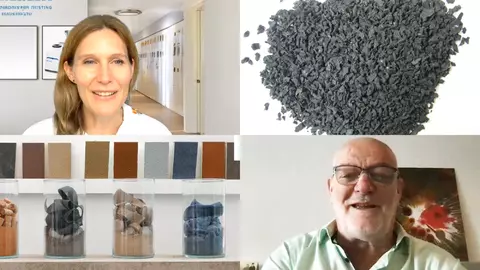
このインタビューでは、CoolooのCEOが、循環型経済をサポートするために、レッチェの器具を含む革新的な技術を使用して、どのように廃棄物を貴重な資源に変換するかを共有しています。
リサイクル原料の粉砕:
リサイクルや分解を必要とする固形廃棄物の性質は多様であるため、レッチェの破砕機や粉砕機は様々なリサイクル方法に採用されています。固形廃棄物はさまざまなグループに分類され、それぞれに独自の課題と機会があります。
鉱物資源


特殊用途

バイオベース材料

エンジニアド・マテリアルズ & リサイクル品
リサイクルとサステナビリティ | VERDER SCIENTIFIC
測定システム GrindControl GrindControl shows what’s happening inside the grinding jar – in real time
GrindControl provides real-time visibility into processes inside the grinding jar. Pressure and temperature are continuously monitored—ensuring safe, precise control, even with sensitive or reactive materials. Respond promptly to unexpected pressure spikes, and keep a close eye on temperature-sensitive samples and even mechanochemical reactions at all times.
GrindControl at a glance
- Real-time data on pressure & temperature
- Early detection of critical conditions
- Precise process control
- Protection of sensitive materials
- Reproducible results
無料相談のお問い合わせ
レッチェは、品質管理、サンプル前処理から革新的なメカノケミカル手法まで、リサイクルプロセスのための包括的な機器ポートフォリオを提供しています。前粉砕、ふるい分け、ペレタイジング、あるいは持続可能なリサイクルソリューションのためのボールミルなど:
当社のグローバルネットワークと専門家が、お客様一人ひとりに合ったアドバイスを提供いたします。Contact us and work with our specialists to find the best solution for your application!

アプリケーションレポート
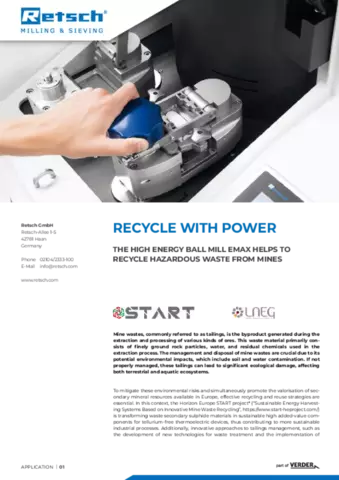
Recycling hazardous waste from mines
Mine wastes, commonly referred to as tailings, is the byproduct generated during the extraction and processing of various kinds of ores. This waste material primarily consists of finely ground rock particles, water, and residual chemicals used in the extraction process. The management and disposal of mine wastes are crucial due to its potential environmental impacts, which include soil and water contamination. If not properly managed, these tailings can lead to significant ecological damage, affecting both terrestrial and aquatic ecosystems.
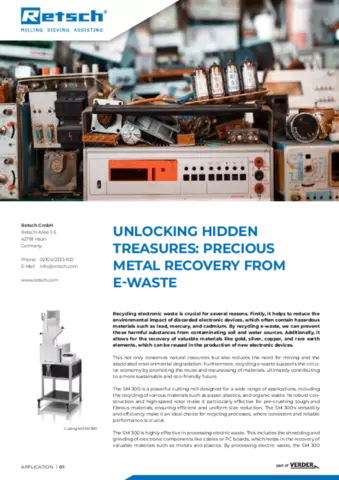
Precious metal recovery from E-Waste
Recycling electronic waste is crucial for several reasons. Firstly, it helps to reduce the environmental impact of discarded electronic devices, which often contain hazardous materials such as lead, mercury, and cadmium. By recycling e-waste, we can prevent these harmful substances from contaminating soil and water sources. Additionally, it allows for the recovery of valuable materials like gold, silver, copper, and rare earth elements, which can be reused in the production of new electronic devices.
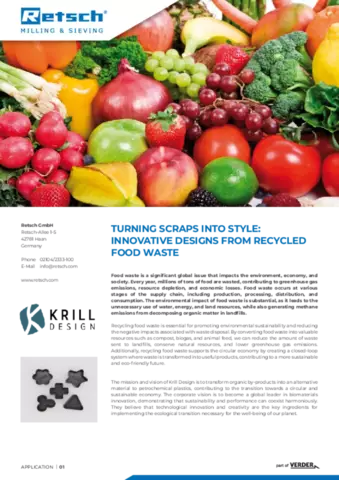
Innovative designs from recycled food waste
Food waste is a significant global issue that impacts the environment, economy, and society. Every year, millions of tons of food are wasted, contributing to greenhouse gas emissions, resource depletion, and economic losses. Food waste occurs at various stages of the supply chain, including production, processing, distribution, and consumption. The environmental impact of food waste is substantial, as it leads to the unnecessary use of water, energy, and land resources, while also generating methane emissions from decomposing organic matter in landfills.
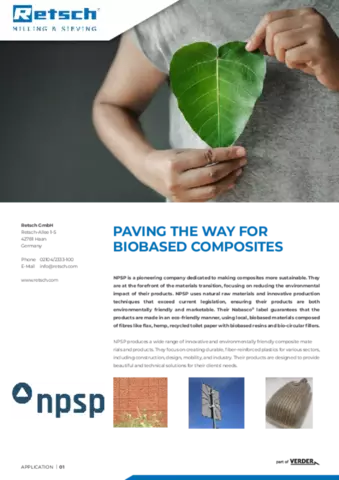
Paving the way for biobased composites
NPSP is a pioneering company dedicated to making composites more sustainable. They are at the forefront of the materials transition, focusing on reducing the environmental impact of their products. NPSP uses natural raw materials and innovative production techniques that exceed current legislation, ensuring their products are both environmentally friendly and marketable. Their Nabasco® label guarantees that the products are made in an eco-friendly manner, using local, biobased materials composed of fibres like flax, hemp, recycled toilet paper with biobased resins and bio-circular fillers.
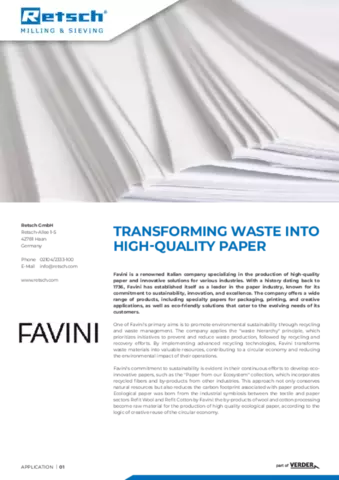
Transforming waste into high-quality paper
Favini is a renowned Italian company specializing in the production of high-quality paper and innovative solutions for various industries. With a history dating back to 1736, Favini has established itself as a leader in the paper industry, known for its commitment to sustainability, innovation, and excellence. The company offers a wide range of products, including specialty papers for packaging, printing, and creative applications, as well as eco-friendly solutions that cater to the evolving needs of its customers.
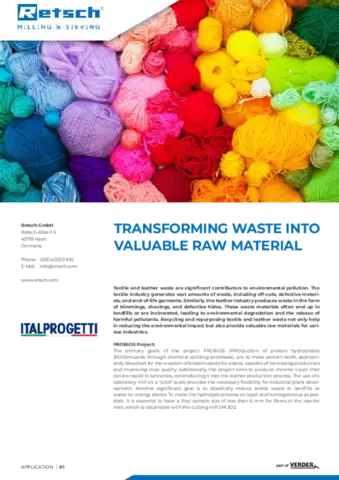
Transforming waste into valuable raw material
Textile and leather waste are significant contributors to environmental pollution. The textile industry generates vast amounts of waste, including off-cuts, defective materials, and end-of-life garments. Similarly, the leather industry produces waste in the form of trimmings, shavings, and defective hides. These waste materials often end up in landfills or are incinerated, leading to environmental degradation and the release of harmful pollutants. Recycling and repurposing textile and leather waste not only help in reducing the environmental impact but also provide valuable raw materials for various industries.
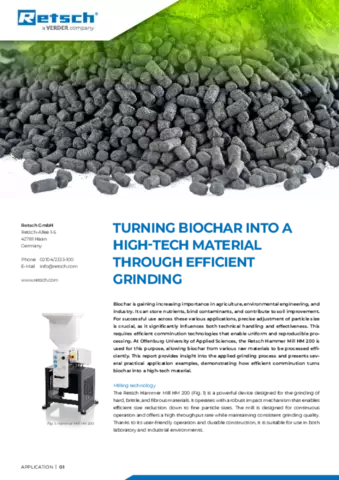
Turning Biochar into a high-tech material through efficient grinding
Biochar is gaining increasing importance in agriculture, environmental engineering, and industry. It can store nutrients, bind contaminants, and contribute to soil improvement. For successful use across these various applications, precise adjustment of particle size is crucial, as it significantly influences both technical handling and effectiveness. This requires efficient comminution technologies that enable uniform and reproducible processing. At Offenburg University of Applied Sciences, the Retsch Hammer Mill HM 200 is used for this purpose, allowing biochar from various raw materials to be processed efficiently. This report provides insight into the applied grinding process and presents several practical application examples, demonstrating how efficient comminution turns biochar into a high-tech material.