




Engineered Materials & Recyclables
Metals
There are two main categories of metals that are recycled: ferrous metals, which contain iron and steel, and non-ferrous metals, which contain aluminum, copper, lead, zinc, and tin, as well as precious metals like gold and silver. Grinding and crushing of metal samples can be challenging due to their high ductility and abrasiveness – the risk of damaging a mill needs to be considered. Normally melting is the most common method of recycling metals, but sometimes mechanical crushing is required or is the better choice. To shred materials consisting of thin foil like tin or aluminum cans, a cutting mill like the SM 300 is suitable. Bottom sieves with apertures sized 4 to 20 mm are typically used. The resulting flakes have a particle size of approximately 5 mm. Employing a 6-disc rotor, which proves to be more durable than a parallel section rotor, has shown to be advantageous.
Hard and brittle materials such as metal alloys, tungsten carbide or brittle mixtures of different metallic elements are submitted to primary size reduction in a jaw crusher, with the BB 500 model being particularly suitable. Finer grinding can follow in a Cross-Beater Mill SK 300 or a Vibratory Disc Mill RS 200 where grind sizes below 200 µm can be obtained. However, as these samples are commonly strongly abrasive, this will also lead to abrasion in the machines used.
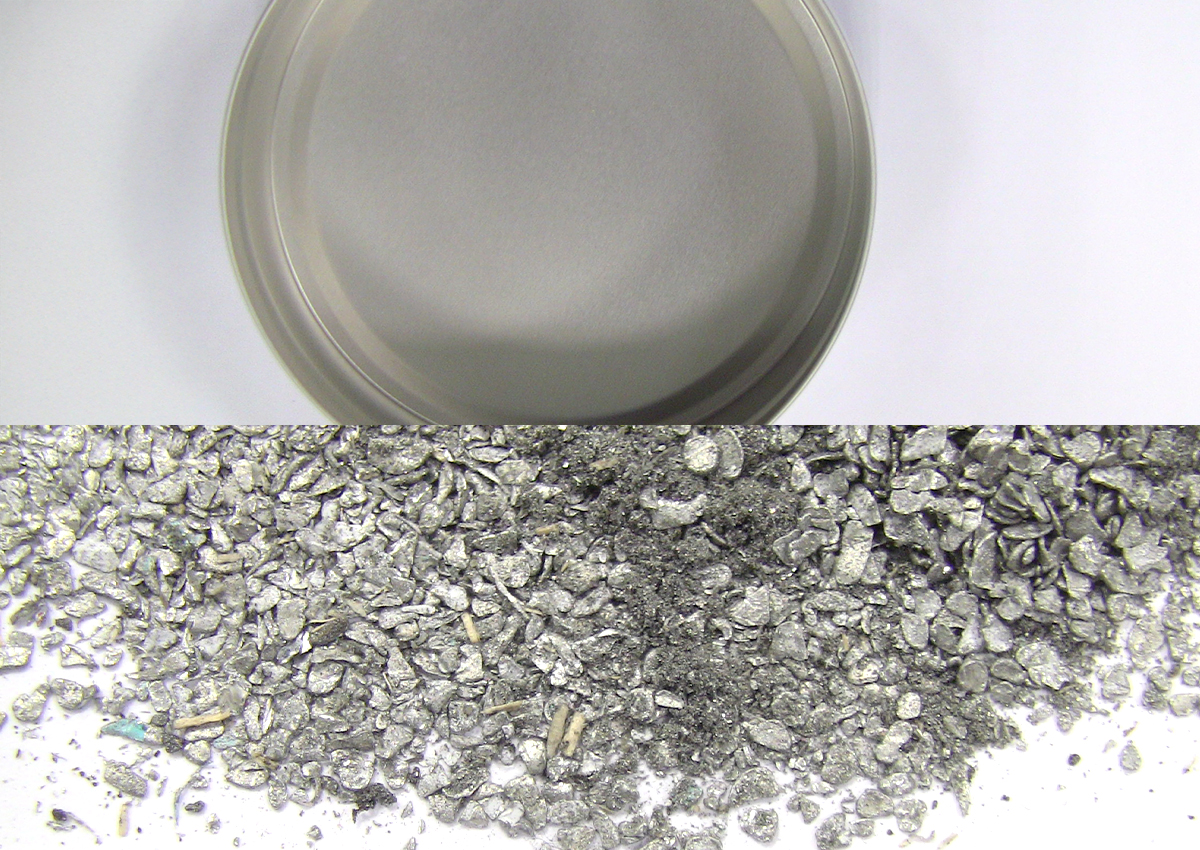
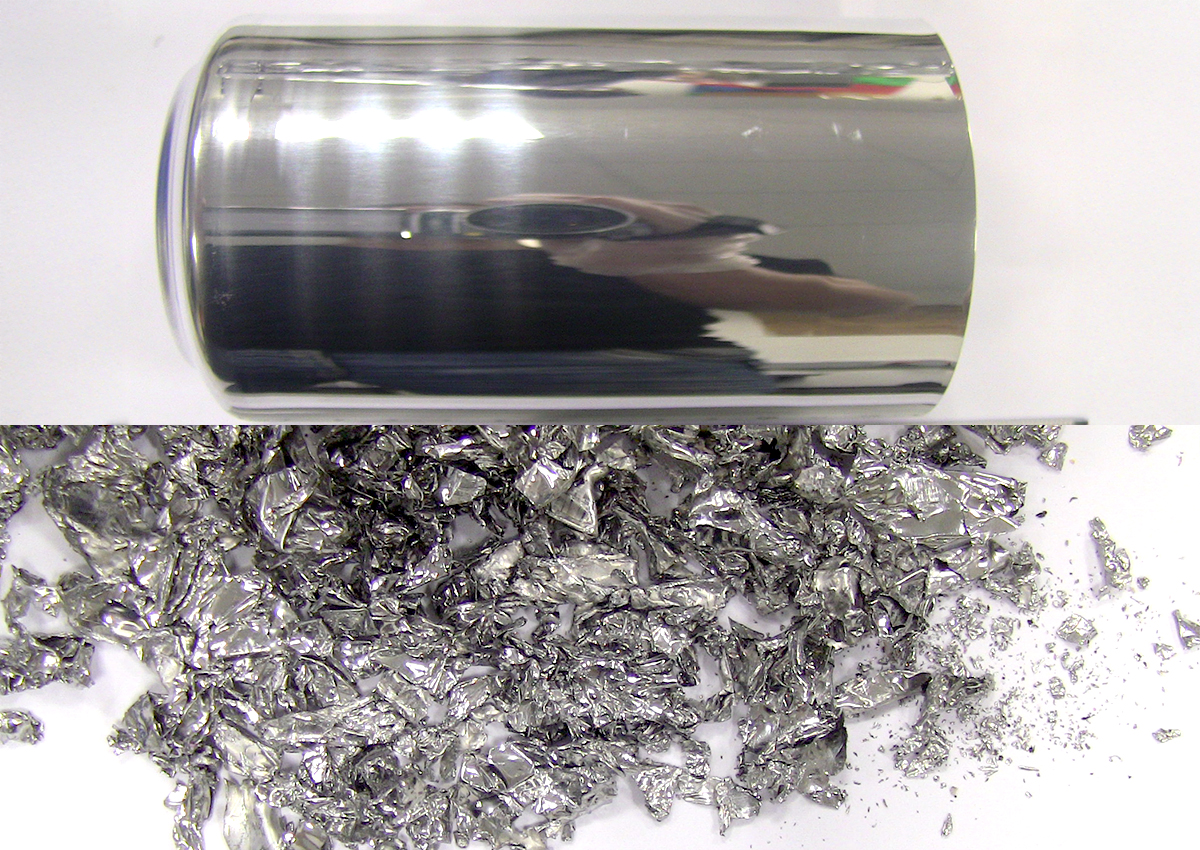
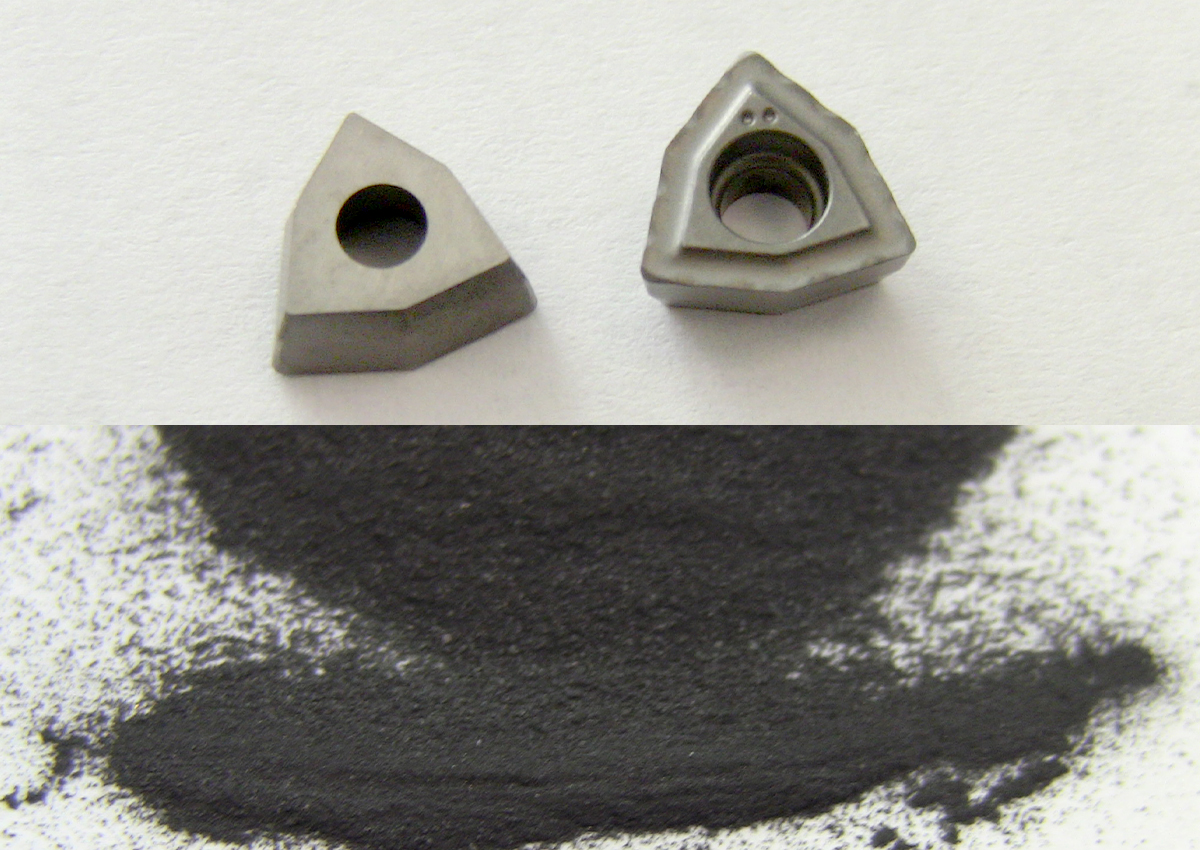
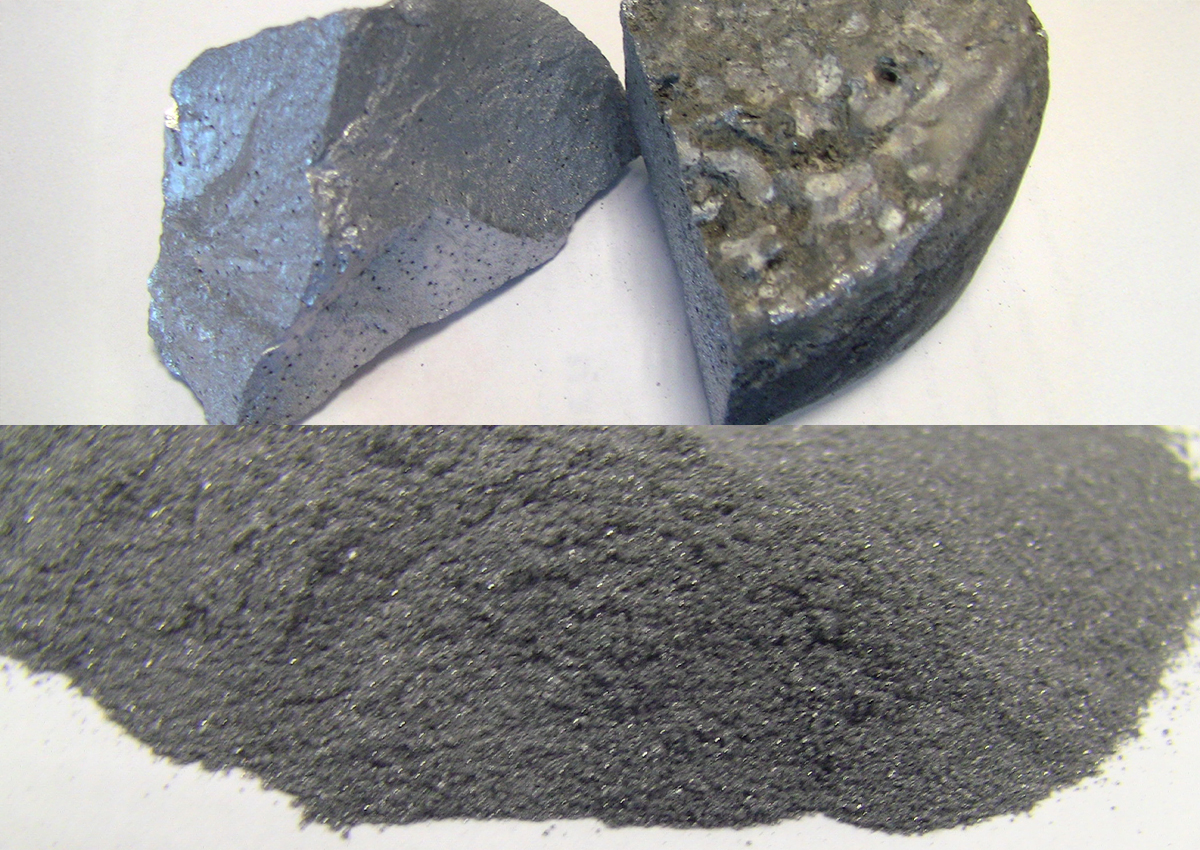
The re-use of excess metal powders from additive manufacturing processes is a field where RETSCH sieving machines contribute to the recycling process. Sieving machines like the Vibratory Sieve Shaker AS 200 basic are used to separate metal powder particles into fractions, which are left after the 3D printing process. The fraction with the fine particles may be reused for the next printing process. RETSCH also offers size reduction equipment like the powerful jaw crusher BB 500 which is suitable for pulverizing incorrect green bodies or hard and brittle sprue parts produced by metal injection molding. The obtained powder is then returned to the production process.
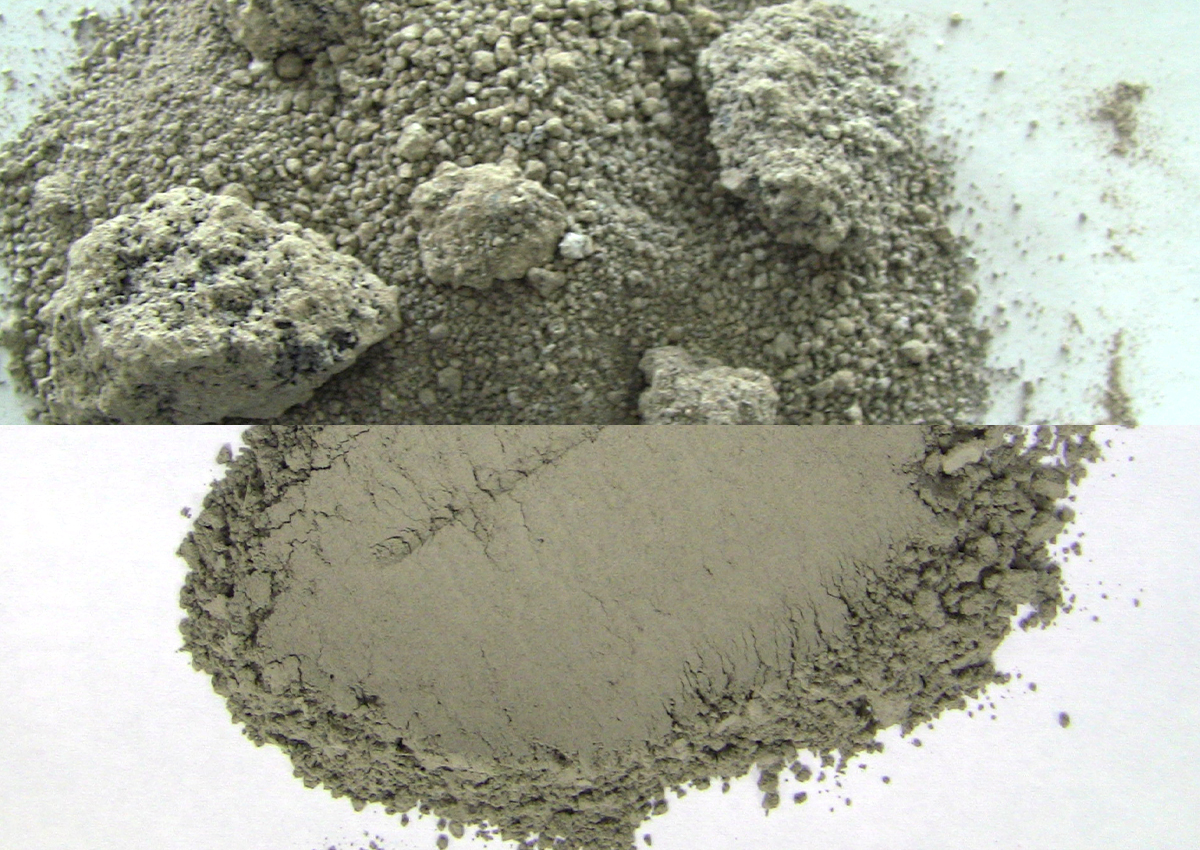
Another important aspect of metal recycling is the re-use of iron slags which is a waste product during the steel production. Slags can be re-used as building materials especially in concrete production to reduce the clinker or cement content. Another optionis the re-use as fertilizers. Slags can be best crushed in jaw crushers and then pulverized in ball mills or vibratory disc mills, similar to the examples given for construction materials.

Contact us for a free consultation
RETSCH offers a comprehensive portfolio of instruments for recycling processes - from quality control and sample preparation to innovative mechanochemical methods. Whether pre-grinding, sieving, pelletizing or the use of ball mills for sustainable recycling solutions: We have the right instruments for your requirements.
Our global network and experts are available to provide you with personalised advice. Contact us and work with our specialists to find the best solution for your application!
Plastics
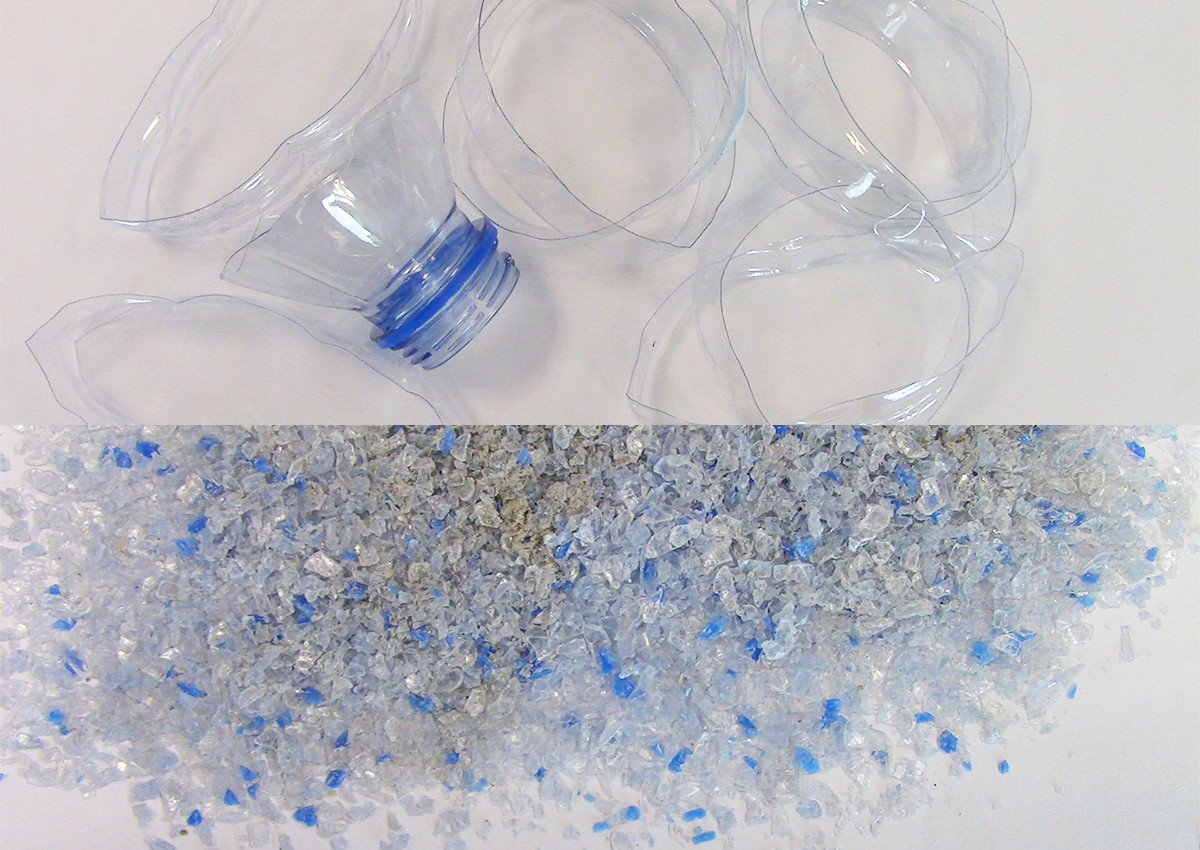
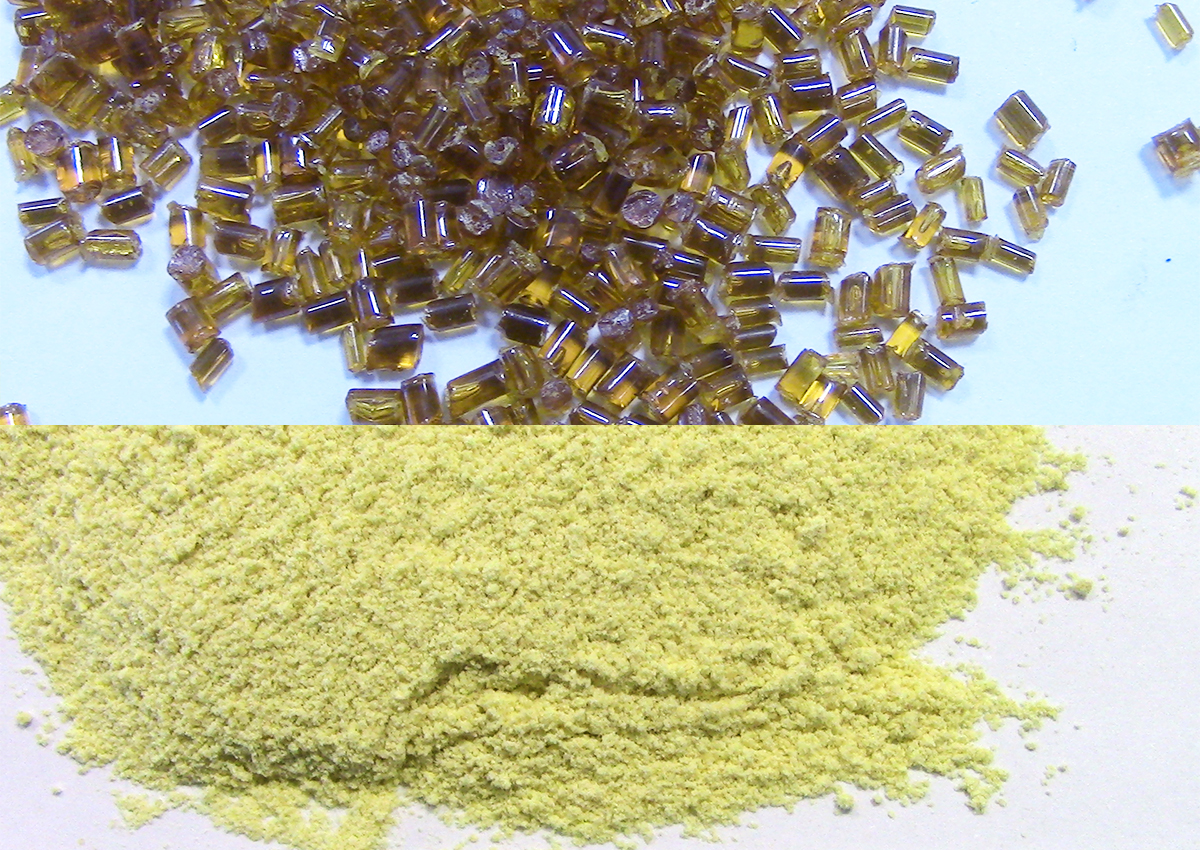
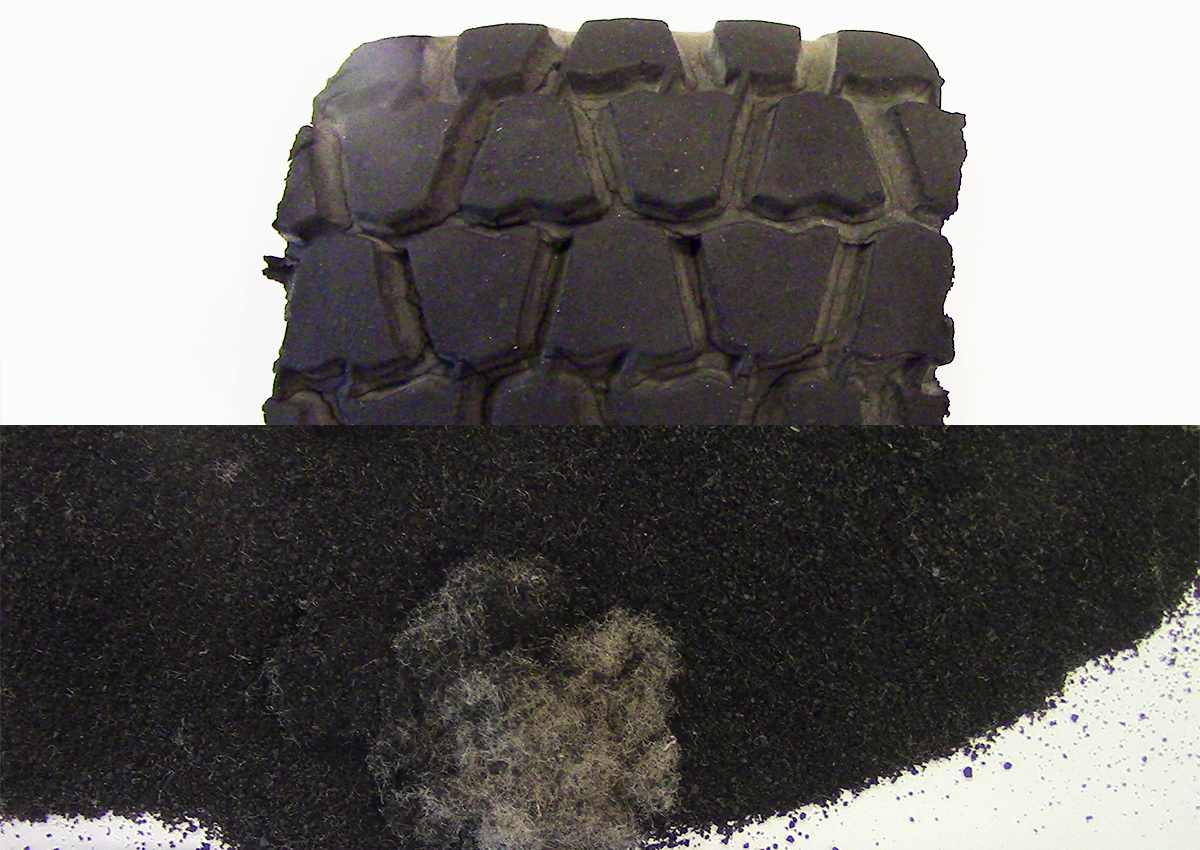
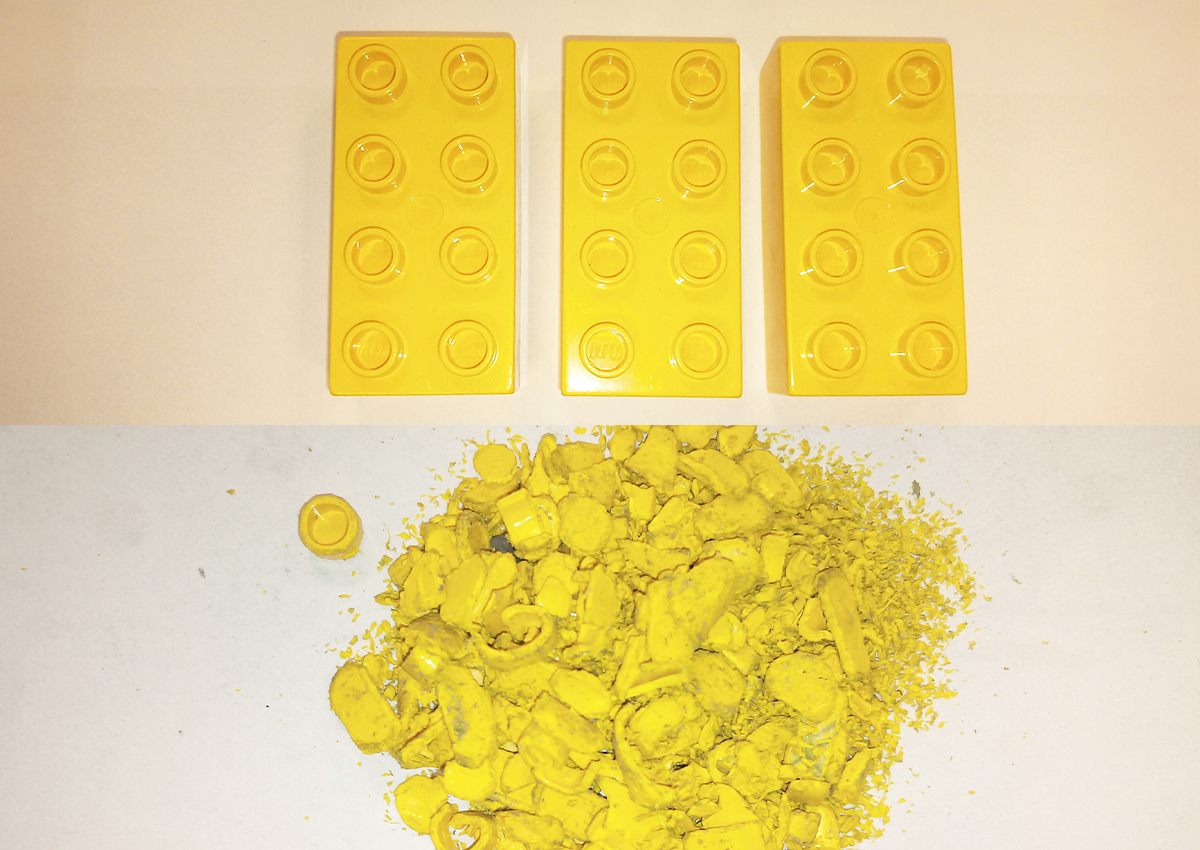
Plastics waste is often a composition of different components and need to be homogenized prior to analytics or further processing. As they are ductile, a cutting or shearing mechanism is needed for crushing and cryogenic grinding is usually employed, at least for the fine-grinding step. Depending on the sample properties, Retsch Cutting Mills or the Hammer Mill HM 200 can be used for the pre-crushing step. For example, PET bottles or mixed polymer samples inclusive foils are best pre-cut in the SM 300. The use of the cyclone is recommended to increase the sample discharge from the grinding chamber. For those samples, the V-rotor can be used to produce particles of around 2 mm. Thin plastic materials may require manual pre-cutting, but no embrittling. In contrast to this, samples which are tougher like car tyres or resins need embrittlement in liquid nitrogen even for the pre-crushing step in cutting mills. Here, the use of the robust 6-disc-rotor is beneficial to avoid wear. The robust Hammer Mill HM 200 comes into play for pre-crushing hard plastics like toys, here, grinding is done very quickly even for larger sample quantities. The pre-crushed samples can be further pulverized in either a Ball mill like the CryoMill or the MM 500 control, or in the Retsch ZM 300. Also, polymer pellets, which are usually small enough can be directly pulverized with these mills. These two Ball Mill models use constant embrittling with liquid nitrogen to keep the sample cool enough during the whole grinding process. Samples volumes in this Ball Mill are rather low with up to 10 g, but fineness below 300 µm can be obtained. The ZM 300 is used for larger sample quantities. Here, the sample is mixed with dry ice prior to the milling process for embrittling. The use of distance sieves not finer than 0.5 mm is recommended, as well as to use the cyclone to maintain the temperature low.
Electronic scrap
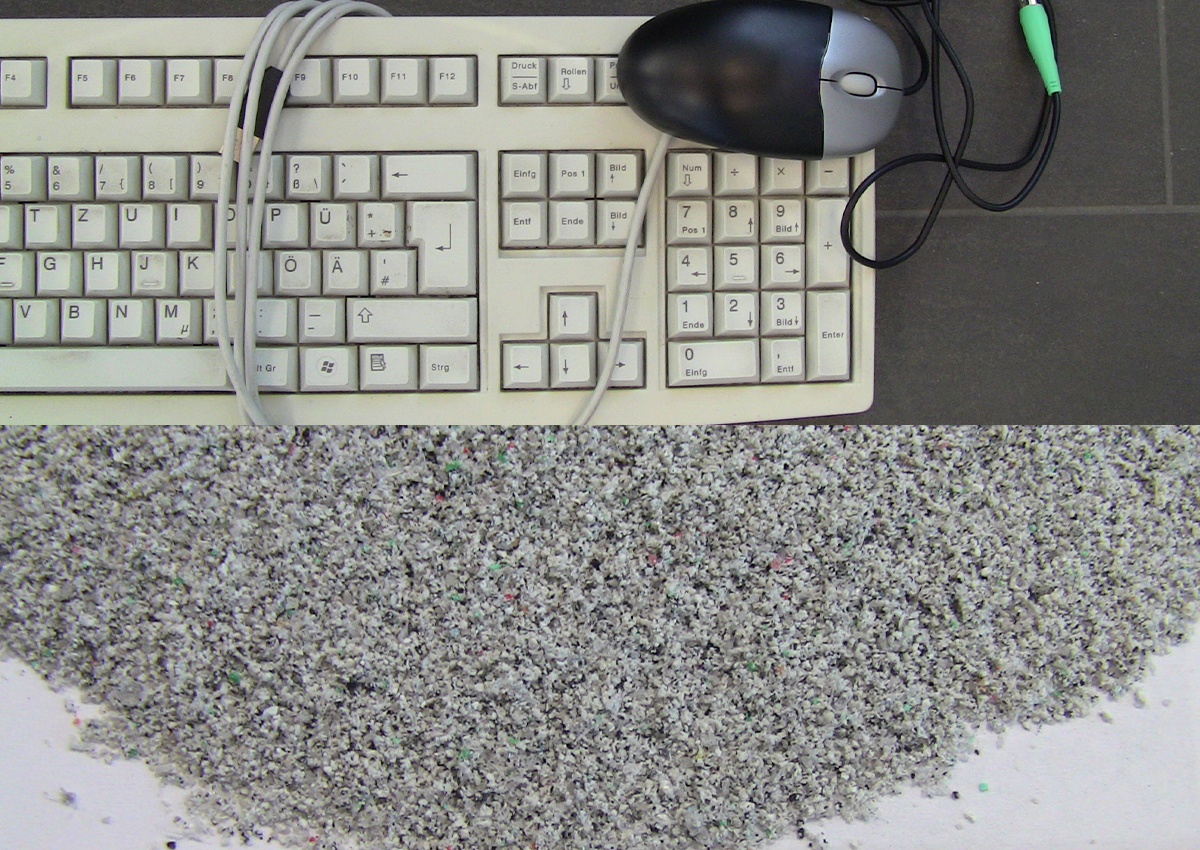
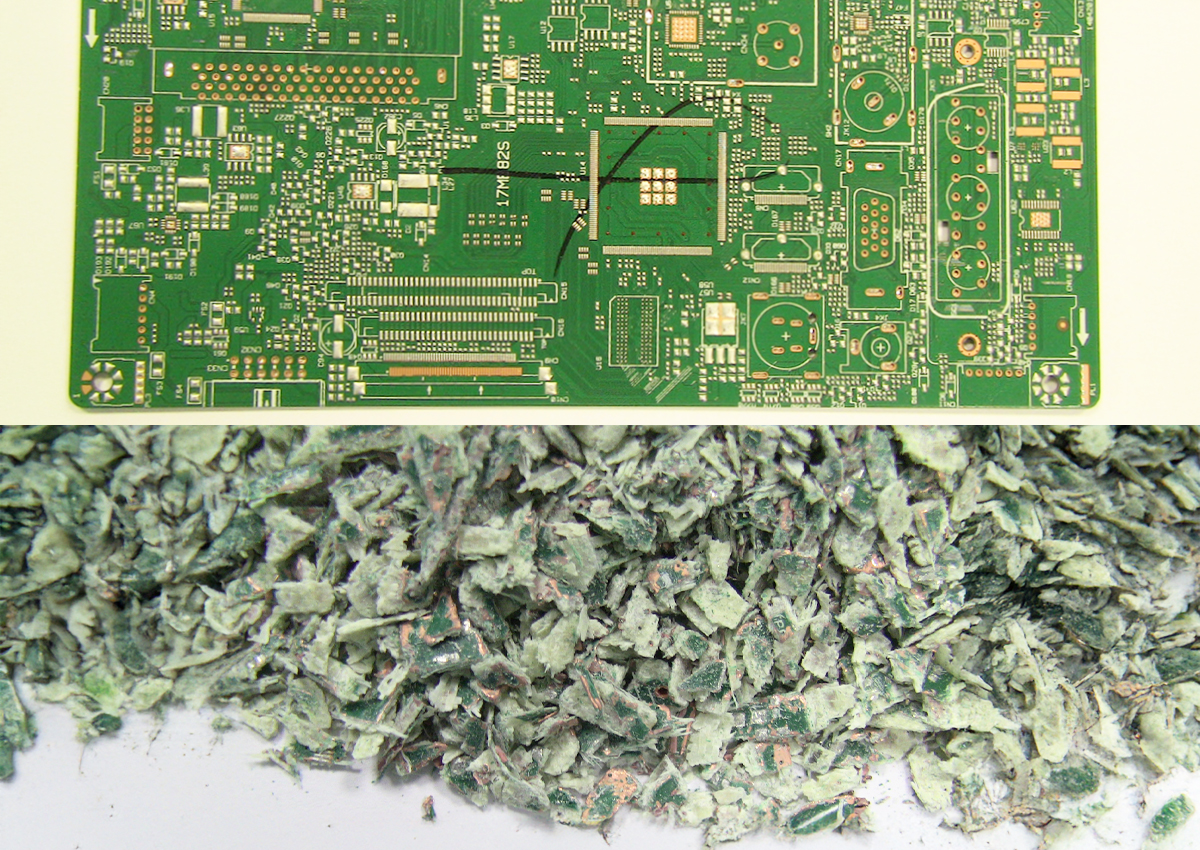
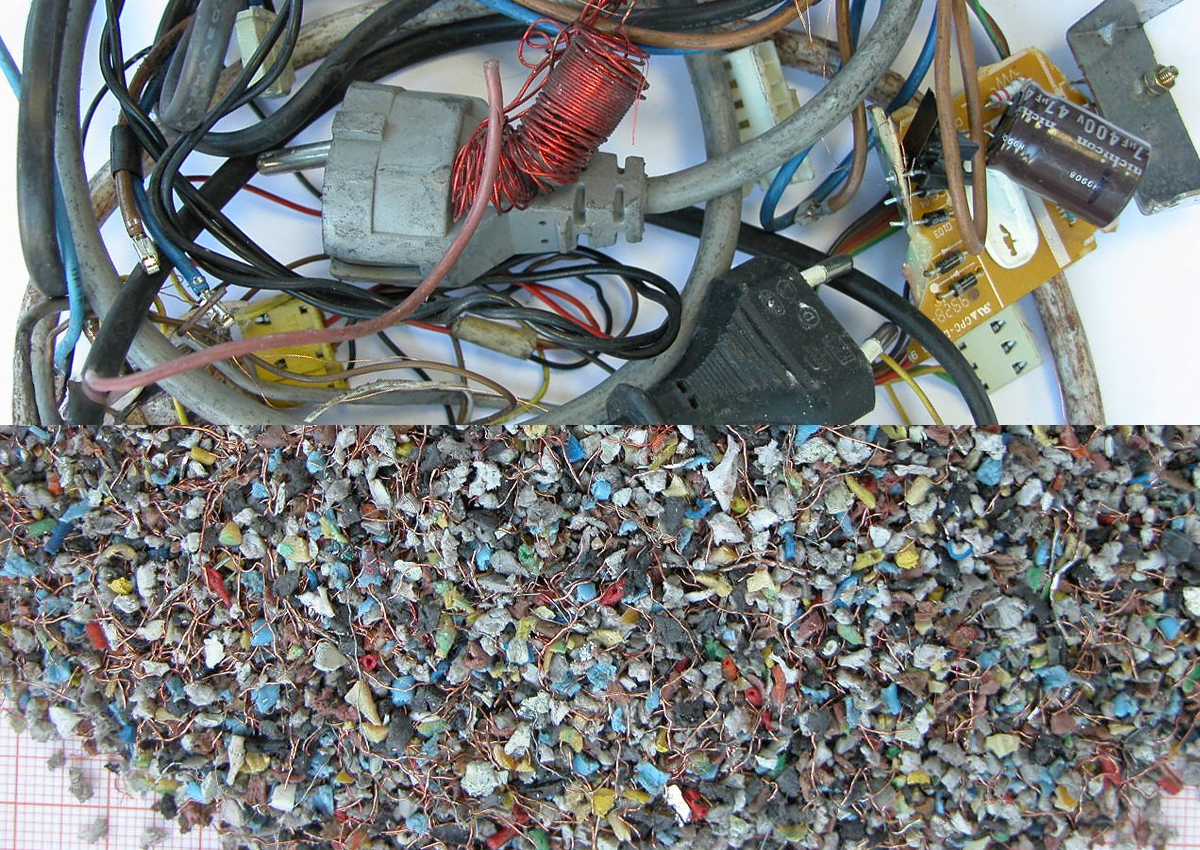
Electronic scrap is a valuable resource as it generally contains a much higher percentage of precious metals than is found in the same amount of ore. For materials analysis, electronic scrap can in most cases be pre-crushed in a Cutting Mill. The powerful SM 300 allows for cutting of hard and massive electrical components such as computer boards. Depending on the feed size, manual pre-crushing is required so that the samples can be fed to the mill. For tough samples, the use of the 6-disc rotor with robust cutting plates is beneficial. Usually, a 6 or 8 mm bottom sieve is used to obtain 5 mm particles. In a subsequent fine-grinding step, either a ZM 300 or a RS 200 is most commonly used. The embrittling with dry ice can be beneficial to pulverize the samples to about 0.5 mm particles in the ZM 300. Samples with increased metal parts are better ground in the RS 200 or the larger RS 300 as they are more suitable for this abrasive material than the ZM 300. When grinding metallic products, it is important to remember that metal parts cannot be pulverized by impact forces. If they are ductile, they will flatten or form lumps in a the RS or the ball milling process.

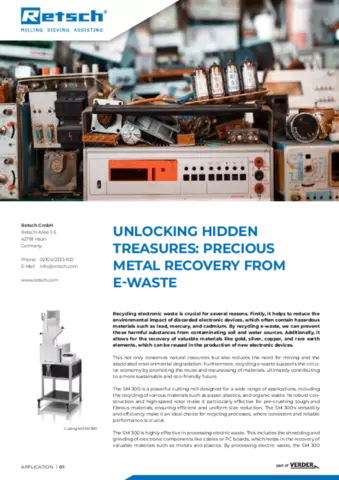
Precious metal recovery from E-Waste
Recycling electronic waste is crucial for several reasons. Firstly, it helps to reduce the environmental impact of discarded electronic devices, which often contain hazardous materials such as lead, mercury, and cadmium. By recycling e-waste, we can prevent these harmful substances from contaminating soil and water sources. Additionally, it allows for the recovery of valuable materials like gold, silver, copper, and rare earth elements, which can be reused in the production of new electronic devices.
Batteries
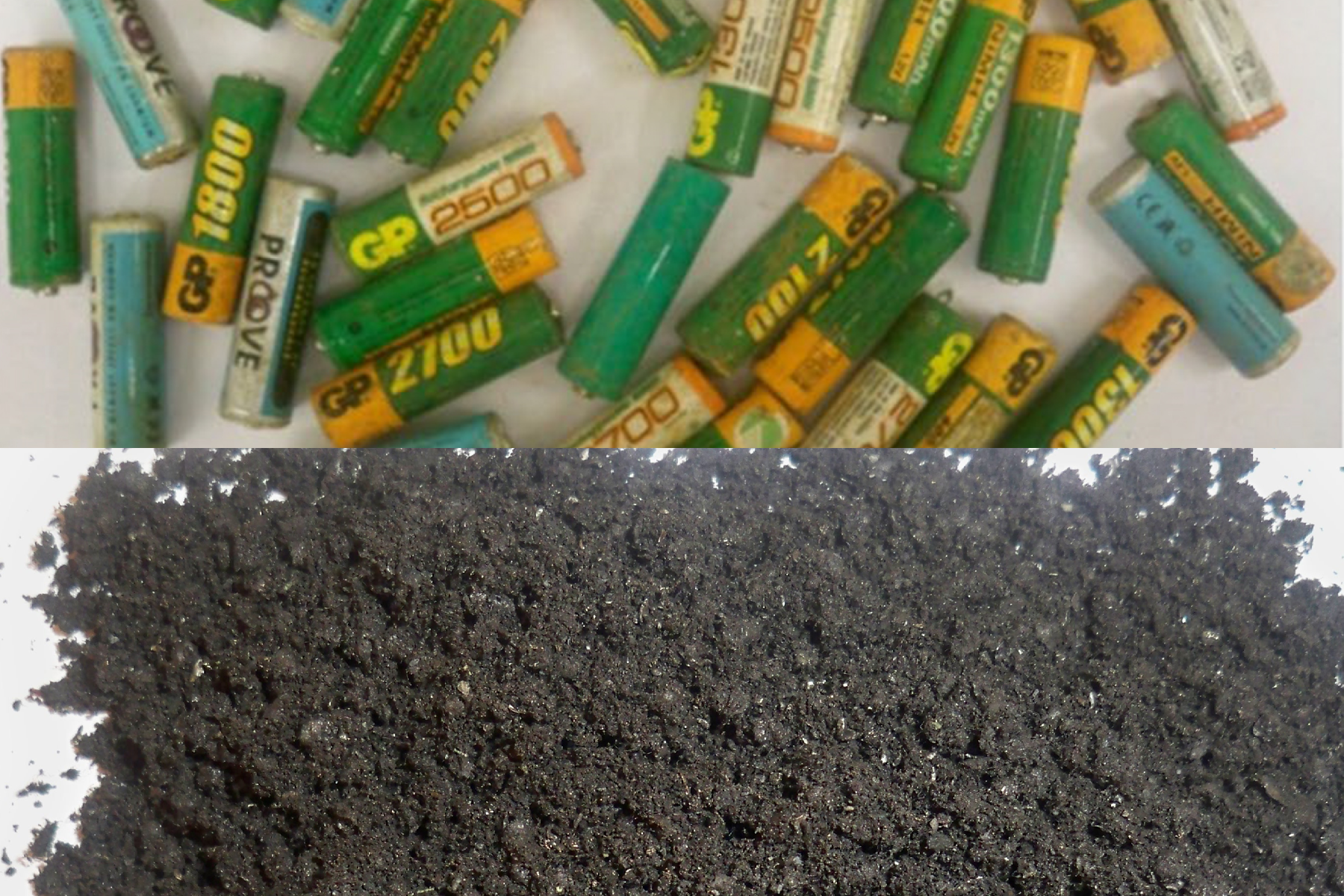
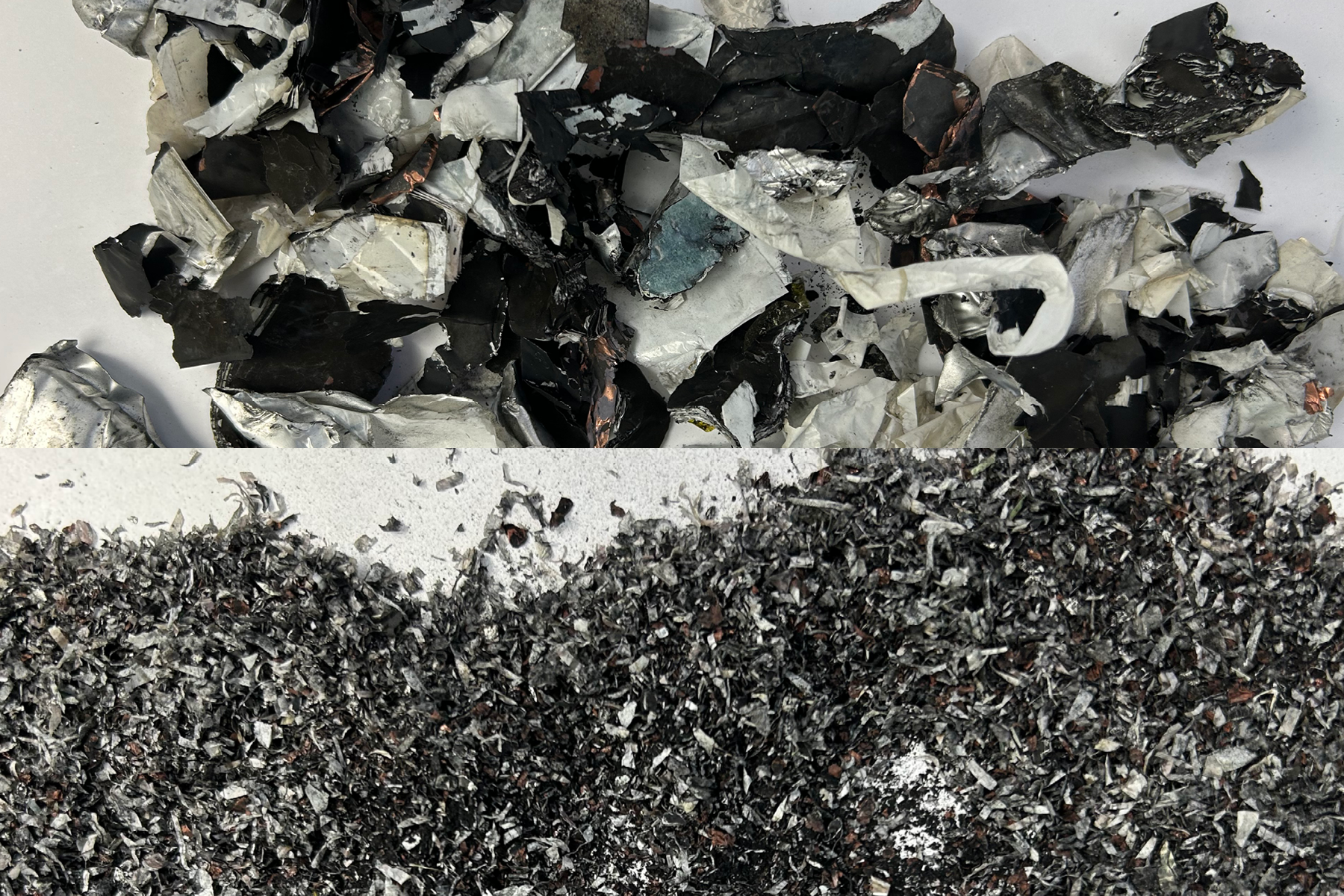
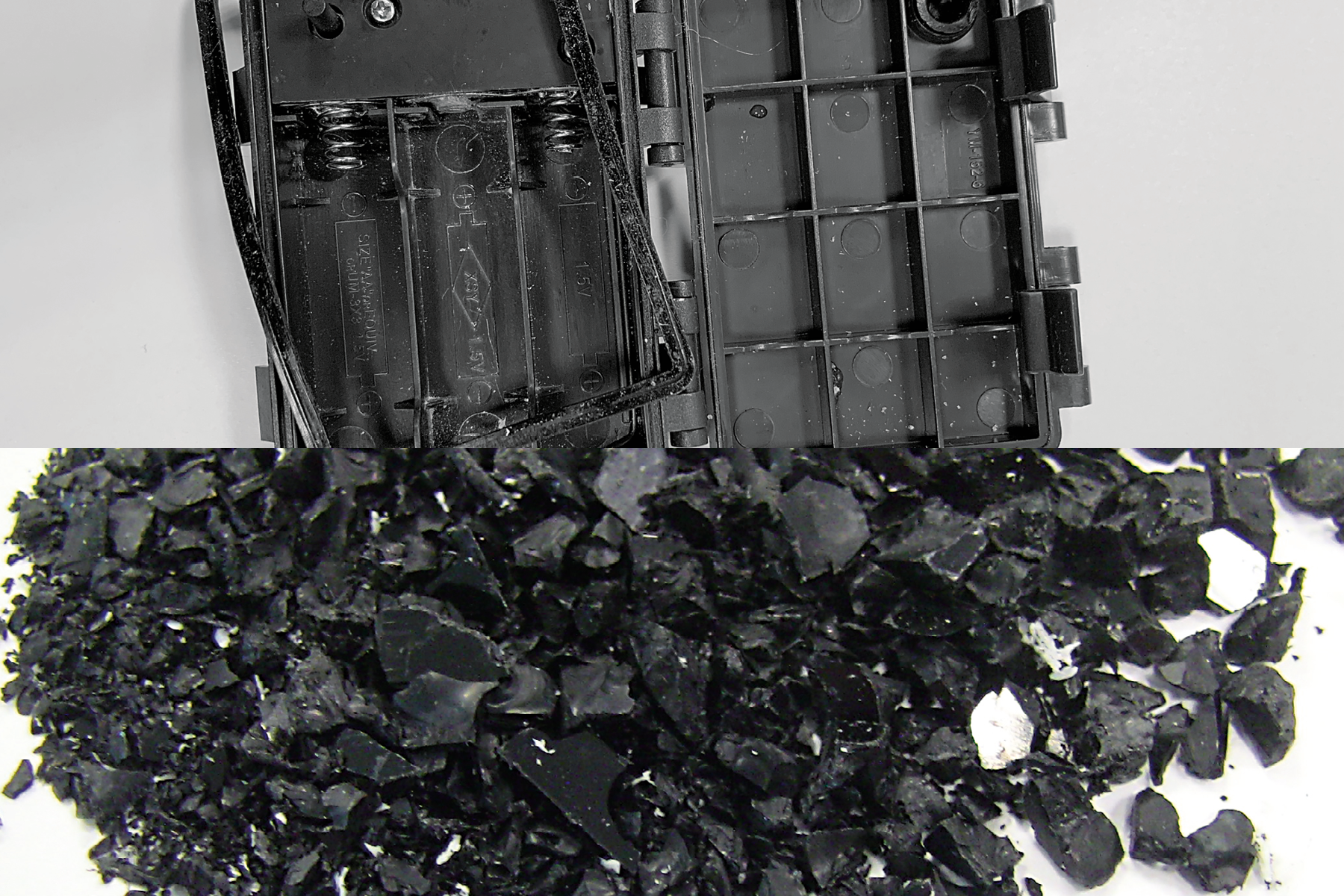
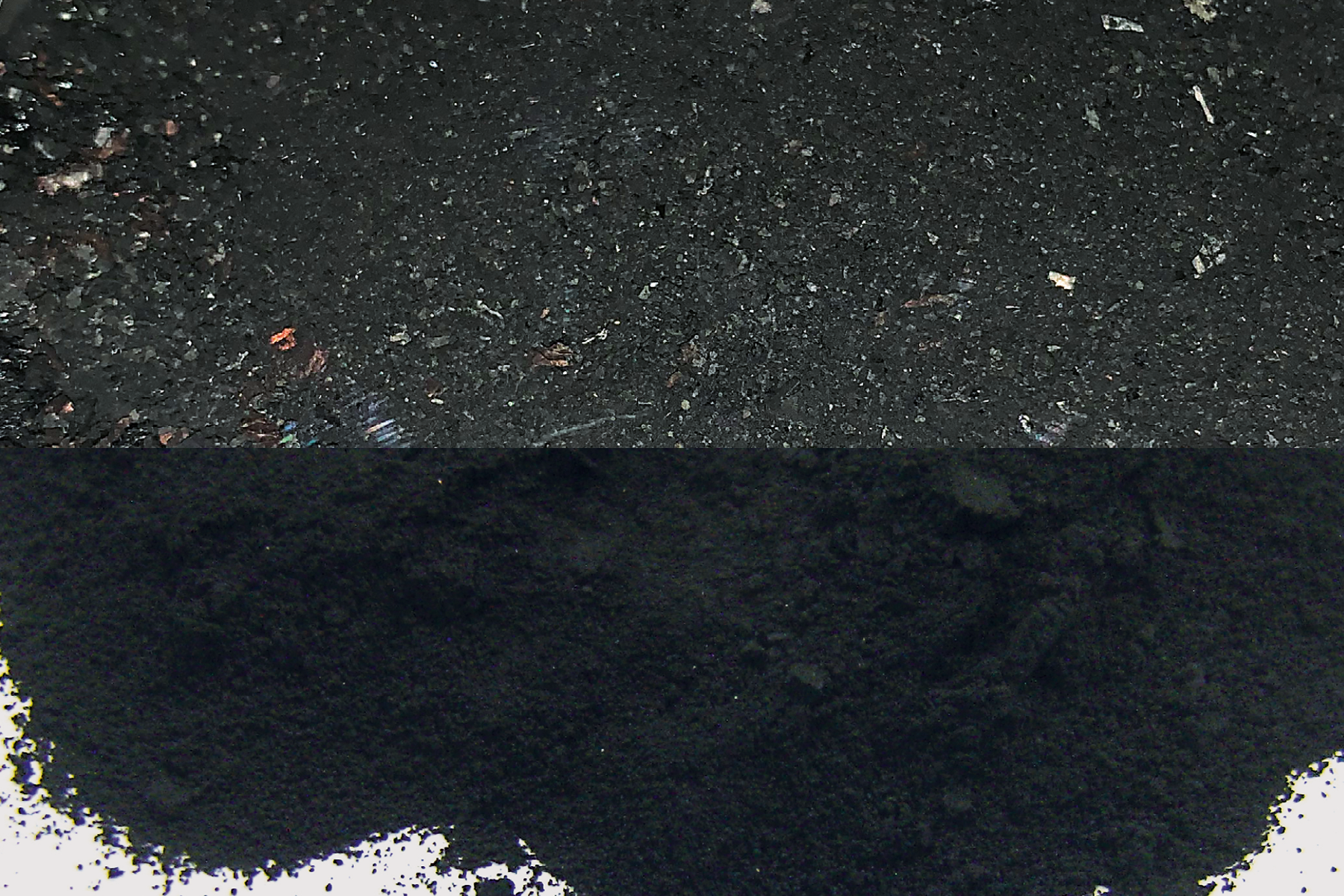
The recycling of batteries is a complex and critical process that aims to sustainably recover valuable materials from used batteries, providing a source of raw materials and reducing the impact on the environment. First, batteries are safely discharged to eliminate any residual charge. Then, they are dismantled and shredded. The mechanical recycling step helps to separate the various components. The result of this first battery recycling step is several fractions of light materials, metals, polymers, electrolyte and black mass, which contains the valuable metals. The Cutting Mill SM 300 and Ultra Centrifugal Mill ZM 300 are applied for grinding e.g. the leight weight fraction to small particles and Sieving Machines are used to separate for example the black mass from the ground electrodes. Also cryogenic ball milling and ball milling at room temperature is commonly applied to pulverize recycled material fractions and prepare them for material analysis.