





Special Applications
Pharmaceutical and Chemical waste
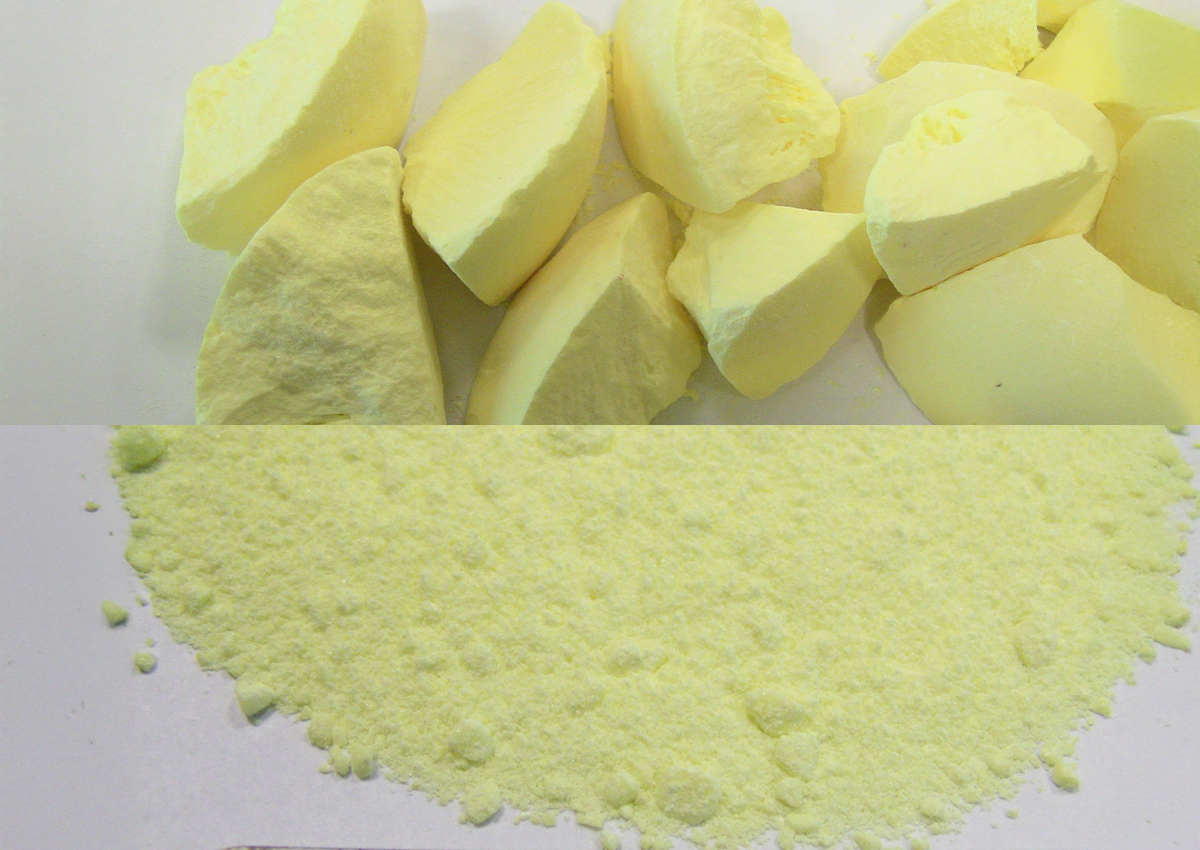
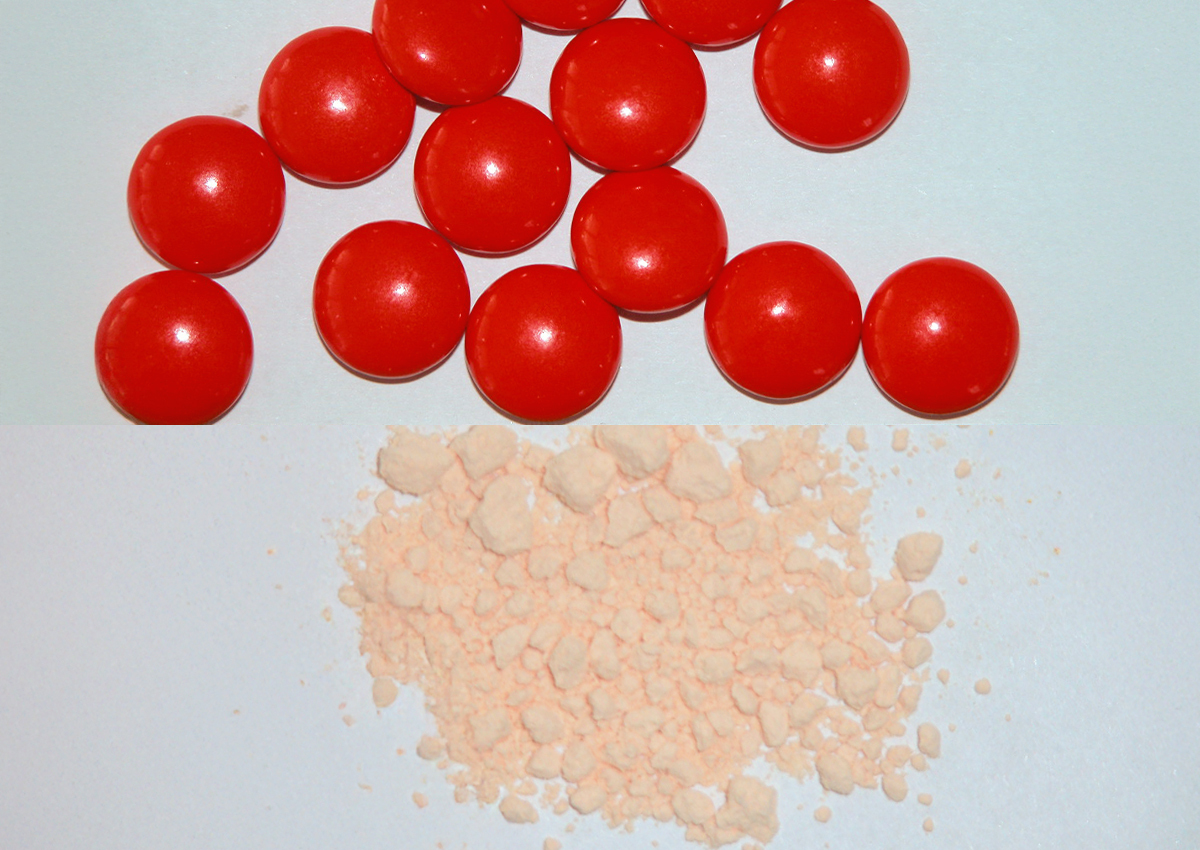
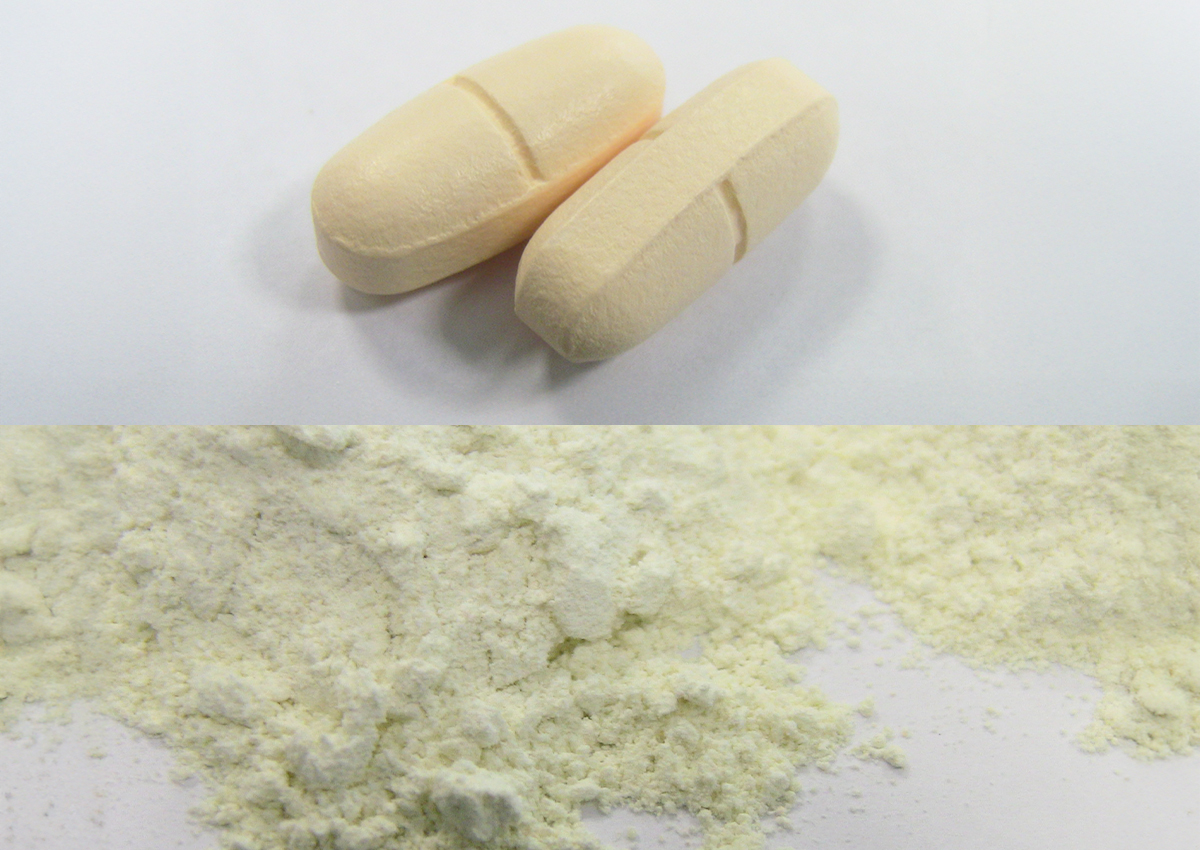
Pharmaceutical products are rarely recycled, but in terms of waste management, the knowledge about their ingredients is crucial to prevent environmental pollution. Pharmaceutical products such as pills and tablets are typically pulverized to control their composition. ZM 300 or GM 200 are suitable Mills for this purpose. When using the GM 200, it is recommended to start with a pre-crushing sequence using the knife in the reverse direction of rotation so that the sample is hit by the blunt side of the knife and wear is reduced. The ZM 300 is capable of grinding dry pills down to about 10 µm, here a two step process is applied: first a sieve of about 2 mm aperture size is used, then in the second step the sample is ground with the smallest aperture size of 0.08 mm. As soon as the pills have a liquid filling, cryogenic grinding either in the CryoMill or in another Ball Mill is recommended.


Contact us for a free consultation
RETSCH offers a comprehensive portfolio of instruments for recycling processes - from quality control and sample preparation to innovative mechanochemical methods. Whether pre-grinding, sieving, pelletizing or the use of ball mills for sustainable recycling solutions: We have the right instruments for your requirements.
Our global network and experts are available to provide you with personalised advice. Contact us and work with our specialists to find the best solution for your application!
Secondary fuels and Waste management
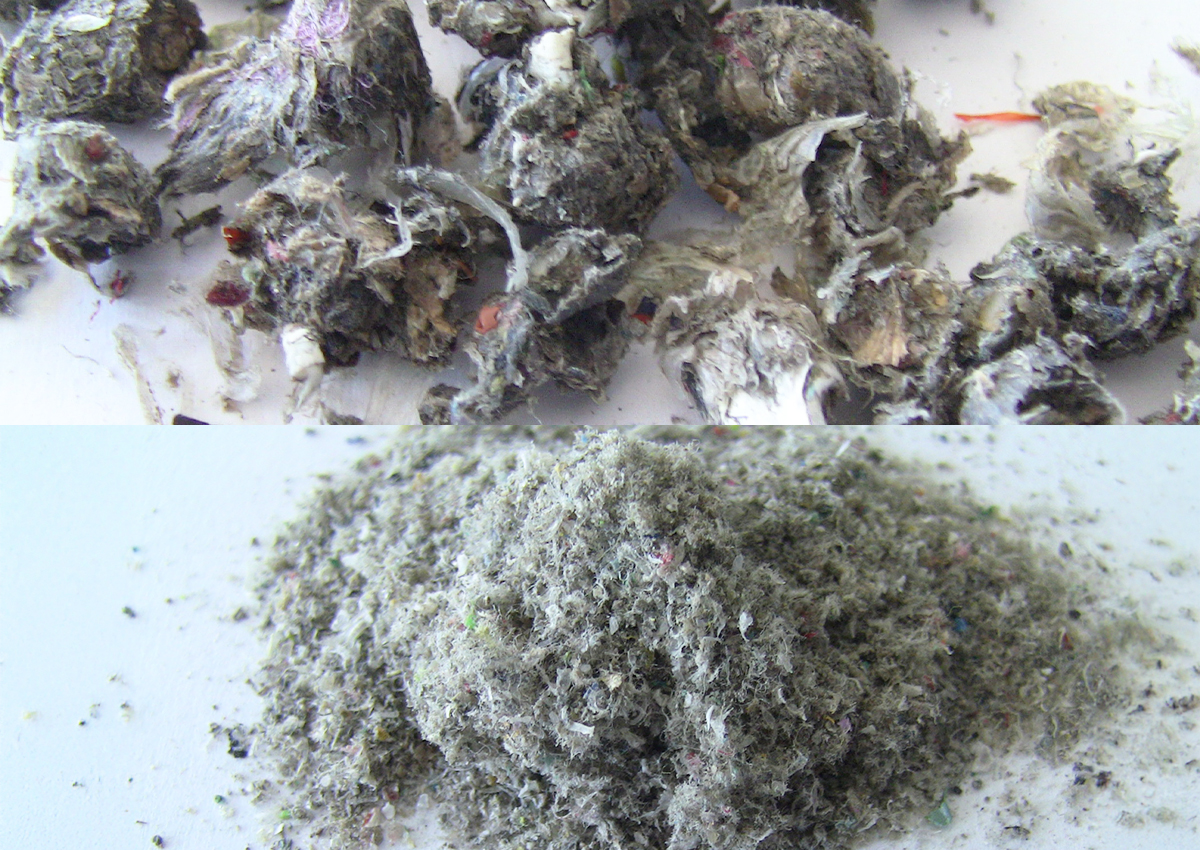
"Secondary fuels" or “refused derived fuels” (RDF) are energy-rich fuels derived from various types of waste that would otherwise end up in landfills, such as industrial waste, municipal solid waste, biomass waste, and non-recyclable plastic waste. Combustible RDF can be used to heat cement kilns or in power stations as a substitute for conventional fossil fuels. In order to analyse the halogen content, water content, ash content and calorific value of RDFs, these heterogeneous material mixtures have to be pulverised. Usually, a Cutting Mill is required for the first size reduction step. Here, dependent on the sample composition, the 6-disc rotor is used, if more tough sample material like wood or hard plastic needs to be crushed. If the sample is more foil, paper and textile based, the V-rotor can be used. In both cases, as secondary fuels are usually light materials, the use of the cyclone unit is beneficial to enhance sample discharge from the grinding chamber and to avoid that the material warms up. In a fine grinding step, either the ZM 300 is used to process larger sample quantities up to several 100 g, or the CryoMill for small sample quantities up to 5 g. Usually, finer particles can be obtained with the CryoMill compared to the ZM 300. Ring sieves finer than 0.75 mm should not be used for such samples, as clogging may occur. Cryogenic grinding – thus mixing the sample with dry ice prior to grinding in the ZM 300, is essential in the case. Also here, the use of the cyclone is recommended.



Sieve Shakers in Recycling
Recycling often involves collecting, sorting, and processing materials. Sieve Shakers, which separate particles by size, play a crucial role in this process. They are used to:
- Separate materials: For example, crushed glass is sifted to remove small particles before reuse.
- Quality control: Ensuring size uniformity in recycled aggregates, which affects the final product's quality and strength.
The choice of a Sieve Shaker depends on the materials and desired outcomes, improving the efficiency and effectiveness of recycling processes.
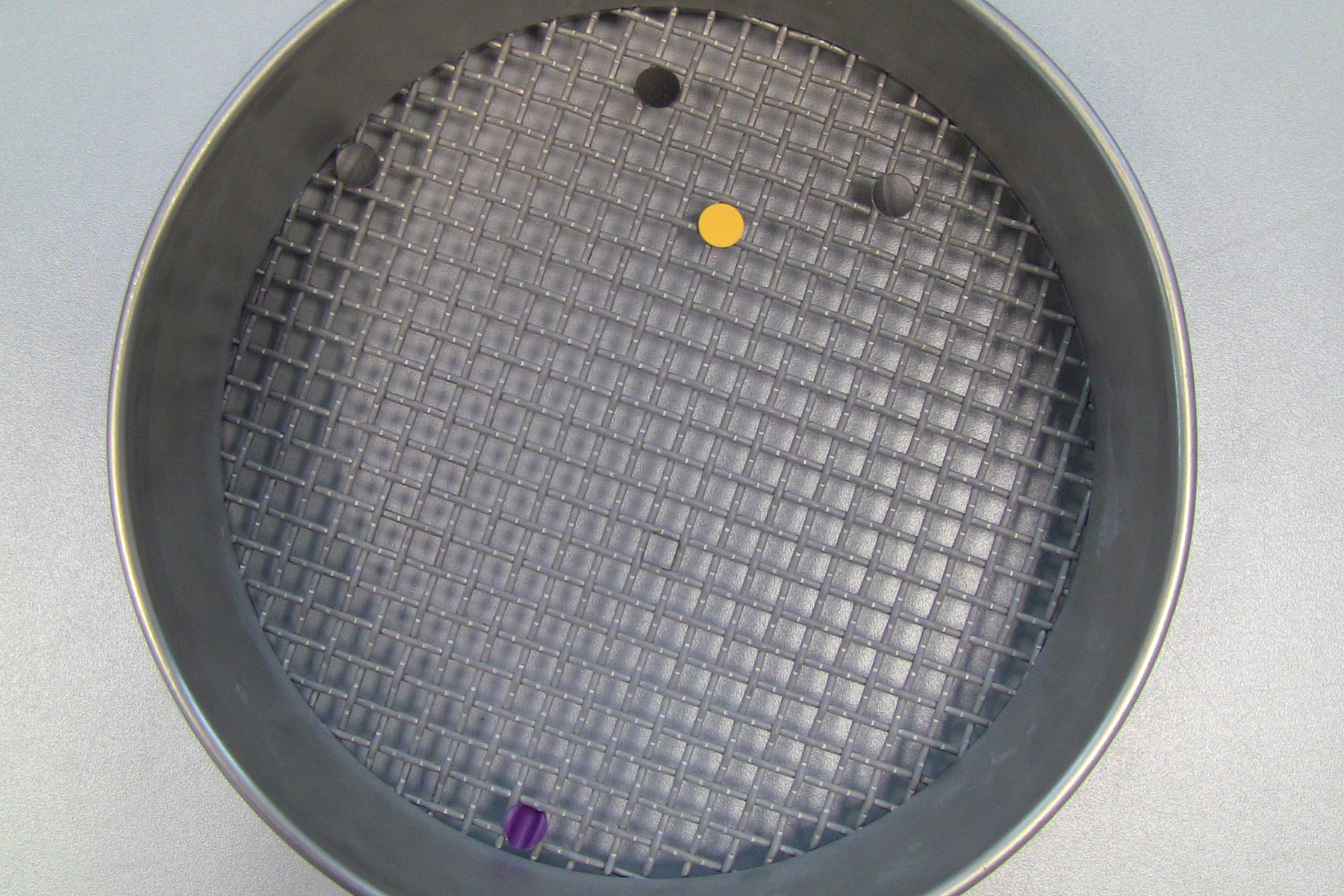
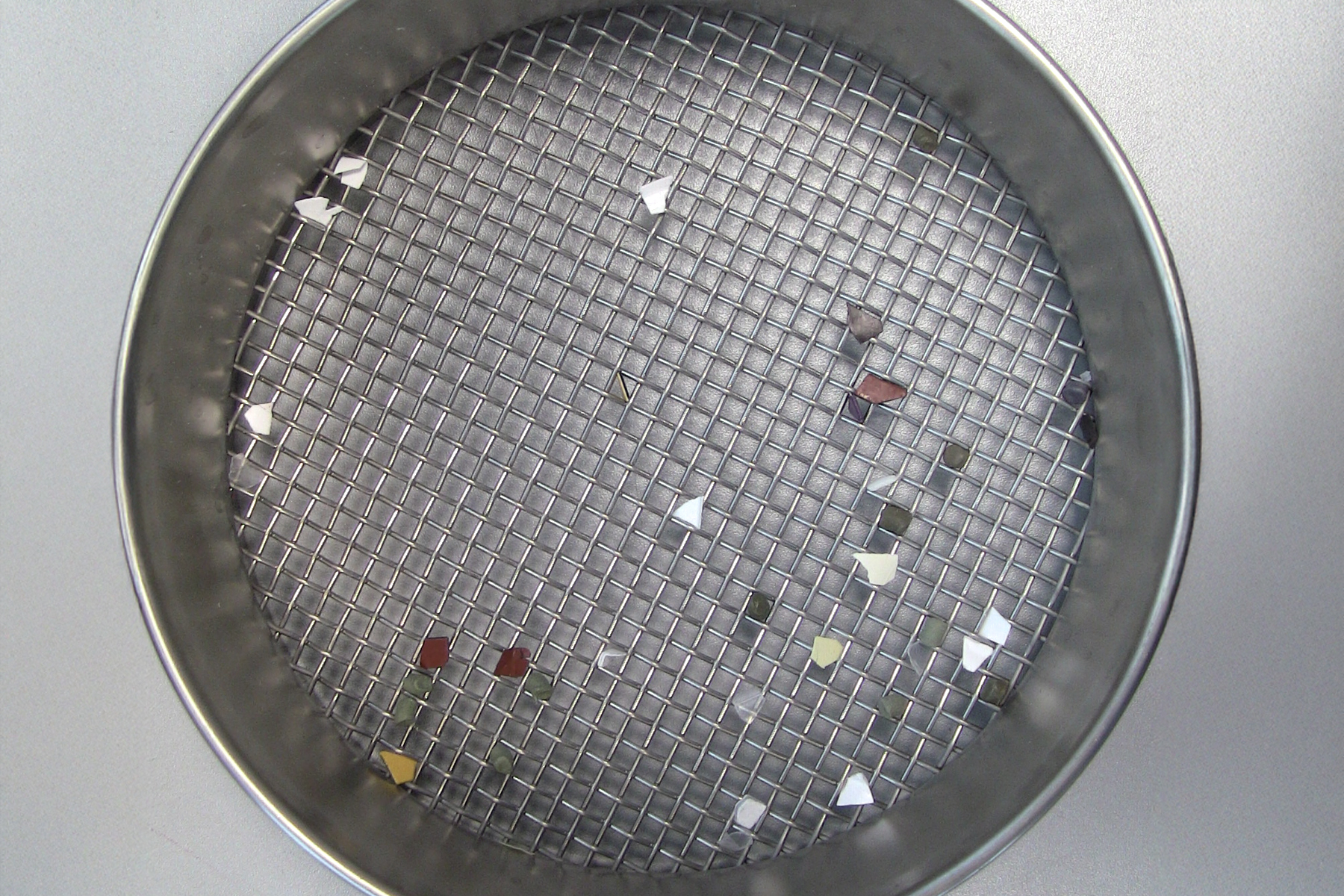
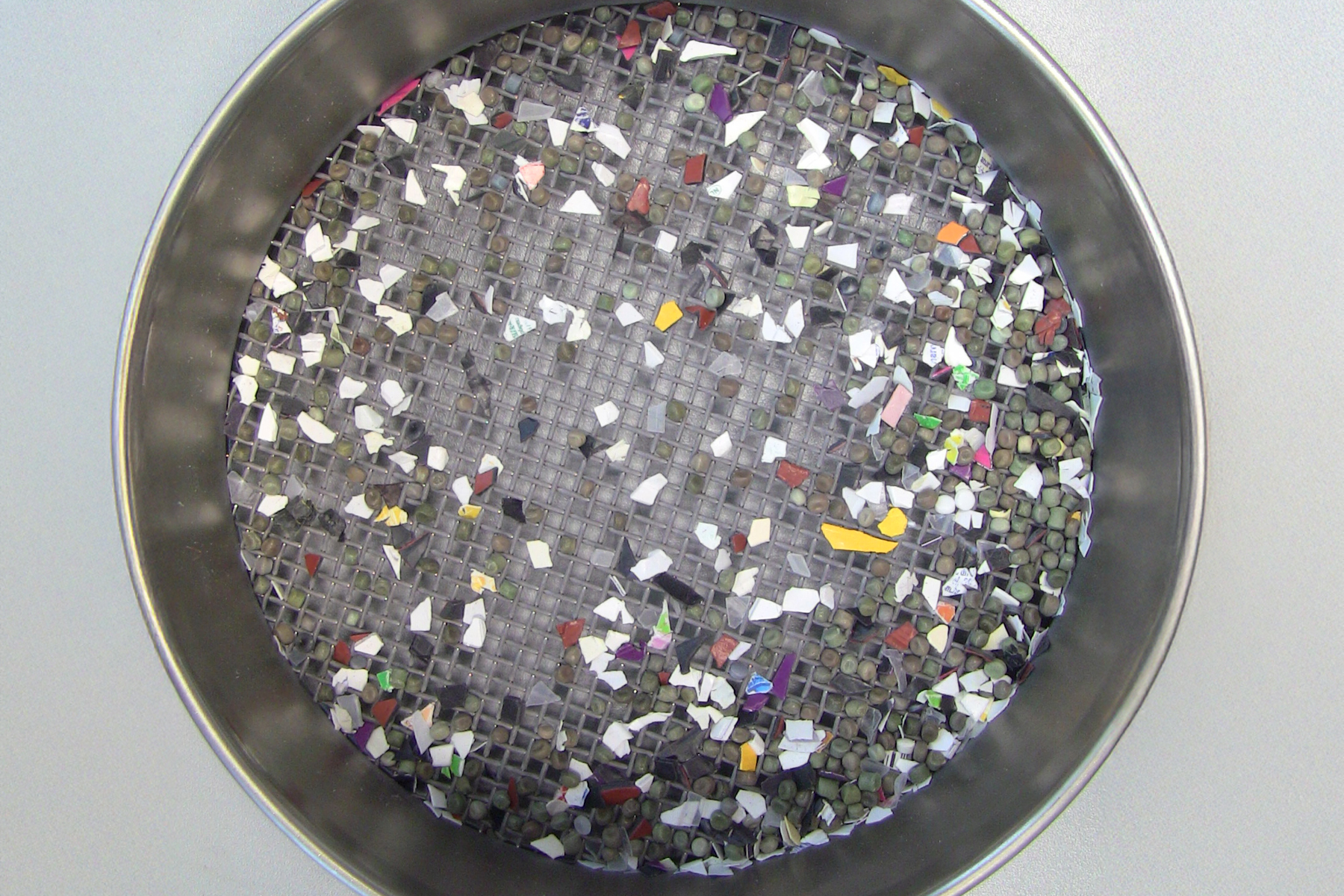
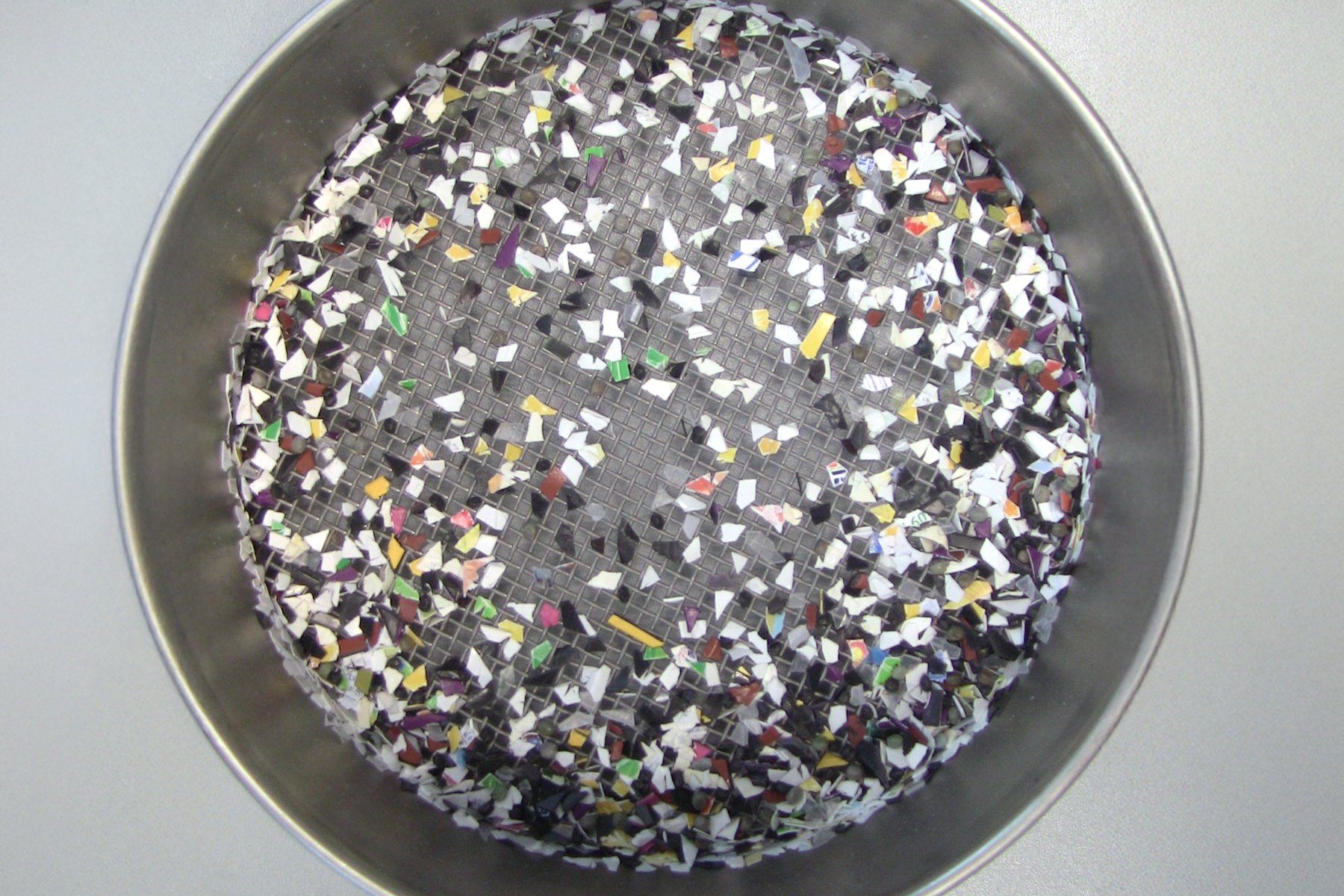
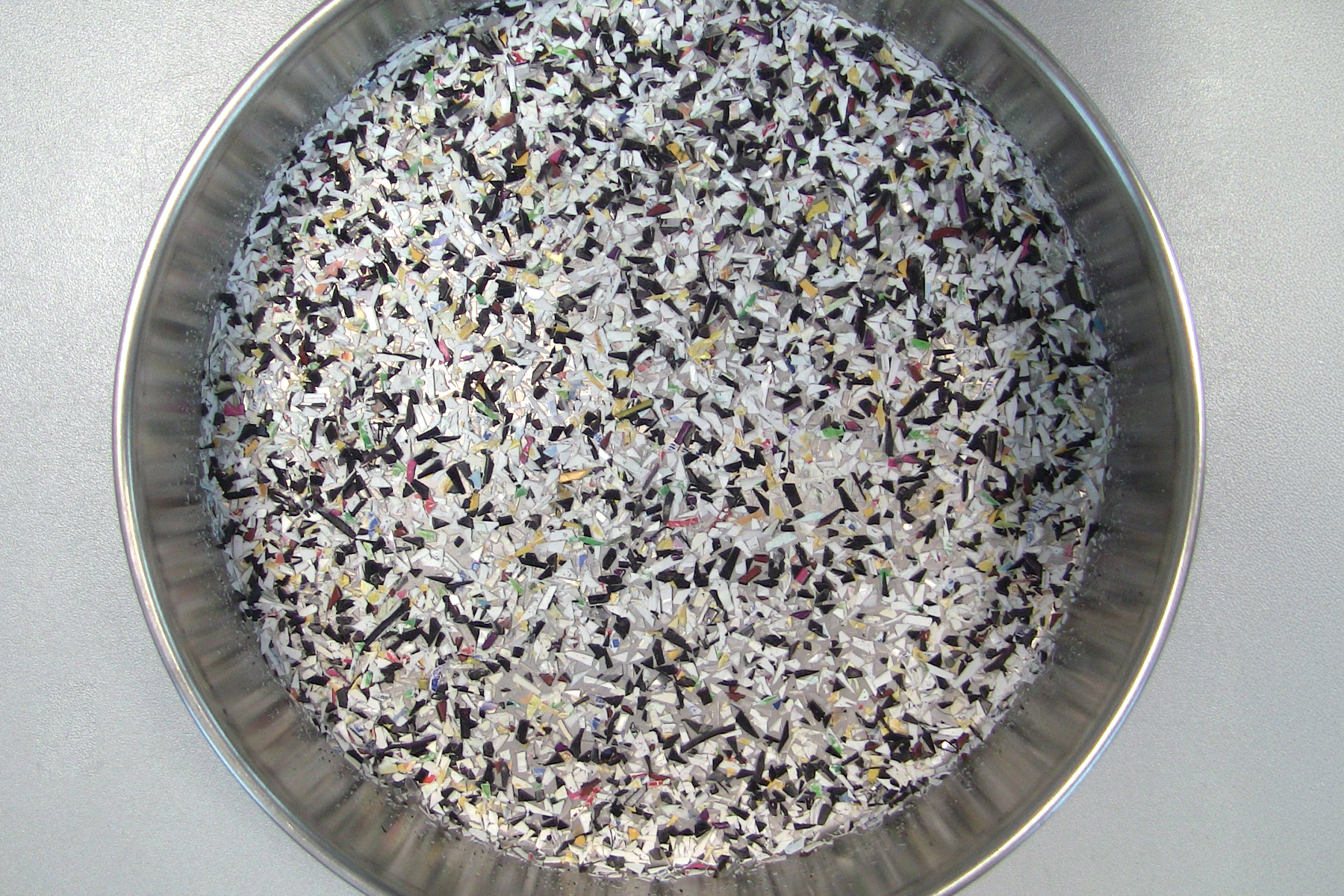
Fractionizing 60 g plastic particles with the AS 200 control can be done in about 5 minutes. Sieves with mesh sizes 6 mm / 4.5 mm / 2,5 mm and 2 mm were used. The amplitude was set to 1.3 mm with intervals of 10 s.
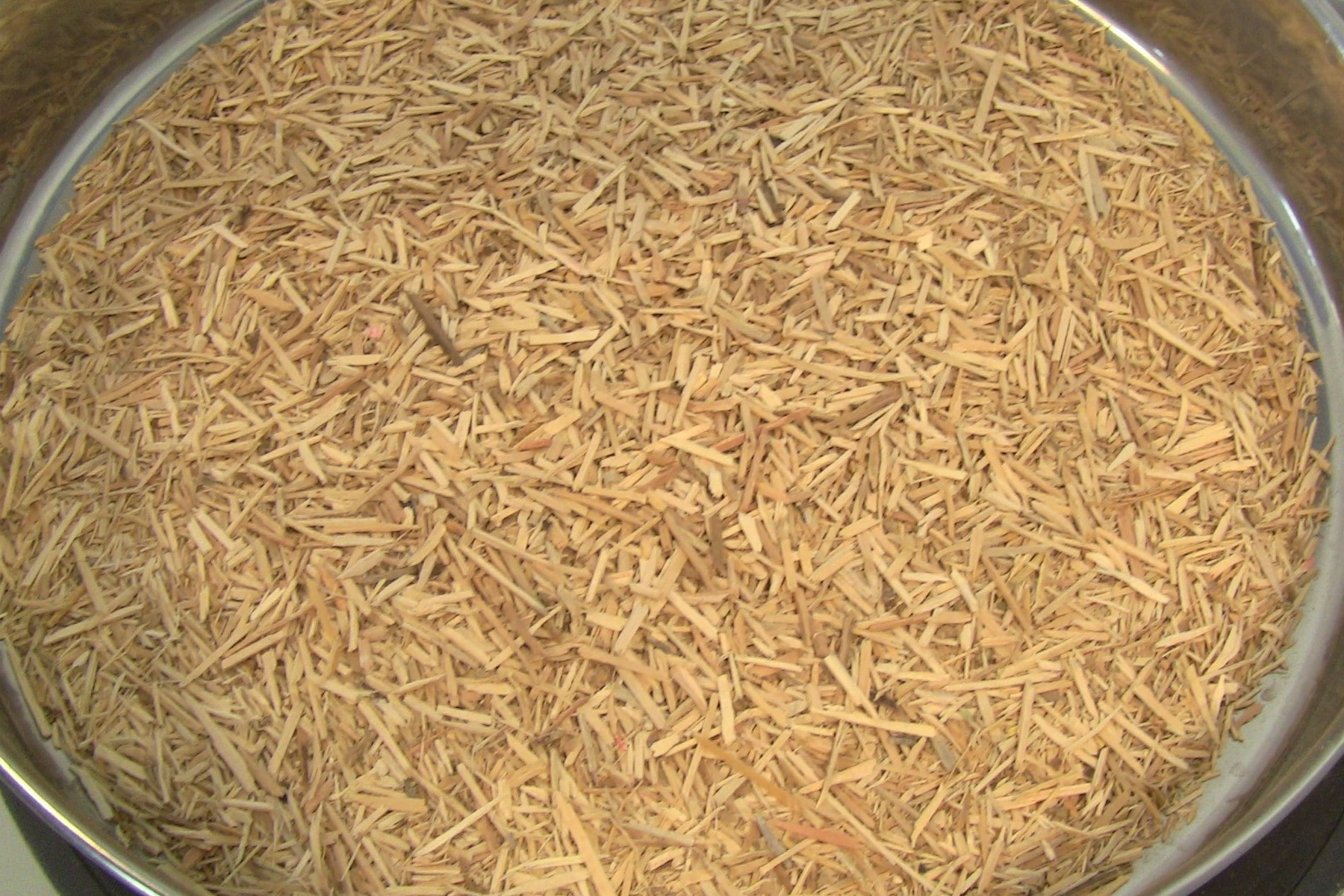
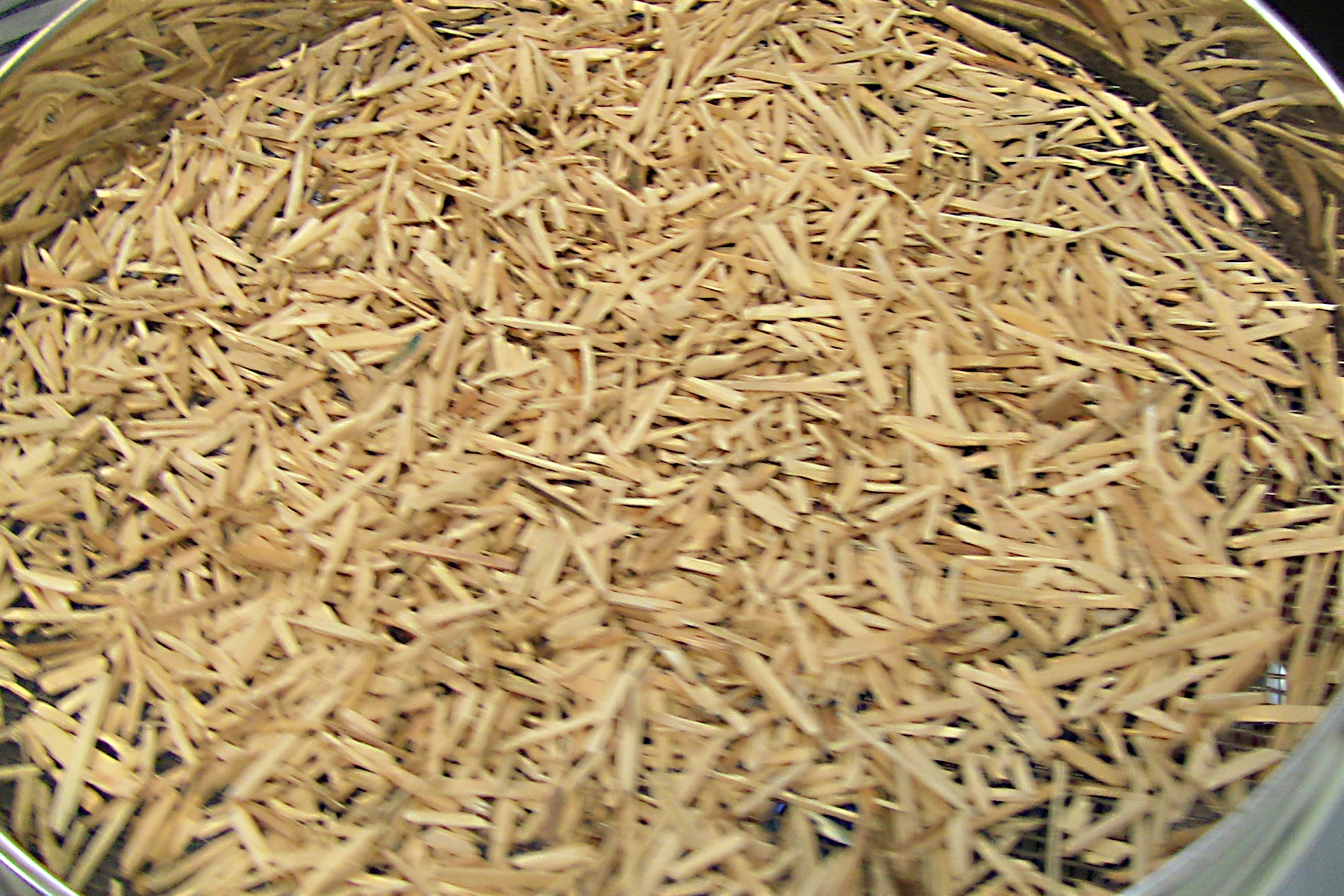
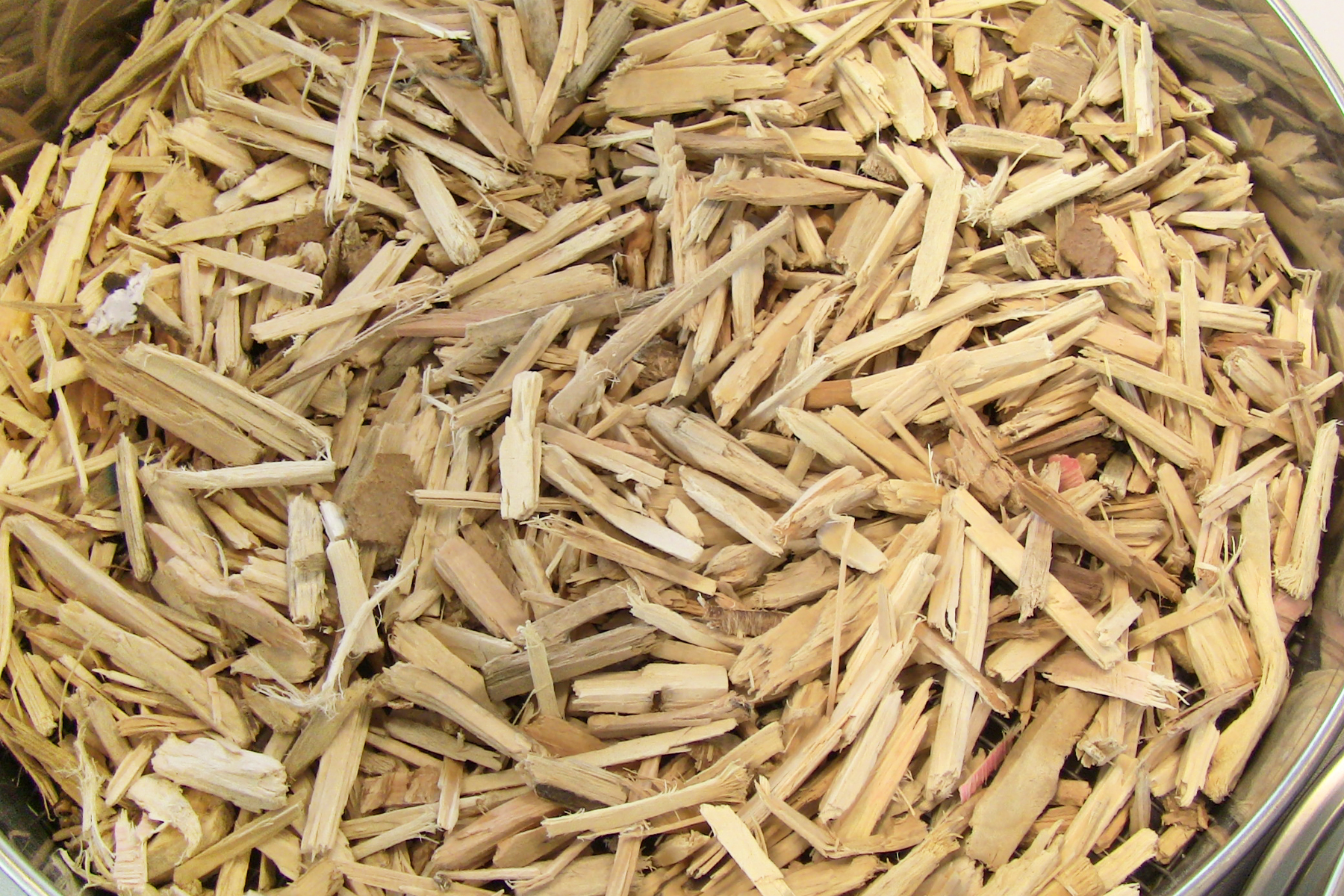
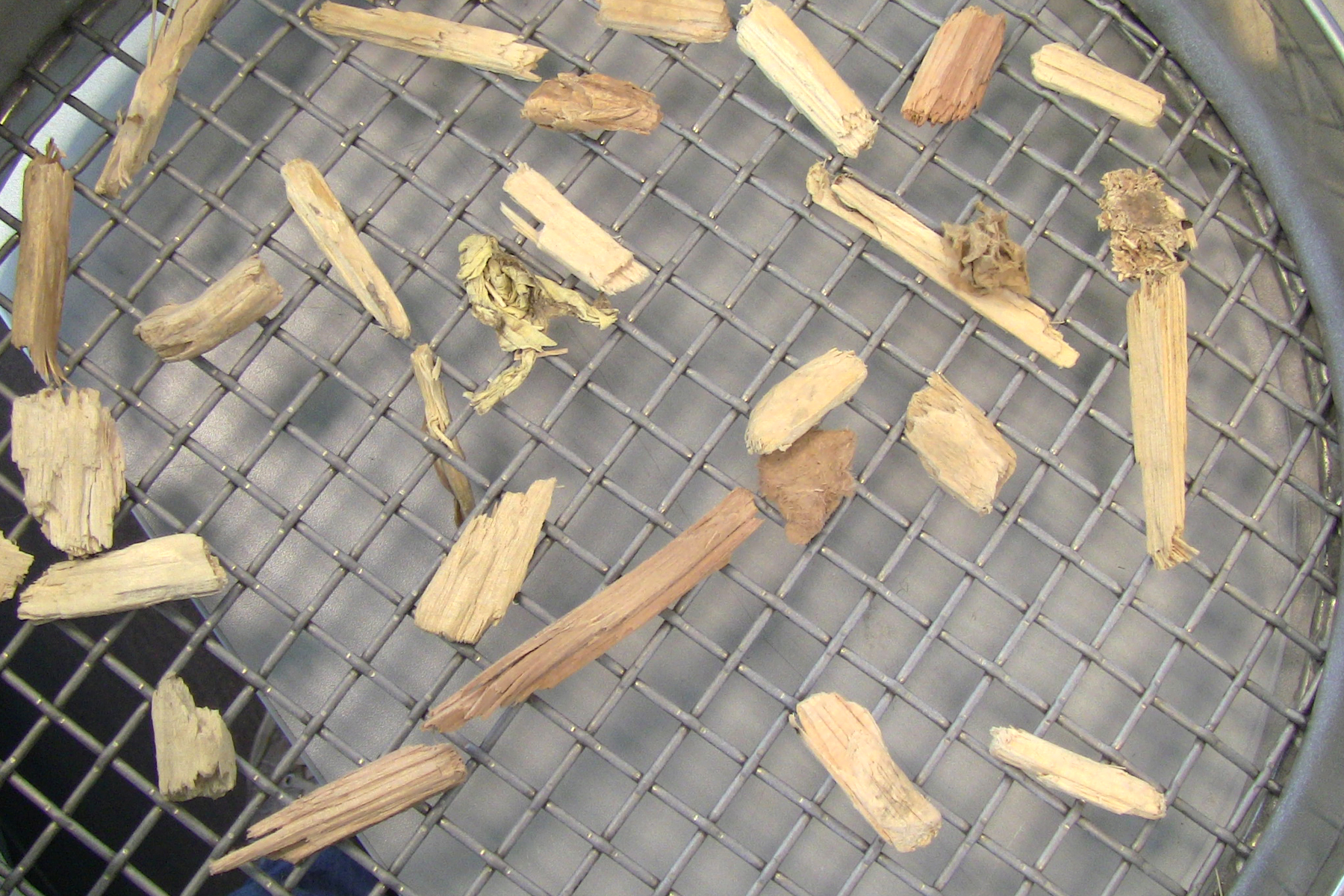
For elongated samples such as wood chips, the AS 400 control is advantageous because the horizontal movement of the unit prevents the wood chips from standing up and passing lengthwise. Within 4 minutes, 1 kg sample was fractionized using sieves 16 mm, 8 mm, 4 mm.
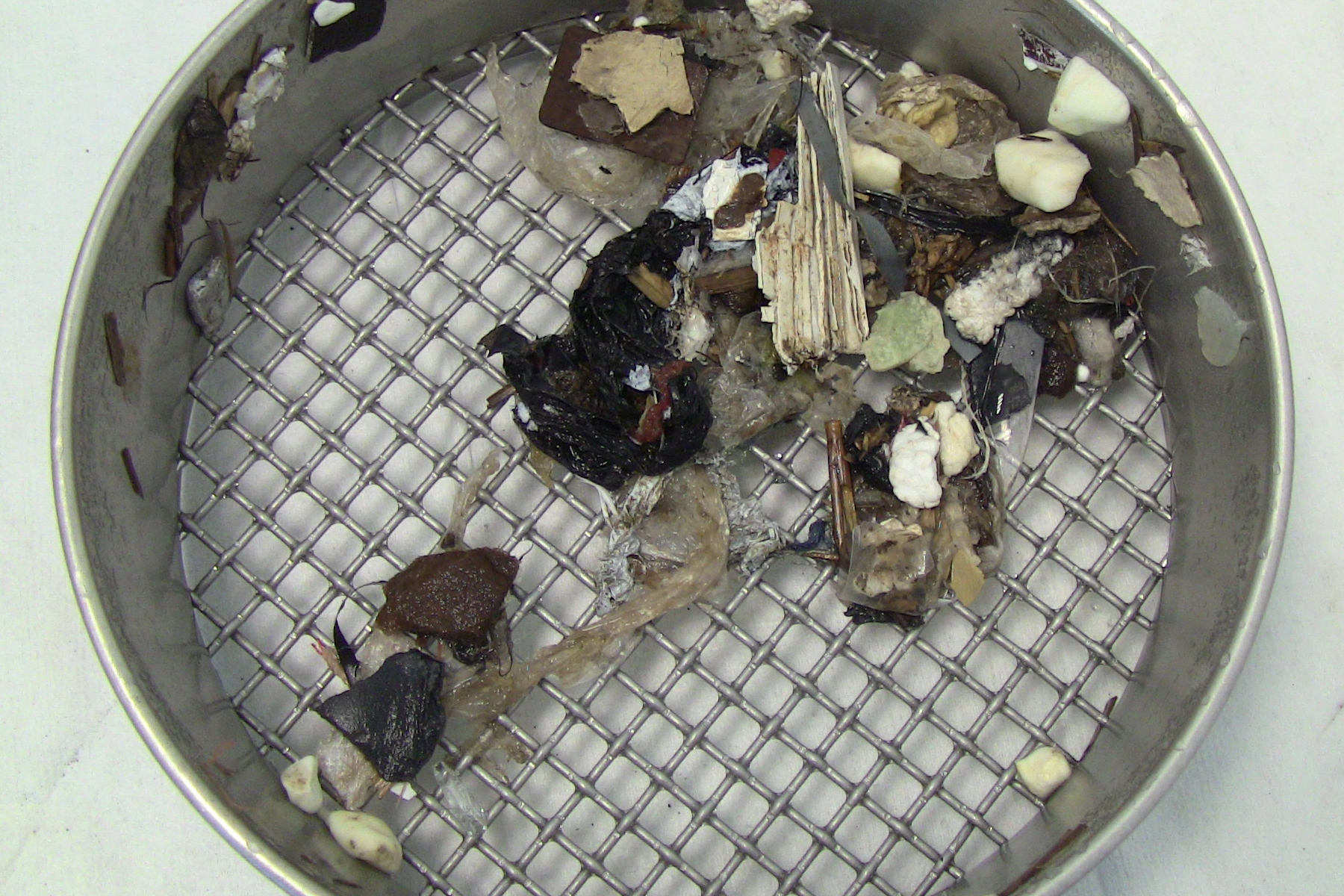
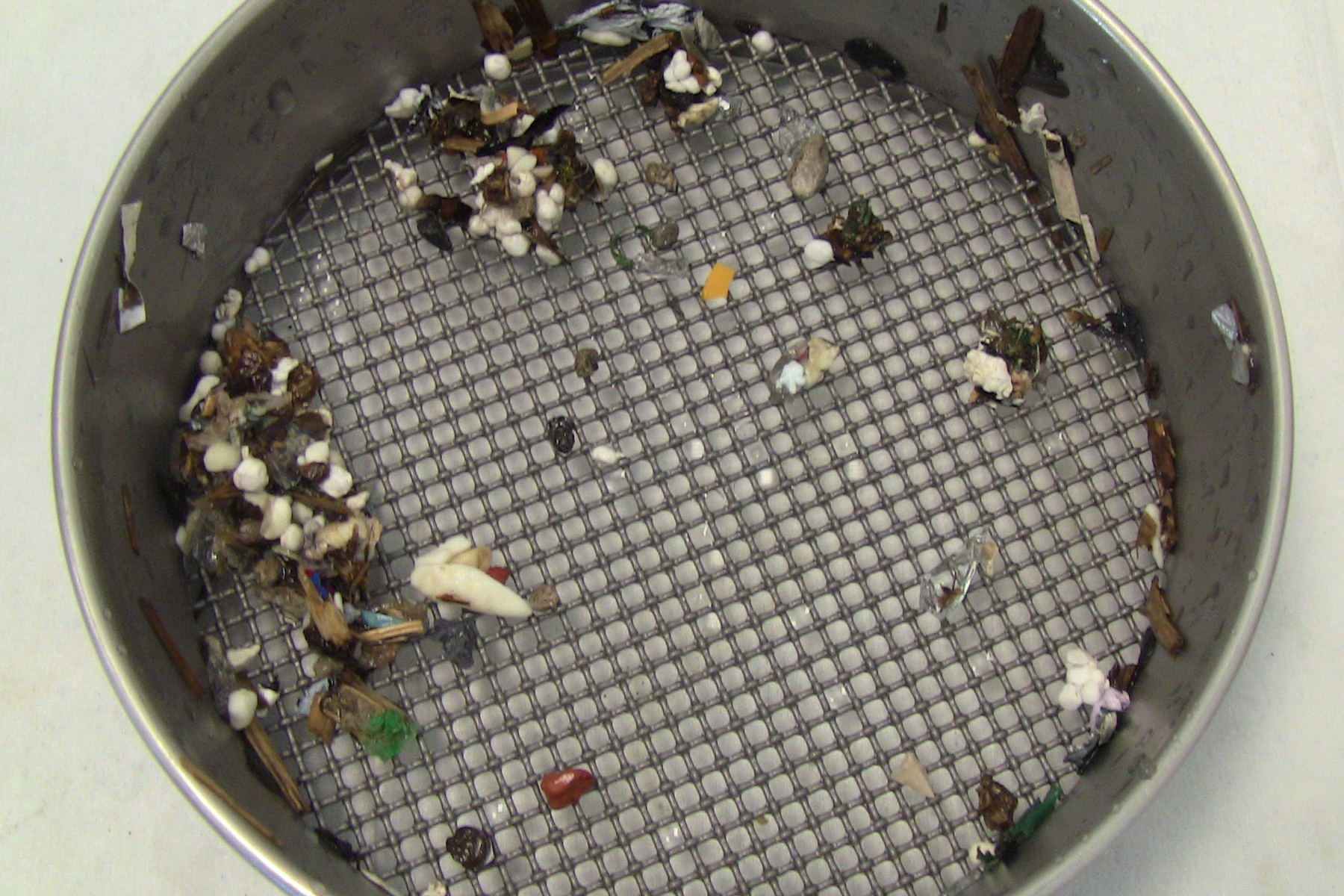
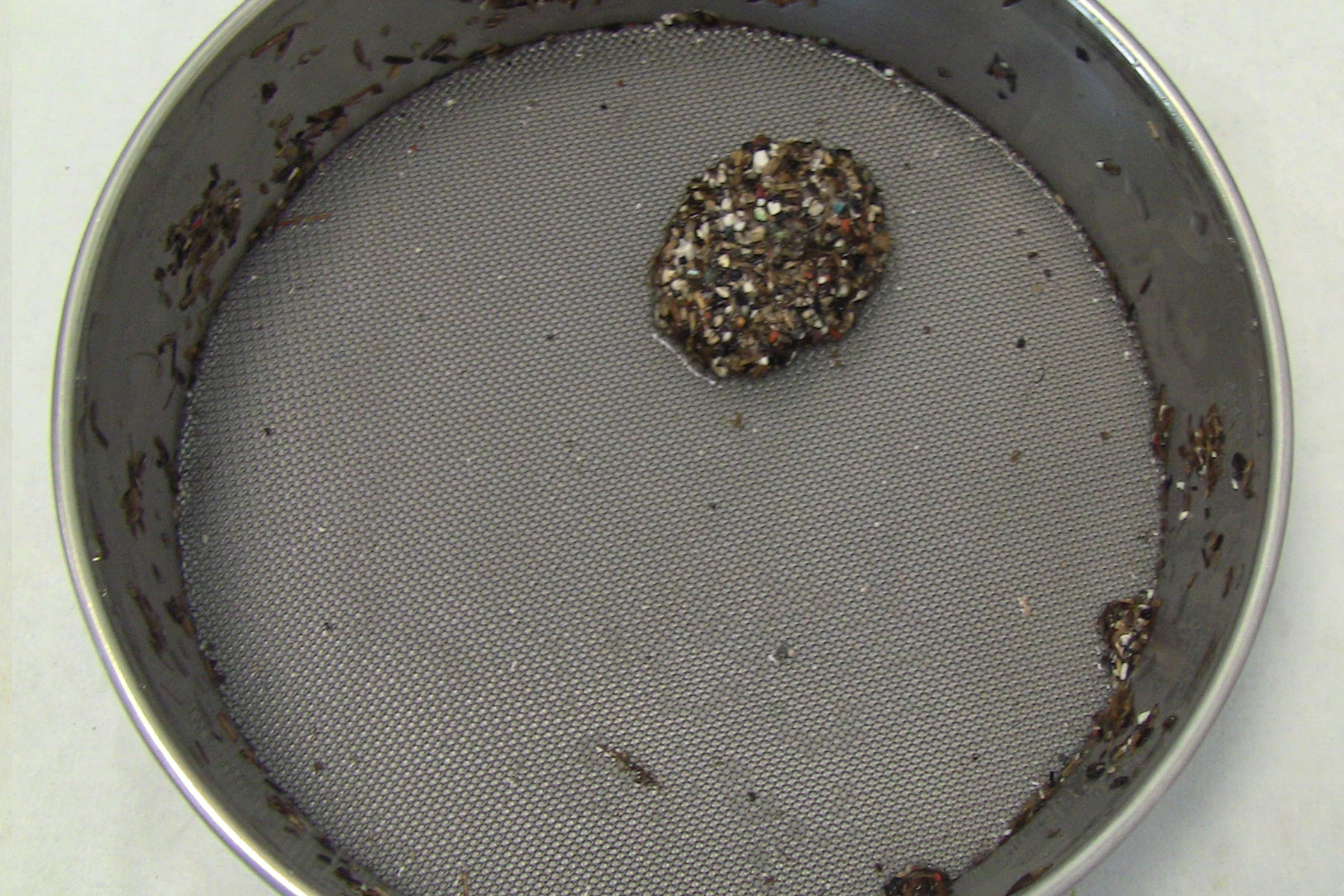
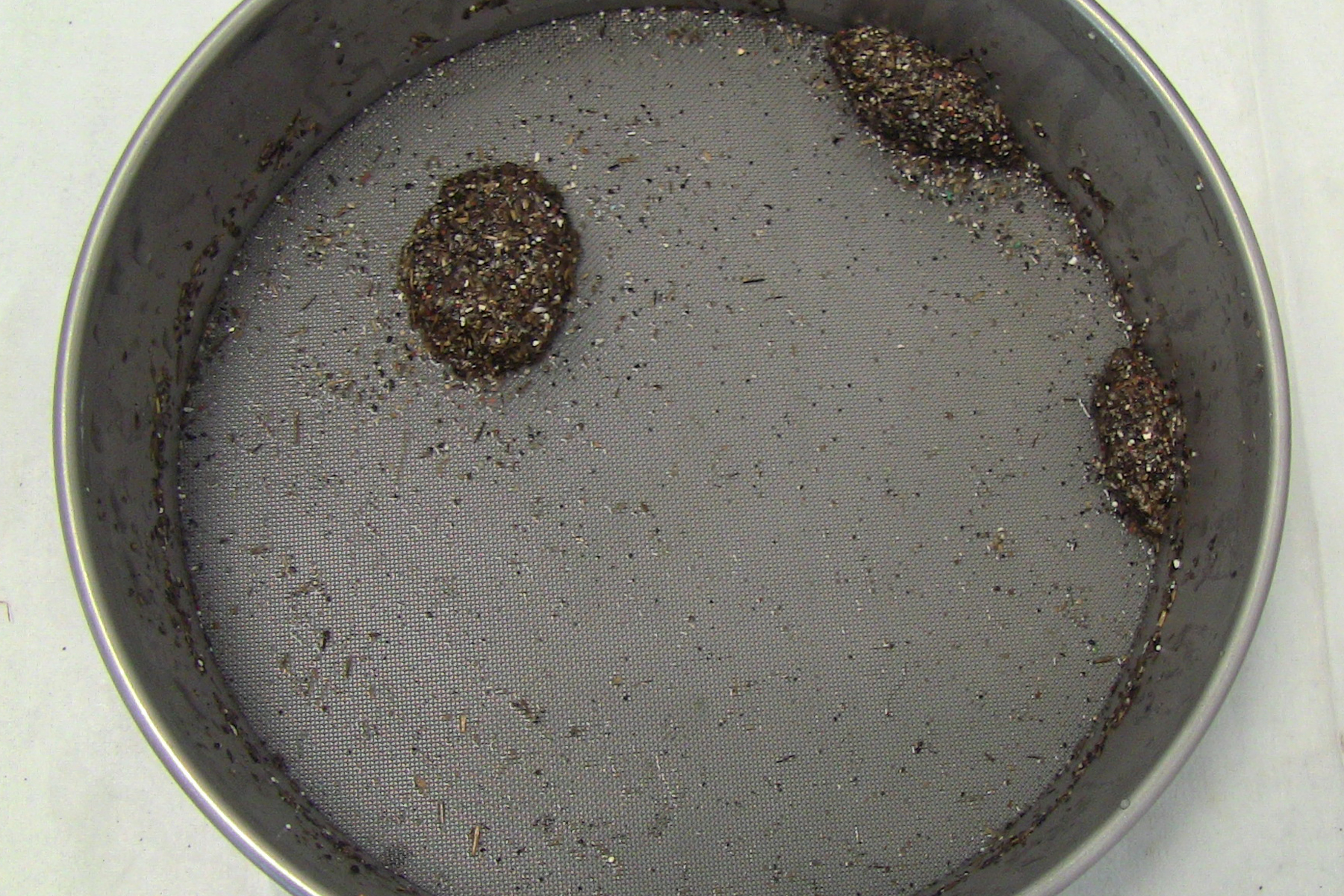
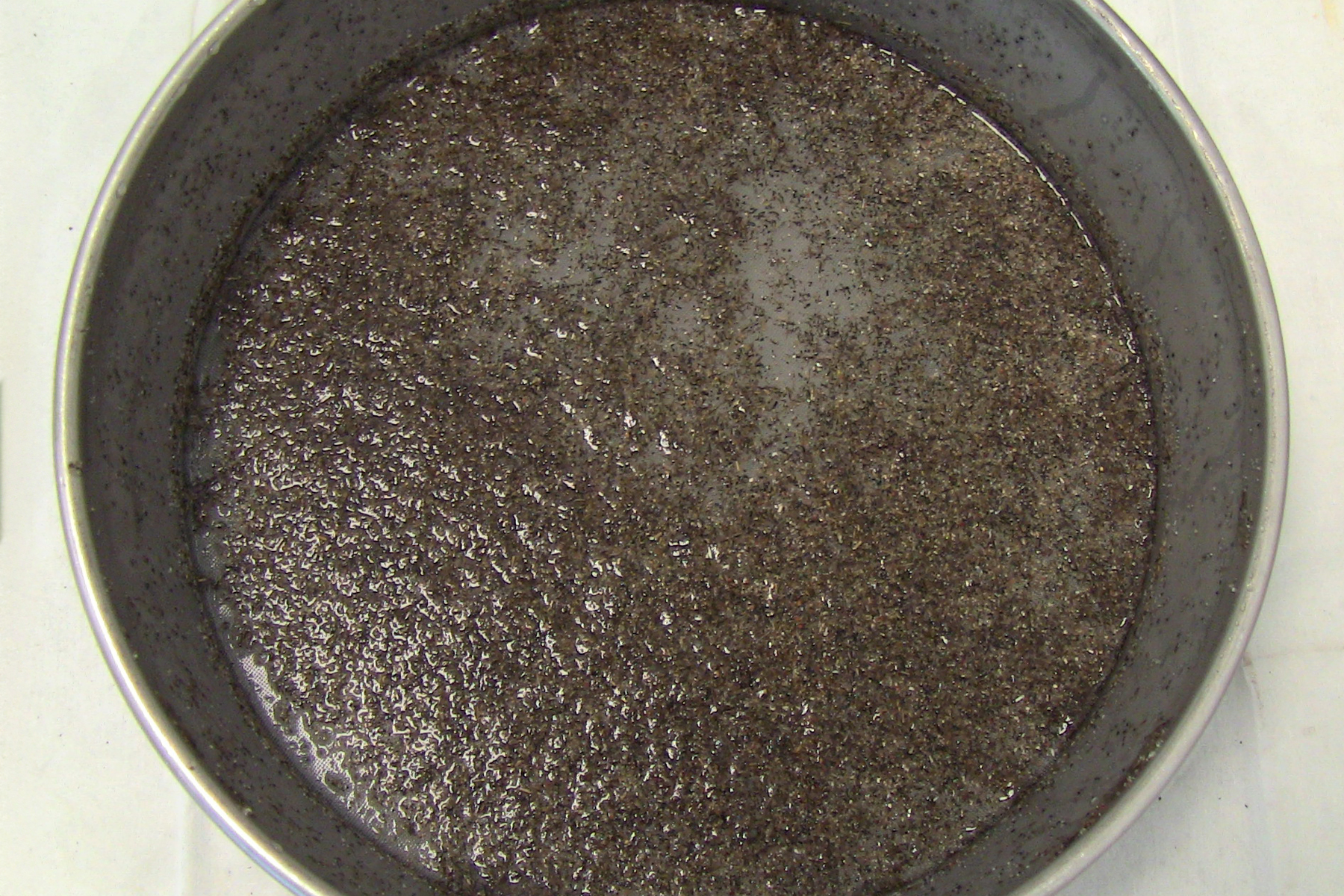
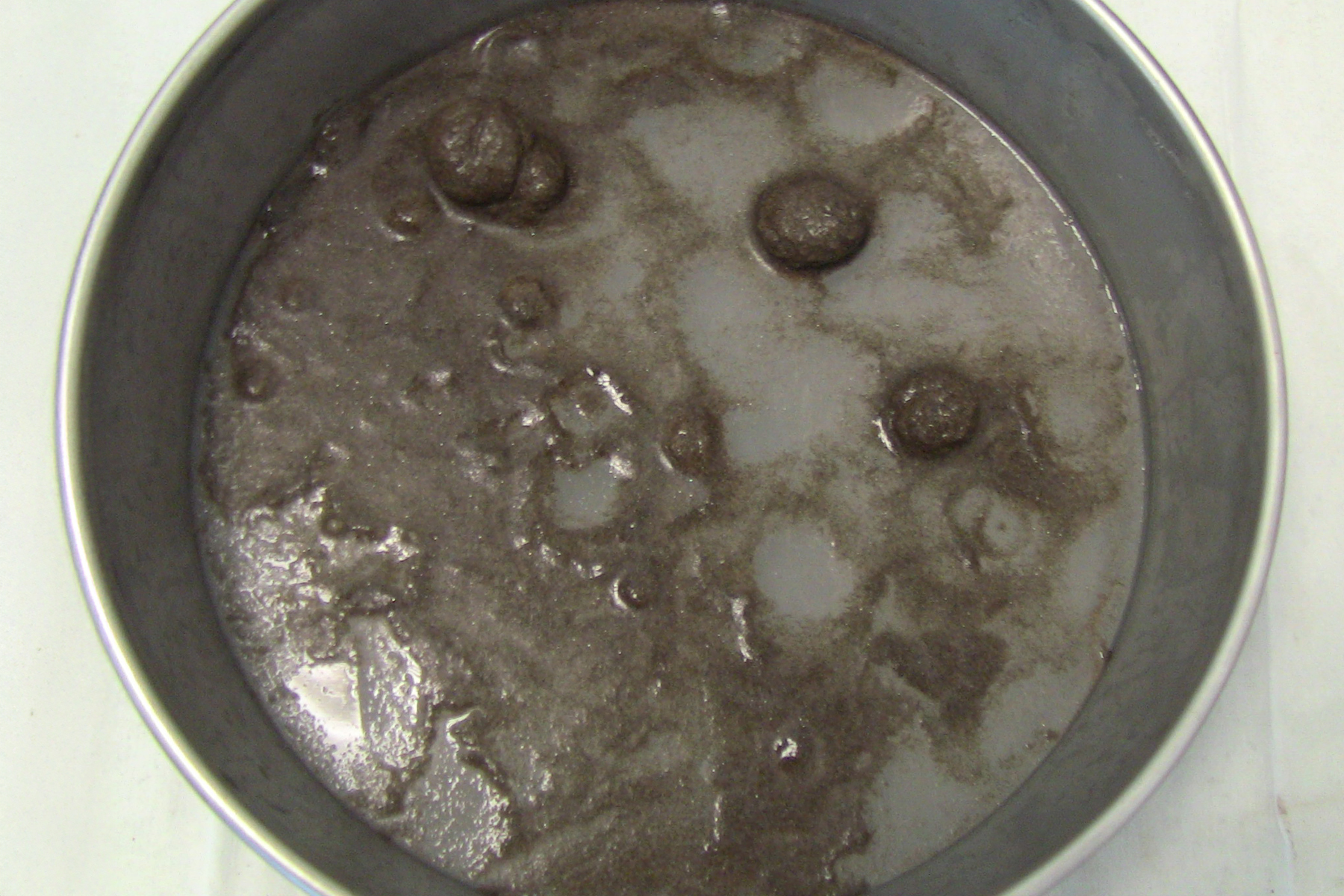
Wet sieving, e. g. for soil samples, is easily done in with the AS 200 control. Test sieves with mesh sizes 0.063 mm / 0.25 mm / 0.5 mm / 1 mm / 4 mm and 8 mm were used.
For quality control purposes, after sample preparation and homogenization, the AS 200 control or the AS 200 jet are the preferred instruments, as they are ideal for smaller sample volumes and fine fractions can be easily detected.
Pressing stable pellets for XRF analytics
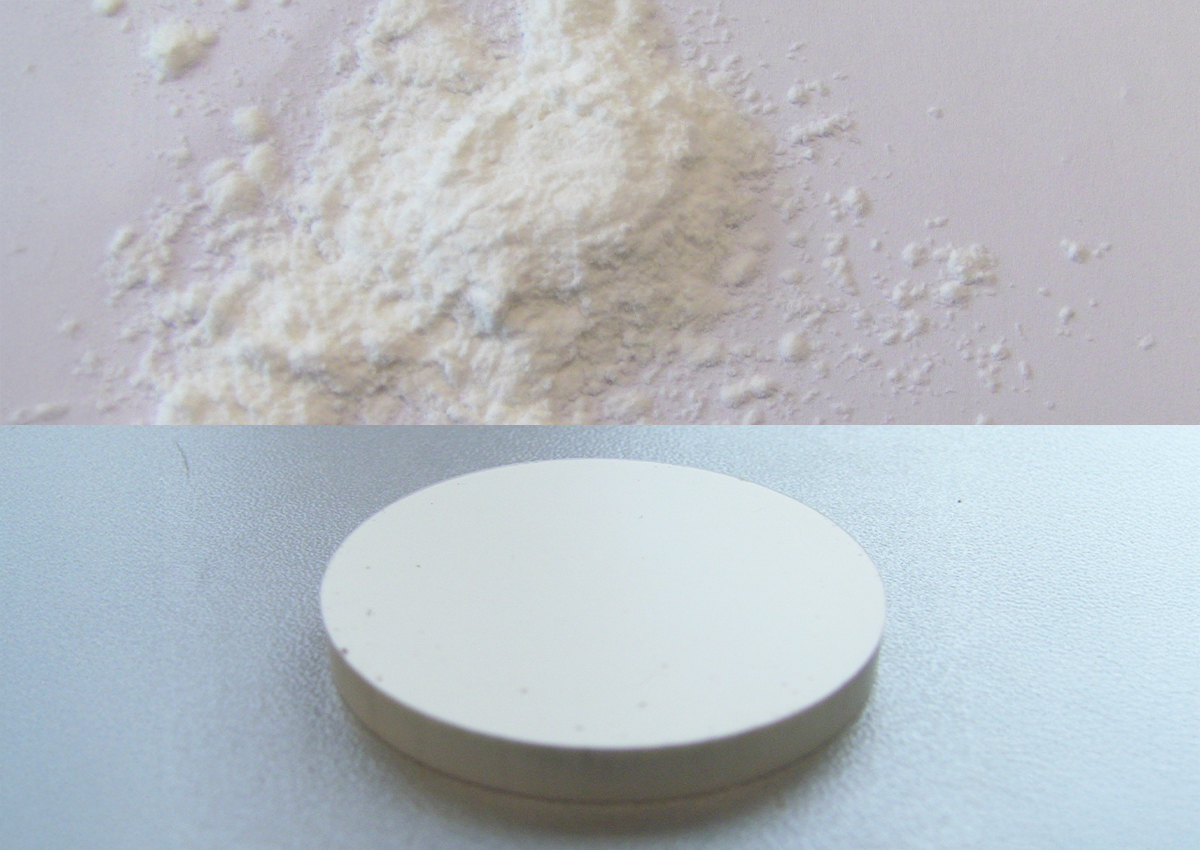
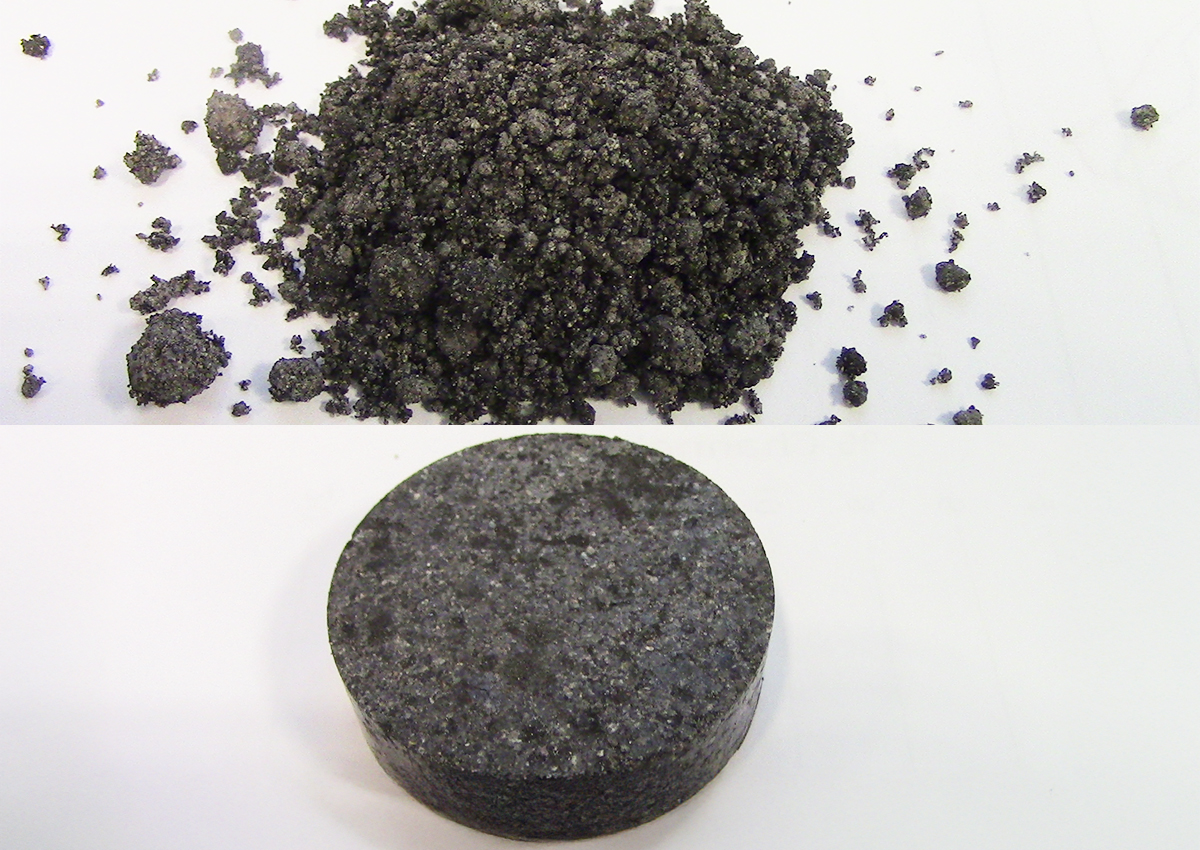
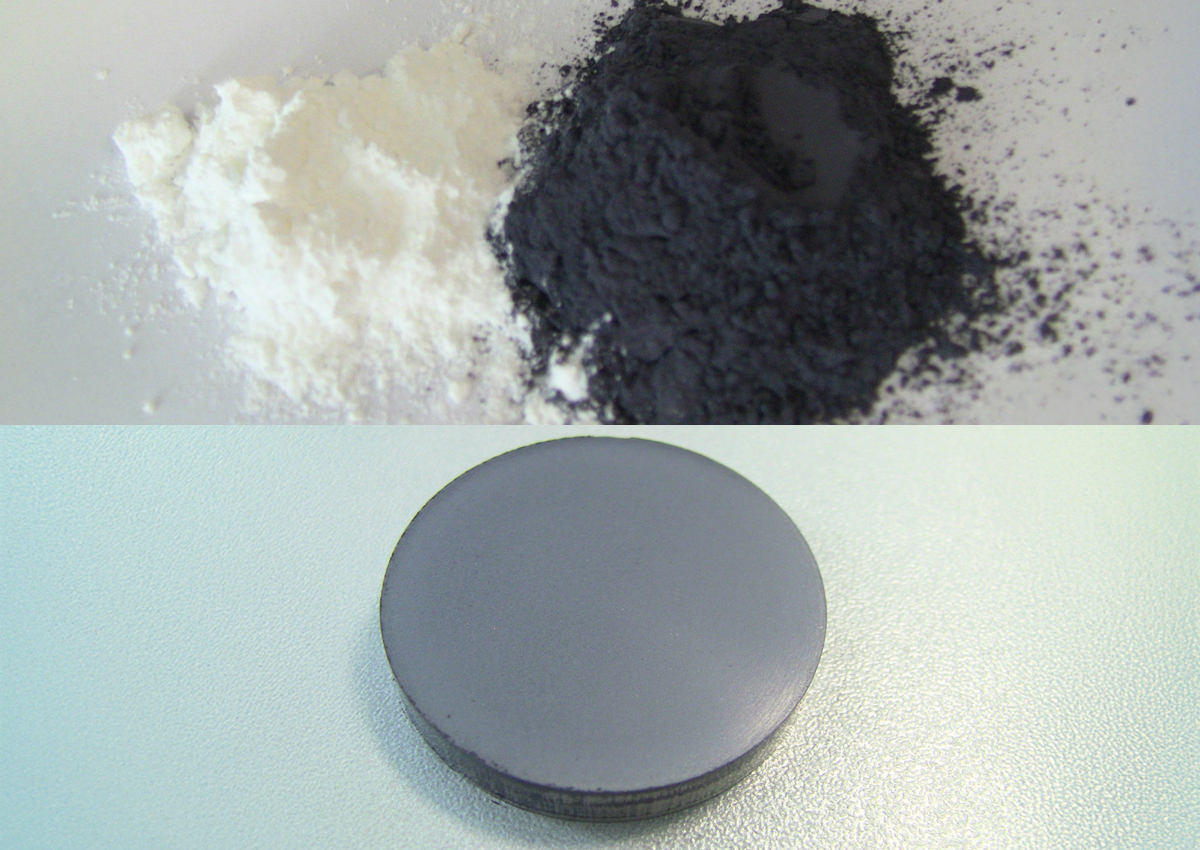
Solid, high-quality pellets are an important precondition for reliable and meaningful XRF analysis. With the PP 40, RETSCH offers a Pellet Press which produces strong pellets with a smooth surface. The PP 40 features an individual pressure force regulation in the range of 0 to 40 t. The PP 40 combines the advantage of a small benchtop model with high press forces, which are built automatically in up to three steps, ensuring that even difficult materials are pressed perfectly. For example, it turns out to be beneficial for the pellet stability when the forces like 10 tons, 20 tons and 30 tons in three subsequent steps of each 20 seconds holding time are programmed. The particles get the time to settle with the result that stability is enhanced. The pellets can be pressed in aluminum cups for further stability.
Of all measured do not help, the mixing the sample material with a binder like Licowax is good method to stabilize even the most difficult samples like metal powders. About 10-15 g sample are mixed with 2 g licowax and pressed in three steps as described above. For mixing, the MM 400 is a good solution. This Mill can be equipped with an adapter to hold 8 conical centrifuge tubes. The samples are all mixed automatically, equally and in a reproducible way.
R&D for improving recycling processes
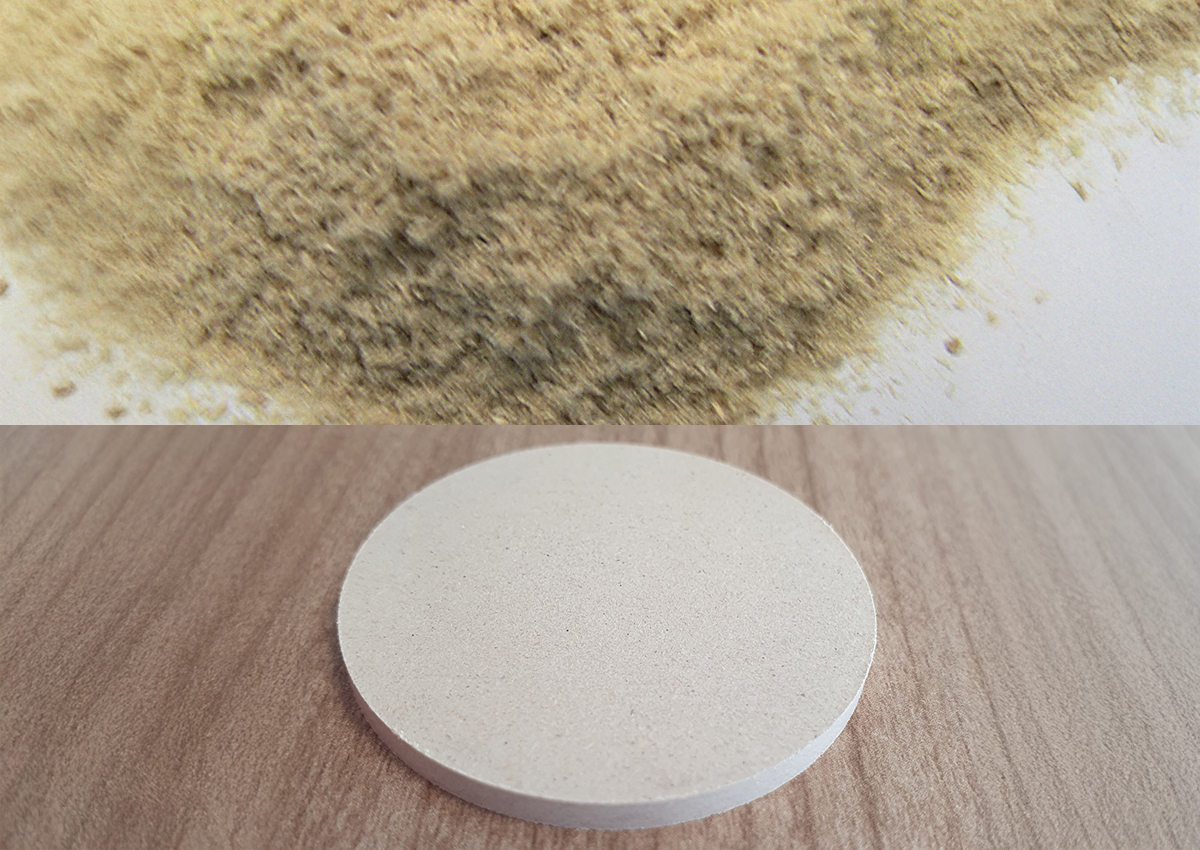
Research on recycling processes is a promising field to really come to new materials like new APIs, new polymers (biobased) or new fertilizers, which are in turn less harmful to the environment than conventional ones or which are simply better or open up new options. New materials, for example filter for water cleaning from oil residues, are under investigation. Retsch equipment in general, and especially Ball Mills e.g. in pharmaceutical R&D or mechanochemical applications, help to contribute to those new options. Polymer decomposition works with less by products in Ball mills compared to pyrolysis, and is much less energy consuming. There are many challenging projects in R&D using Retsch equipment, only a few are mentioned here.
Mechanochemistry
- Transform cellulose from plant residues to olygomeric glycanes and finally to bio-degradable materials substituting plastic.
- New pharmaceutical active ingredients can be obtained from wood and plant materials
- Waste organic materials to produce biochar and ball mill it to increase the reactive surface. New biobased polymers are obtained or new catalytic materials for improved fuels cells. Also approaches to gain new battery materials for low cost batteries are investigated by using plant waste and ball milling techniques.
- Work on projects to depolymerize several polymers including PE, PP or PVT to the correspondent monomers vial mechanochemical processes in Ball mills. More pure products are obtainable compared to the traditional pyrolysis method, despite saving energy compared to its huge energy consumption when the samples need to be heated to more than 300°C.
Grinding
- Research activities to re-use fruit industry by products (pits, skin). The materials are dried and ground e.g. using Retsch Ball mills and used for soil bioremediation from heavy-metals or water treatment from pharmaceutical products or pesticides.
- Ground mining waste is used as CO2 trap
- Innovative uses of recycled ceramics, such as in filtration systems.
Nano grinding
Nanogrinding of waste paper aims to find new electronic or pharmaceutical materials. Nanogrinding is classically done in ball mills in suspension so that the very small particles are kept separated and do not agglomerate.
Paving the way for biobased composites
NPSP is a pioneering company dedicated to making composites more sustainable. They are at the forefront of the materials transition, focusing on reducing the environmental impact of their products. NPSP uses natural raw materials and innovative production techniques that exceed current legislation, ensuring their products are both environmentally friendly and marketable. Their Nabasco® label guarantees that the products are made in an eco-friendly manner, using local, biobased materials composed of fibres like flax, hemp, recycled toilet paper with biobased resins and bio-circular fillers.