






What is tissue disruption?
Tissue disruption is the process of breaking open biological tissue, such as parts of organs, tumor tissue or muscle, to release intracellular components for analysis. It breaks down the tissue and its matrix, ruptures cell membranes and gives access to DNA, RNA, proteins and metabolites. Mechanical, chemical and enzymatic methods are used.
In biological and pharmaceutical research, tissue disruption is a first step in laboratory workflows such as protein extraction and RNA isolation. Scientists use it to access cells, proteins, nucleic acids and other molecules of the tissue. The goal is to release the intracellular components while the target molecules stay intact, which requires control of conditions such as temperature and buffer composition.
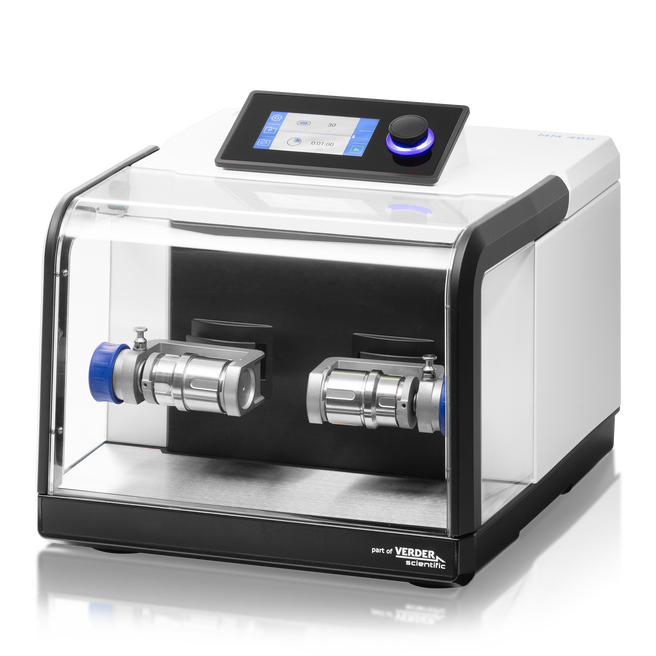
An instrument that disrupts tissue mechanically is often called a tissue homogenizer. The Retsch MM 400 is a mixer mill that disrupts tissue by the impact of grinding balls in single-use vials and tubes. The key data below apply to tissue disruption with the Retsch MM 400.
| Parameter | Retsch MM 400 mixer mill |
|---|---|
| Instrument type | Mixer mill; size reduction principle impact and friction |
| Vibrational frequency | 3 Hz to 30 Hz (180 min⁻¹ to 1,800 min⁻¹) |
| Grinding stations | 2 |
| Adapter for 5 ml single-use vials | 2 x 5 vials per run |
| Adapter for 50 ml single-use conical tubes | 2 x 4 tubes per run |
| Adapter for 1.5 ml or 2 ml single-use vials | 2 x 10 vials per run |
| Grinding time setting | Digital, 10 s to 8 h |
| Cryogenic grinding | Yes, with the Retsch CryoKit and stainless steel grinding jars |
Why is tissue disruption important for downstream analysis?
Tissue disruption is important because the intracellular DNA, RNA, proteins and metabolites of a tissue stay inaccessible until the tissue matrix and the cell membranes are broken. The efficiency of the disruption influences the yield and the quality of downstream analyses, which makes tissue disruption a first step in molecular biology, pharmaceutical and medical research workflows.
Without effective tissue disruption, essential intracellular components remain inaccessible to extraction. Effective tissue disruption therefore supports protein extraction, RNA isolation, biomarker studies and the analysis of active ingredients, which are typical downstream tasks.
Which methods are used for tissue disruption?
Tissue disruption uses mechanical, chemical or enzymatic methods, selected by tissue type and research goal. Mechanical methods apply physical force, for example by ball milling, rotor-stator systems or ultrasonic disruption. Chemical methods use detergents to break down cell membranes. Enzymatic methods use enzymes to break down connective structures.
| Approach | How the tissue is broken down | Examples |
|---|---|---|
| Mechanical | Physical force breaks down the tissue matrix and the cell membranes | Ball milling, rotor-stator systems, ultrasonic disruption |
| Chemical | Detergents break down cell membranes | Detergents |
| Enzymatic | Enzymes break down connective structures and cell membranes | Enzymes |
Different tissues need different disruption techniques because they differ in structure and toughness. A soft tissue such as liver and a tough, fibrous tissue such as muscle require different techniques.
Which mechanical methods are used for tissue disruption?
The common mechanical methods for tissue disruption are ball mills, rotor-stator systems and ultrasonic disruption. A ball mill breaks down tissue by the impact of grinding balls, a rotor-stator system by shear between a rotating rotor and a fixed stator, and ultrasonic disruption by ultrasound introduced into the sample. Retsch mixer mills are ball mills.
| Mechanical method | Disruption principle | Used in the MM 400 |
|---|---|---|
| Ball mill | Impact and friction of grinding balls on the tissue | Yes |
| Rotor-stator system | Shear between a rotating rotor and a fixed stator | No |
| Ultrasonic disruption | Ultrasound introduced into the sample | No |
How does tissue disruption differ from cell disruption?
Tissue disruption breaks down tissue and its surrounding matrix in addition to the cell membranes, whereas cell disruption opens single cells such as yeast, microalgae or bacteria. Tissue disruption is required whenever intracellular components must be extracted from tissue for analysis, because the tissue structure must be broken down before the cells release their contents.
| Aspect | Tissue disruption | Cell disruption |
|---|---|---|
| Sample | Parts of organs, tumor tissue, muscle | Single cells, such as yeast, microalgae or bacteria |
| What is broken down | Tissue structure, matrix and cell membranes | Single cells |
| Principle in the MM 400 | Impact of grinding balls on the tissue in single-use vials or tubes | Bead beating with small glass beads |
| Retsch page | This page | Cell Disruption with Ball Mills | Retsch |
The Retsch MM 400 is used for both tasks, with grinding balls for tissue and small glass beads for single cells. For cell suspensions of yeast, microalgae or bacteria, the Retsch page "Cell Disruption & Biological Samples" covers the procedure.
How does the Retsch MM 400 mixer mill disrupt tissue?
The Retsch MM 400 mixer mill disrupts tissue in single-use vials or tubes that oscillate horizontally at 3 Hz to 30 Hz. The inertia of the grinding balls causes impacts on the tissue, and the combined movement of vials or tubes and balls mixes the sample. Two grinding stations process up to 10 vials of 5 ml per run.
Retsch lists impact and friction as the size reduction principle of the Retsch MM 400. Grinding time and frequency are set digitally, with a grinding time of 10 s to 8 h, and up to 12 SOPs can be stored for repeatable settings.
Who the Retsch MM 400 is for: The Retsch MM 400 suits laboratories in molecular biology, pharmaceutical, environmental and medical research that disrupt tissue samples in single-use vials or tubes for DNA, RNA, protein or metabolite analysis. Cell suspensions of yeast, microalgae or bacteria are covered on the Retsch page Cell Disruption with Ball Mills | Retsch.
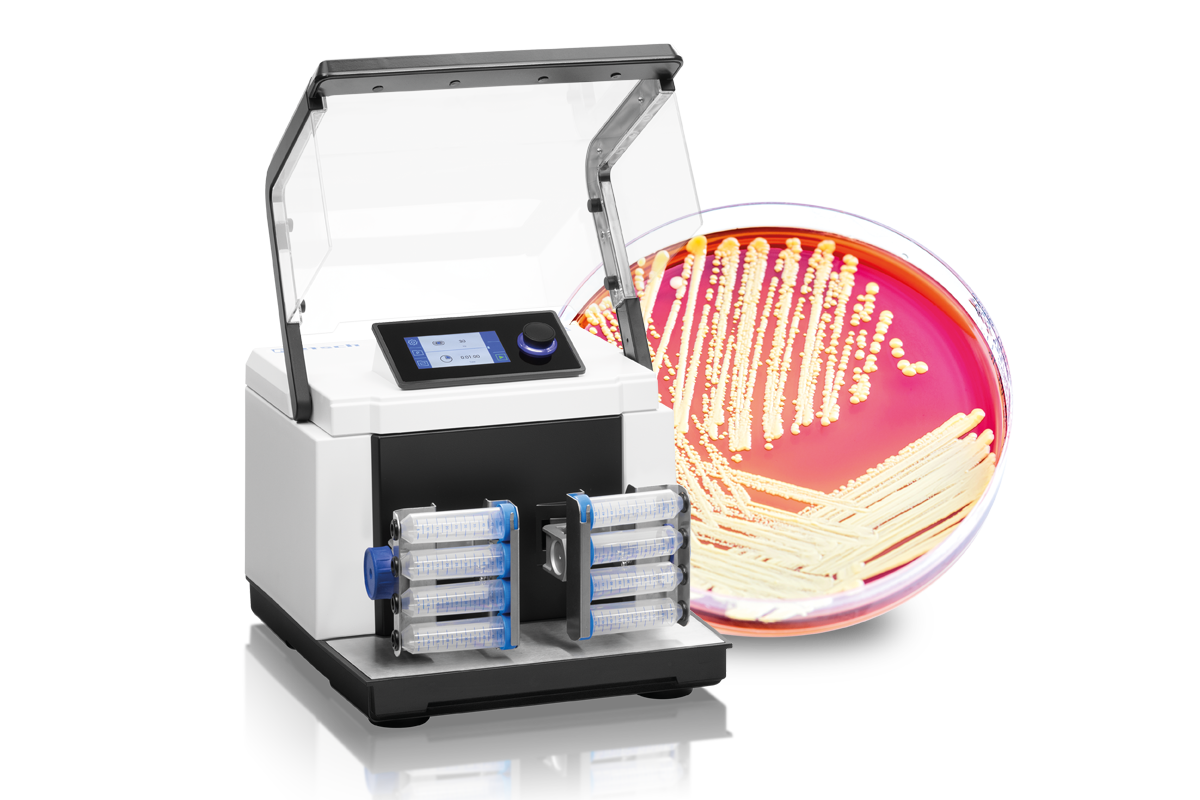
| Vial or tube | Adapter capacity per run | Grinding balls | Filling |
|---|---|---|---|
| 5 ml single-use vial | 2 x 5 vials | Three 10 mm, stainless steel | Tissue and an appropriate buffer |
| 50 ml single-use conical tube | 2 x 4 tubes | Four 20 mm, steel | Tissue; filled almost to the top with buffer |
How is tissue disrupted in 5 ml single-use vials with the Retsch MM 400?
Soft tissue such as liver is disrupted in a 5 ml single-use vial together with three 10 mm stainless steel grinding balls and an appropriate buffer. The adapter of the Retsch MM 400 holds 2 x 5 vials, and the mill oscillates at approximately 30 Hz until a uniform homogenate without visible residues is obtained.
- Place the tissue, three 10 mm stainless steel grinding balls and an appropriate buffer into a 5 ml single-use vial.
- Fix the vials in the adapter, which holds 5 vials per grinding station and 2 x 5 vials per run.
- Start the Retsch MM 400 at a frequency of approximately 30 Hz.
- Stop the run when no visible residues remain and a uniform homogenate is obtained.
- Remove the vials and continue with the downstream analysis.
Single-use vials eliminate the need for cleaning between samples and reduce the risk of cross-contamination.
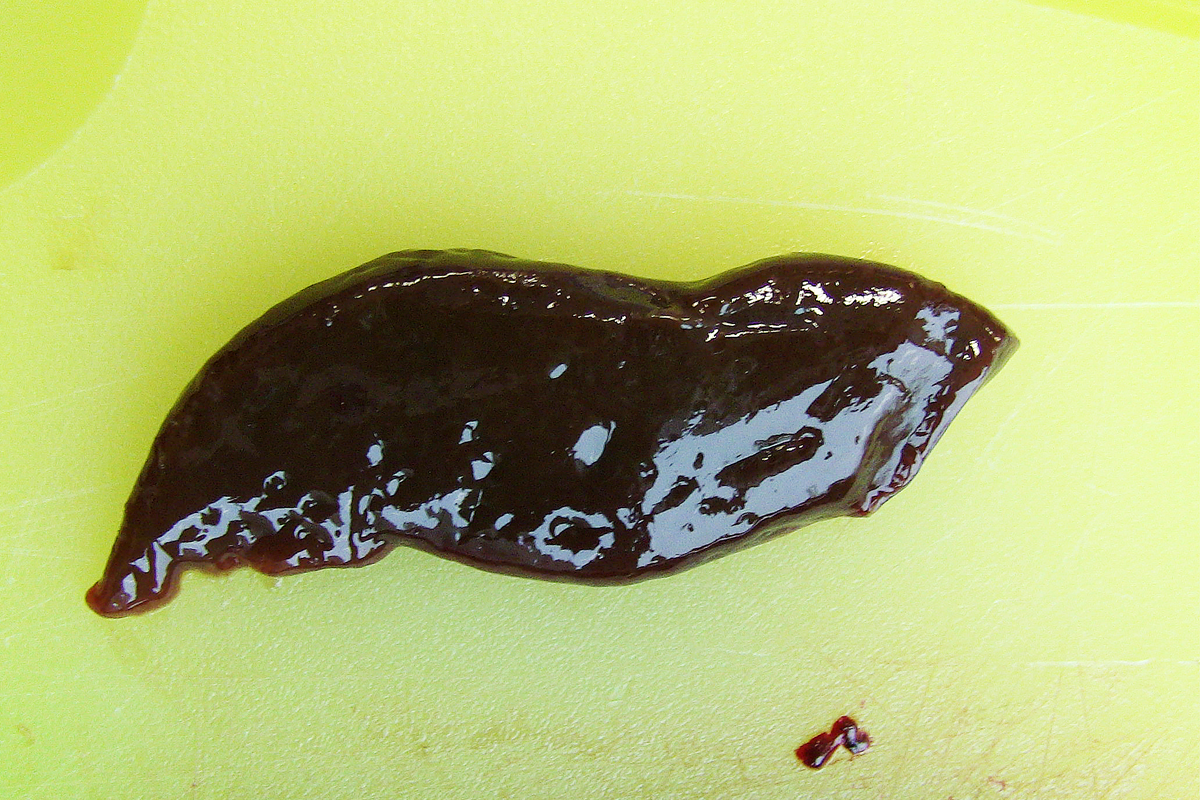
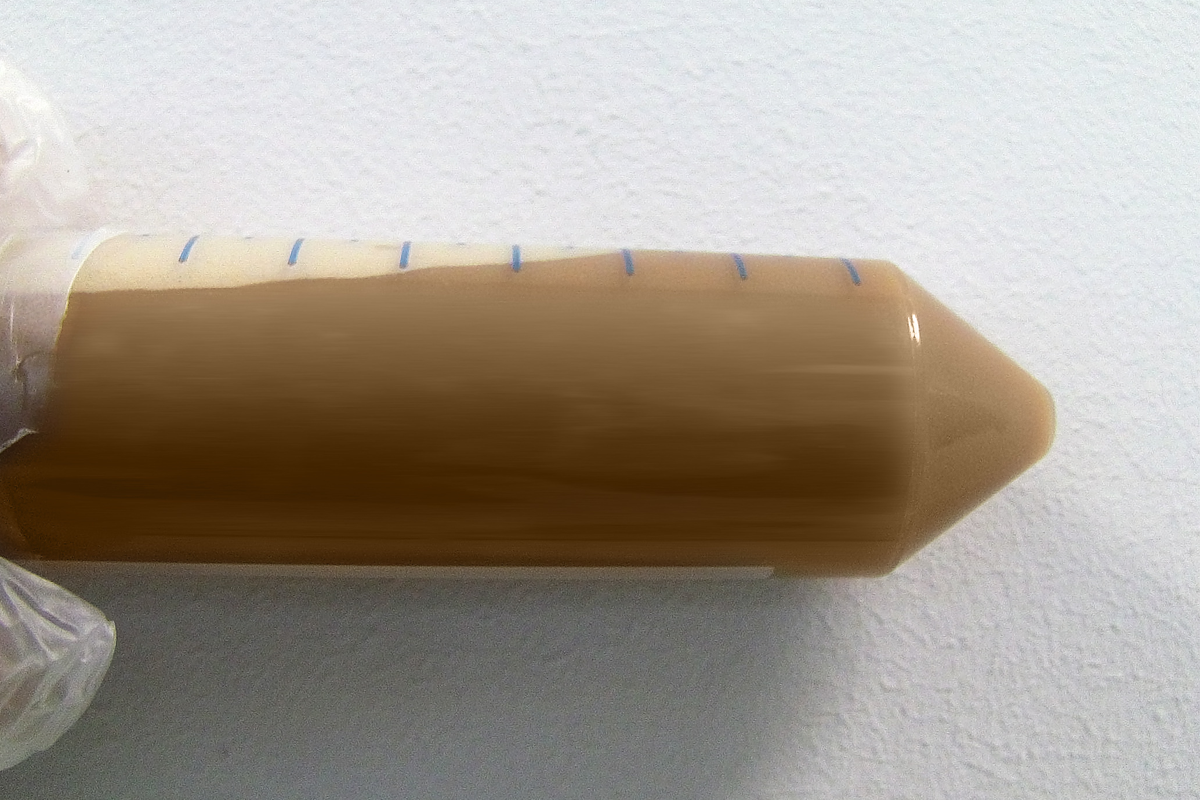
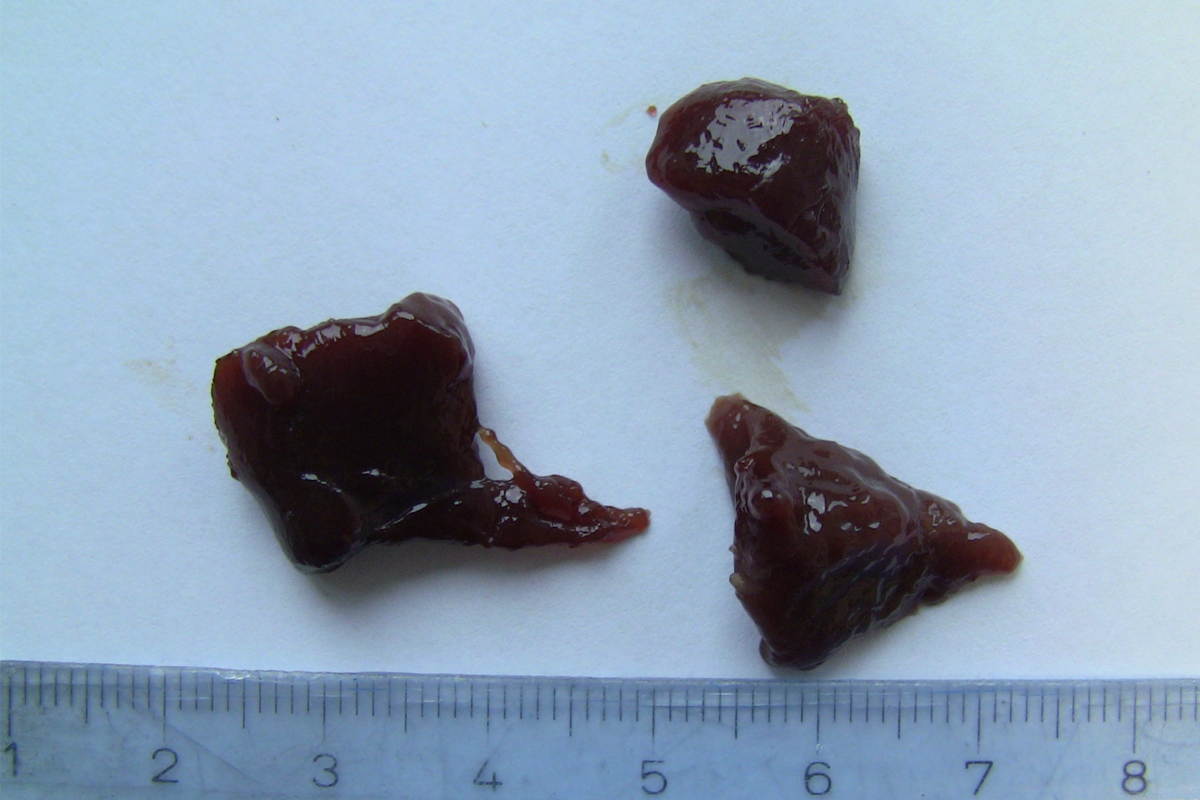
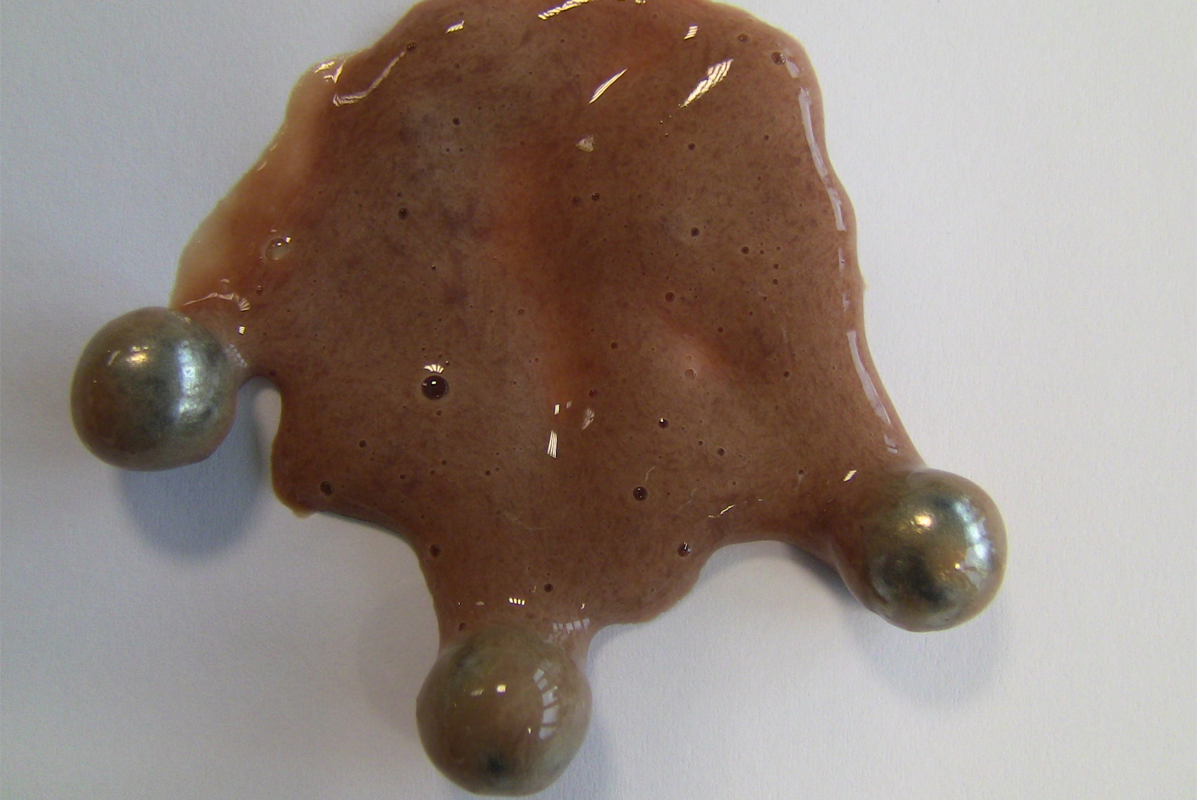
Campione di fegato prima e dopo l'omogeneizzazione con MM 400
How is a larger tissue sample disrupted in 50 ml single-use conical tubes?
A larger tissue sample is disrupted in a 50 ml single-use conical tube with four 20 mm steel grinding balls. The tube is filled almost to the top with buffer, so that the mechanical forces do not break the tube. The adapter of the Retsch MM 400 holds 2 x 4 tubes, which is 8 samples per run.
Retsch recommends a reduced frequency and a high filling level to keep the mechanical stress on the tubes as low as possible. Retsch names fresh liver in buffer solution as an example of tissue that can be disrupted in 50 ml tubes with steel or zirconium oxide grinding balls.
How does cryogenic grinding work with the Retsch MM 400?
Cryogenic grinding with the Retsch MM 400 embrittles the sample at low temperature. The sample and one grinding ball are placed in a closed stainless steel grinding jar, which is pre-cooled in a liquid nitrogen bath for approximately 2 min. Retsch calls this indirect embrittlement and supplies the insulated containers, tongs and safety glasses in the Retsch CryoKit.
The procedure described by Retsch uses a stainless steel grinding jar, not a single-use vial or tube. The Retsch page How are samples prepared cryogenically? explains cryogenic grinding with liquid nitrogen and dry ice.
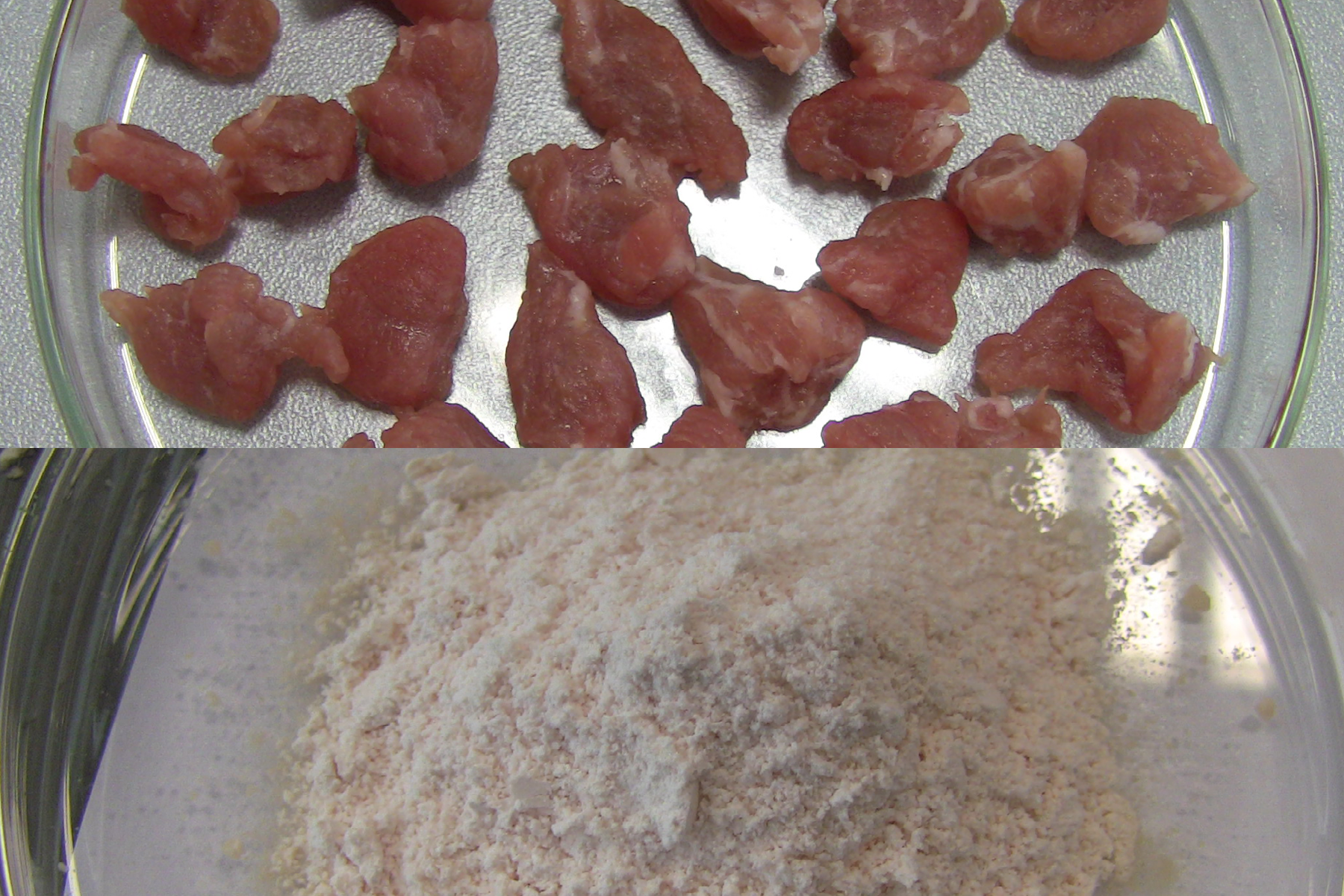
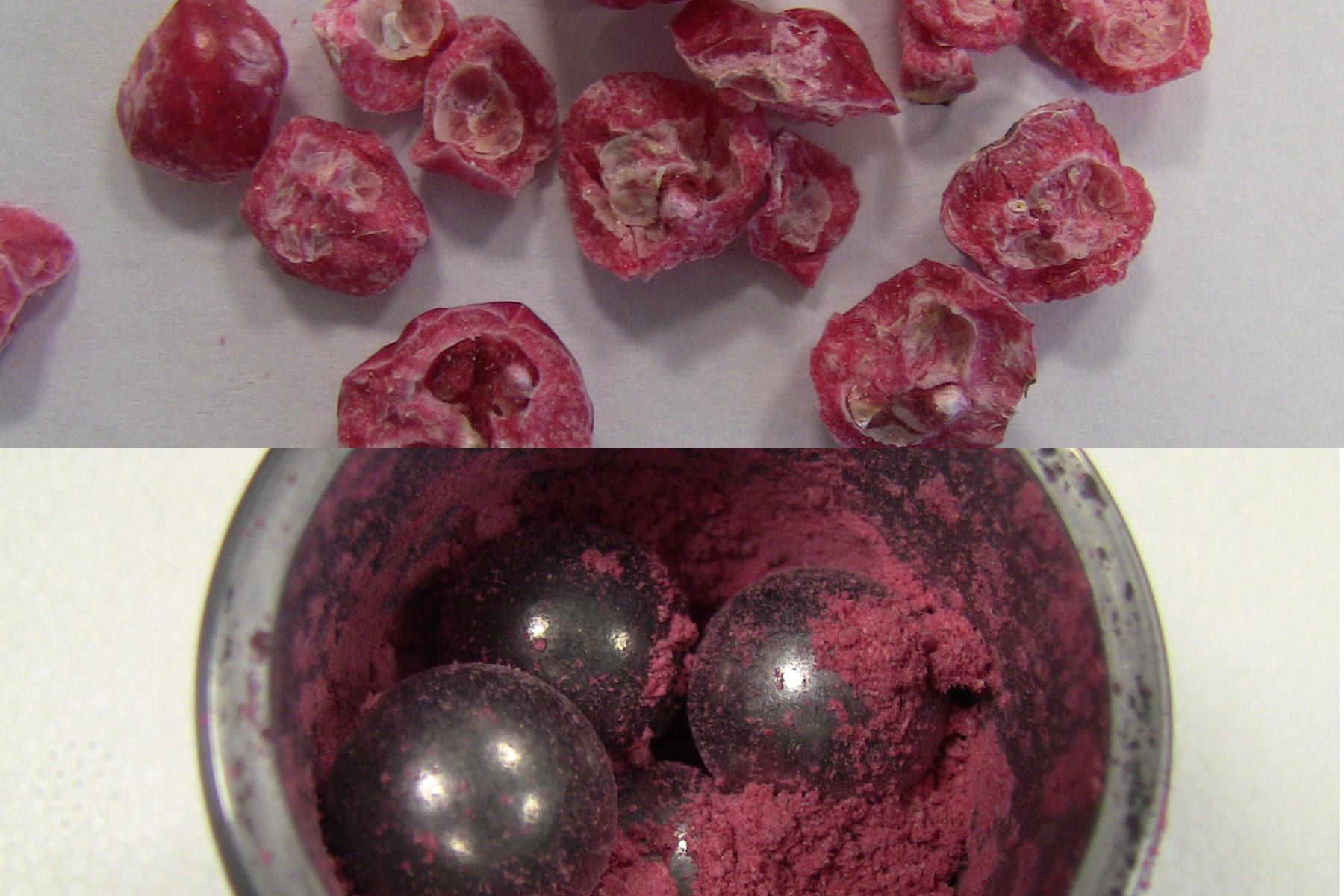
prima e dopo la macinazione criogenica
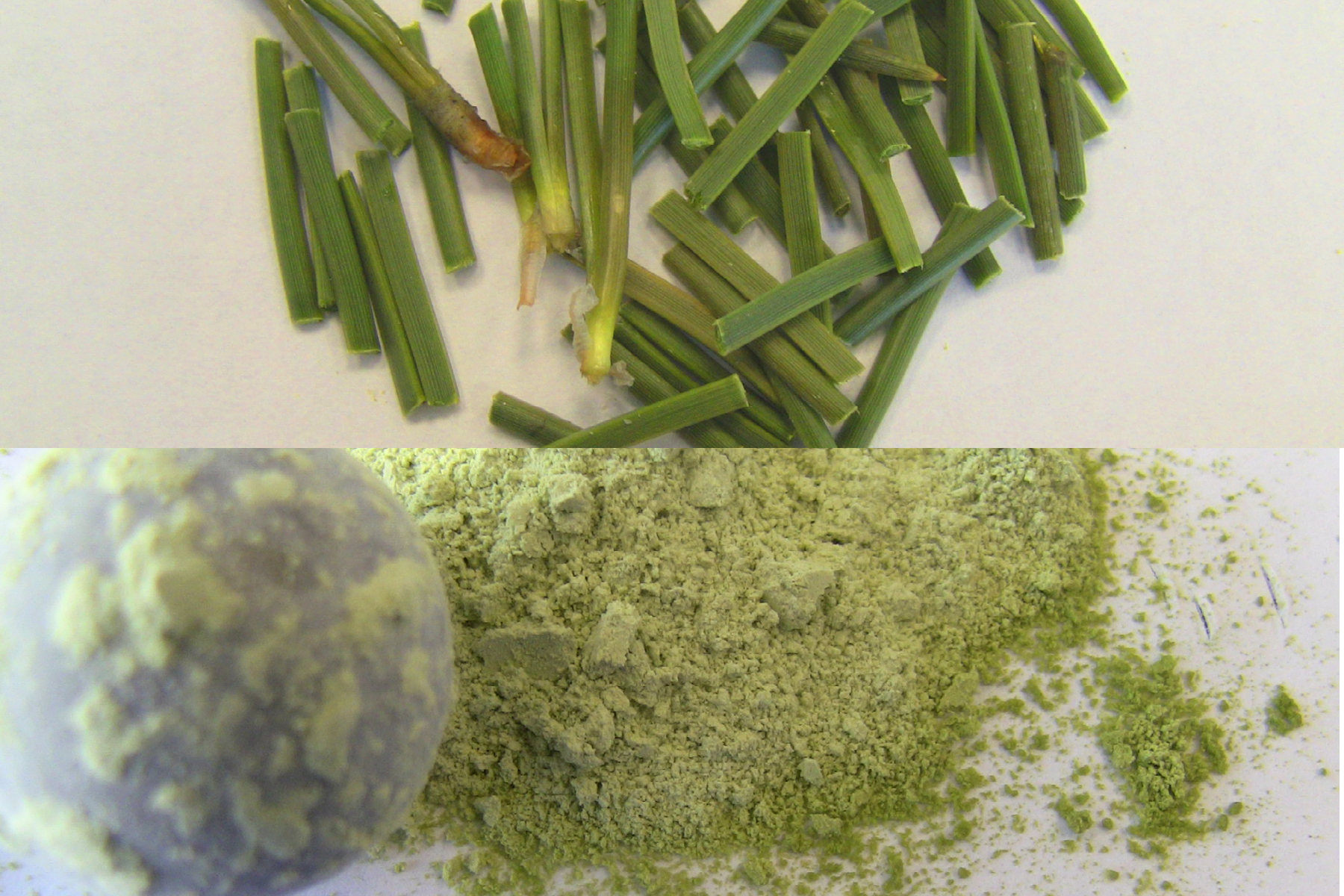
prima e dopo la macinazione criogenica
How are DNA, RNA and proteins protected during tissue disruption?
DNA, RNA and proteins are protected during tissue disruption by controlling the conditions, mainly temperature and buffer composition, because uncontrolled conditions degrade the target molecules. Cryogenic grinding cools the sample, and single-use vials reduce the risk of cross-contamination between samples.
| Condition | Why it matters | Option with the Retsch MM 400 |
|---|---|---|
| Temperature | Temperature must be controlled to prevent degradation of the target molecules | Cryogenic grinding with the Retsch CryoKit. |
| Buffer composition | Buffer composition has to be controlled to prevent degradation of the target molecules | An appropriate buffer in the vial or tube. |
| Cross-contamination | Residues of a previous sample can contaminate the next sample | Single-use vials and single-use conical tubes need no cleaning |
Conditions that protect target molecules during tissue disruption.
Where is tissue disruption used?
Tissue disruption is used in research, biotechnology, medicine and environmental analysis, wherever intracellular components of tissue must be extracted for analysis. Typical fields are molecular biology for DNA and RNA extraction, the pharmaceutical industry for active ingredient analysis, environmental testing for contaminant detection and medical research for biomarker studies.
| Field | Task of tissue disruption |
|---|---|
| Molecular biology | DNA and RNA extraction |
| Pharmaceutical industry | Active ingredient analysis |
| Environmental testing | Contaminant detection |
| Medical research | Biomarker studies |
Fields of application of tissue disruption.
How can I find the right Retsch instrument for my tissue samples?
The right Retsch instrument for tissue samples is found by comparing tissue type, vial or tube size and sample number with the data of the Retsch MM 400 above. The Retsch Application Database lists tested grinding and sieving methods by sample material, and Retsch application specialists recommend an instrument after a sample trial.
The Retsch Application Database draws on more than 25,000 test grindings and particle analyses. In the Retsch Application Laboratory, Retsch application specialists carry out sample trials and issue a written report with an instrument recommendation.