



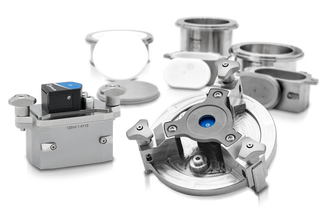
The Planetary Ball Mill PM 100 is a powerful benchtop model with a single grinding station and an easy-to-use counterweight which compensates masses up to 8 kg. It allows for grinding up to 220 ml sample material per batch.
The extremely high centrifugal forces of Planetary Ball Mills result in very high pulverization energy and therefore short grinding times.
The PM 100 can be found in virtually all industries where the quality control process places the highest demands on purity, speed, fineness and reproducibility.
The mill is ideally suited for tasks in research like mechanochemistry (co-crystal screening, mechano-synthesis, mechanical alloying and mechanocatalysis), or ultrafine colloidal grinding on a nanometer scale, as well as for routine tasks such as mixing and homogenizing soft, hard, brittle or fibrous materials.

Product Video
The ideal Ball Mill for standard applications
- Max. speed 650 rpm
- Up to 10 mm feed size and 0.1 µm final fineness
- 1 grinding station for jars from 12 ml up to 500 ml
- Jars of 12 – 80 ml can be stacked (two jars each)
- GrindControl to measure temperature and pressure inside the jar.
- Aeriation lids to control the atmosphere inside the jar
- Storable SOPs and cycle programs, 5 different jar materials for dry and wet grinding


Fast & Powerful
- Loss-free size reduction down to the submicron range
- Wet grinding yields particle sizes in the nanometer range (<100 nm)
- Variable speed from 100 to 650 rpm,
speed ratio 1:-2 - Grinding with up to 33.3 x acceleration of gravity
- Batch-wise processing with max. 1 x 220 ml sample
- 2 x 20 ml sample per batch with stacked jars
Planetary Ball Mill PM 100 Reproducibility, safety and easy handling
- Reproducible results due to speed control
- Easy and safe clamping of grinding jars
- The Safety Slider prevents starting the machine without securely clamped jars
- Perfect stability on the lab bench thanks to FFCS technology
- Innovative counterweight and imbalance sensor for unsupervised operation
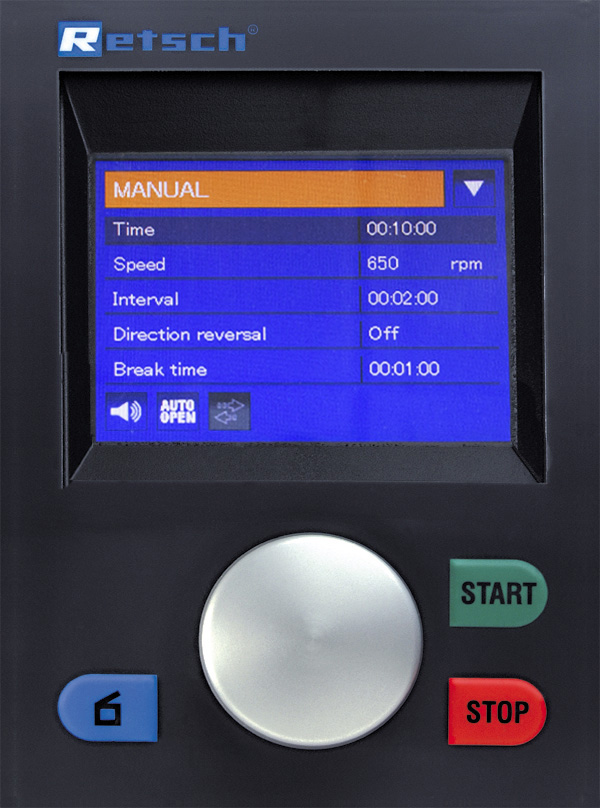
- Comfortable parameter setting via display and ergonomic 1-button operation
- Automatic grinding chamber ventilation
- 10 SOPs can be stored, programmable starting time
- Power failure backup ensures storage of remaining processing time
Settings & Options
- Dry and wet grinding possible
- Suitable for long-term trials, 99 h max.
- Interval operation allows for cooling breaks
- Direction reversal helps to minimize caking effects
The best alternative to a Retsch planetary ball mill? A Retsch mixer mill.
Benefit from particularly ergonomic handling while achieving the same finenesses down to the nanometer range.

Planetary Ball Mill PM 100 Reviews from our customers
Trusted reviews provided by

Planetary Ball Mill PM 100 Safety first: Counterweight and Jar Clamping
Counterweight

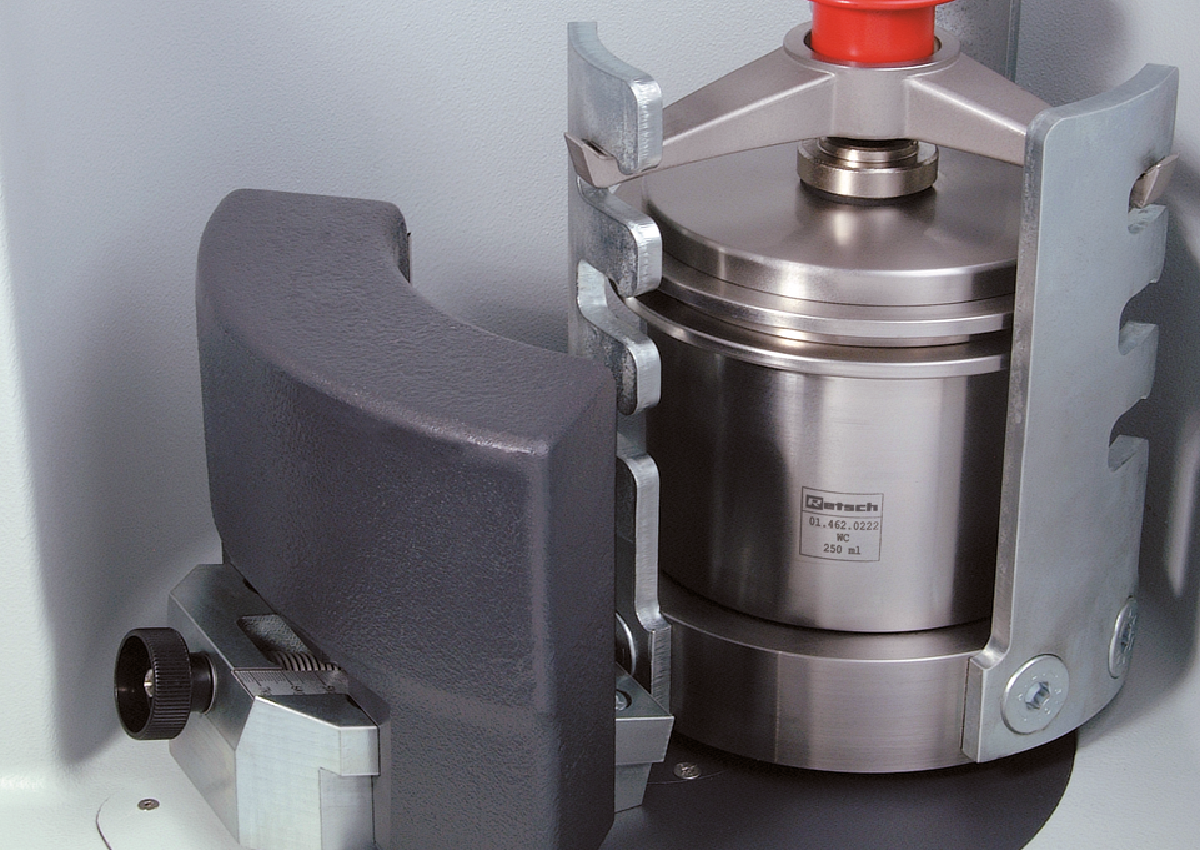
Planetary mills with a single grinding station require a counterweight for balancing purposes. In the planetary ball mill PM 100 this counterweight can be adjusted on an inclined guide rail to compensate for the different heights of the centers of gravity of differently-sized grinding jars and thus avoid undesired oscillations of the machine.
Safety Slider

Operation of the RETSCH planetary ball mills is particularly safe. They feature a robust Safety Slider which ensures that the mill can only be started after the grinding jar has been securely fixed with a clamping device. The self-acting lock ensures that the jar is seated correctly and securely. This proven solid mechanical system is less failure-prone than electronic solutions - the user has full access to the sample at any time. When the electronic system fails, it is not possible to unlock the jars, for example.
Planetary Ball Mill PM 100 EasyFit grinding jars for excellent results
The performance and the result of sample preparation are also determined by the choice of the grinding jar and its ball charge. The EasyFit range of jars has been specially designed for extreme working conditions such as long-term trials, even at maximum speed of 800 rpm, wet grinding, high mechanical loads and maximum speeds as well as for mechanical alloying. This line of jars is suitable for all RETSCH planetary ball mills.
The new EasyFit grinding jar series features a structure on the bottom of the 50-500 ml jars called Advanced Anti-Twist (AAT). This ensures that the jars are tightly fixed without the risk of twisting, even at high speed, and that wear and tear is drastically reduced. Secure clamping of the jars is made much easier: to find the correct clamping position, a maximum twist of 60° is required.
The geometry of the EasyFit jars in the 50 ml and 250 ml sizes has been enlarged in diameter and reduced in height compared to the previous "comfort" models. This offers two advantages: better grinding results and interchangeable lids, as there are only three diameter dimensions for the entire grinding jar range.
Diameter categories
- Diameter 1: 12 ml and 25 ml grinding jars
- Diameter 2: 50 ml, 80 ml and 125 ml grinding jars
- Available jar sizes: 12 ml / 25 ml / 50 ml / 80 ml / 125 ml
- Innovative Advanced Anti-Twist (AAT) function ensures secure fit of grinding jars
- High flexibility thanks to suitability of three lid sizes for all seven jar sizes
- Pressure-tight and dust-proof O-ring sealing prevents material spillage
- Jars and balls available in 5 materials: hardened stainless steel, tungsten carbide, agate, sintered aluminium oxide, zirconium oxide
- Stainless steel protective jacket for agate, sintered aluminum oxide, zirconium oxide and tungsten carbide grinding jars
- A groove between jar body and lid allows for easy opening of the lid, e. g. with the help of a spatula, if there are underpressure effects inside the jar

Adapter for special applications
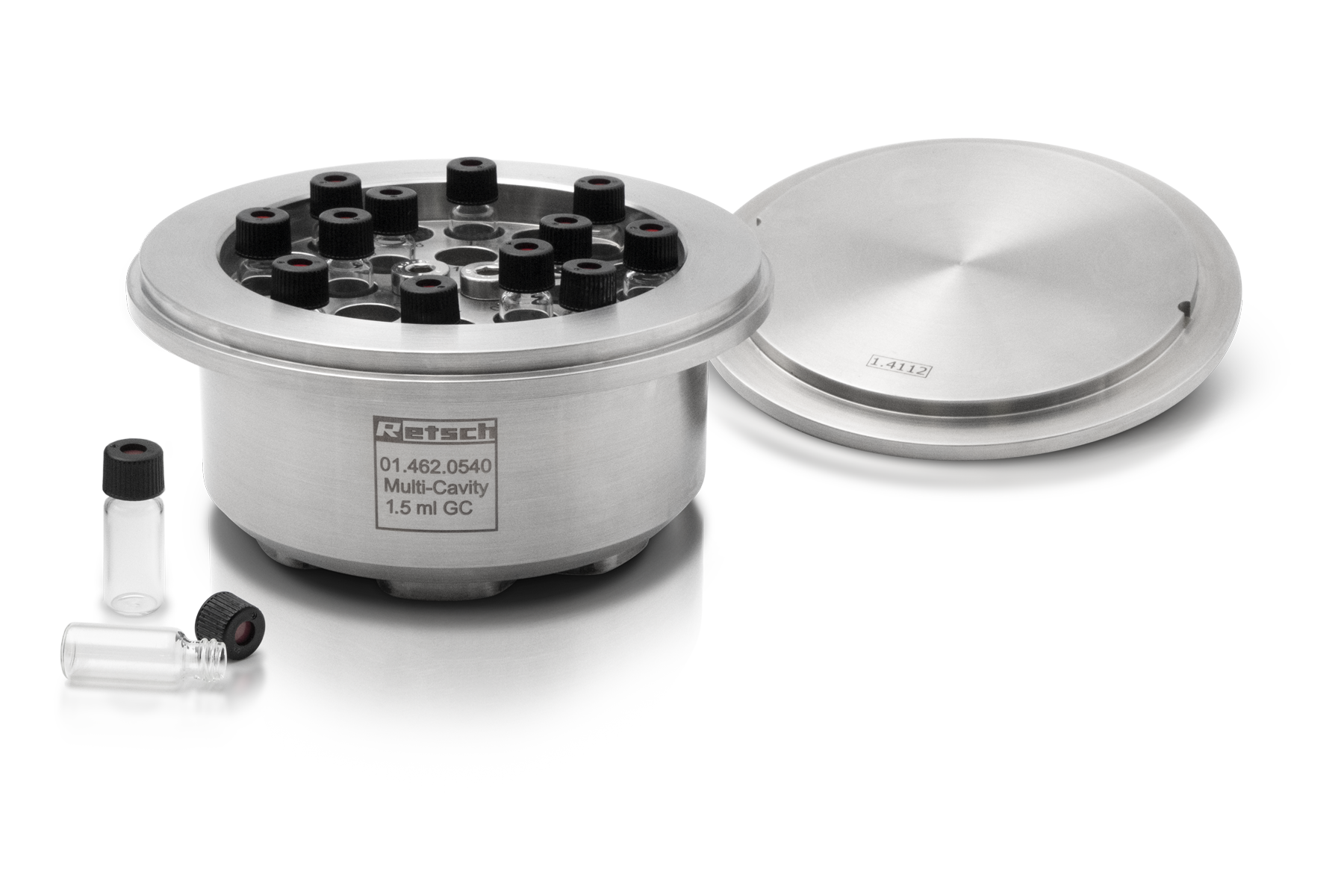
With a special adapter, co-crystal screening can be carried out in a planetary ball mill, using disposable vials such as 1.5 ml GC glass vials. The adapter features 24 positions arranged in an outer ring with 16 positions and an inner ring with 8 positions. The outer ring accepts up to 16 vials, allowing for screening up to 64 samples simultaneously when using the Planetary Ball Mill PM 400. The 8 positions of the inner ring are suitable to perform trials with different energy input, e.g. for mechanosynthesis research.
Jars & lids for special applications
- For colloidal or wet grinding, the use of a grinding jar with a special closure device is recommended
- The special closure device is designed for ergonomic handling
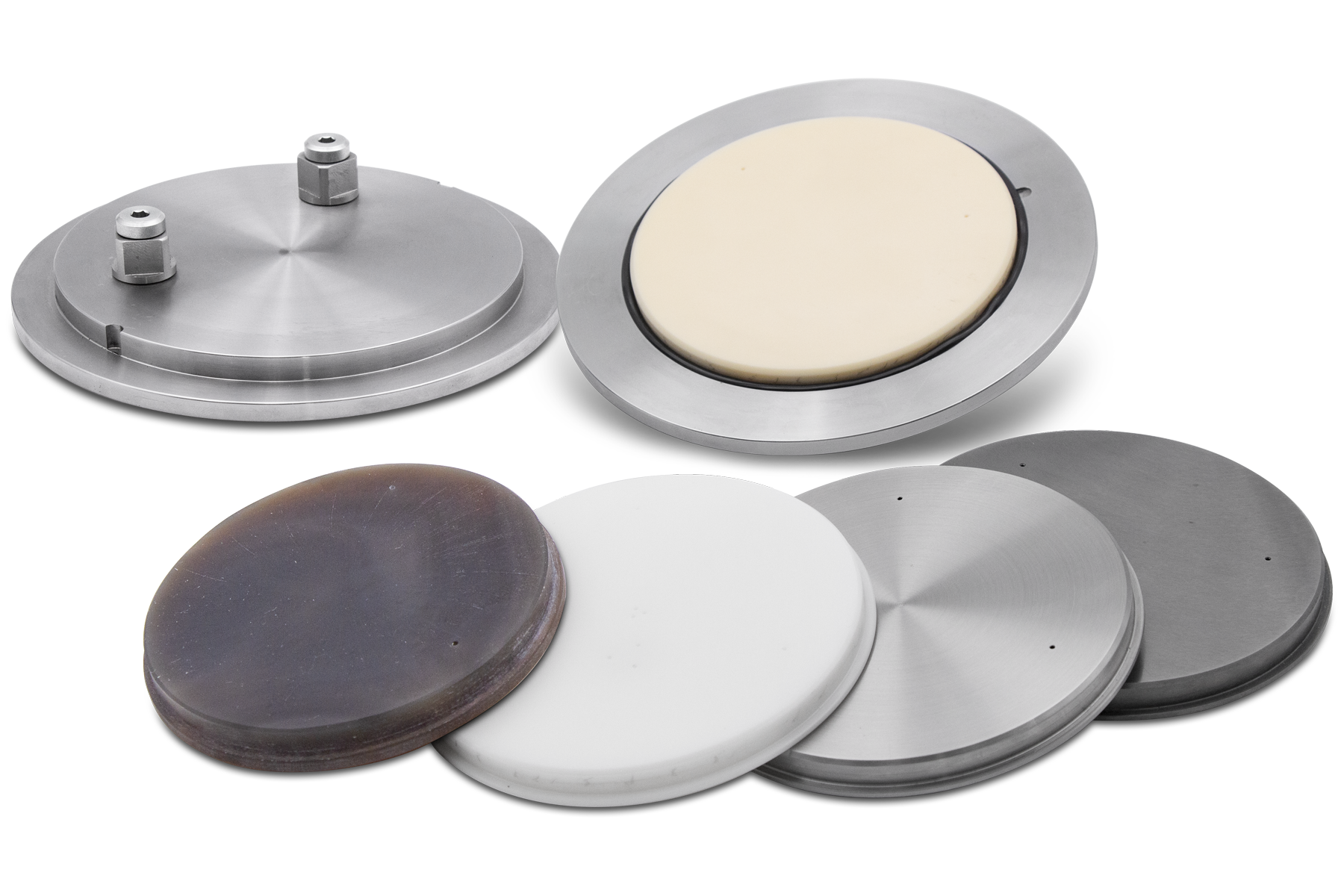
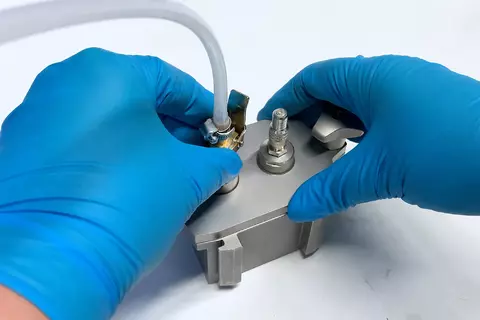
- Aeration lids are designed for working under inert atmosphere, for example if oxygen can influence the grinding process or the mechanosynthesis. The lids allow the introduction of gases like argon or nitrogen into the grinding jar.
- Optional pressure and temperature measuring system PM GrindControl
Both the aeration lid and GrindControl can now be equipped with inlays of different materials. Thus, the lid can be used for, e. g. a steel and a zirconium oxide jar by simply exchanging the inlay.

GrindControl
Aeriation lid
Video: Aeriation lid
Planetary Ball Mill PM 100 Wet and nano-scale grinding with the PM 100
Wet grinding is used to obtain particle sizes below 5 µm, as small particles tend to get charged on their surfaces and agglomerate, which makes further grinding in dry mode difficult. By adding a liquid or dispersant the particles can be kept separated.
To produce very fine particles of 100 nm or less (nano-scale grinding) by wet grinding, friction rather than impact is required. This is achieved by using a large number of small grinding balls which have a large surface and many friction points. The ideal filling level of the jar should consist of 60 % small grinding balls.
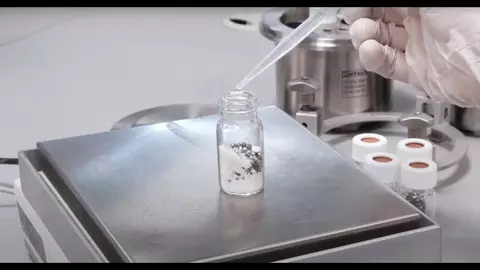
For more details on jar filling, wet grinding and sample recovery watch the video.
Grinding of glass in ethanol with 1 mm grinding balls.
Blue curve: original sample; green curve: pulverized sample after 60 min.
The graphic shows the result of grinding alumina (Al2O3) at 650 rpm in the PM 100. After 1 h of size reduction in water with 1 mm grinding balls, the mean value of the particle size distribution is 200 nm; after 4 h it is 100 nm.

Grinding of alumina in water with 1 mm grinding balls (left) after 1 hour (blue) and after 4 hours (green)
In another trial, the material was first pulverized for 1 hour with 1 mm grinding balls and then for 3 hours with 0.1 mm grinding balls. In this case, an average size of 76 nm was achieved.
Grinding of alumina with 1 mm grinding balls (1 hour) and then with 0.1 mm balls (3 hours) in water
The results show that planetary ball mills can produce particle sizes in the nanometer range. The choice of the right ball size, the type of liquid and the liquid/solid ratio (viscosity level) play a crucial role in this process.
Mechanochemical destruction of forever chemicals in PM 100
In a detailed study, Gobindlal et al. (2022) [10] investigated the mechanochemical destruction (MCD) of perfluorosulfonic acids (PFSAs), a subclass of persistent per- and polyfluoroalkyl substances (PFASs), using the PM 100.
- Milling Setup: 0.05 g of PFAS standards were mixed with 5 g of quartz sand in a 50 ml stainless steel jar with ten 10 mm stainless steel balls.
- Milling was performed at ambient temperature and pressure, without solvents or chemical additives. Samples were milled for up to 720 minutes, under relatively mild conditions, to assess degradation kinetics and establish the underlying degradation mechanisms.
- The PM 100 achieved 99.99% degradation of total PFSA content after 720 minutes. Individual compounds like PFOS, PFHpS, PFHxS, PFPeS, and PFBS showed rapid degradation, with PFBS reaching complete destruction by 180 minutes.
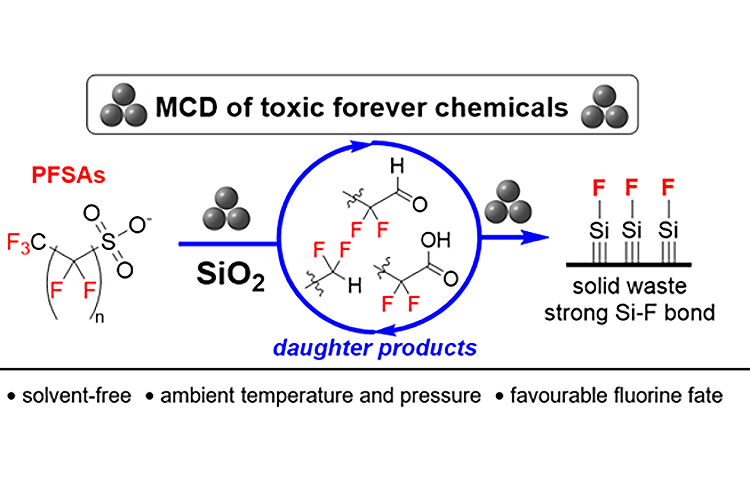
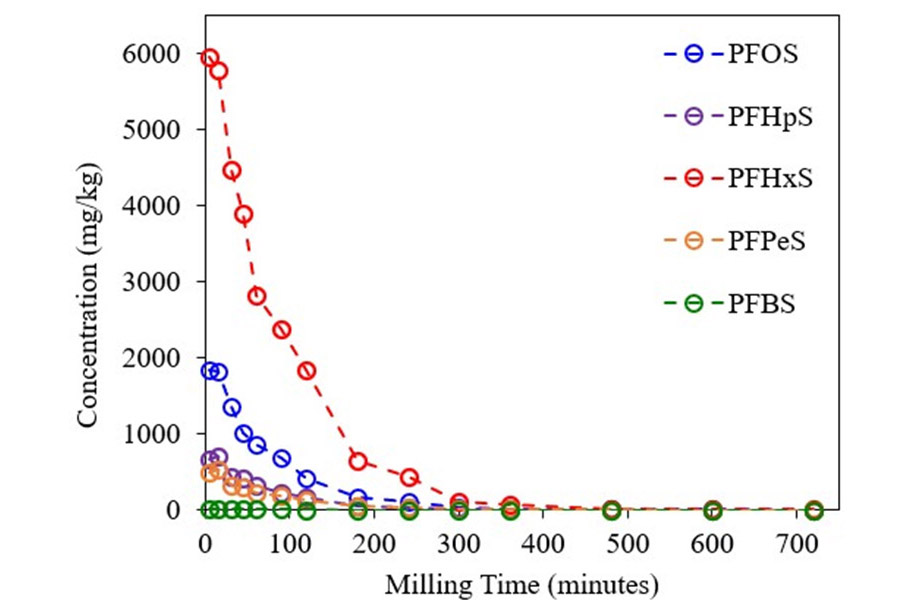
Decreasing concentration of different Perflourosulfonic acids (PFAs) while grinding in the PM100 over a period of 700 min; Results presented by the group of Kapish Gobindlal [1]
Mechanism of Action:
Quartz sand, when ground in the PM 100, generates reactive surface radicals that initiate PFAS breakdown. These radicals facilitate C–F bond cleavage, one of the strongest in organic chemistry, leading to the mineralization of fluorine into stable Si–F bonds. Another study by the same group highlights the scalability and effectiveness of MCD using the Retsch PM 100 planetary ball mill for the remediation of PFAS-contaminated land and the destruction of stockpiled AFFFs.
Mechanochemistry in the Pharmaceutical Industry Sustainable Production of Active Pharmaceutical Ingredients with Maximum Efficiency
Discover how mechanochemical methods can contribute to the production of active pharmaceutical ingredients—with higher atomic efficiency, fewer byproducts, and a significantly reduced environmental footprint.
Mechanochemistry opens up new avenues for more sustainable chemical synthesis: By utilizing mechanical energy, reactions can be carried out in the solid state—often with no solvents at all or only minimal use of solvents. This reduces waste, lowers energy consumption, and simultaneously improves process efficiency.
Vibrating mills such as the MM 500 nano enable precise control of grinding parameters and are particularly suitable for fast, efficient syntheses on a laboratory scale. For more demanding applications requiring higher energies, the planetary ball mill PM 100 offers optimal conditions for carrying out even complex reactions in a targeted manner.
Take a look!
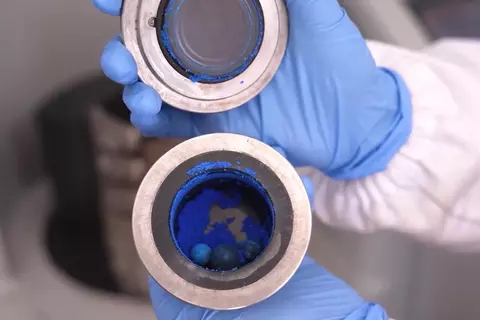
Courtesy of Clara B. Gomez, LAQV REQUIMTE
Mechanochemistry Meets Cement:
Clay Calcination Alternatives and Activation Technology for Clays
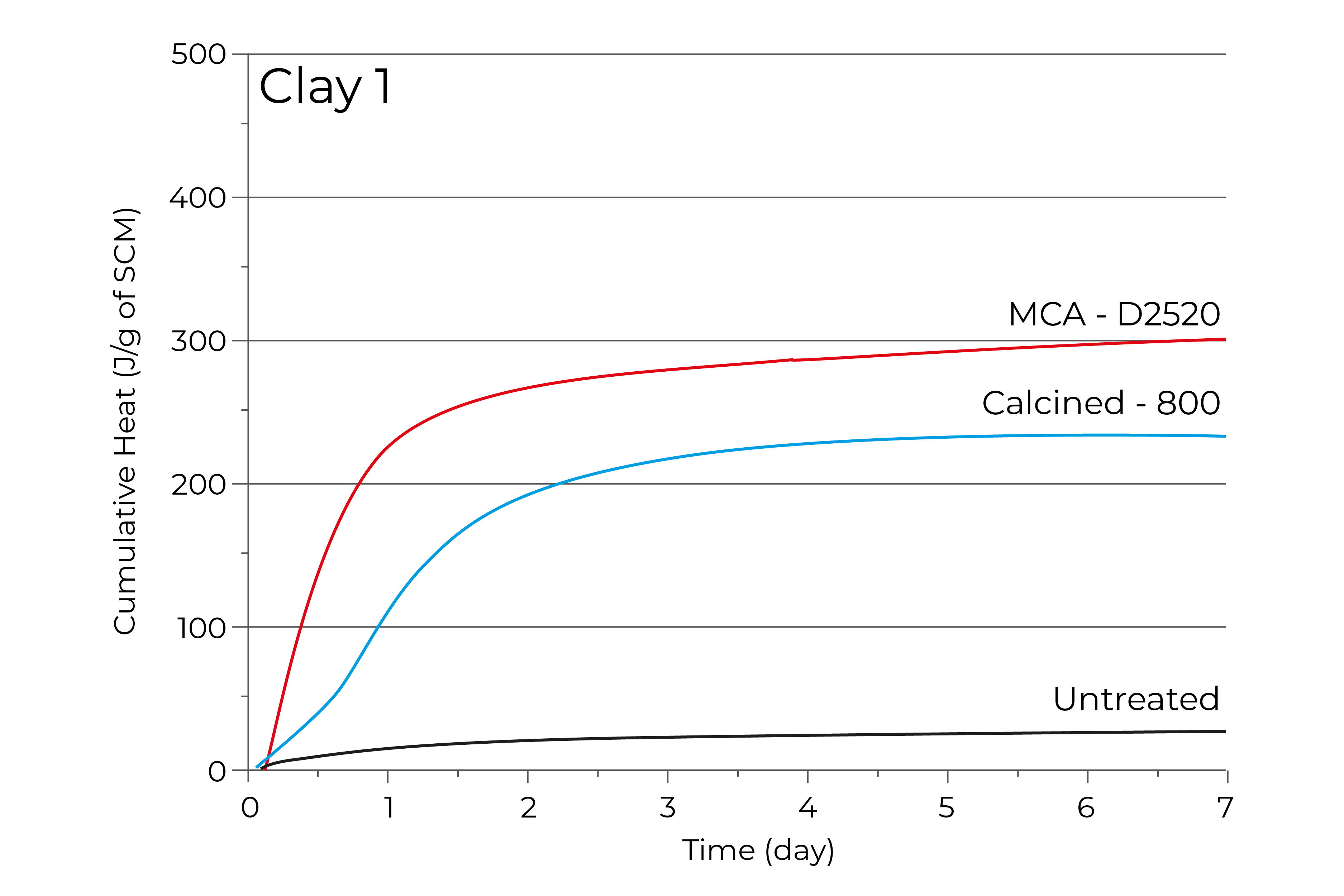
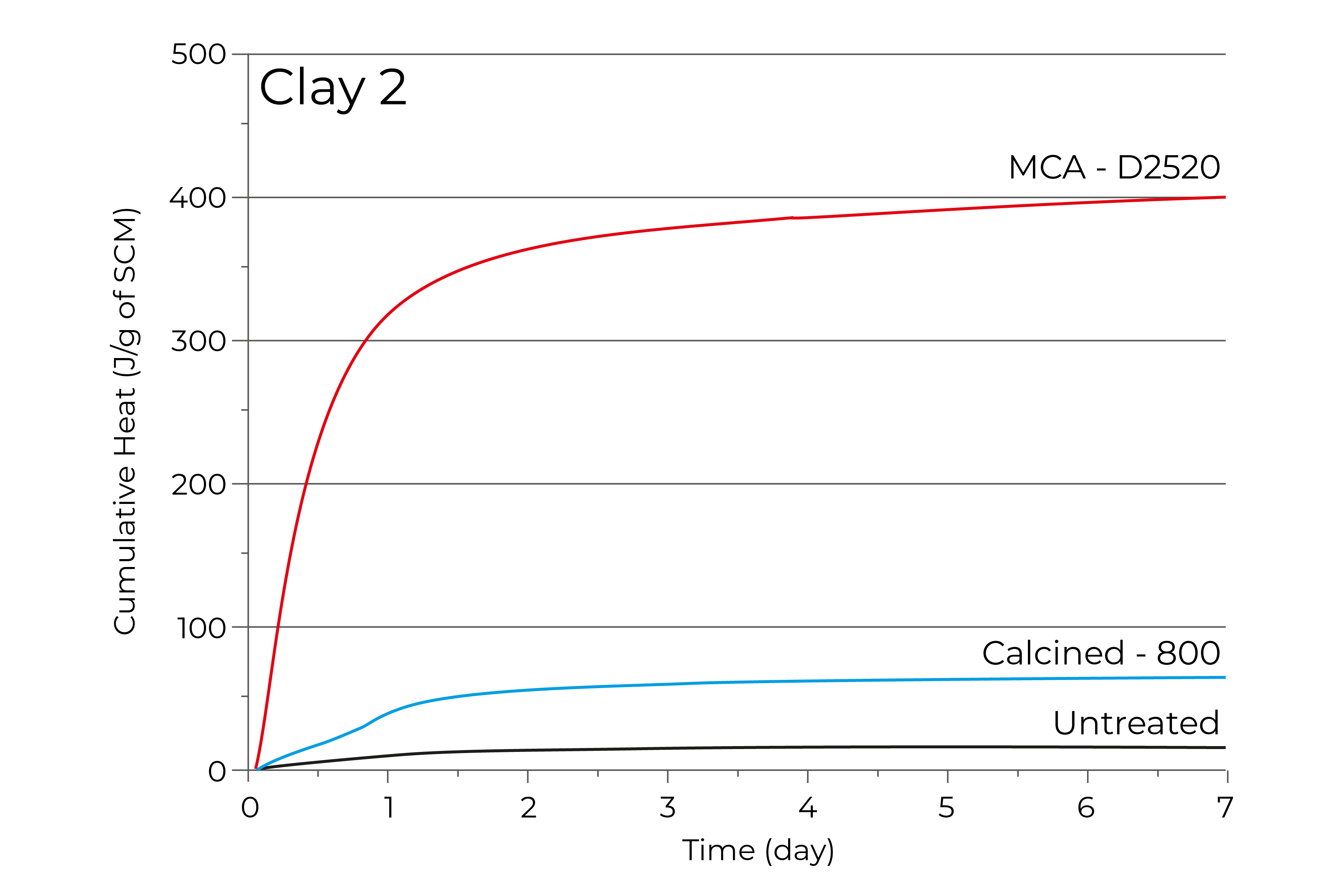
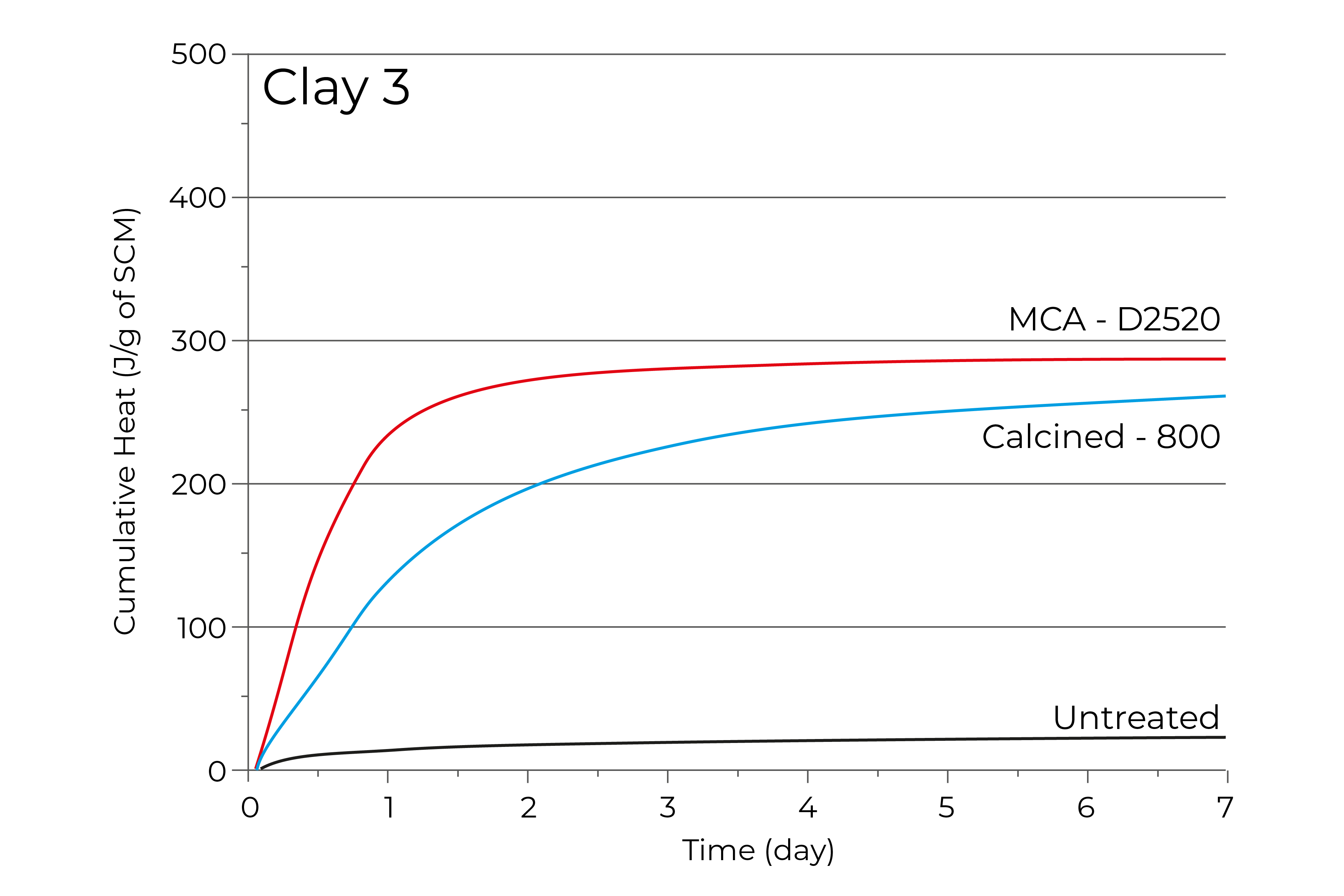
Activated clays are among the most promising supplementary cementitious materials (SCMs) because they are globally available, can be locally sourced, and enable significant clinker reduction. Traditionally, reactive clays are produced via clay calcination, but mechanochemical activation is an emerging activation technology that can provide a compelling alternative in certain applications. Mechanochemical activation of clay - particularly using ball mills such as the PM 100 or PM 300 - uses mechanical energy to alter the crystal structure, enable amorphization, and increase reactivity, making a wide range of local clay types usable as cement replacement materials. The PM 100 and PM 300 are ideally suited for this process at laboratory and pilot scale. Studies show that mechanically activated clays are finer, structurally modified, and more chemically reactive than calcined clays, especially those with a high mica content.
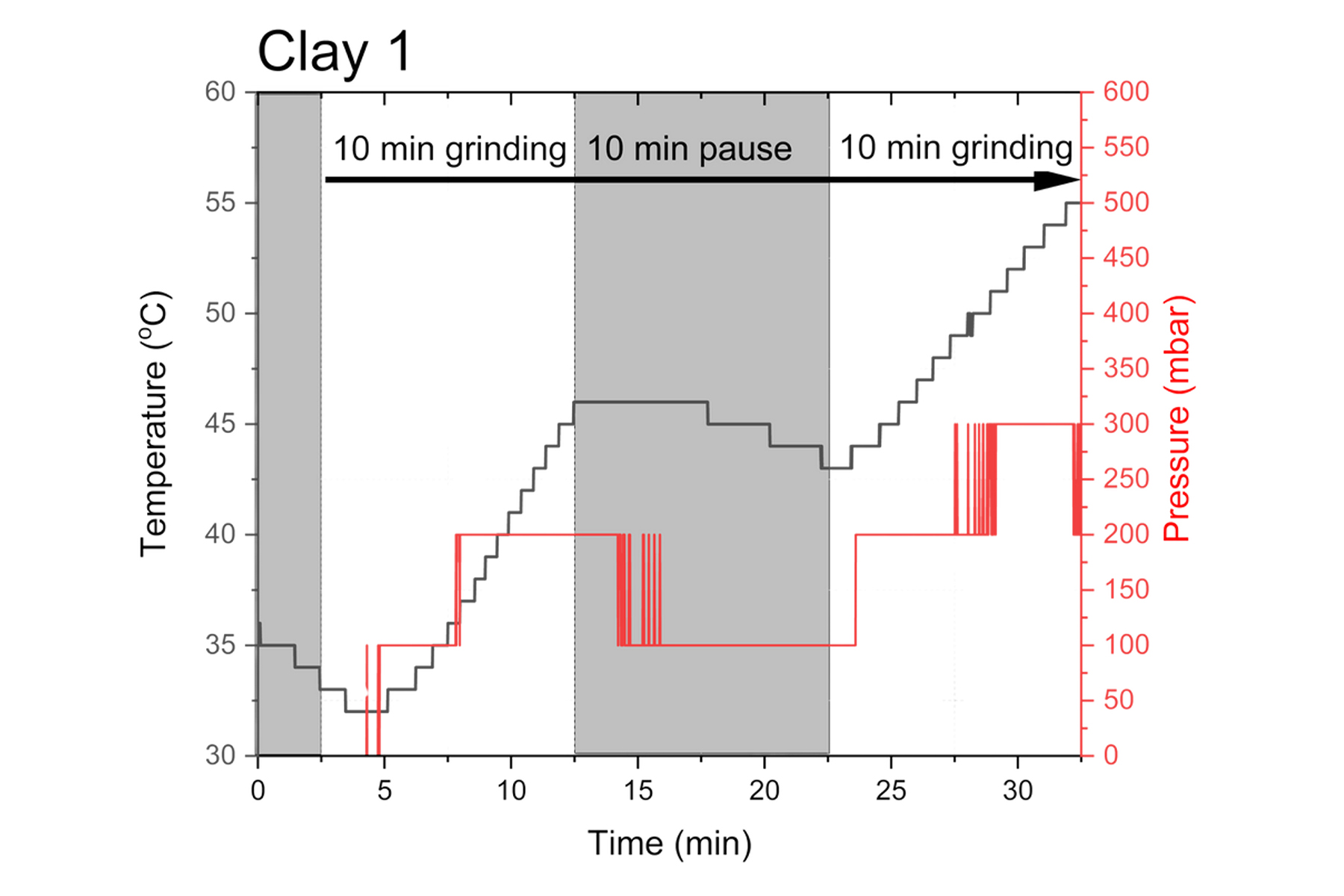
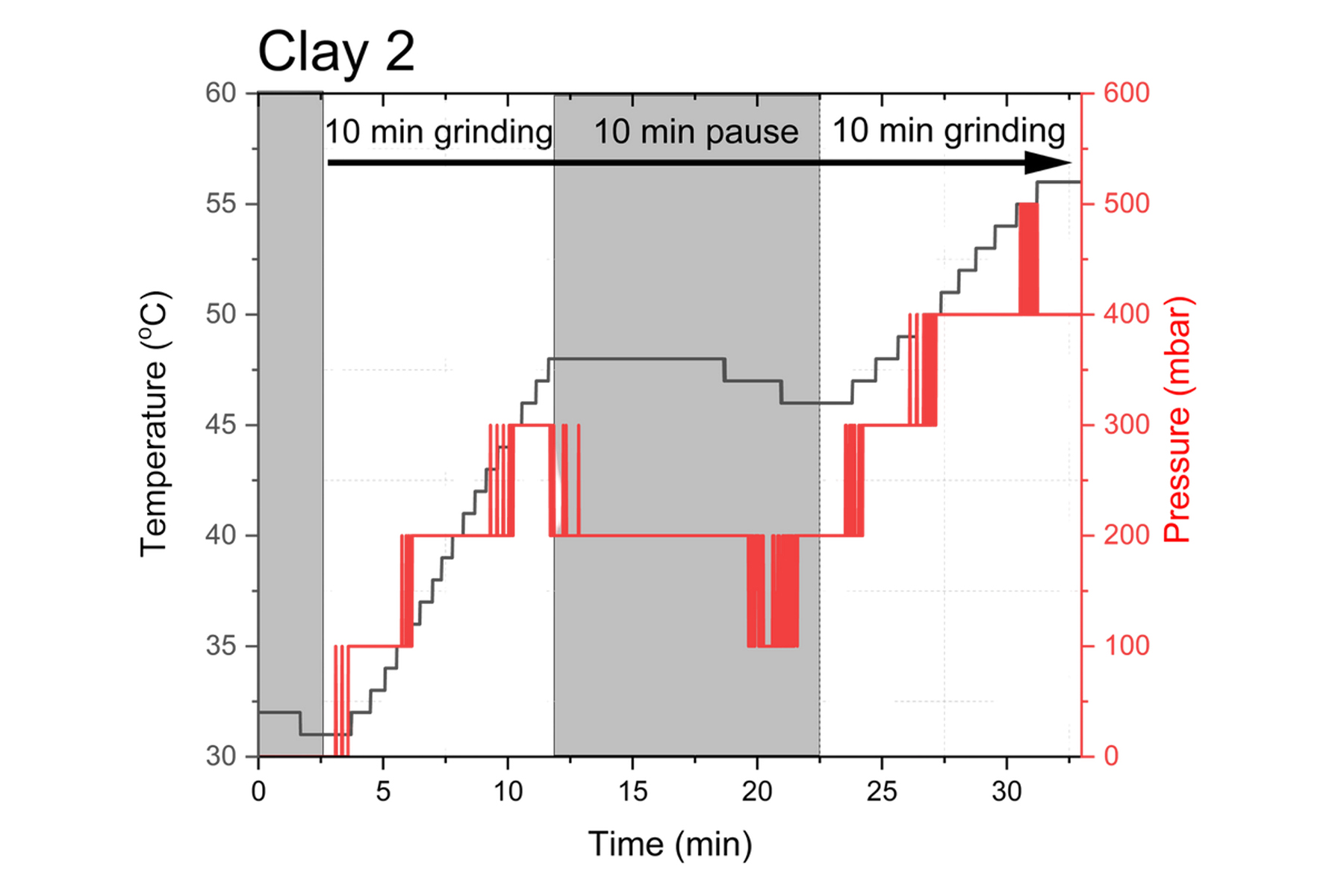
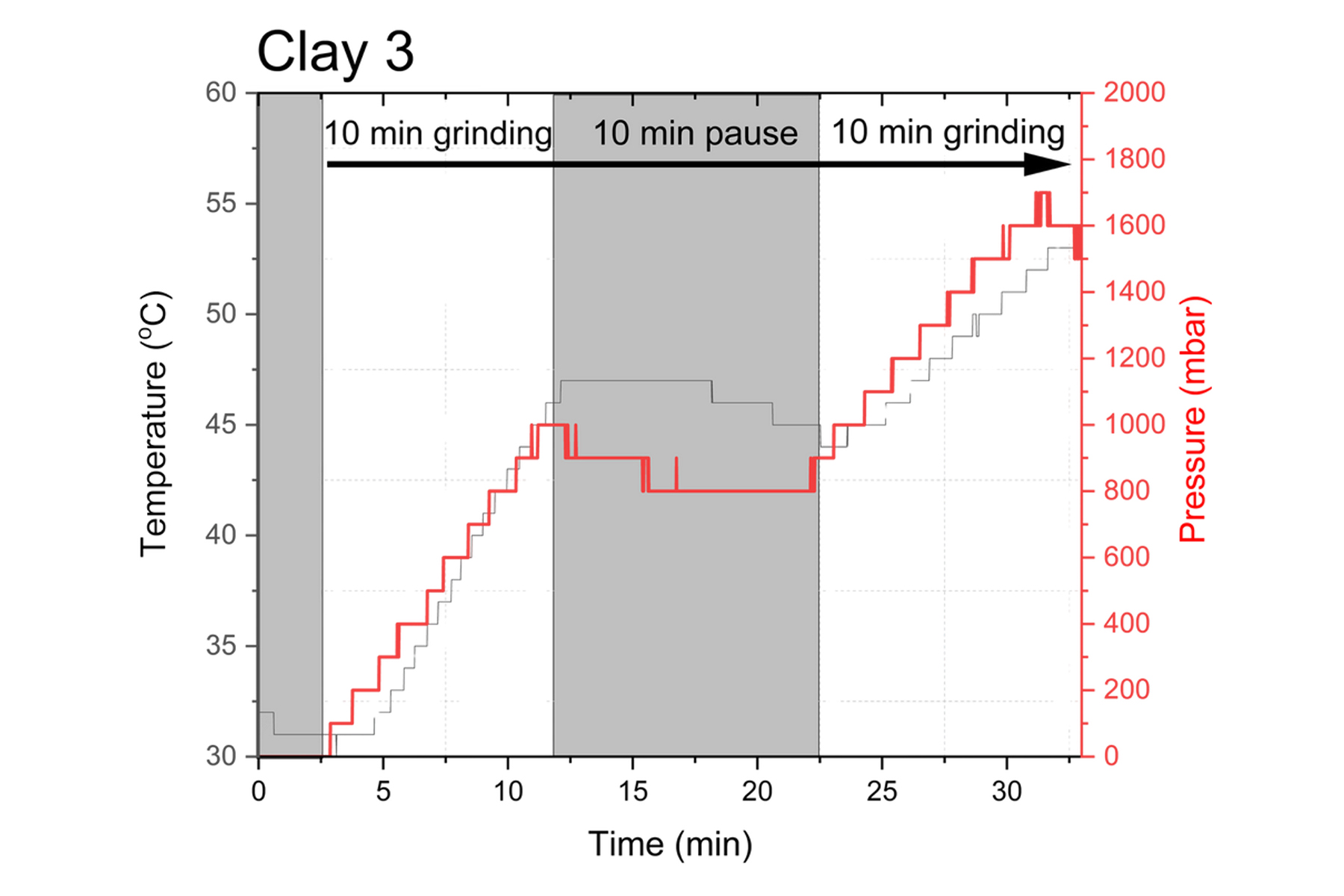
A key element of activation technology process control is the GrindControl system, which continuously measures temperature and pressure inside the grinding jar, helps prevent overheating, and provides important insights into mechanochemical reactions. The sensors are compatible with various jar sizes. During clay activation, temperature and pressure rise significantly, indicating gas release and mineral transformation; this monitoring is essential for controlling reactivity and ensuring consistent SCM product quality. The data can also support conclusions about clay composition - for example, materials with higher dolomite content generate higher pressures due to CO₂ release [1].

Reactivity of different clays after thermal and mechanical activation; GrindControl pressure increase reflects dolomite content
Planetary Ball Mill PM 100 Recommended jar fillings
To produce optimum grinding results, the jar size should be adapted to the sample amount to be processed. The grinding balls are ideally sized 3 times bigger than the largest sample piece. Following this rule of thumb, the number of grinding balls for each ball size and jar volume is indicated in the table below. To pulverize, for example, 200 ml of a sample consisting of 7 mm particles, a 500 ml jar and grinding balls sized at least 20 mm or larger are recommended. According to the table, 25 grinding balls are required.
| Grinding jar nominal volume |
Sample amount | Max. feed size | Ø 5 mm* | Ø 7 mm* | Ø 10 mm* | Ø 15 mm* | Ø 20 mm* | Ø 30 mm* |
|---|---|---|---|---|---|---|---|---|
| 12 ml | up to ≤5 ml | <1 mm | 50 | 15 | 5 | - | - | - |
| 25 ml | up to ≤10 ml | <1 mm | 95 - 100 | 25 - 30 | 10 | - | - | - |
| 50 ml | 5 – 20 ml | <3 mm | 200 | 50 – 70 | 20 | 7 | 3 - 4 | - |
| 80 ml | 10 – 35 ml | <4 mm | 250 - 330 | 70 – 120 | 30 - 40 | 12 | 5 | - |
| 125 ml | 15 – 50 ml | <4 mm | 500 | 110 – 180 | 50 - 60 | 18 | 7 | - |
| 250 ml | 25 - 120 ml | <6 mm | 1100 - 1200 | 220 - 350 | 100 - 120 | 35 - 45 | 15 | 5 |
| 500 ml | 75 - 220 ml | <10 mm | 2000 | 440 - 700 | 200 - 300 | 70 | 25 | 8 |
*Recommended ball charge (pieces)
The table shows the recommended charges (in pieces) of differently sized grinding balls in relation to the grinding jar volume, sample amount and maximum feed size.
Planetary Ball Mill PM 100 Typical Sample Materials
RETSCH planetary ball mills are perfectly suitable for size reduction of, for example, alloys, bentonite, bones, carbon fibres, catalysts, cellulose, cement clinker, ceramics, charcoal, chemical products, clay minerals, coal, coke, compost, concrete, electronic scrap, fibres, glass, gypsum, hair, hydroxyapatite, iron ore, kaolin, limestone, metal oxides, minerals, ores, paints and lacquers, paper, pigments, plant materials, polymers, quartz, seeds, semi-precious stones, sewage sludge, slag, soils, tissue, tobacco, waste samples, wood, etc.
Tough-fibrous: wood

500 ml stainless steel grinding jar
8 x 30 mm stainless steel grinding balls
5 min at 380 rpm
Hard-brittle: magnetite

250 ml tungsten carbide grinding jar
15 x 20 mm tungsten carbide grinding balls
5 min at 500 rpm
Fibrous: dried grass

250 ml zirconium oxide grinding jar
15 x 20 mm zirconium oxide grinding balls
30 min at 480 rpm
Medium-hard: soil

125 ml stainless steel grinding jar
7 x 20 mm stainless steel grinding balls
2 min at 400 rpm
Medium-hard/ fibrous: sewage sludge

125 ml zirconium oxide grinding jar
50 x 10 mm zirconium oxide grinding balls
30 min at 380 rpm with direction reversal
Medium-hard : limestone

500 ml zirconium oxide grinding jar
8 x 30 mm zirconium oxide grinding balls
3 min at 450 rpm
Hard-brittle: lapis lazuli

50 ml zirconium oxide grinding jar
3 x 20 mm zirconium oxide grinding balls
2 min at 420 rpm
Soft - wet grinding: carotene

50 ml zirconium oxide grinding jar
1100 g 3 mm zirconium oxide grinding balls
2 h at 480 rpm (interval operation with 10 min grinding / 10 min break = net grinding time 1 h)
To find the best solution for your sample preparation task, visit our application database.
Planetary Ball Mill PM 100 Functional Principle
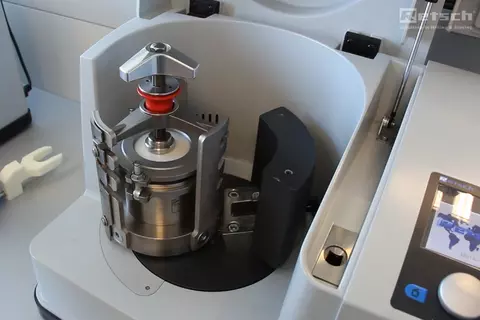
The grinding jar is arranged eccentrically on the sun wheel of the planetary ball mill. The direction of movement of the sun wheel is opposite to that of the grinding jars in the ratio 1:-2. The grinding balls in the jars are subjected to superimposed rotational movements, the so-called Coriolis forces. The difference in speeds between balls and jars produces an interaction between frictional and impact forces, which releases high dynamic energies. The interplay between these forces produces the high and very effective degree of size reduction of the planetary ball mill, both, in ball to ball and ball to wall interactions.
Planetary mills with a single grinding station require a counterweight for balancing purposes. In the Ball Mill PM 100 this counterweight can be adjusted on an inclined guide rail. In this way the different heights of the centers of gravity of differently-sized jars can be compensated in order to avoid disturbing oscillations of the machine.
Any remaining vibrations are compensated by feet with some free movement (Free-Force Compensation Sockets). This innovative technology is based on the d’Alembert principle and allows very small circular movements of the machine housing that result in an automatic mass compensation. The laboratory bench is only subjected to minimal frictional forces generated in the feet.
In this way the planetary ball mill PM 100 ensures a quiet and safe operation with maximum compensation of vibrations even with the largest pulverization forces inside the grinding jars and therefore can be left on the bench unsupervised.

Planetary Ball Mill PM 100 Technical Data
| Applications | pulverizing, mixing, homogenizing, colloidal milling, mechanical alloying, mechanosynthesis, nano grinding, co-crystal screening |
|---|---|
| Field of application | agriculture, biology, chemistry, construction materials, engineering / electronics, environment / recycling, geology / metallurgy, glass / ceramics, medicine / pharmaceuticals |
| Feed material | soft, hard, brittle, fibrous - dry or wet |
| Size reduction principle | impact, friction |
| Max. feed size | < 10 mm |
| Final fineness | < 1 µm, for colloidal grinding < 0.1 µm |
| Batch size / feed quantity | max. 1 x 220 ml, max. 2 x 20 ml with stacked grinding jars |
| No. of grinding stations | 1 |
| Speed ratio | 1 : -2 |
| Sun wheel speed | 100 - 650 min-1 |
| Effective sun wheel diameter | 141 mm |
| G-force | 33.3 g |
| Type of grinding jars | EasyFit, optional areation covers, safety closure devices |
| Material of grinding tools | hardened steel, stainless steel, tungsten carbide, agate, sintered aluminium oxide, silicon nitride, zirconium oxide |
| Grinding jar sizes | 12 ml / 25 ml / 50 ml / 80 ml / 125 ml / 250 ml / 500 ml |
| Stackable grinding jars | 12 ml / 25 ml / 50 ml / 80 ml |
| Adapter for single-use glas vials | 24 x 1.5 ml / 7 x 20 ml |
| Setting of grinding time | digital, 00:00:01 to 99:59:59 |
| Interval operation | yes, with direction reversal |
| Interval time | 00:00:01 to 99:59:59 |
| Pause time | 00:00:01 to 99:59:59 |
| Storable SOPs | 10 |
| Interface | RS 232 / RS 485 |
| Drive | 3-phase asynchronous motor with frequency converter |
| Drive power | 750 W |
| Electrical supply data | different voltages |
| Power connection | 1-phase |
| Power consumption | ~ 1250W (VA) |
| Protection code | IP 30 |
| W x H x D closed | 640 x 480 (780) x 420 mm |
| Net weight | ~ 86 kg |
| Standards | CE |
| Patent / Utility patent | Counter weight (DE 20307741), FFCS (DE 20310654), SafetySlider (DE 202008008473) |
References
[1] Kapish Gobindlal, Zoran Zujovic, Jacob Jaine, Cameron C. Weber, Jonathan Sperry; Solvent-free ambient temperature and pressure destruction-of PFSAs under MCD presents a detailed study on the mechanochemical destruction (MCD) of perfluorosulfonic acids (PFSAs), Environmental Science & Technology 2023, DOI: 10.1021/acs.est.2c06673.
Planetary Ball Mill PM 100 Downloads
Expert Guide Milling
Why Size Reduction? A reliable and accurate analysis can only be guaranteed by reproducible sample preparation. The "Art of Milling" describes the process of turning a laboratory sample into a representative part sample with homogeneous analytical fineness.
General Catalogue
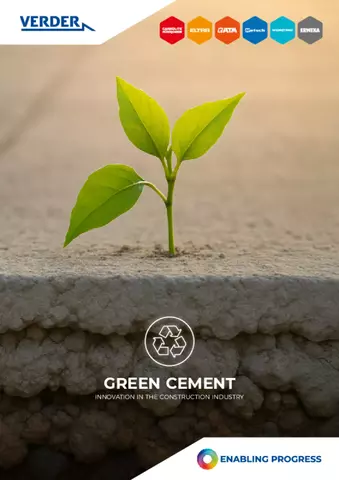
Green Cement - Innovation in the Construction Industry
Green Cement represents a significant innovation in the construction industry, aimed at reducing environmental impact and promoting sustainable development. Traditional cement production is a major contributor to global CO emissions, accounting for approximately 7-8% of the total. With this material these emissions can be minimized by incorporating supplementary cementitious materials (SCMs) such as fly ash, slag and seashell by using alternative fuels and raw materials. Our solutions enable the production of a more sustainable product with high performance characteristics and exceptional physical properties.

Product data sheet PM 100
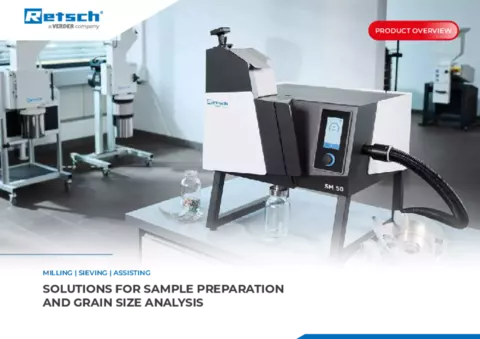
Product Overview
The right mill for every application.
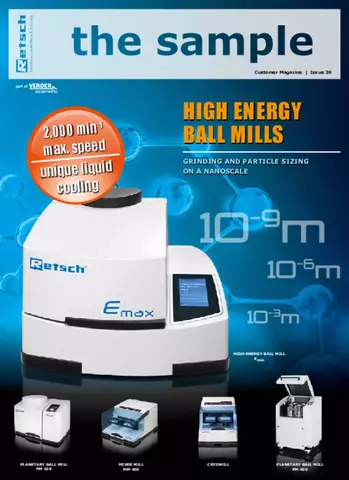
The Sample - Customer Magazine No. 39
High Energy Ball Mills - Grinding And Particle Sizing On A Nanoscale