製薬業界は、医薬品や薬剤の研究、開発、製造、そして販売促進に注力する分野です。各セクションのアイコンをクリックして、Retsch装置の活用方法について詳しくご覧ください。
研究開発には、基礎研究から創薬、臨床試験までが含まれます。植物由来成分の探索や、メカノケミストリー、コクリスタルスクリーニング、ナノテクノロジーなど革新的な手法も注目されています。
品質管理(QC)は、製造された医薬品が定められた品質仕様と規制基準を確実に満たすことを保証します。QCでは、原材料と完成品に対して厳密な試験を行い、製品が純度・効力・安全性の基準を一貫して満たしているかを確認します。これらの試験には、物理的、化学的、微生物学的な検査が含まれます。
これは、規制当局の承認を受けた医薬品の大規模生産を指します。製品の品質、安全性、有効性を確保するために、適正製造基準(GMP)を遵守する必要があります。また、特定の製造用途として、インプラント材料に骨や歯を使用するケースもここに含まれます。
Retschのミルは、医薬品有効成分(API)や賦形剤を特定の粒度に粉砕するために使用されます。これは、薬効やバイオアベイラビリティの一貫性を確保する上で極めて重要です。粒子サイズは、薬の溶解速度、吸収、体内分布に大きく影響します。賦形剤は、薬剤の有効成分と共に製剤される不活性物質であり、適切な粒度調整と均質化が必要です。特殊な用途では、新しいAPIを探索するためにナノテクノロジー、コクリスタル、メカノシンセシスが求められます。これらの高度なアプローチにおいても、Retschは支援できます。本セクションでは、8つの異なるユースケースとそのベストプラクティスを紹介します。
APIや賦形剤は、さまざまなRetsch製ミルやグラインダーで粉砕できます。物質によっては、非常に活性の高い物質で粉塵の発生を防ぐため、Retschボールミルのジャーのような密閉容器での粉砕が推奨されます。例えば、100 mLの乳糖一水和物は、PM 100で450 rpm、1時間の粉砕によりD90値を100 µmから5 µmに低減できます。粉砕は湿式条件で行われ、サンプルは90 mLのプロパノールと混合されました。
湿式粉砕は通常、酸化ジルコニウム製のジャーで行われ、この場合は250 mLのジャーに2 mmの酸化ジルコニウム製ボール150 mLを使用しました。酸化ジルコニウムは非常に耐摩耗性に優れた素材であり、ボール間の強い摩擦によって達成される微粉砕工程で摩耗を低減します。粉砕時間を延長し、より小さなボールを使用することで、Retschプラネタリーボールミルではさらに微細な粒子を得ることが可能です。
デンプンや乳糖など、賦形剤として使用される薬理学的に無害なサンプルは、ZM 300やRM 200で粉砕できます。例えば、初期粒径400 µmの100 mL乳糖サンプルは、RM 200で10分以内に100 µm未満に粉砕可能です。硬質磁器やメノウなど、さまざまな粉砕ツール素材を使用できます。より大量のサンプルはZM 300で処理可能です。
付着や凝集しやすいサンプルは、液体窒素を用いた低温粉砕で脆化させることができます。サイクロンの使用が推奨されます。例えば、3 mmのサンプル100 gは、1分以内に500 µm未満に粉砕されました。サンプルの特性によっては、ZM 300で最終的に40 µm未満の微粉化も可能です。
Another example is temperature controlled wet grinding of APIs (or excipients) – here the MM 500 control or the High Energy Ball Mill Emax are beneficial. 15 g of API substance were mixed with 25 ml of Isopropanol and ground in 50 ml zirconium oxide grinding jars with 110 g of 2 mm grinding balls. The grinding process was carried out using an external chiller set to 5 °C for 30 minutes at 2000 rpm. To maintain a specific temperature range, the unique temperature mode of the Emax was utilized. The minimum temperature was set to 40 °C and the maximum to 50 °C, ensuring that grinding occurred only within this range. When the jar reached 50 °C, grinding was paused until it cooled to 40 °C, at which point grinding resumed. This special mode guarantees that the sample does not overheat during milling, with all operations, including the duration of grinding breaks, being automated.
After just 30 minutes of total process time, the original 1 mm sample was milled down to 4 µm particles. Higher fineness can be achieved by pre-grinding to less than 200 µm with 10 mm balls, followed by fine grinding with 0.5 mm balls and extended grinding time. For larger sample amounts, 125 ml grinding jars can be used. Some APIs require cryogenic grinding at -196°C, where approximately 8 g of sample can be placed in a 50 ml jar of the Cryomill. Pulverization to 100-200 µm is typically completed within 20 minutes, including pre-cooling time.
Mixing APIs with excipients is a common topic in pharmaceutical research. Efficient mixing can be achieved using Mixer Mills, which can handle up to 6 x 20 ml samples, or Retsch Planetary Ball Mills, which offer sample volumes of up to 4 x 200 ml. For example, 196 g of starch were mixed with 4 g of pigment to demonstrate mixing efficiency. The mixture, along with 200 grinding balls of 10 mm, was placed in 500 ml grinding jars. After 5 minutes at 200 rpm, a moderate speed that ensures only mixing effects without particle crushing, the mixing was perfect.
Top: Starch and blue Pigment after 5 minutes of milling in the PM 400
Bottom: Starch, blue & yellow pigment after 5 minutes of milling in the PM 400
High-energy ball mills from Retsch, like the Emax, the PM series or the MM 500 nano and control, are used in the development of nano particles. These nano formulations can offer improved drug delivery characteristics and are a growing area of interest in pharmaceutical R&D. TiO2 is used as a model substance here.
湿式粉砕は5μm以下の粒径を得るために行われます。小さな粒子は表面に帯電して凝集する傾向があり、乾式でさらに粉砕することが難しくなるからです。液体や分散媒を添加することで、粒子を分散したままにすることが出来ます。
湿式粉砕で100nm以下の超微粒子(ナノスケール粉砕)を作るには、衝撃よりも摩擦による粉砕が重要です。そのためには、表面積が大きく、摩擦点が多い小さな粉砕ボールを多数使用します。粉砕ジャーの充填量は、小径の粉砕ボールが60%程度が理想とされています。
ジャーへの充填、湿式粉砕、試料回収の具体的な様子については、こちらの動画をご覧ください。
動画は、遊星ボールミルPM100での湿式粉砕の様子です。
図に示すのは、PM300で二酸化チタン(TiO2)を650rpmと800rpmで粉砕した結果と粉砕にかかった時間です。800 rpmでの高いエネルギー投入により、粒子径はより速く粉砕されますが、高い回転数で粉砕を行う場合は粉砕による昇温に関しても考慮する必要があります(休止時間を設定するなどの対応が必要となる場合があります)。
0.1mm粉砕ボールを用いたリン酸ナトリウム水溶液中での二酸化チタンの処理時間
12 g of API (15 µm particles) were mixed with 26 ml of Heptane and 110 g of 0.5 mm zirconium oxide grinding balls. This mixture was placed in a 50 ml zirconium oxide grinding jar. The grinding process was carried out in the High Energy Ball Mill Emax for 2.5 hours at 2000 rpm, resulting in a very narrow particle size distribution with a D90 value of 80 nm.
Nanoparticles smaller than 100 nm can also be produced using the MM 500 nano or MM 500 control. Typically, a grinding time of 2-3 hours at 35 Hz is required in the MM 500 nano, while the MM 500 control requires a longer grinding time at 30 Hz. The MM 500 control offers temperature regulation, allowing the jars to be counter-cooled with 4°C cold water. If the grinding medium does not freeze at zero degrees, wet grinding can also be performed at temperatures as low as -10°C to ensure the preservation of temperature-sensitive APIs.
Plants often have natural ingredients which are useful in pharma applications, known for decades for their pharmaceutical purposes. Also other materials like insects offer some interesting compounds. The traditional Chinese medicine TCM or other traditional healing methods make use of the natural resources. Research activities aim to unreveal the API compounds in those classical plant or animal samples in order to use them as new drug and pharmaceutical substances. Depending on the initial sample size, the sample amount, the sample quantity and the required final fineness, Retsch Cutting Mills, Rotor Mills or Ball Mills are used predominantly to pulverize such samples.
Depending on the sample size and toughness, about 20 s to 3 min are required to grind up to 1 kg dried roots, fruits, stems parts and other plant materials or insects to 1-8 mm samples. Here, ideally SM 100 is used, for more robust samples like nutmeg the SM 300. A cyclone helps in any case to discharge the light samples from the grinding chamber. The ZM 300 accepts feed sizes up to 10 mm, Cutting Mills accept up to 60 mm sample pieces. For really tough materials, the 6-disc rotor instead of the parallel section rotor should be taken. Sometime finer particles than 1 mm are required- here the use of Retsch Ball mills is beneficial.
Mechanochemistry, the study of chemical reactions that occur due to mechanical energy, has increasingly become a significant field of research in pharmaceuticals. This method involves inducing chemical reactions through grinding, milling, or shearing solid reactants. Mechanochemical processes offer several advantages over traditional solution-based chemistry, including reduced solvent use, enhanced reaction rates, and the ability to synthesize novel compounds. Mechanochemical reactions can be used for the synthesis of new drug molecules. This method is particularly advantageous for reactions that are difficult or inefficient in liquid solvents, allowing for the exploration of new chemical space and the potential discovery of novel therapeutic compounds. For example, the group of Professor Duncan Browne, UCL School of Pharmacy, worked on the formation of Carbon-Nitrogen bonds, a favourite process for drug discovery and development. They synthesized an intermediate in the synthesis of Vortioxetine, which is a known antidepressant [1].
Reproduced from Reference [2] with permission from the Royal Society of Chemistry.
Another publication of the group shows the option to use mechanochemistry in the MM 400 in direct amidation of esters [2], in just 1 h compared to 8 h in EtOH solution at 70°C. In the same paper, the synthesis of 2.4 g of the antidepressant Moclobemide in the MM 400 in just 1 h is demonstrated. Another important aspect are the various findings, that heating can improve the mechanochemical reactions, thus enabling or accelerating the reactions. Using a heat gun or heating jackets are common methods for the MM 400 as shown by the groups of Professor Ito or Professor Browne [3][4][5]. A more commercial version of temperature control and heating options is given by the MM 500 control, which also allows temperatures up to 100 °C.
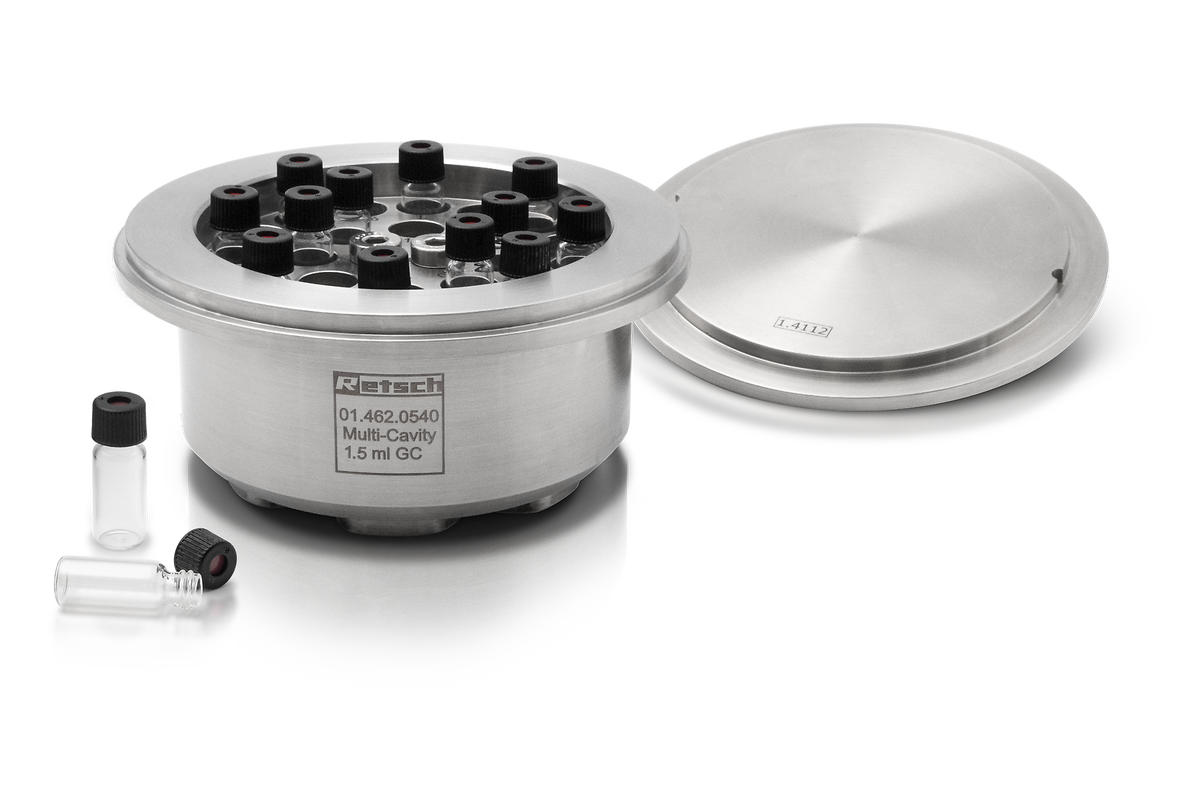
To find the optimal coformer or excipient for an API and a specific purpose, a screening approach is typically required. Different ratios of the API and the other substance need to be investigated, resulting in numerous combination options. Since substances can be very expensive, the screening is usually performed on a small scale. The special screening adapter for planetary ball mills can significantly aid this process by using disposable vials, such as 1.5 ml GC glass vials. The adapter features 24 positions arranged in an outer ring with 16 positions and an inner ring with 8 positions. The outer ring can hold up to 16 vials, allowing for the screening of up to 64 samples simultaneously with exact same energy input conditions when using the Planetary Ball Mill PM 400. In total, 96 samples can be screened in one batch. First upscaling trial can be done in the adapter capable of keeping 7 x 20 ml glass vials.
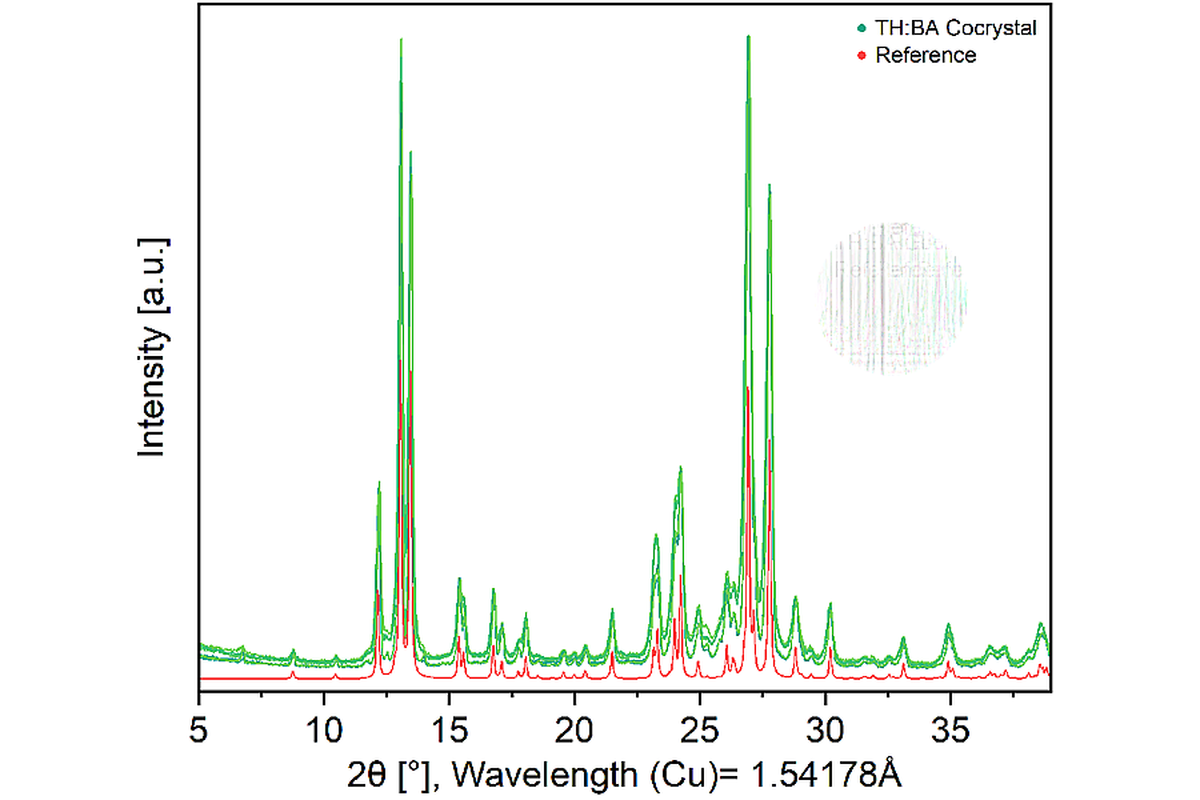
コクリスタルのスクリーニングはミキサーミルで効果的に実施できます。MM 400を用いたある研究[9]では、2 mlのスチールチューブと対応するPTFEアダプターを使用し、テオフィリンとベンズアミドを1:1の比率で以下の条件下で共結晶化しました。
得られた8つのサンプルのX線粉末回折パターン(緑で表示)は、ターゲットのコクリスタルのシミュレーション参照パターンと非常に近い一致を示しています。観測された信号はすべて目的の生成物に対応し、顕著な追加信号はなく、コクリスタル形成が成功し再現性があることを示しています。MM 400と2 mLスチールチューブは一貫した結果を提供し、この互換性はMM 500シリーズにも拡張され、同様に2 mLスチールチューブを使用できます。
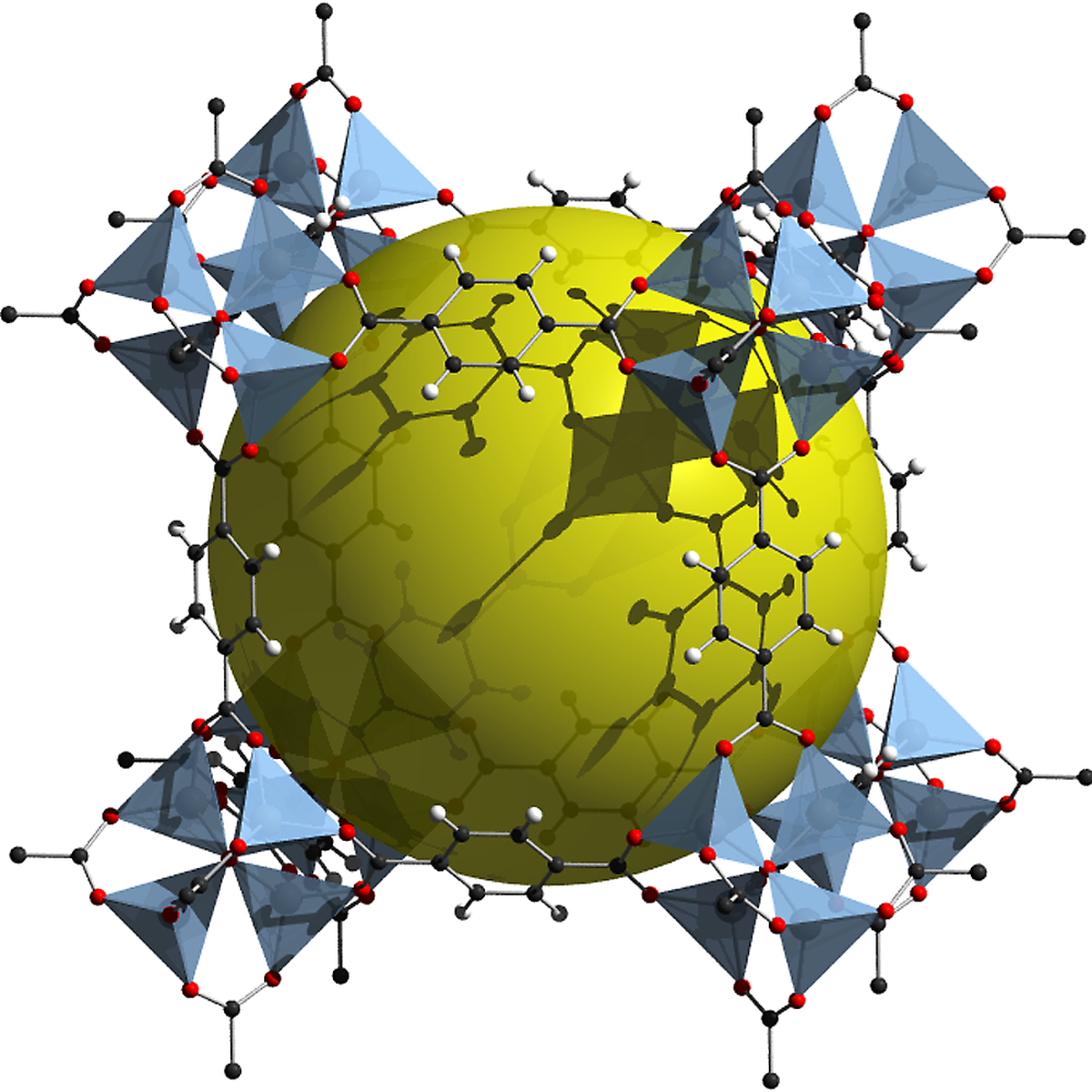
MOFs are coordination networks with organic ligands and metal ion nodes. They have a high surface area and tunable porosity, making them excellent candidates for drug delivery systems. Mechanochemistry is used to synthesize MOFs that can encapsulate drugs, providing controlled release and targeted delivery mechanisms. Here, the use of thermically controlled mills is very useful. If for example the MM 500 control is used with a chiller, the temperature can be lowered so that intermediates of the chemical reactions can be stabilized and thus the yield of those substances is drastically increased. With the right choice of the milling instrument, completely different educts can be obtained!
品質管理ラボでは、Retschのミルを用いて、HPLC(高速液体クロマトグラフィー)、分光光度法、溶出試験など、さまざまな分析手法に適したサンプルを調製します。正確で信頼性の高い分析には、適切なサンプル前処理が不可欠です。Retschのミルやクラッシャーは、その精密で安定した性能により、品質管理の多様な用途に欠かせないツールとなっています。
Retschのミルは、製薬業界で錠剤、ドラジェ、タブレットを粉砕し、所望の粒度と均一性を得るために広く使用されています。これにより、有効成分(API)と賦形剤が均一に処理され、最終製品の有効性と安全性が確保されます。Retschミルの大きな利点の一つは、標準用途向けのスチールや、後の分析で金属摩耗による重金属含有量増加を防ぐ酸化ジルコニウムなど、異なる粉砕ツール素材に対応できる点です。
たとえば、PM 100プラネタリーボールミルでは、125 mlの酸化ジルコニウム製ジャーに20 mmの錠剤20個と20 mmの酸化ジルコニウム製ボール7個を入れ、450 rpmで2分間粉砕することで、最終粒度約150 µmが得られます。このミルは、大きな錠剤や大量サンプル、重金属分析前の粉砕に最適で、酸化ジルコニウム製ジャーは最大500 mlまで対応可能です。MM 400は、小容量サンプルの粉砕に理想的で、例えば10 mmの錠剤10個を50 mlのステンレス鋼ジャーに25 mmのボールとともに入れ、30 Hzで2分間粉砕できます。最終粒度はPM 100と同等で、酸化ジルコニウム製ジャーは最大35 mLまで利用可能です。
ZM 300では、同じ錠剤をわずか数秒でさらに高速に粉砕できます。通常、0.5 mm程度またはそれ以下のリングシーブと標準12歯ローターを使用し、約18,000 rpmで粉砕します。サンプルによっては最終粒度が10 µm未満になることもありますが、通常は200~400 µm程度です
ERWEKA is a leading manufacturer of tablet testing equipment for the pharmaceutical industry. With more than 65 years of experience, ERWEKA develops innovative solutions for large pharmaceutical and life science companies, research and test laboratories, as well as universities all over the world. ERWEKA stands for excellent product quality, attractive design, user-friendly operation and reliable performance.
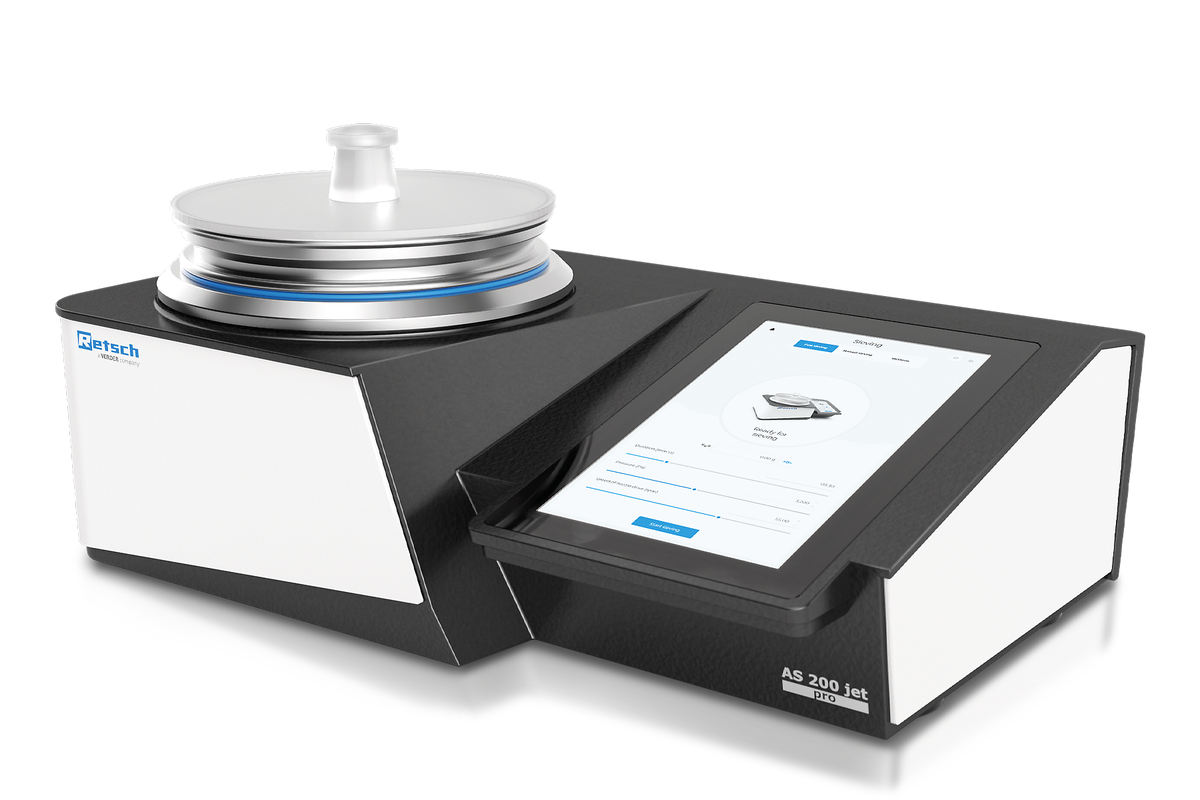
Retschのふるい分け機は、製薬業界を含むさまざまな分野で、その精度と信頼性で高く評価されています。これらの機器は、粒度分析に不可欠であり、製薬用途で求められる厳格な品質基準を満たすことを保証します。Retschのラインアップの中でも、AS 200 controlとAS 200 jetは注目すべきモデルです。AS 200 controlは、ふるい分けパラメータを正確に制御できる振動式ふるい分け機で、製薬業界の品質管理や研究開発に最適です。電磁駆動により一貫したふるい分け結果を実現し、デジタル制御により最大99種類のふるい分けプログラムを保存できるため、再現性とISO 9001ガイドラインへの準拠を確保します。
AS 200 jetは、微粉末の効率的な分散と凝集解消のために設計されたエアジェットふるい分け機です。このモデルは、粒度分布の精密な管理が求められる製薬材料に特に適しています。AS 200 controlが採用する振動ふるい分け方式とは異なり、AS 200 jetは回転するエアジェットを用いて微粉末をより効果的に分散・脱凝集します。このエアジェットは真空を発生させ、粒子をふるいに通過させることで、最も微細な粒子まで効率的に分離します。そのため、エアジェットふるい分け機で分析した場合、サンプルはより「微細」になることがあります。例えば、微粉末サンプルでの試験では、40、75、125、150 µmのメッシュサイズの試験ふるいを使用しました。AS 200 controlは振幅1.2 mm、10秒間隔機能で5分間運転し、AS 200 jetはスイスモードで速度55 rpm、負圧30 mbarで、同じく5分間の処理を行いました。 製薬用途では、これらのふるい分け機は薬剤の均一性、安定性、純度を確保するために使用されます。正確な粒度分析は、溶解速度、バイオアベイラビリティ、そして医薬品の全体的な有効性を決定する上で極めて重要です。
In pharmaceutical applications, these sieving machines are used to ensure the uniformity, stability, and purity of drug formulations. Accurate particle size analysis is crucial for determining the dissolution rate, bioavailability, and overall efficacy of pharmaceutical products.
AS 200 jet pharmaは、製薬分野における粒子分析の最高基準を満たすために設計された、GMP準拠のAll-in-Oneエアジェットシーブソリューションです。計量、シーブ、データ評価を1台のコンパクトな装置に統合し、試料移送時のエラーを排除して最大限の精度を確保します。直感的に扱えるソフトウェア、ガイド付きワークフロー、堅牢なハードウェアにより、日常的な分析から複雑な分析まで効率化します。内蔵天びんと監査証跡機能は、規制遵守をサポートし、プロセスの信頼性を高めます。微粉末の乾式ふるい分けや凝集解砕に最適で、精度・効率・トレーサビリティを求める製薬ラボに理想的なソリューションです。
「新しいAS 200 jet pharmaを初めて使用したとき、その設計の緻密さとユーザーフレンドリーさにすぐに気づきました。特に感心したのは、ガイド付きふるい分け機能です。明確なステップバイステップの指示により、手順の抜けによるミスをほぼ完全に防ぐことができます。
内蔵された堅牢なはかりも大きな利点です。操作が格段に簡単になり、外部はかりが不要になるため、実験室の貴重なスペースを節約できます。さらに、Weighing-Assistant、Backweigh-Tolerance、トレンド分析といった追加の安全機能により、日常の実験室作業におけるプロセスの信頼性が一層高まります。」
Dr. Michael Ostendorf, Senior Expert Particle Technology/Science Fellow, Bayer AG
Steel 316Lは、その衛生的な特性と、すき間腐食や孔食に対する優れた耐性により、医薬品製造で広く使用されています。低炭素ステンレス鋼の一種であり、高温や化学腐食に対して非常に優れた耐性を持っています。このため、頻繁な洗浄や低い化学反応性が求められる用途に最適です。Retschでは、医薬品製造のこうした特定の要件に対応するため、316L製のミルを一部提供しています。
Cutting Mill SM 300 316L foodGradeバージョンは、食品および医療業界向けの原料をコンタミネーションなく切断するために設計されています。サンプルと接触するすべての部品は316Lステンレス鋼またはFDA認証ステンレス鋼で構成されており、汚染のない処理を保証します。長尺ホッパーを備えており、カンナビスの植物部やその他の乾燥植物材料、ハーブやスパイスなどの投入が容易です。粉砕されたサンプルは、医薬品用途に直接使用することも、エタノールや超臨界CO₂による抽出に利用することもできます。強力な3kWドライブは高トルクとRES技術を搭載し、他のカッティングミルでは困難な作業でも優れた粉砕結果を実現します。可変速機能により用途に応じた最適な設定が可能で、0.25~20mmの開口サイズを持つ各種ボトムスクリーンにより、定義された最終粒度を保証します。
Retschのドラムミル(TM 300など)は、医薬品コクリスタルのメカノケミカル合成にキログラムスケールで使用されています。この方法は環境に優しく効率的で、ほとんど溶媒を使用しないため、エネルギー消費を削減し環境負荷を最小限に抑えます。例えば、TM 300を用いて、ラセミ体イブプロフェン:ニコチンアミドのコクリスタル3.2 kgをわずか90分で純度99%で製造しました。[6]
TM 500 316Lは、最大35Lの大容量サンプルを粉砕するために設計されたラボ用ボールミルです。投入サイズは最大20mmで、摩擦と衝撃により最小15µmまで粉砕可能です。TM 500 316Lは、サンプルを一切汚染してはならない用途に特に適しています。ドラムとホッパーは316Lステンレス鋼製で、コンタミネーションのない処理を保証します。回転速度は10~50rpmの範囲で可変設定でき、用途に応じた最適化が可能です。電子チルト機能により容易な排出が可能で、熱に敏感なサンプルを処理するためのプログラム可能な粉砕休止機能も備えています。
骨を骨インプラントの材料として使用することは、医療用インプラントにおいて非常に効果的なアプローチです。自家移植や同種移植などの天然骨材料は、優れた生体適合性と患者の既存骨との統合能力により、一般的に使用されています。これらの材料は骨再生と治癒を促進する自然な足場を提供します。全体として、骨をインプラント材料として使用することは、骨修復と再生に信頼性の高い効果的なソリューションを提供します。インプラント用骨材料の準備プロセスには、骨を粉砕・微粉化して所望の粒度と均一性を得る工程が含まれます。Retschのミルなど、さまざまな粉砕技術が効率的かつ安全な処理を実現します。
特に、必要に応じて大量サンプルの予備粉砕にはカッティングミルが使用されます。微粉砕工程は、Ultra Centrifugal Mill ZM 300やMM 400、CryoMillなどのボールミルで行われます。例えば、SM 300で予備粉砕後、ZM 300を使用することで、約800gの骨を約25分で200µm未満に微粉砕できます。
Retschのふるい振とう機は、医薬品製造において粒子径分析の精度を確保するために不可欠なツールです。AS 200 controlとAS 200 jetモデルは特に注目されており、前者はふるい分けパラメータの精密な制御を提供し、後者はエアジェット分散方式により微粉末に最適です。これらの装置は、薬剤の溶解速度、生物学的利用能、全体的な有効性を決定する上で重要な、製剤の均一性、安定性、純度を維持します。さらに、Retschのふるい振とう機はISO 9001ガイドラインに準拠しており、再現性と高品質な結果を保証します。
RetschのEasySieveソフトウェアは、医薬品製造における粒度分析のための強力なツールです。測定データの登録、評価、管理を自動化し、ふるい分けプロセスを効率的かつ正確にします。論理的な設計と分かりやすい測定プロトコルにより、複雑なデータをグラフや表に変換します。EasySieve CFRはFDA 21 CFR Part 11に準拠し、データの完全性とセキュリティを確保します。さらに、統合されたAuditTrailにより、ふるい分けプロセスのすべての作業ステップを一貫して記録し、データは暗号化された形でデータベースに保存されます。AuditTrail Managerは、管理者から標準ユーザーまで3つのユーザーレベルを提供します。
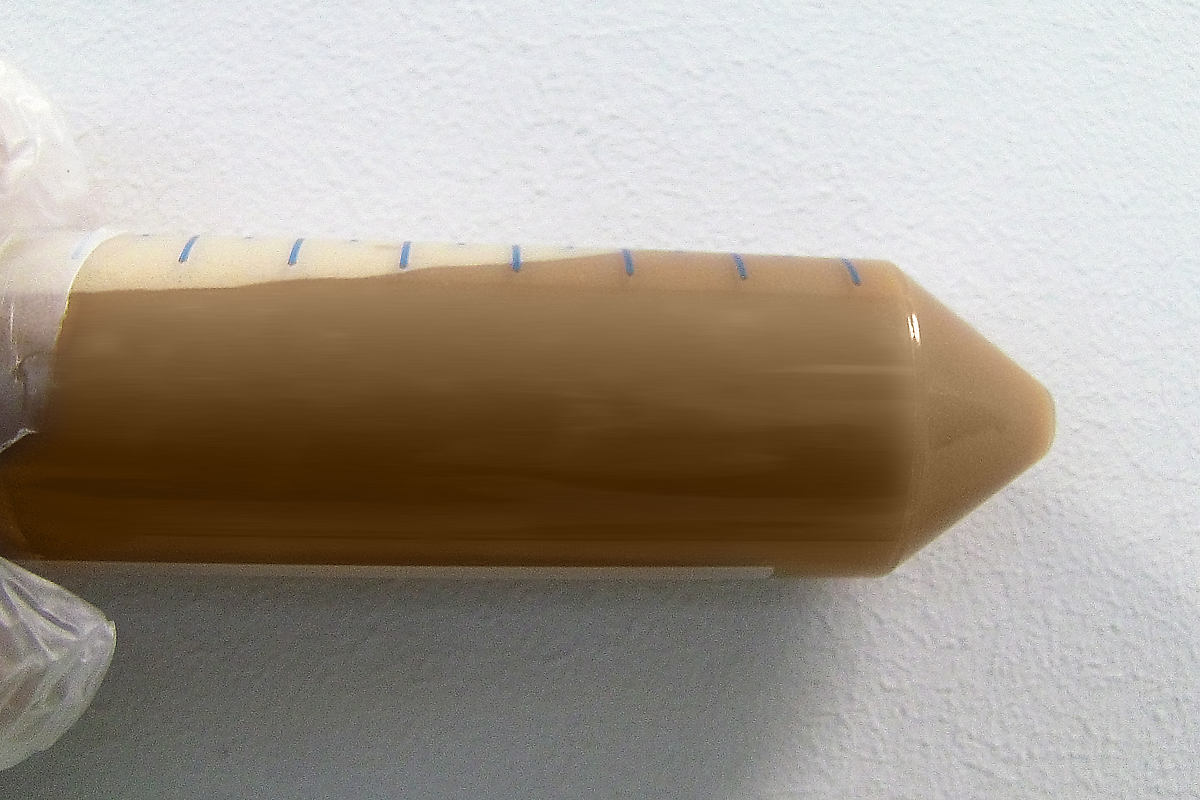
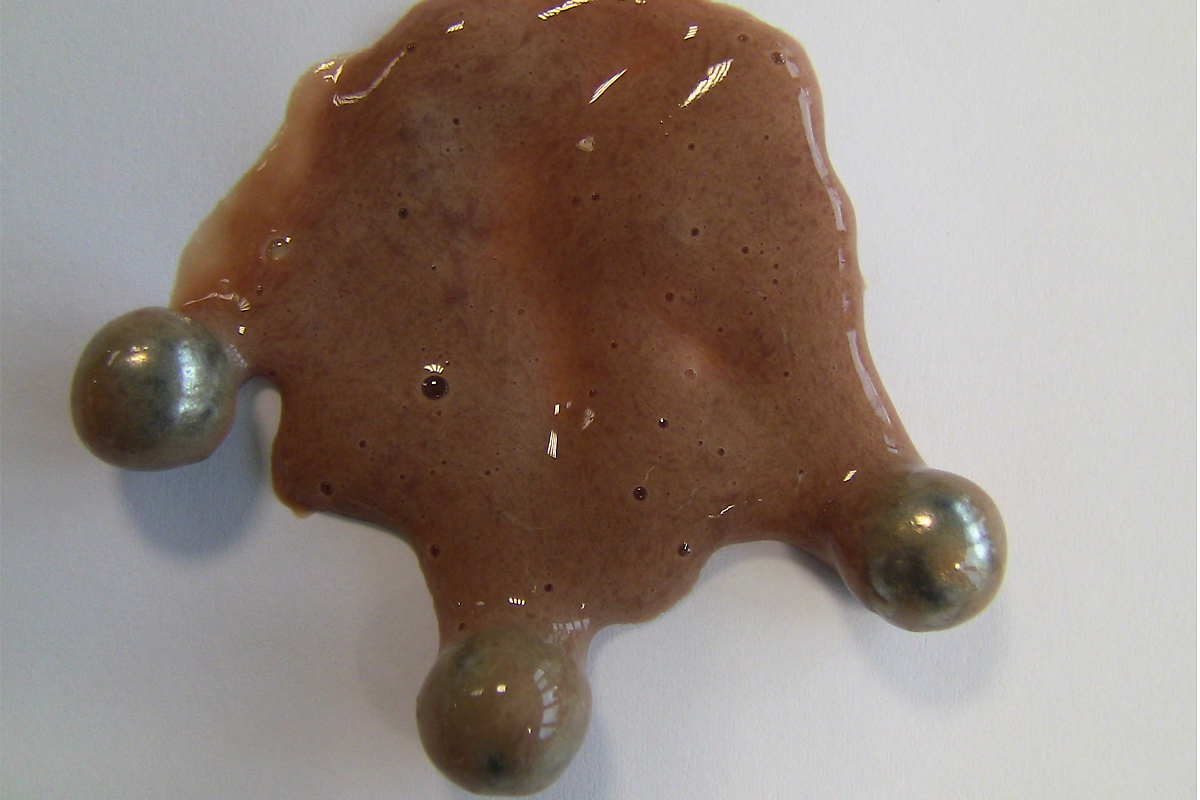
DNA、RNA、タンパク質は、革新的な治療法や診断法の開発において重要な役割を果たします。特に組換えDNA技術は、インスリンや成長ホルモンなどの治療用タンパク質の製造を可能にし、さまざまな遺伝性疾患の治療に不可欠です。RNAベースの治療法には、mRNAワクチンやRNA干渉(RNAi)療法があり、がんやウイルス感染症などの疾患に対する有望なアプローチを提供します。一方、タンパク質はモノクローナル抗体や酵素などのバイオ医薬品として広く利用され、幅広い疾患治療に不可欠です。これらの生体分子は、個別化医療の進展に不可欠です。 細胞破砕におけるビーズビーティングは、DNAやタンパク質などの細胞内成分を放出するための広く用いられる機械的方法です。この技術は、細胞懸濁液をガラスビーズと混合し、撹拌してせん断力を発生させ、細胞壁を破壊します。ビーズビーティングは、細菌、酵母、菌類、藻類など多様な細胞タイプに有効で、複数サンプルを同時に処理でき、クロスコンタミネーションのリスクがなく、後続の抽出工程に干渉する化学薬品を追加する必要がないという利点があります。このプロセスは、2mLの使い捨てバイアルを用いた小規模処理から、50mLのFalconチューブを用いた大規模処理まで対応可能です。例えば、MM 400ミルはさまざまなアダプターを備え、小容量から大容量まで効率的に細胞を破砕できるため、ラボ用途において非常に汎用性の高いツールです。
ファルコンチューブアダプターとミキサーミルMM400を組み合わせた細胞破砕前(左)と細胞破砕後(右)のトリカブトの細胞。
CryoMillは、特に熱に敏感なサンプルに対して、大きな粉砕ボールを用いた細胞破砕に最適なツールです。液体窒素で粉砕ジャー内の材料を-196℃まで冷却することで、CryoMillはタンパク質やその他の細胞成分の完全性を破砕工程中に保持します。MM 500 controlでは、最大2×20mLの細胞懸濁液を、0℃から-100℃の範囲で低温または例えば10℃で冷却処理することが可能です。
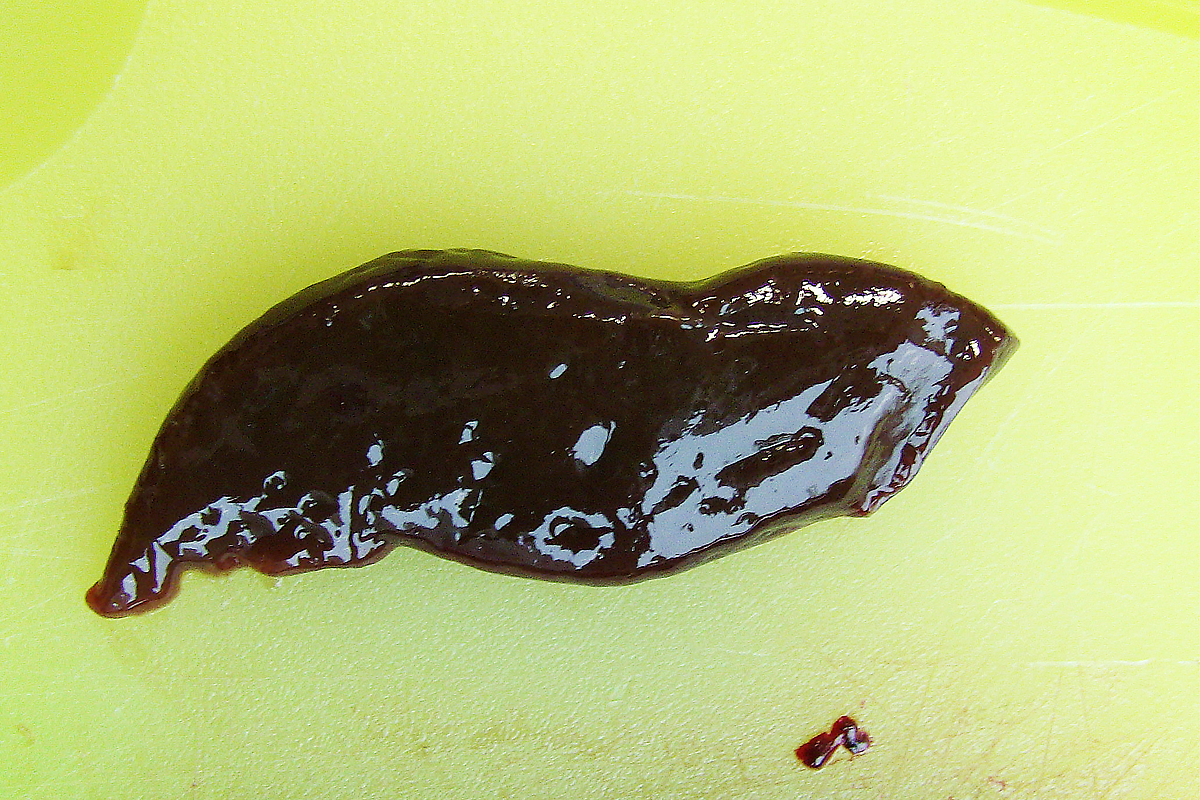
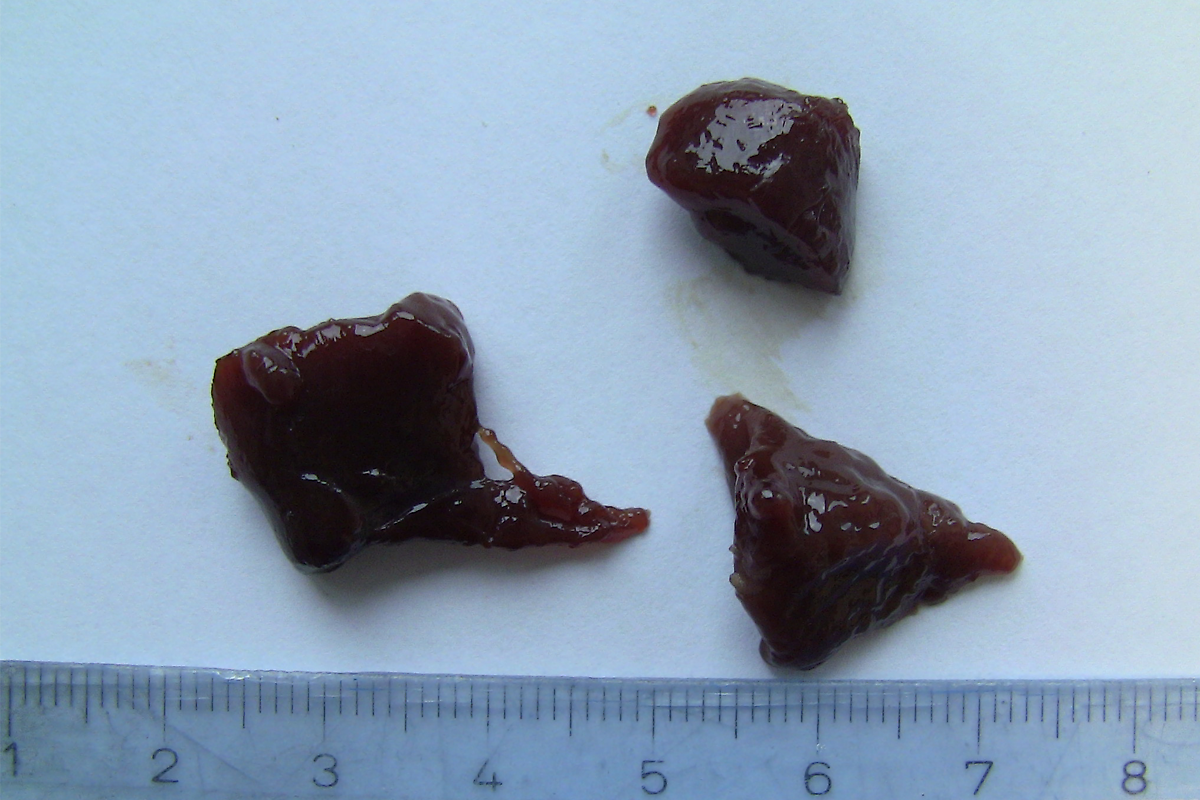
Retsch equipment also offer solution for the homogenisation of tissue samples like liver or skin. Again, such samples can be homogenized in 2 ml or 5 ml Eppendorf tubes or in 50 ml Falcon tubes.
[1] Group of Professor Duncan L. Browne, Department of Pharmaceutical and Biological Chemistry, University College London: Robust Buchwald-Hartwig amination enabled by ball-milling; Org. Biolol. Chem. 2019, 17, 1722 DOI: 10.1039/c8ob01781f
[2] Group of Professor Duncan L. Browne, Department of Pharmaceutical and Biological Chemistry, University College London: Direct Amidation of Esters by Ball Milling; Angew. Chem. Int. Ed. 2021, 60, 21868-21874; doi.org/10.1002/anie.202106412
[3] Group of Professor Hajime Ito, Division of Applied Chemistry, Faculty of Engineering, Hokkaido University: Solvent-free zinc-mediated Bechamp reduction using mechanochemistry; DOI: 10.1039/d4mr00138a
[4] Group of Professor Hajime Ito, Division of Applied Chemistry, Faculty of Engineering, Hokkaido University: Solid-state aromatic nucleophilic fluorination: a rapid, practical, and environmentally friendly route to N-heteroaryl fluorides; Green Chem., 2025, 27, 1771; DOI: 10.1039/d4gc06362g
[5] Group of Professor Duncan L. Browne, Department of Pharmaceutical and Biological Chemistry, University College London: Temperature-Controlled Mechanochemistry for the Nickel-Catalyzed Suzuki-Miyaura Coupling of Aryl Sulfomates via Ball Milling and Twin-Screw Extrusion; Angew. Chem. Int. Ed. 2022, 61, e202210508; doi.org/10.1002/anie.202210508
[6] Jan-Hendrik Schöbel, Frederik Winkelmann, Joel Bicker, and Michael Felderhoff; Mechanochemical kilogram-scale synthesis of rac:ibuprofen:nicotinamide co-crystals using a drum mill; RSC Mechanochemistry, 2025, DOI: 10.1039/D4MR00096J
[7] Reaction scheme and performance of the experiments: Dominik Al-Sabbagh, Chemistry Laboratory Technician, Division 6.3 – Structure Analysis, Federal Institute for Materials Research and Testing (BAM), B