Modern laboratory applications demand maximum control, highest reproducibility, and complete process transparency. The latest generation of GrindControl provides a solution that consistently meets these requirements — powerful, intelligent, and intuitive to operate.
GrindControl is used in ball mill processes and continuously records pressure and temperature inside the grinding jar. The system consists of a hardware measuring unit and dedicated analysis software, enabling real-time visualization and evaluation of the key process parameters, pressure and temperature.
This makes sample preparation more efficient, protects temperature-sensitive materials, and ensures stable conditions even in demanding applications — for example in mechanochemical syntheses. GrindControl creates transparency in the ball milling process and forms the foundation for reliable and reproducible results.
Monitoring temperature and pressure provides significant advantages for optimally designing and controlling ball mill processes for particle size reduction, sample preparation, and research applications.
It helps to improve:
Quality: Pressure and temperature monitoring for reliable and reproducible results.
Efficiency: Real-time monitoring enables precise control of process conditions. Process parameters such as cooling, frequency, duration, and grinding pause intervals can be adjusted as needed.
Safety: Critical changes in pressure and temperature can be detected at an early stage, preventing process errors and safety risks.
Research & development: Deeper insights into mechanochemical reactions can be obtained. The relationship between the results and the relevant state variables can be analyzed.
The GrindControl system is available for the Planetary Ball Mills, the Mixer Mills MM 500 nano/control, and Emax. It includes hardware for pressure and temperature measurement plus analysis software.
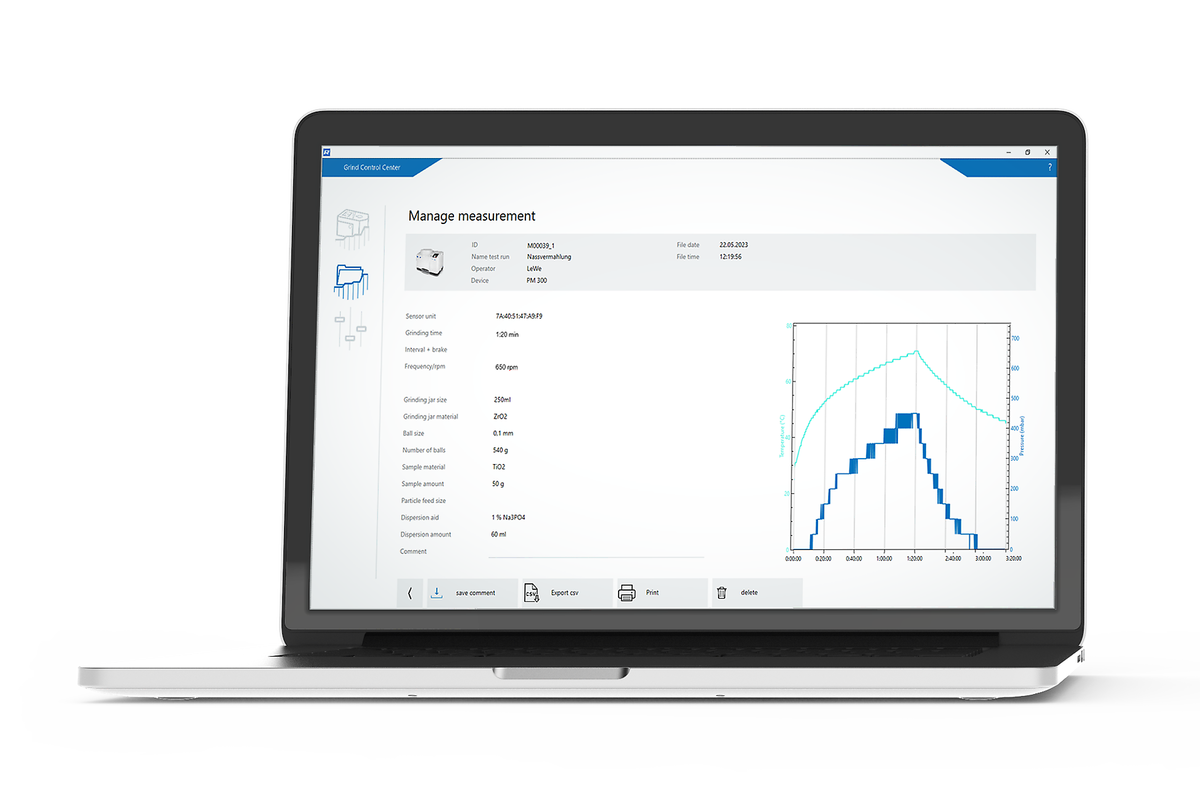
The GrindControl software is a small and intuitive program that is easy to install on your computer. The software records and stores the transmitted data of pressure and temperature. The data is monitored in real time during a measurement and can be exported in .pdf or .csv format after the measurement.
More software features:
GrindControl supports a broad range of applications, delivering enhanced safety and accurate temperature regulation for controlled and reproducible ball milling.
During ball milling, temperature and pressure profiles can develop differently depending on the filling level of the grinding jar, the jar material, and the process parameters.
While temperature and pressure increase gradually during the wet grinding of corundum in a 250 ml grinding jar in a planetary ball mill (left diagram), a significantly stronger increase is observed at the same rotational speed in a 500 ml grinding jar with steel balls of larger diameter (right diagram).
By continuously monitoring these state variables with GrindControl, the process can be specifically controlled and overall operational safety can be enhanced. Grinding jars with elevated temperatures must only be handled with protective gloves. Pressurized grinding jars may only be opened with extreme caution.
In addition, GrindControl enables the optimal selection of grinding and pause times, particularly for long-term grinding processes.
When grinding temperature-sensitive materials, temperature control plays a crucial role. For such samples, targeted cooling or grinding pauses are often applied to protect sensitive substances from thermal damage. This is particularly advantageous when processing food products, organic samples, or during cell disruption, as it prevents the loss or denaturation of temperature-sensitive components.
In this example, the system is operated with the MM 500 control, which is connected to an external chiller. Using GrindControl, the process parameters inside the grinding chamber are continuously monitored. As illustrated, the grinding chamber is pre-cooled to below 10 °C and remains below room temperature throughout the entire process.
Continuous temperature monitoring with GrindControl enables precise process control, ensures reproducible results, and simultaneously protects sensitive materials.
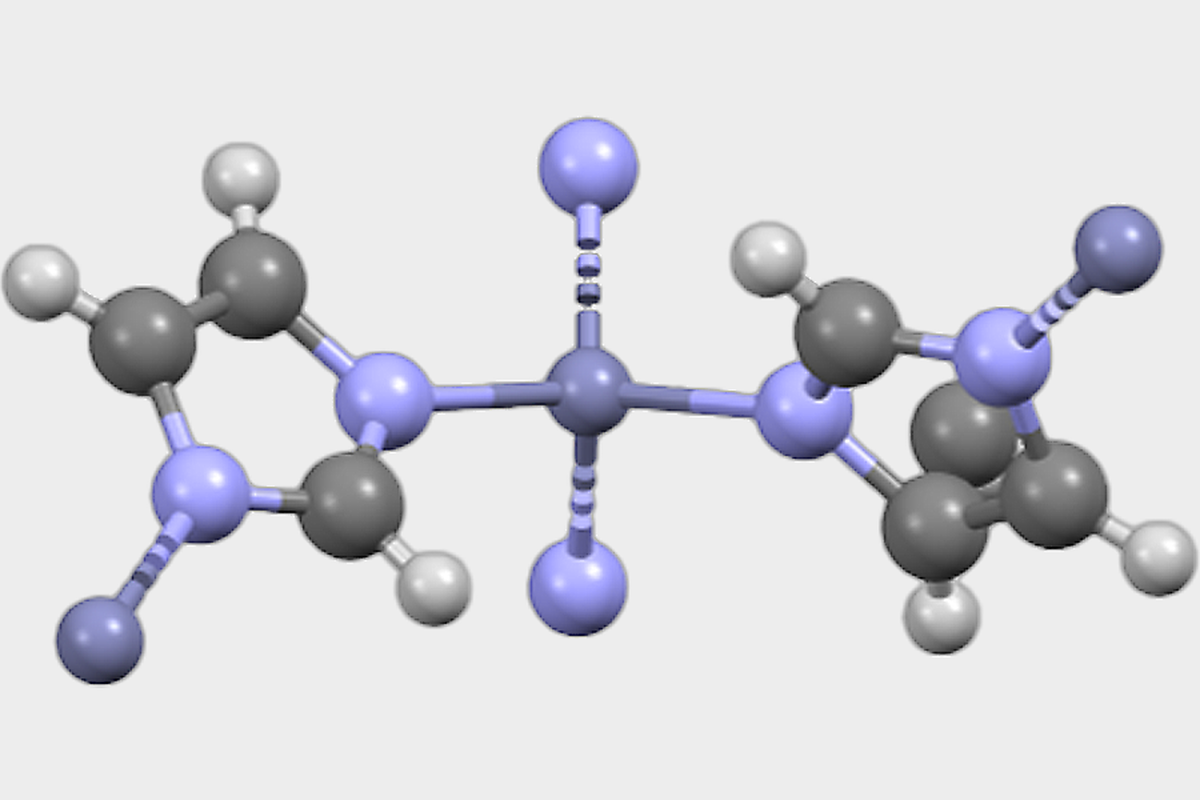
Monitoring pressure and temperature provides valuable insight into what happens inside the grinding jar. GrindControl is widely used to investigate material syntheses such as mechanical alloying and other mechanochemical reactions.
A mechanochemical synthesis was performed in an MM 500 nano using a 125 ml stainless steel jar with GrindControl. The reactants were milled at 20 Hz using 32 × 10 mm balls under air.
After about 20 seconds of milling, an ignition event occurred, leading to a pressure increase to approx. 730 mbar and a temperature rise. GrindControl captured the ignition point precisely – the key parameter for this self-propagating mechanochemical synthesis reaction (MSR). [8]
In research on sustainable cement, the GrindControl system supports the analysis of the mechanochemical activation of clay minerals. In this process, the pozzolanic reactivity can be significantly increased compared to untreated or calcined samples (see left figure). The activated clays serve as Supplementary Cementitious Materials (SCMs) and enable a reduction in CO₂ emissions by partially replacing clinker.
Processing is carried out in a PM 100 planetary ball mill at 500 rpm, using a 500 ml grinding jar with twelve 20 mm stainless steel balls (ball-to-powder ratio of 25:1). By linking pressure and temperature data with reactivity measurements, the activation process can be specifically monitored and controlled. [9]
When processing temperature-sensitive materials, the temperature must be monitored precisely. With GrindControl, compliance with specified temperature limits can be reliably ensured.
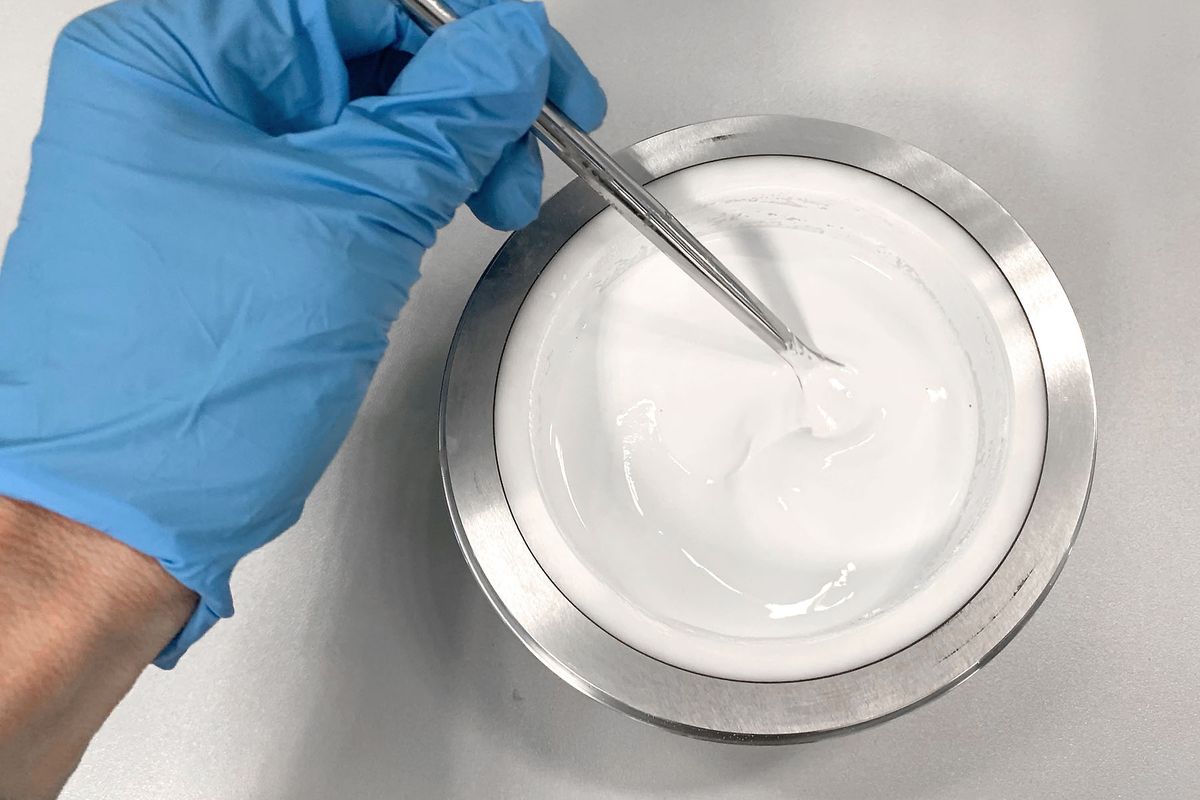
During wet grinding processes, long grinding times and high energy input can lead to significant temperature increases and pressure build-up.
GrindControl enhances operational safety during handling and enables the optimization of grinding and pause intervals.
In mechanochemistry, specific temperature and pressure conditions are crucial.
With GrindControl, these parameters can be precisely monitored and systematically correlated with the respective reaction outcomes.
To find the best solution for your sample preparation task, visit our application database.
The following videos provide a concise overview of the available versions, the system structure, and proper cleaning procedures.
This video introduces the different available GrindControl versions and explains the respective hardware components. It also provides an overview of compatibility with various mill types and materials.
This video demonstrates how to use the software and explains its structure. It also clearly illustrates the acquisition and visualization of the measured data.
This video demonstrates the proper cleaning procedure for the GrindControl system after use. It provides important instructions on safe handling and the preservation of components to ensure long-term and reliable operation.
Pressure and temperature are transmitted in real time via Bluetooth from the GrindControl electronics to a PC. The software records five measurements per second, generating a detailed log of the pressure and temperature profiles.
The sensors are integrated into the lid of the grinding jar, capturing the physical conditions in a way that most accurately reflects the environment inside the jar.
Sintered filters reliably protect the sensors from contact with solid sample material. At the same time, they prevent material from escaping the grinding jar when the gas inlets are used.
The software is available free of charge and is supported from Windows 11 onward.
| Applications | pressure and temperature measuring for Planetary Ball Mills, Emax and Mixer Mills MM 500 nano/control |
| Field of application | agriculture, biology, chemistry / plastics, construction materials, engineering / electronics, environment / recycling, food, geology / metallurgy, glass / ceramics, material synthesis, medicine / pharmaceuticals |
| Measurement ranges | gas pressure: 0 - 500 kPa (5 bar) temperature: -20°C - +100 °C |
| Dry grinding | yes |
| Wet grinding | yes |
| Cryogenic grinding | yes min. -20 °C |
| Type of grinding jars | Screw-Lock (MM) and EasyFit jars (PM) |
| Material of grinding tools | hardened stainless steel, zirconium oxide |
| Grinding jar sizes | 125 ml (MM); 50 - 500 ml (PM) |
| Transmission frequency | 5 /s |
| Interface | |
| Electrical supply data | battery (up to 80 h operation time) |
| Accessories | opening aid, cleaning tools, o-ring, Software download, sintered filter, (lid insert not included) |
| Net weight | lid with sensor unit 360 g (MM) 1780 g / 1140 g (PM) |
| Standards | CE |
| Technical requirements | PC with Windows 11 and Bluetooth 5.0 or higher |
| Software | live monitoring of measurement data, full measurement protocol, storable templates, list of performed measurements, data export in .pdf and .csv |
Content may be subject to modifications or corrections
[8] Reaction scheme and performance of the experiments: Dr. Matej Balaz, Institute of Geotechnics, Slovak Academy of Sciences (SAS).
[9]: Department of Architecture & Civil Engineering, Centre for Climate Adaptation & Environment Research, University of Bath